Photo: Wikipedia
Find The Best Places To Live
in Utica
PRO TIP! You can paste a Zillow or Redfin link to get info on that property.
What It's Like Living in Utica, MI
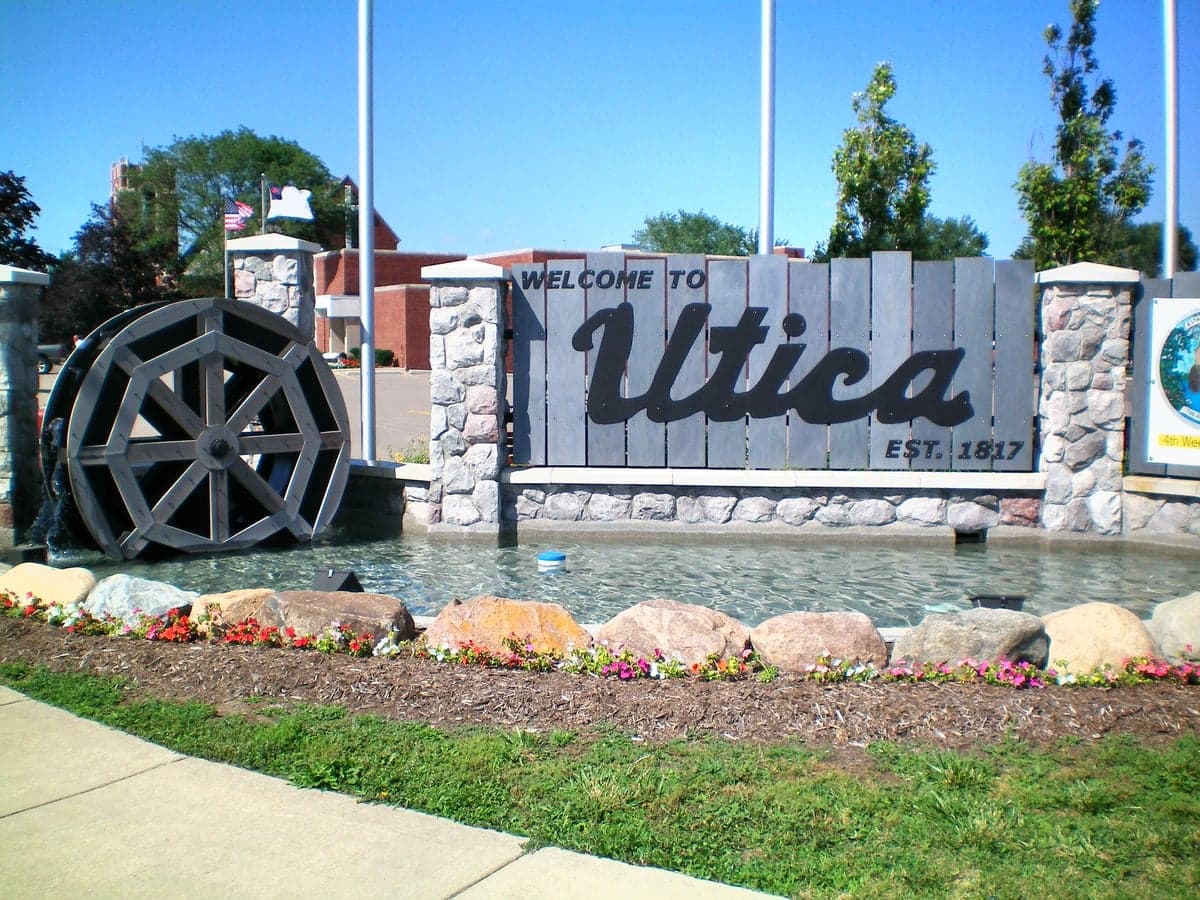
Utica, Michigan, is one of those small towns that feels like it’s been quietly minding its own business for over a century, and in many ways, it has. With a population just over 5,100, it’s a tight-knit community where people still wave at neighbors and the high school football game on a Friday night is a genuine social event, not just background noise. Living here means trading the constant buzz of a big city for a slower, more predictable rhythm, where the biggest decision of the week might be whether to grab a burger at the local diner or catch a show at the historic Utica Theater.
The Daily Rhythm: Quiet Mornings, Local Hangouts, and a Short Commute
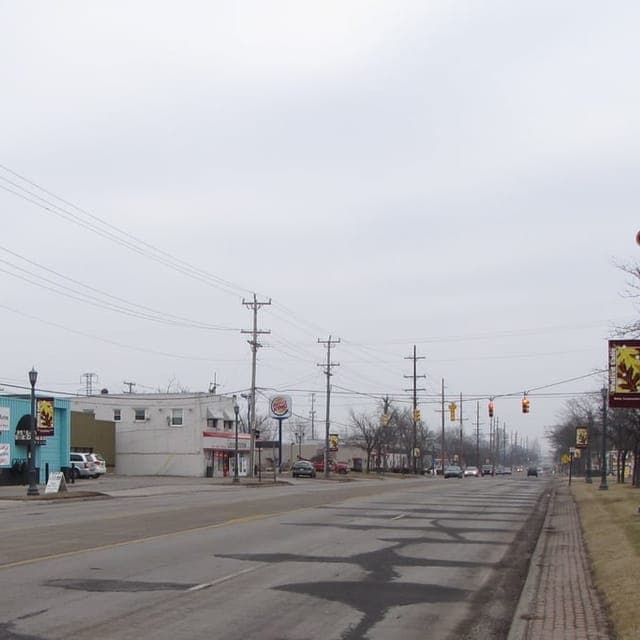
Daily life in Utica revolves around a few reliable anchors. Mornings often start with coffee at a local spot like Utica Coffee Roasting Company, where the smell of fresh roast is as much a part of the town’s identity as the old brick buildings on Van Dyke Avenue. The average commute clocks in at about 24 minutes, which is a genuine luxury compared to the 40-minute slog many Metro Detroiters endure. Most residents work in nearby Sterling Heights, Troy, or even downtown Detroit, but they come home to Utica’s quieter streets. The median age here is 44.8, so you’ll see a mix of empty-nesters and families with school-aged kids, but not many young singles or college students. That age skew means the pace is deliberate—weekends are for yard work, a trip to the local farmers market, or a slow walk along the Clinton River.
Shopping and errands are straightforward. There’s no mega-mall in town, but Lakeside Mall in nearby Sterling Heights is a 10-minute drive, and the big-box stores on Hall Road (M-59) cover everything else. For groceries, locals swear by the Kroger on Van Dyke or the smaller Nino’s Italian Market for specialty items. The real social hub, though, is the downtown strip—a few blocks of family-owned shops, a pharmacy, and a couple of bars where everyone seems to know the bartender’s name.
Sports, Community, and the High School That Ties It All Together
If you want to understand Utica, look at its high school. Utica High School is the beating heart of the town, and Friday night football games at Swinehart Field draw crowds that include grandparents, former students, and families who’ve lived here for generations. The Chieftains—that’s the team name—are a source of genuine pride, and the rivalry with nearby Stevenson High School is the kind of thing that gets people talking at the barbershop all week. Basketball and wrestling also pull decent crowds, but football is king. Beyond high school, locals follow the Detroit pro teams—Lions, Tigers, Red Wings, Pistons—with the usual mix of hope and resignation. There’s no major college sports presence in town, but the University of Michigan and Michigan State flags fly on plenty of front porches.
The community’s identity is also shaped by a few annual traditions. The Utica Fest in June is a block party with live music, carnival rides, and a parade that shuts down Van Dyke. It’s not huge, but it’s the kind of event where you run into your kid’s teacher and your mail carrier in the same five minutes. The Utica Public Library hosts summer reading programs and craft fairs that feel like a throwback to a simpler time. For outdoor types, Heritage Park has walking trails, a disc golf course, and a splash pad that’s packed with kids on hot July afternoons. The Clinton River runs through town, and while it’s not exactly a kayaking hotspot, there are a few decent spots for a quiet picnic or a short paddle.
What’s There to Do: Honest Entertainment and the Nearby Escape Valve
Let’s be real—Utica is not a nightlife destination. The entertainment scene is modest but functional. The Utica Theater, a restored 1940s movie house on Cass Avenue, shows second-run films for $5 and hosts the occasional live performance. For drinks, Jolly Pumpkin Pizzeria and Brewery is the go-to for craft beer and wood-fired pizza, while Bobby’s Bar is the kind of dive where the jukebox plays classic rock and the regulars have been sitting on the same stools for 20 years. If you want live music or a club scene, you’re driving 20 minutes to Royal Oak or Ferndale. That’s the trade-off: peace and quiet at home, but a short drive for a night out.
For families, the big draw is the Utica Community School District, which is highly rated and a major reason people move here. The schools are the community’s pride, and they anchor everything from youth sports to PTA fundraisers. The downside? Property taxes are higher than in some neighboring towns, a direct result of that school funding. The median home value sits at $216,800, which is affordable by Metro Detroit standards, and the cost of living index is 82—well below the national average. That combination of decent schools and reasonable housing is the main reason Utica has held steady while other small towns have shrunk.
Pros and Cons: What Locals Love and What Frustrates Them
- Pro: Genuine small-town feel. People look out for each other. You’ll know your neighbors, and the local police department actually knows your name. The violent crime rate is 312.7 per 100,000, which is higher than the national average, but most crime is property-related and concentrated near the main roads, not in the residential neighborhoods.
- Pro: Short commute and low cost of living. The 24-minute average commute is a huge quality-of-life win, and the median income of $55,524 goes further here than in pricier suburbs like Birmingham or Ann Arbor.
- Con: Limited job opportunities in town. Most residents commute out for work. If you don’t have a car, you’re stuck—public transit is sparse.
- Con: Not much for young singles. With a median age of 44.8 and a 28.7% college-educated rate, the social scene skews older and more family-oriented. If you’re under 30 and looking for a dating scene or nightlife, you’ll feel the lack.
- Con: Winter is real. Snow from November through March, and the town doesn’t have the budget for lightning-fast plowing. You’ll learn to love a good snow shovel.
Utica is a place that rewards patience and a preference for the familiar. It’s not flashy, and it doesn’t try to be. The people who thrive here are the ones who value a predictable routine, a strong sense of community, and the ability to drive 20 minutes to a concert or a nice dinner, then come home to a quiet street where the biggest sound is a lawnmower on a Saturday afternoon. If that sounds like a good trade, Utica might be your kind of town.

Similar small towns to Utica
* Values derived from national, state, county, city and local statistics and may differ in a specific area. Last updated: 2026-10-05T07:45:18.000Z
Narrative content on this page is AI-generated and may contain mistakes. Verify any details that matter before acting on them.
ReloMaps may earn a commission from affiliate links at no extra cost to you.

