Find The Best Places To Live
in Maine
PRO TIP! You can paste a Zillow or Redfin link to get info on that property.
Best Places to Live in Maine

Cities in Maine
Largest Cities in Maine
What It's Like Living in Maine
Living in Maine means trading the relentless pace of the suburbs for a life where the seasons dictate the rhythm and your nearest neighbor might be a mile down a dirt road. It’s a state of stark contrasts: the post-industrial grit and growing food scene of Portland versus the quiet, self-reliant communities of places like Presque Isle or Millinocket. For the single person or family who values space, privacy, and a deep connection to the outdoors, Maine offers a lifestyle that feels increasingly rare in the modern Northeast.
The Daily Rhythm: From Portland’s Bustle to the County’s Quiet
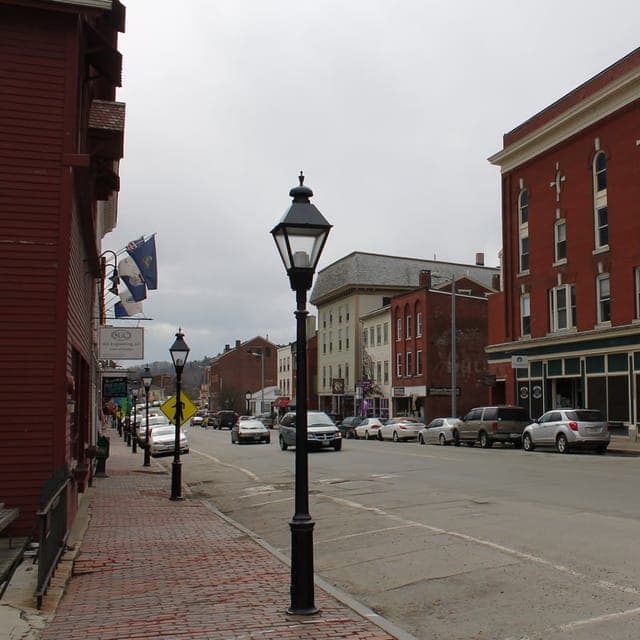
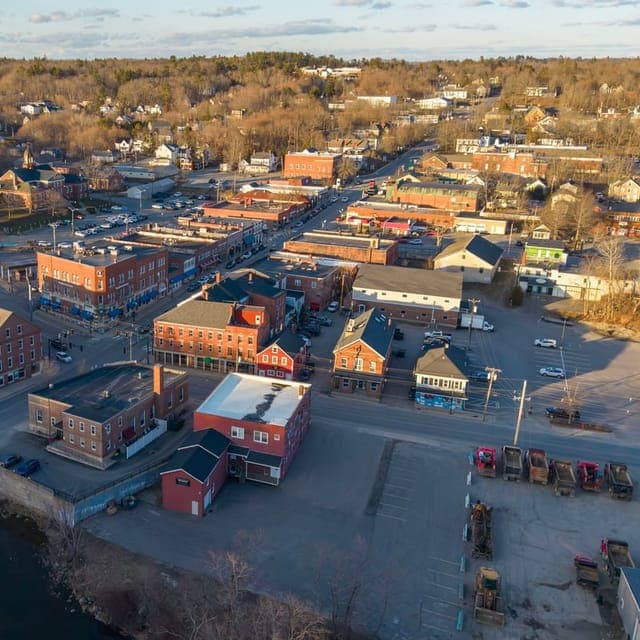
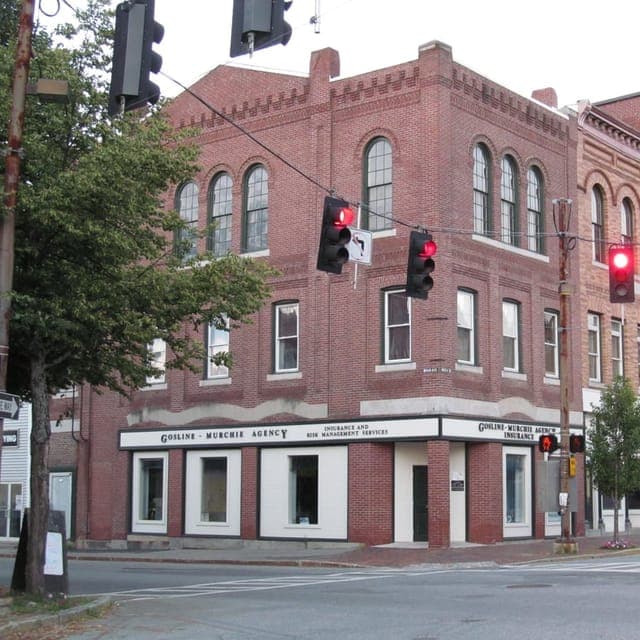
Daily life in Maine is heavily shaped by where you land. In Portland, the state’s largest city, life feels urban and walkable. You’ll find young professionals and empty-nesters grabbing coffee at Tandem Coffee Roasters or browsing the stalls at the Old Port’s Public Market. The commute here is a manageable 24 minutes on average, but traffic on I-295 can back up during tourist season. Drive an hour north to Augusta or Waterville, and the pace slows considerably. In the "County" (Aroostook County), a trip to the grocery store in Caribou might be a 30-minute drive, and the biggest local event is the annual Potato Blossom Festival. The kind of person who thrives here is someone who doesn’t need a mall on every corner and finds satisfaction in a well-stocked workshop, a garden, or a snowmobile trail out the back door.
The state’s median age of 44.8 is a telling statistic. This isn’t a place built around a frantic nightlife scene. Instead, the social fabric is woven through town meetings, high school basketball games, and volunteer fire departments. Families are drawn to the strong public school systems in towns like Falmouth and Cape Elizabeth, while more affordable housing in places like Lewiston or Sanford attracts those priced out of southern Maine. The median home value sits at $266,400, which is significantly lower than the national average, though that figure jumps sharply in desirable coastal towns like Kennebunkport.
Sports, Seasons, and the Great Outdoors
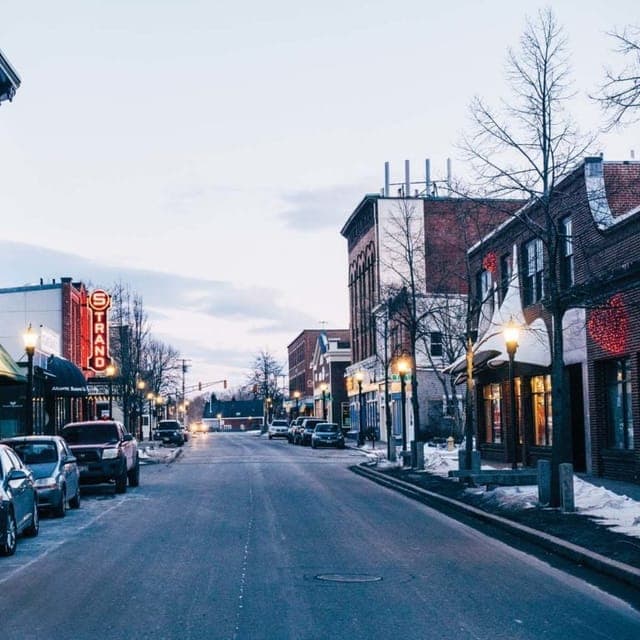
Maine doesn’t have a major professional sports team, but that doesn’t mean sports aren’t a big deal. The Portland Sea Dogs (the Red Sox Double-A affiliate) draw huge crowds to Hadlock Field every summer, offering a cheap, family-friendly night out. High school basketball is the true religion here, especially in rural towns like Bangor or Calais, where the entire community packs the gym for regional tournaments. Winter is the defining season. From December through March, life revolves around snow. You either embrace it—skiing at Sugarloaf or Sunday River, ice fishing on Moosehead Lake, or snowmobiling on the 3,000-mile ITS trail system—or you find it oppressive. The long, gray winters are the most common complaint from newcomers, but locals see them as the price of admission for the spectacular, bug-free summers and the vibrant fall foliage.
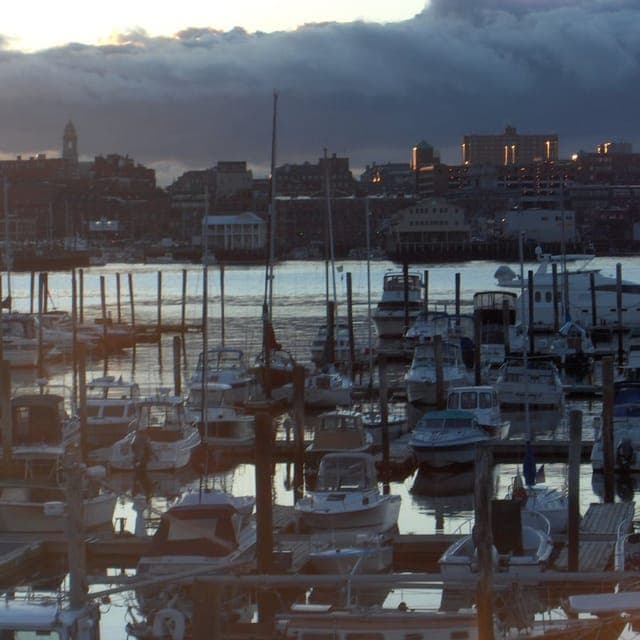
When the snow melts, Maine transforms. The coastline becomes a playground for kayaking, sailing, and lobster boat watching. Acadia National Park near Bar Harbor is the crown jewel, but locals know the quieter spots like Popham Beach or the trails in the western mountains. The cultural calendar is packed with unique events: the Common Ground Country Fair in Unity (a massive celebration of organic farming and rural skills), the Moxie Festival in Lisbon Falls, and the massive summer crowds that flood Old Orchard Beach.
Pros and Cons of Living in Maine
- What residents love: The genuine sense of community. People look out for each other. The low violent crime rate (93.4 per 100,000, well below the national average) means most people don’t lock their doors in small towns. The cost of living is a real advantage, with a state index of 94 (6% below the national average), making a median income of $71,773 go further than it would in Boston or New York. The access to wild, undeveloped land is unmatched on the East Coast.
- What frustrates them: The economy. While the median income is decent, good-paying jobs outside of healthcare, education, and tourism can be scarce. The winters are long, dark, and expensive (heating oil bills can be brutal). Internet access in rural areas is still spotty. And while the state is politically independent, the culture can feel insular to outsiders—it’s famously hard to become a "Mainer" if you weren’t born one.
The cultural quirks are real. There’s a fierce local pride in things like Moxie soda, red hot dogs, and whoopie pies. People are direct and value self-sufficiency. If you’re looking for a place where you can own a piece of land, raise a family away from the chaos, and actually know your neighbors, Maine is a strong contender. Just be prepared to buy a good snow shovel and a pair of flannel-lined jeans.

* Values derived from national, state, county, city and local statistics and may differ in a specific area. Last updated: 2026-08-02T00:14:56.000Z
Narrative content on this page is AI-generated and may contain mistakes. Verify any details that matter before acting on them.
ReloMaps may earn a commission from affiliate links at no extra cost to you.

