Strategic Assessment of Maine
Meaningful friction. Expect exposure to either population pressure, blast zones, or natural disaster risk. Consider buying a retreat property.
What does the Strategic Assessment tell us?
Our Strategic Assessment grades tactical survivability of an area. Major population centers, military targets, fallout zones, natural disasters, and border exposure all drive risk — lower exposure means a more defensible position in a crisis.
This is heavily inspired by Joel Skousen's Strategic Relocation book. Highly recommended you checkout the book ($)What does this tell us?
Our Strategic Assessment grades tactical survivability of an area. Major population centers, military targets, fallout zones, natural disasters, and border exposure all drive risk — lower exposure means a more defensible position in a crisis.
This is heavily inspired by Joel Skousen's Strategic Relocation book. Highly recommended you checkout the book ($)Regional Safe Places
Below is our recommended "safe zones" in Maine and the surrounding area based on our strategic heuristics. For most people, it's unrealistic to live in a “safe zone” full-time due to work, family or other personal reasons. They tend to be more rural. However, many of these areas are perfect for second homes and retreat properties that double as a vacation home or even a short-term rental.
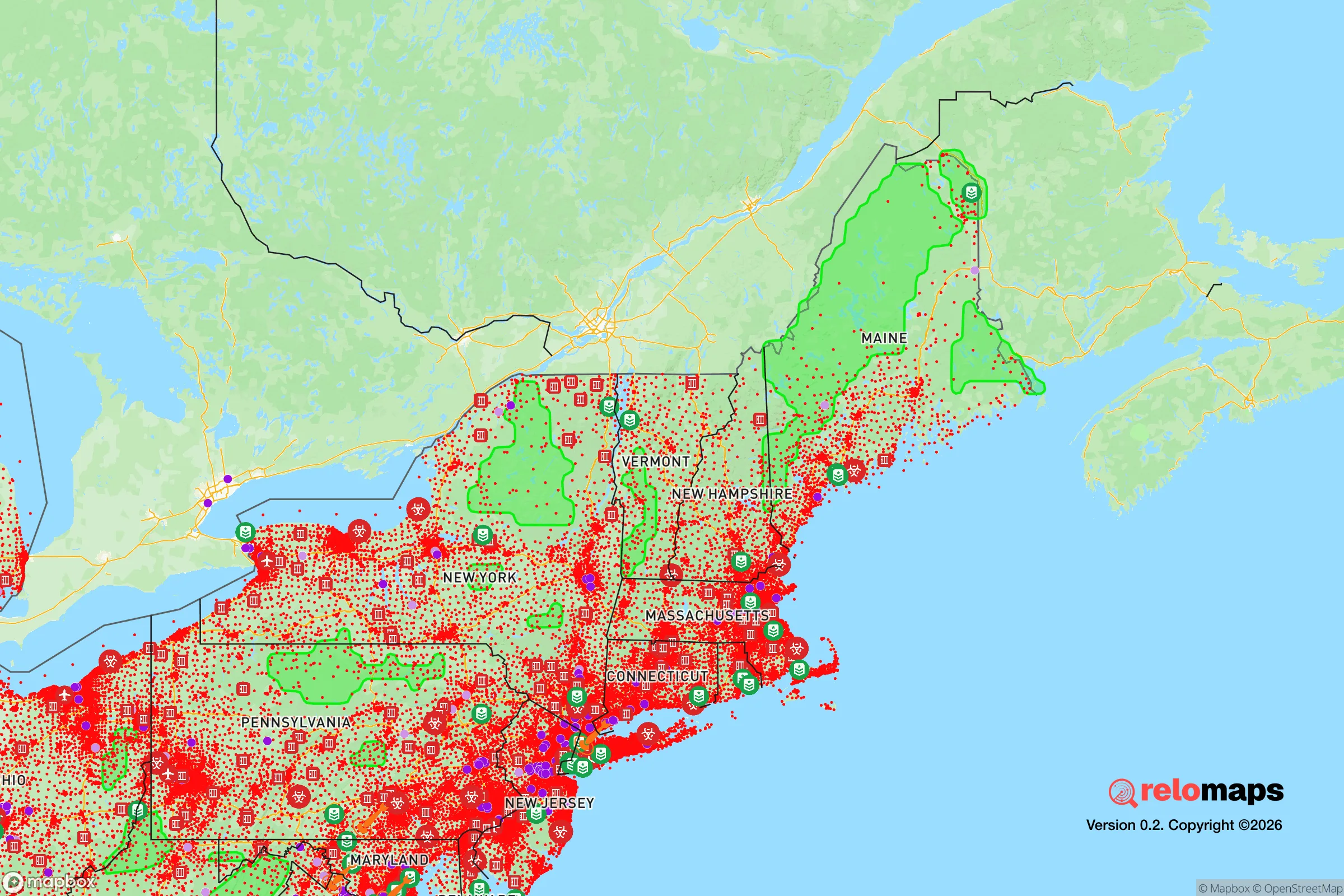
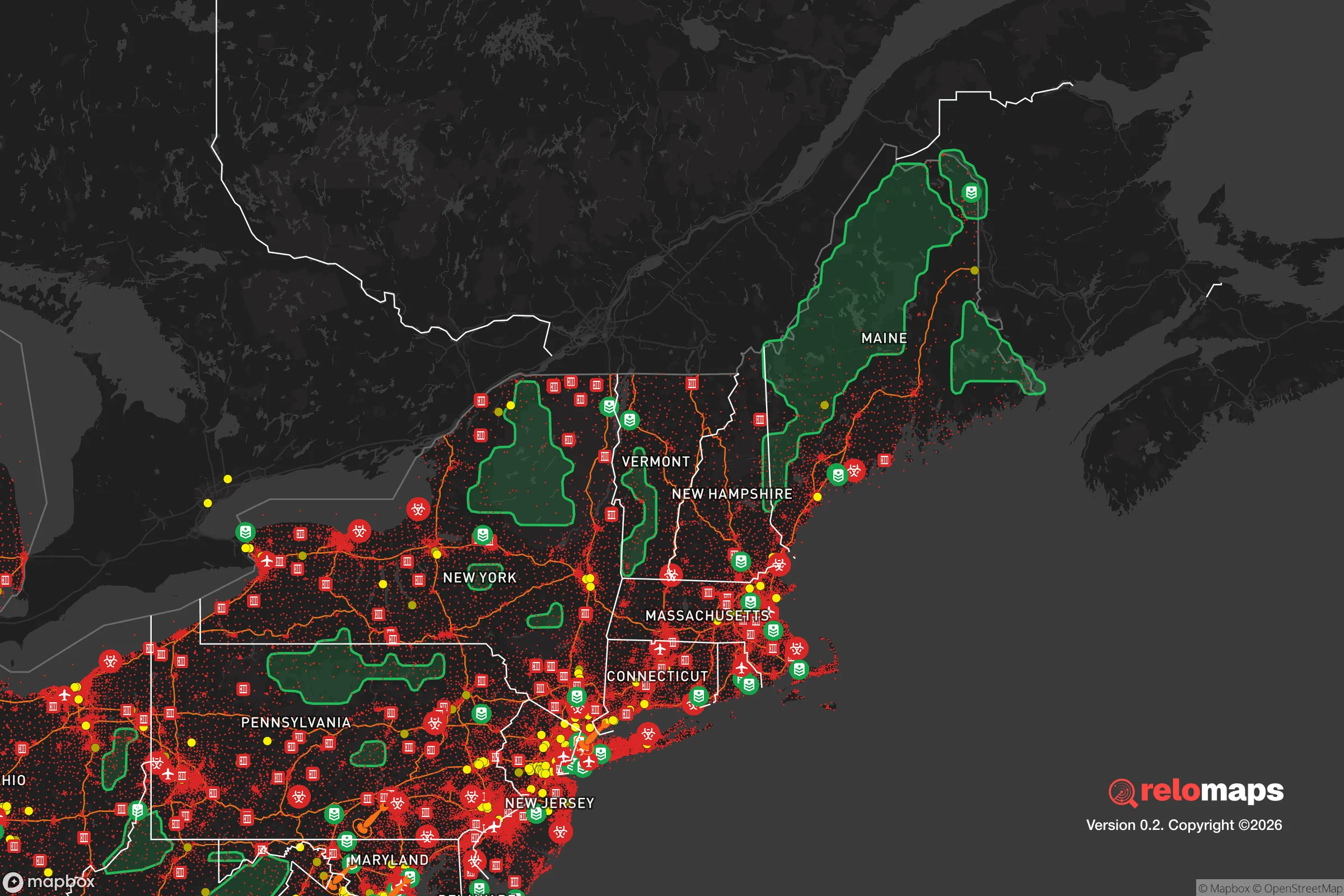


Important Note: For informational purposes only. This does not mean nothing bad ever happens in the green zones. Please use common sense. This is based on public data and modeled with AI. We tried to take a conservative approach but mistakes happen. We update this regularly as new information becomes available.
Solar Generator Recommendations
Backup power matters more here than in safer locations. We've picked three solar generators across budgets and capacity tiers — start with the budget unit if you only need a few essentials, or step up if you want to run a fridge and HVAC for days at a time.

Jackery Portable Power Station Explorer 300
Budget OptionPower on the Go: Weighing only 11 lbs, it's convenient to set up and store with book-sized foldable solar panels

BLUETTI Portable Power Station AC180
Designed for both indoor and outdoor scenarios, AC180 is highly capable as it has a robost capacity and continuous output power.

EF ECOFLOW DELTA Pro Ultra Power Station
Upgraded PickEcoFlow DELTA Pro Ultra is a whole-home energy system designed to grow with your family. Integrated with the Smart Home Panel 2, it scales to meet your evolving energy needs — keeping your home powered, intelligent, and secure through every stage of life.
We earn a commission, at no additional cost to you.
Strategic Assessment Analysis
For the relocation-minded reader prioritizing resilience, self-sufficiency, and distance from high-density targets, Maine presents a compelling strategic case that few other states can match. Its position as the northeasternmost state, bordered by New Brunswick, Canada, and the Atlantic Ocean, offers a natural buffer from the major population corridors and industrial complexes that define the Eastern Seaboard. While no location is risk-free, Maine’s combination of low population density, abundant natural resources, and geographic isolation from primary fallout-relevant landmarks makes it a serious contender for those evaluating long-term preparedness and disaster readiness.
Geographic position and natural advantages for disaster preparedness
Maine’s geography is defined by its remoteness from the nation’s core strategic targets. The state’s largest city, Portland, sits roughly 100 miles northeast of Boston, placing it outside the immediate blast and fallout zones of a major metropolitan center. The vast, forested interior—home to towns like Millinocket, Greenville, and Rangeley—offers hundreds of square miles of sparsely populated terrain where a relocator can achieve genuine separation from population-dense areas. The state’s 3,500-mile coastline, while beautiful, is less relevant for a resilience-focused move than the inland regions, which benefit from the natural shielding of the Appalachian Mountains and the North Woods. The proximity to Canada’s New Brunswick and Quebec provinces provides an additional layer of strategic depth, offering a potential overland route for trade or evacuation that avoids U.S. chokepoints. Maine’s cold climate and long winters also act as a natural deterrent to large-scale migration during a crisis, preserving the state’s low population density.
Risks, exposures, and proximity to fallout-relevant landmarks
Maine’s primary risk profile is dominated by natural hazards rather than man-made ones, which is a net positive for the resilience-minded relocator. The state is far from the nation’s major refinery corridors, nuclear power plants, and military command centers. The nearest significant fallout-relevant landmarks are the Portsmouth Naval Shipyard in Kittery (a nuclear submarine maintenance facility) and the Maine Yankee nuclear waste storage site in Wiscasset, both located in the southern coastal region. For a relocator settling in central or northern Maine, these sites are over 100 miles away, drastically reducing direct exposure risk. The state has no active nuclear power plants, no major oil refineries, and no large-scale military bases like Fort Hood or Camp Lejeune. The largest military presence is the Bangor Air National Guard Base and the Portsmouth Naval Shipyard, both of which are relatively low-priority targets compared to facilities in Virginia, Texas, or California. Natural risks include severe winter storms, ice storms, and occasional nor’easters, but Maine is seismically stable and faces no hurricane storm surge threat inland. The state’s forested interior does carry a wildfire risk, though it is lower than in the western U.S. and manageable with proper defensible space.
Practical resilience for a relocator: food, water, energy, and defensibility
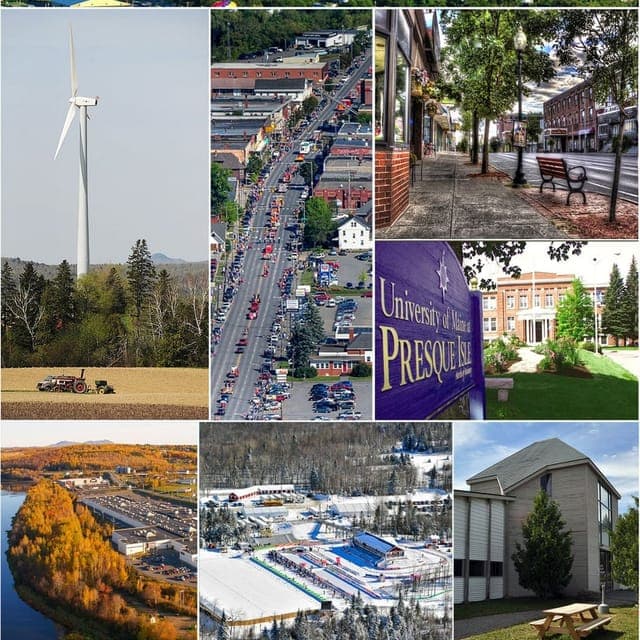
Maine is one of the best-positioned states in the Lower 48 for practical self-sufficiency. The state’s abundant freshwater resources—over 6,000 lakes and ponds, including Moosehead Lake and the Rangeley Lakes—provide reliable water sources for off-grid living. The growing season is short (roughly 100–150 days in the south, less in the north), but the soil in river valleys like the Kennebec River Valley and Aroostook County is fertile and well-suited for potatoes, root vegetables, and cold-hardy crops. Aroostook County, in particular, is known as the “Potato Capital of the World” and offers a local food production base that is rare in the Northeast. For energy, Maine leads New England in renewable energy adoption, with significant wind, solar, and biomass capacity. Wood heating is the norm in rural areas, and the state’s vast forests provide an essentially limitless fuel source for those with the land and equipment to harvest it. Defensibility is a strong point: the interior’s low road density, long distances between towns, and natural barriers (rivers, mountains, forests) make it difficult for large groups to move through the region undetected. A relocator with a property on a dead-end road in a town like Jackman or Ashland would have significant tactical advantages in a grid-down scenario. The state’s strong hunting and fishing culture also means that many residents already possess the skills and equipment needed for subsistence living.
Overall, Maine offers a strategic profile that is rare in the contiguous United States: low target risk, abundant natural resources, and a culture of self-reliance that aligns well with a preparedness mindset. The trade-offs are real—harsh winters, limited economic opportunity in the interior, and distance from medical and supply infrastructure—but for a relocator who values geographic buffer and practical resilience over convenience, Maine is one of the strongest options available. The key is to avoid the southern coastal corridor and focus on the central and northern regions, where the combination of isolation, water, and defensibility is hardest to beat.

Top 10 Cities by Strategic Assessment in Maine
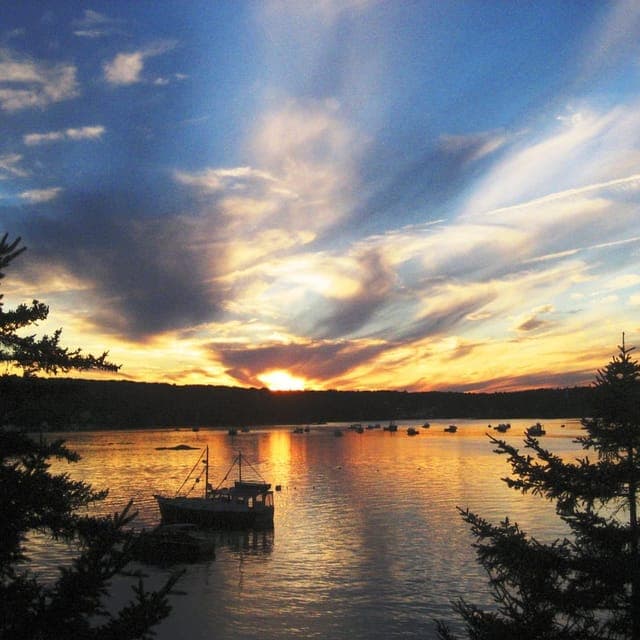
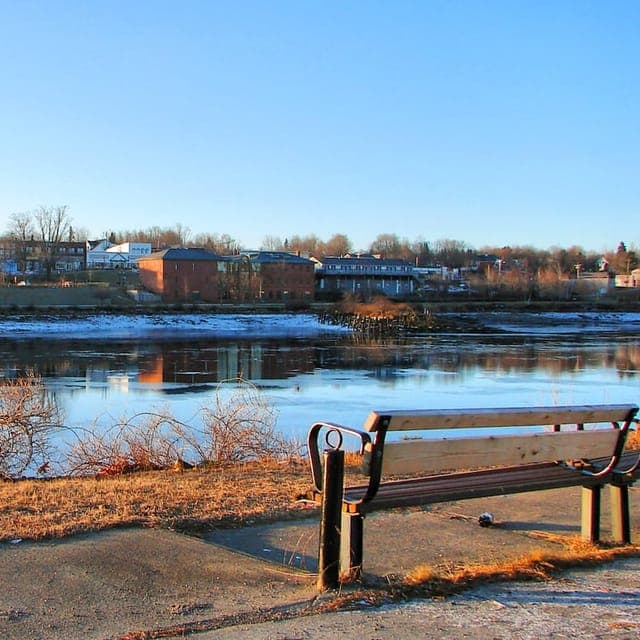
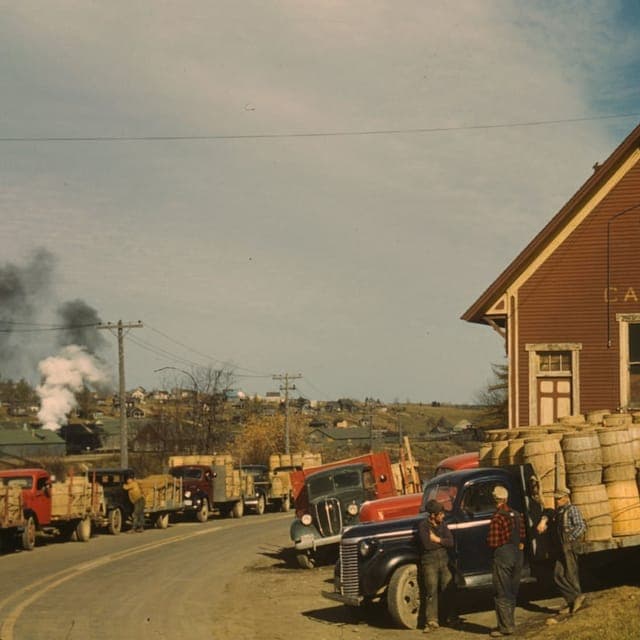
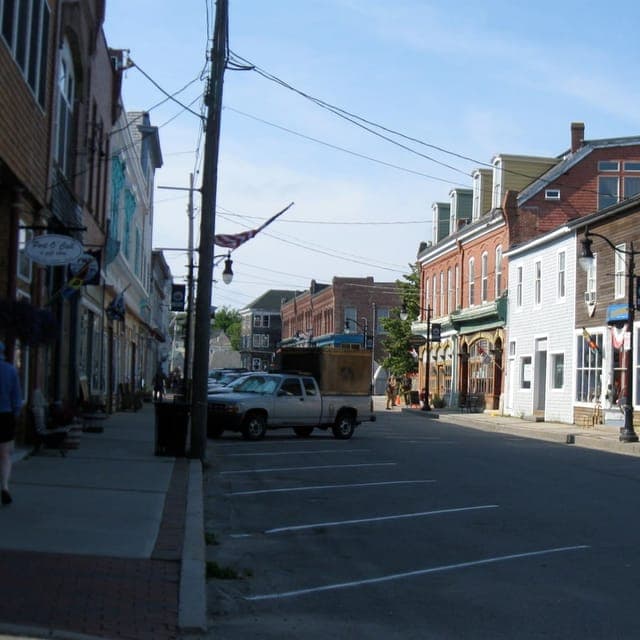
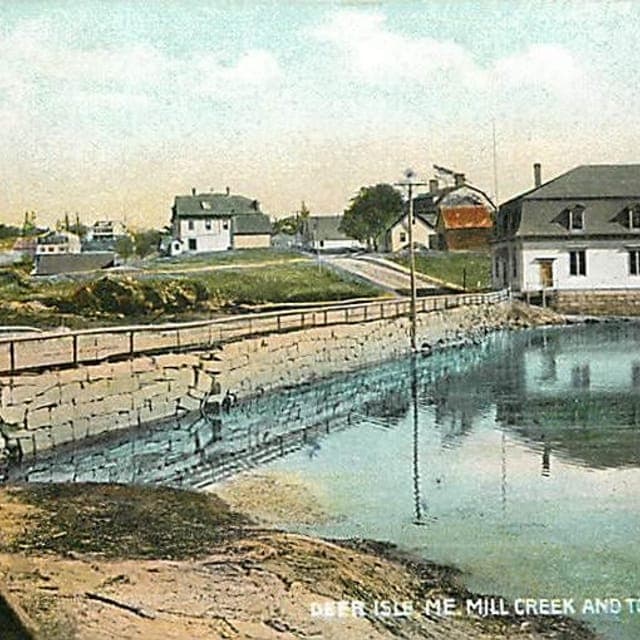
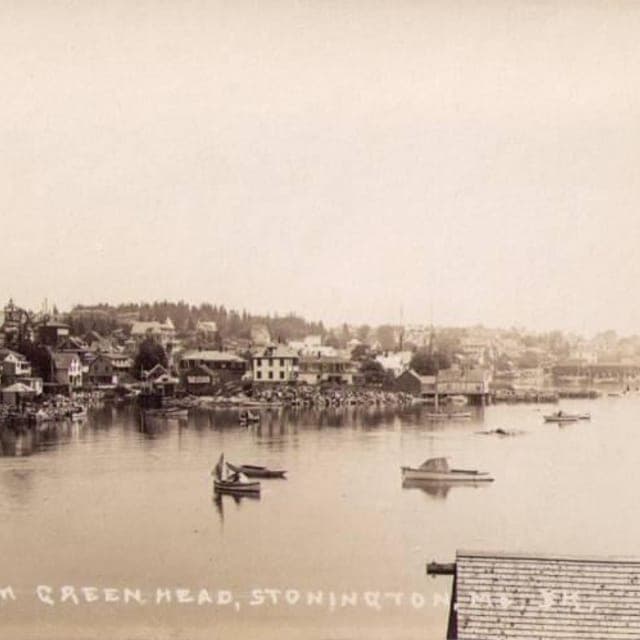
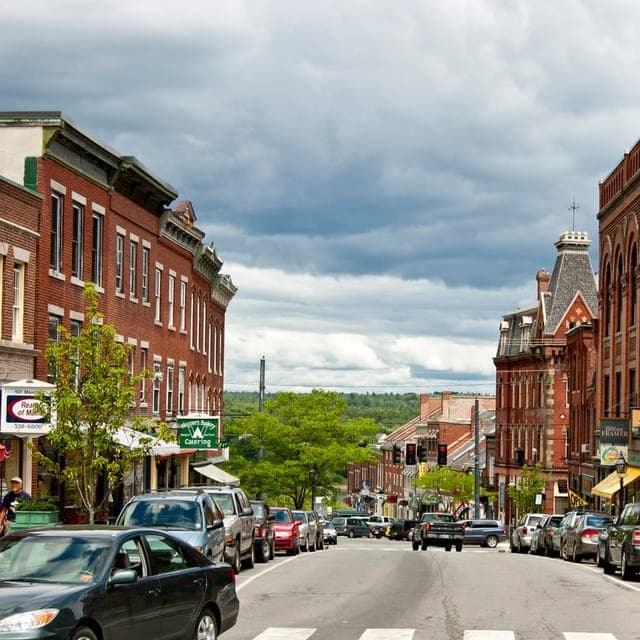
* Values derived from national, state, county, city and local statistics and may differ in a specific area. Last updated: 2026-08-02T00:14:56.000Z
Narrative content on this page is AI-generated and may contain mistakes. Verify any details that matter before acting on them.
ReloMaps may earn a commission from affiliate links at no extra cost to you.

