Photo: Wikipedia
Find The Best Places To Live
in Kittery
PRO TIP! You can paste a Zillow or Redfin link to get info on that property.
What It's Like Living in Kittery, ME
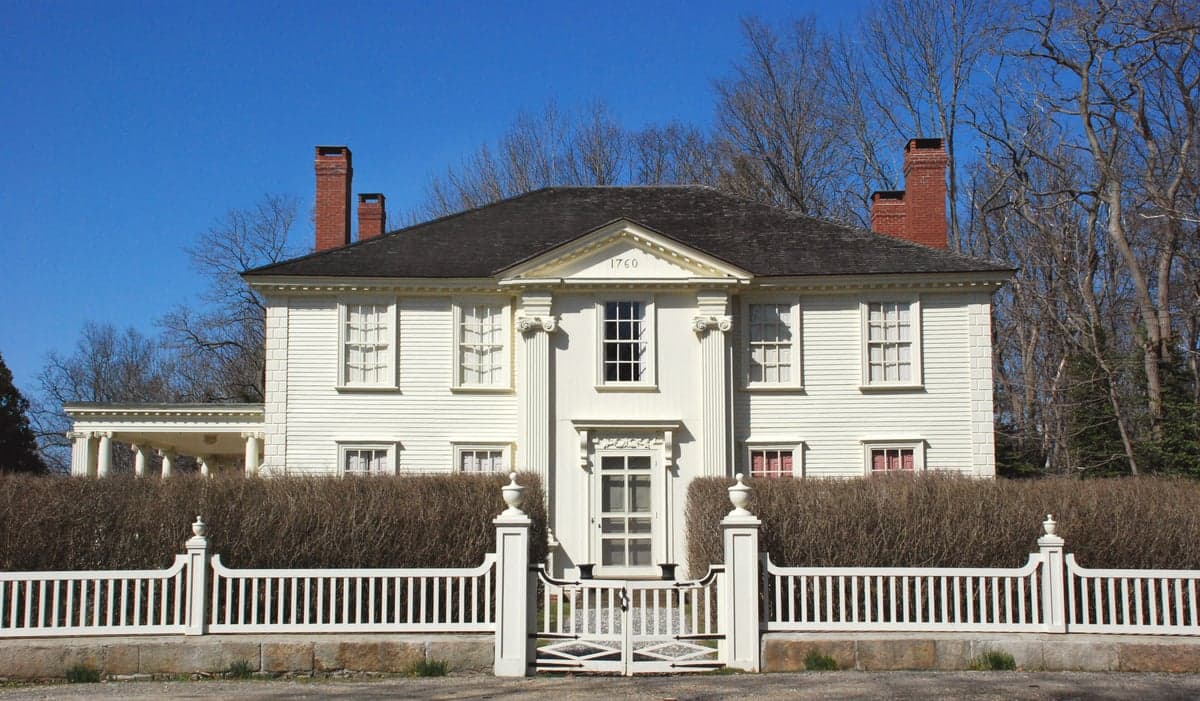
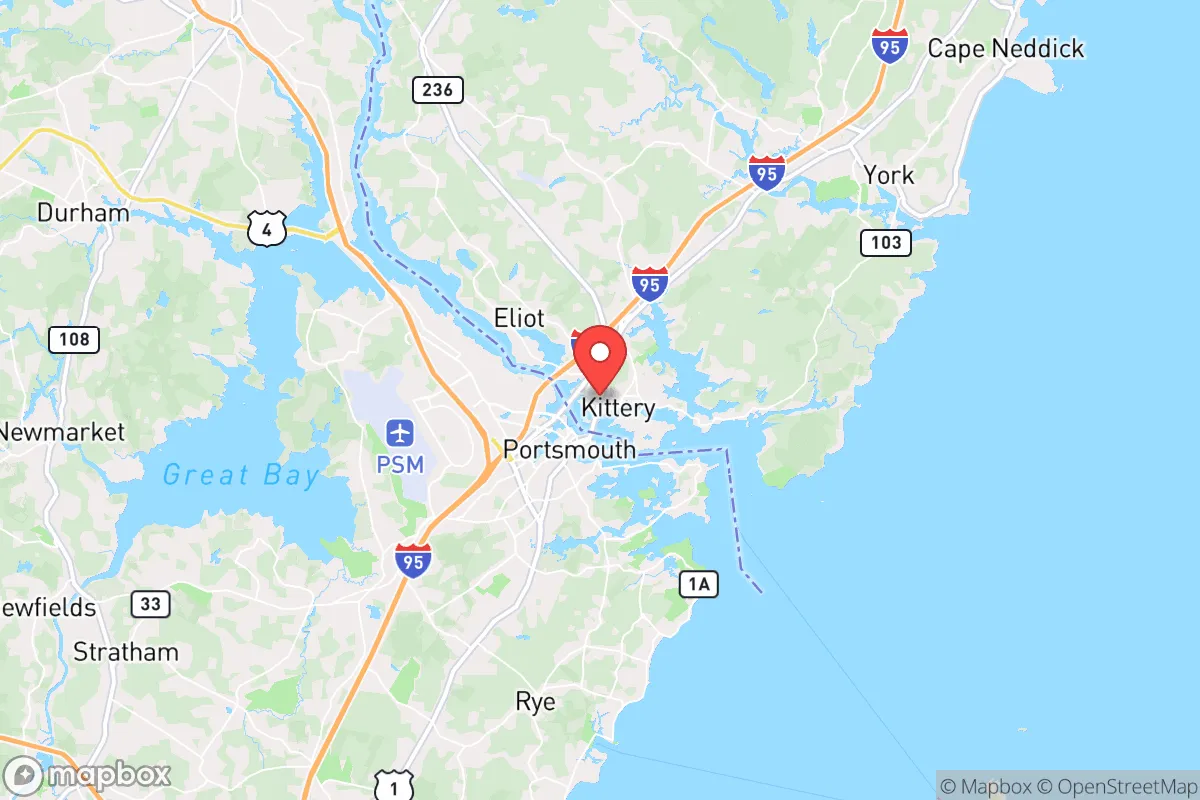
Kittery, Maine, is one of those places that feels like a small town but sits right at the crossroads of two states. With a population just over 5,200, it’s the kind of community where you’ll see the same faces at the post office and the grocery store, yet you can be in downtown Portsmouth, New Hampshire, in under ten minutes. It’s a town that wears its history proudly—first settled in the 1620s, home to the Portsmouth Naval Shipyard—but it’s also a place where people actually live, work, and raise families, not just a tourist stop on the way to the beaches.
The Daily Rhythm: Work, Errands, and Weekend Life
For most residents, the day starts early. The Portsmouth Naval Shipyard is the single largest employer in the area, and a significant chunk of Kittery’s workforce—many in skilled trades, engineering, or civilian defense roles—commutes there. The average commute in town is about 27 minutes, which is longer than you’d expect for a town of 5,000, but that’s because many people drive to jobs in Portsmouth, Dover, or even as far as Portland or Boston a couple days a week. The median income here is $71,574, which tracks closely with the shipyard’s pay scales and the region’s professional services jobs. It’s not a wealthy enclave, but it’s solidly middle-class—people own their homes, drive practical cars, and spend weekends on home improvement projects.
Weekends are a mix of errands and outdoor time. The Kittery Outlets are a regional draw, but locals know to hit them on weekdays or off-season to avoid the crowds. For groceries, it’s Hannaford or the Kittery Trading Post for outdoor gear and camping supplies. The real weekend rhythm, though, is about getting outside. Fort Foster Park is a favorite—a former military fort turned into a beachfront park with tidal pools, picnic spots, and walking trails that overlook the Piscataqua River. In summer, families pack coolers and spend the whole day there. In winter, the same trails get used for snowshoeing and cross-country skiing.
Sports, Community, and the Things That Bring People Together
High school sports are a genuine center of gravity here. Traip Academy, the local public high school, fields teams in football, soccer, basketball, and lacrosse, and the stands are filled with parents, grandparents, and neighbors on game nights. It’s not the kind of place where football games draw thousands, but the community takes pride in its teams, and the rivalry with neighboring York is real. For pro sports, most locals lean toward Boston teams—Red Sox, Patriots, Bruins, Celtics—and you’ll see plenty of hats and jerseys around town. There’s no major sports venue in Kittery itself, but Portsmouth is close enough for minor league hockey (the Seacoast Spartans) and occasional college games at the University of New Hampshire.
The town’s biggest annual event is the Kittery Block Party, held every September on Wallingford Square. It’s a classic small-town affair: live music, food trucks, a beer garden, and booths from local businesses and nonprofits. It’s also the one time of year when the town feels genuinely crowded. Another local tradition is the Kittery Community Market, a farmers’ market that runs from May through October and doubles as a social hub—people come for the produce and stay to chat. For music, the Portsmouth Music Hall is just across the bridge and draws national touring acts, but Kittery itself has a few small venues like The Dance Hall that host local bands and open mic nights.
What’s There to Do: Food, Drink, and the Outdoors
Kittery punches above its weight for food and drink. Anju Noodle Bar is a local institution—a tiny, no-reservations spot that serves some of the best ramen and Korean fried chicken on the Seacoast. Robert’s Maine Grill is the go-to for classic New England seafood (lobster rolls, clam chowder, haddock) in a setting that’s casual but not a tourist trap. For drinks, Kittery’s Tributary Brewing Company is a favorite among locals, with a taproom that feels more like a living room than a bar. Portsmouth Brewery is also a short drive away. The bar scene is low-key—there’s no nightclub district, but places like The Wallingford Dram (a craft cocktail bar) and When Pigs Fly Pizzeria (wood-fired pies and a solid beer list) are where people gather after work or on weekends.
Outdoor life is the main draw. Besides Fort Foster, there’s Gerrish Island for hiking and ocean views, Seapoint Beach for a quieter swim, and the Eastern Trail, a multi-use path that runs from Kittery into South Portland—great for biking or a long walk. The Piscataqua River is also a working waterway, and you’ll see tugboats, fishing boats, and the occasional Navy vessel passing by. Kayaking and paddleboarding are popular in the calmer inlets.
Pros and Cons of Living Here
What locals love: The sense of community is real. People know their neighbors, the schools are small enough that teachers know every student’s name, and the town feels safe—the violent crime rate is 26.5 per 100,000, which is about a quarter of the national average. The location is hard to beat: you’re 10 minutes from Portsmouth’s restaurants and nightlife, 20 minutes from the beaches of York and Ogunquit, and an hour from Boston by train (the Amtrak Downeaster stops in nearby Dover). The cost of living is high—the index is 134 (34% above the national average)—but that’s mostly driven by housing. The median home value is $421,400, which is steep for a town of 5,000, but still cheaper than comparable coastal towns in Massachusetts or southern New Hampshire.
What frustrates residents: The biggest complaint is traffic. Route 1 through Kittery is a nightmare in summer, with outlet shoppers and beach traffic backing up for miles. Locals learn the back roads (Route 103, Wilson Road) but there’s no avoiding it entirely. The other frustration is the lack of diversity in housing stock—most homes are older, and new construction is limited by zoning and available land. Renters in particular struggle, with few apartments and high prices. Winters are long and gray, though that’s true of all coastal Maine. The median age is 43.2, which means the town skews older—young families are here, but it’s not a place with a big singles scene or a lot of nightlife for people in their 20s. 44.8% of adults have a college degree, which is high, and that reflects a population that’s educated, employed, and settled—people move here to stay, not to party.

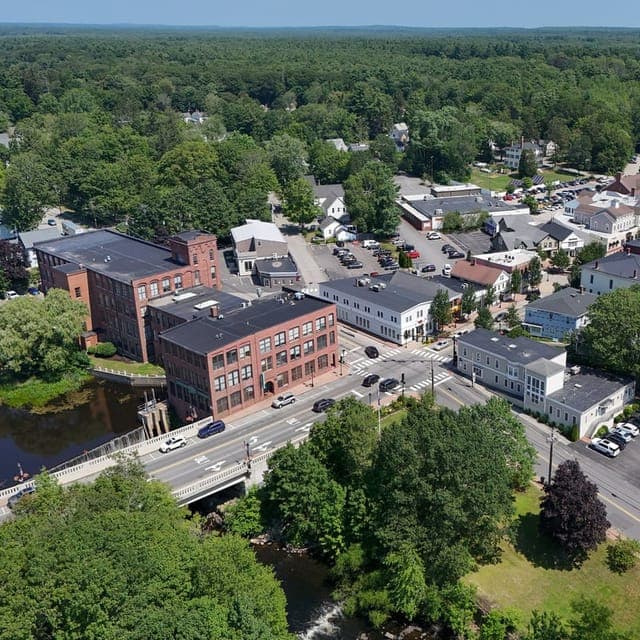
Similar small towns to Kittery
* Values derived from national, state, county, city and local statistics and may differ in a specific area. Last updated: 2026-10-11T02:58:03.000Z
Narrative content on this page is AI-generated and may contain mistakes. Verify any details that matter before acting on them.
ReloMaps may earn a commission from affiliate links at no extra cost to you.

