Photo: Wikipedia
Find The Best Places To Live
in West Virginia
PRO TIP! You can paste a Zillow or Redfin link to get info on that property.
Best Places to Live in West Virginia
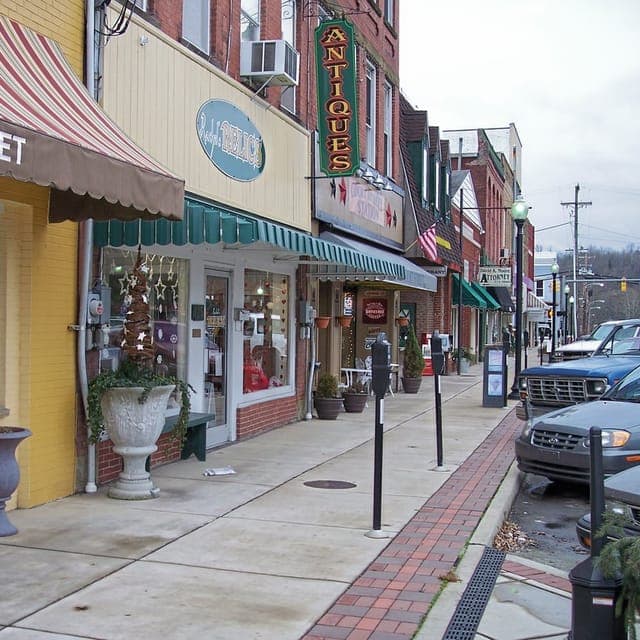
Cities in West Virginia
Largest Cities in West Virginia
What It's Like Living in West Virginia
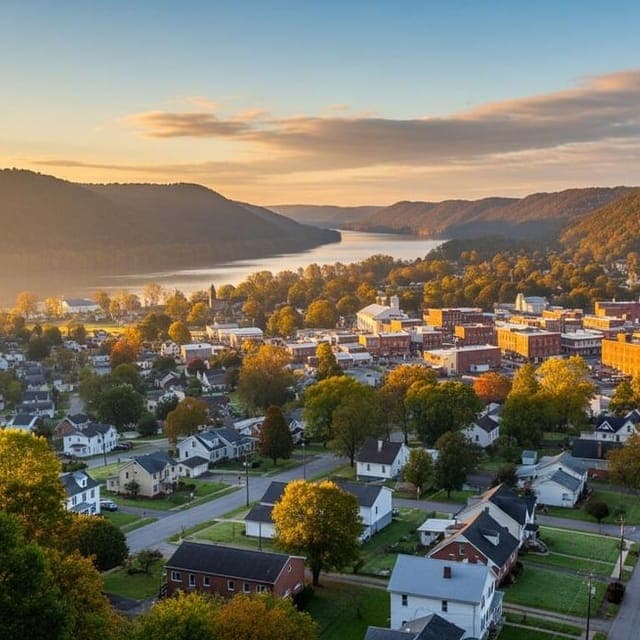
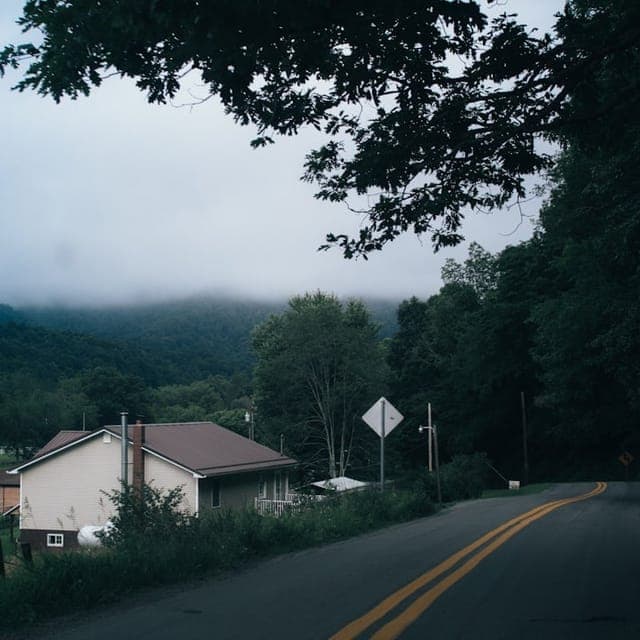
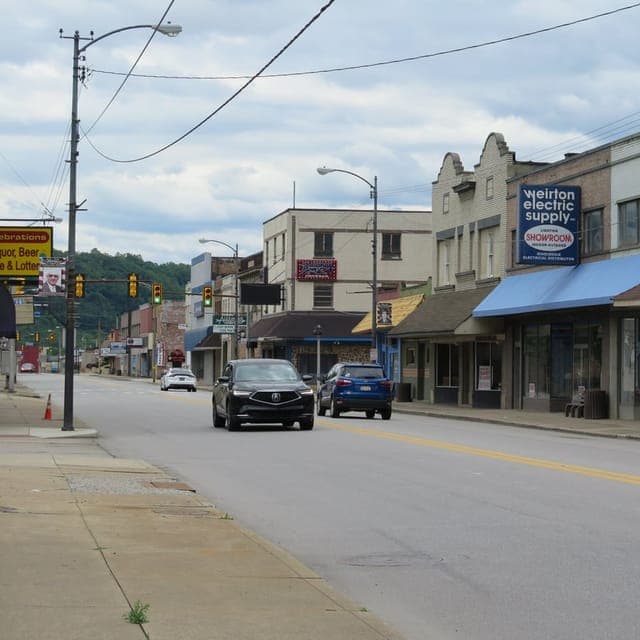
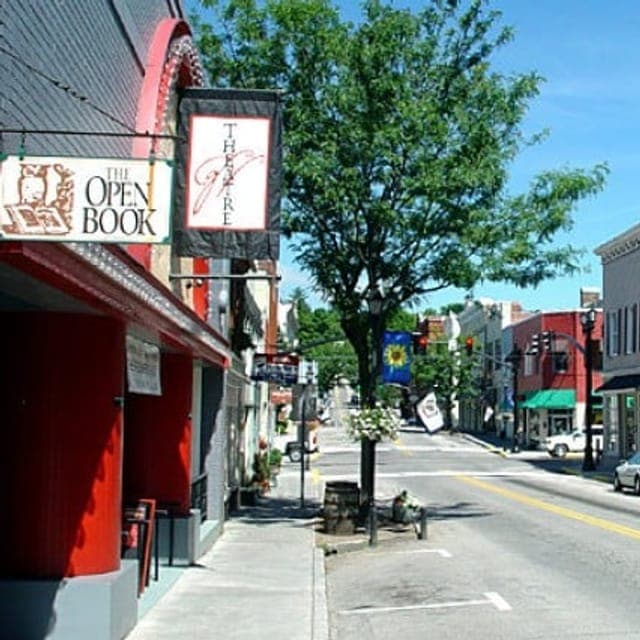
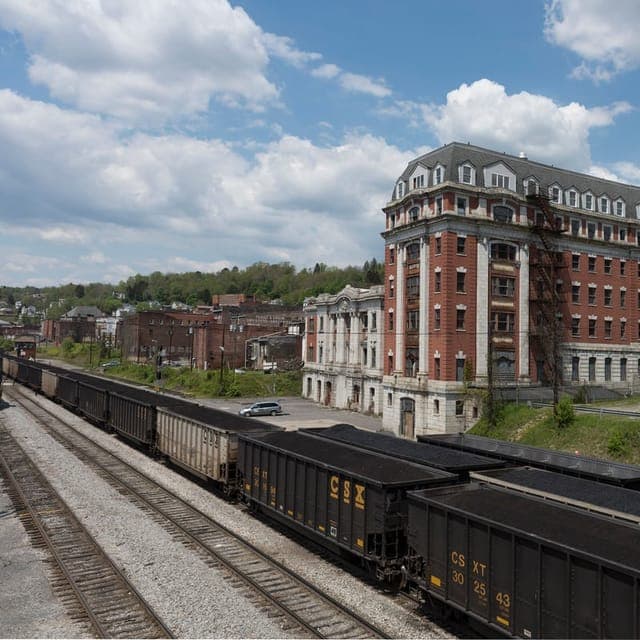
Living in West Virginia feels like stepping into a world where the mountains dictate the pace, and people have learned to move with them rather than against them. It’s a state of stark contrasts—the college-town energy of Morgantown, the historic riverfront of Wheeling, the quiet hollows of McDowell County—all bound by a shared sense of place that’s hard to find elsewhere. For the right person, it offers a life that’s slower, cheaper, and more connected to the land, but it also demands a tolerance for isolation and a willingness to drive for things other states take for granted.
Daily Rhythm: From Morgantown’s Hustle to the Hollows’ Quiet
What you do on a Tuesday night depends heavily on where you are. In Morgantown, home to West Virginia University, the rhythm is driven by the academic calendar—students pack the bars on High Street, and the smell of pepperoni rolls (the state’s unofficial food) drifts from shops like Colasessano’s. A 30-minute drive south to Fairmont changes the scene entirely: families gather at Tygart Lake for evening fishing, and the local Walmart is the social hub. In the southern coalfields, like Beckley or Logan, life revolves around church suppers, high school football, and the occasional trip to the nearest grocery store, which might be 20 minutes away. The average commute of 26.6 minutes is manageable, but that number hides the reality that many residents drive winding two-lane roads to get there—a 20-mile trip can take 40 minutes in the mountains.
Weekends are for the outdoors, no matter where you live. The New River Gorge, now a national park, draws whitewater rafters and hikers from across the region, while locals in Fayetteville grab coffee at The Cathedral Cafe before hitting the trails. In the eastern panhandle, Harpers Ferry offers a mix of history and Appalachian Trail access, but it’s also become a bedroom community for commuters willing to drive 90 minutes to Washington, D.C. That kind of trade-off—scenery for convenience—is a constant theme in West Virginia life.
Sports & Community: Friday Night Lights and Mountaineer Mania
West Virginia is a state that lives and dies with its college sports. WVU Mountaineers football is a religion, and on fall Saturdays, Morgantown’s Milan Puskar Stadium fills with 60,000 fans who treat the game as a week-long event. Tailgating starts at dawn, and the “Country Roads” singalong after a win is a genuine emotional release. High school football is nearly as intense in towns like Martinsburg and Bridgeport, where Friday-night games are the weekly social gathering. Basketball has a following too, especially in Huntington, where Marshall University’s Thundering Herd commands fierce loyalty—the 1970 plane crash that decimated the team is still a defining part of the city’s identity. There are no major professional sports teams in the state, so college athletics fill that void completely.
Beyond sports, community ties are built through festivals and local traditions. The West Virginia State Fair in Lewisburg draws crowds for carnival rides and livestock shows, while Mountain Stage, a live radio show recorded in Charleston, brings folk and Americana acts to a devoted audience. In the northern panhandle, Wheeling’s Oglebay Park hosts a massive holiday light display that families have visited for generations. These events matter more here than in bigger states—they’re the threads that hold scattered communities together.
What’s There to Do: Outdoor Play and Honest Trade-Offs
The biggest draw is the landscape. West Virginia has some of the best hiking, biking, and whitewater paddling east of the Mississippi. Snowshoe Mountain is a legitimate ski destination for the mid-Atlantic, and the Greenbrier River Trail offers 78 miles of rail-trail through remote scenery. But the trade-off is that nightlife and cultural amenities are thin outside of Morgantown and Charleston. A concert tour that hits Pittsburgh or Columbus will skip West Virginia entirely, meaning residents drive 2–3 hours for big shows. Dining is improving—Charleston’s Bridge Road Bistro and Morgantown’s Table 9 offer farm-to-table fare—but chain restaurants still dominate in smaller towns. The cost of living index sits at 66, far below the national average, which means a median home value of $155,600 can buy a solid three-bedroom house in most areas. That affordability is the state’s strongest selling point, especially for remote workers or retirees on fixed incomes.
Pros and Cons of Living Here: What Locals Will Tell You
- Pro: Genuine community. Neighbors help neighbors. In a snowstorm, someone with a plow truck clears your driveway without being asked. Church networks and volunteer fire departments are the backbone of rural areas.
- Con: Limited job market. The median household income is $57,917, and only 23.3% of adults hold a bachelor’s degree. Good jobs are concentrated in healthcare, education, and energy—tech and professional services are scarce outside of remote work.
- Pro: Unbeatable outdoor access. You’re never more than 30 minutes from a state park, national forest, or river access. Hunting, fishing, and camping are woven into daily life.
- Con: Health and infrastructure struggles. The state has high rates of opioid addiction and obesity, and rural hospitals have closed or cut services. The violent crime rate of 227.7 per 100,000 is below the national average, but property crime can be an issue in isolated areas.
- Pro: Four real seasons. Summers are humid and green, autumns are spectacular, winters bring snow in the mountains, and springs are muddy but beautiful. The weather gives structure to the year.
- Con: Brain drain. Many young people leave for college and don’t come back. The median age of 42.7 reflects an aging population, and towns like Bluefield and Clarksburg have struggled to keep their downtowns alive.
West Virginia isn’t for everyone. It’s for people who value space over convenience, who don’t mind a long drive to a good job or a concert, and who find meaning in knowing their neighbors. The state has real problems—addiction, poverty, a shrinking tax base—but it also offers a kind of rootedness that’s increasingly rare. If you’re looking for a place where you can own a home on a modest salary, hike on a weekday afternoon, and feel like you belong, it’s worth a serious look. Just be ready to drive over a few mountains to get there.

* Values derived from national, state, county, city and local statistics and may differ in a specific area. Last updated: 2026-07-03T16:27:19.000Z
Narrative content on this page is AI-generated and may contain mistakes. Verify any details that matter before acting on them.
ReloMaps may earn a commission from affiliate links at no extra cost to you.

