 Popular
Find The Best Places To Live
in Harpers Ferry
PRO TIP! You can paste a Zillow or Redfin link to get info on that property.
What It's Like Living in Harpers Ferry, WV
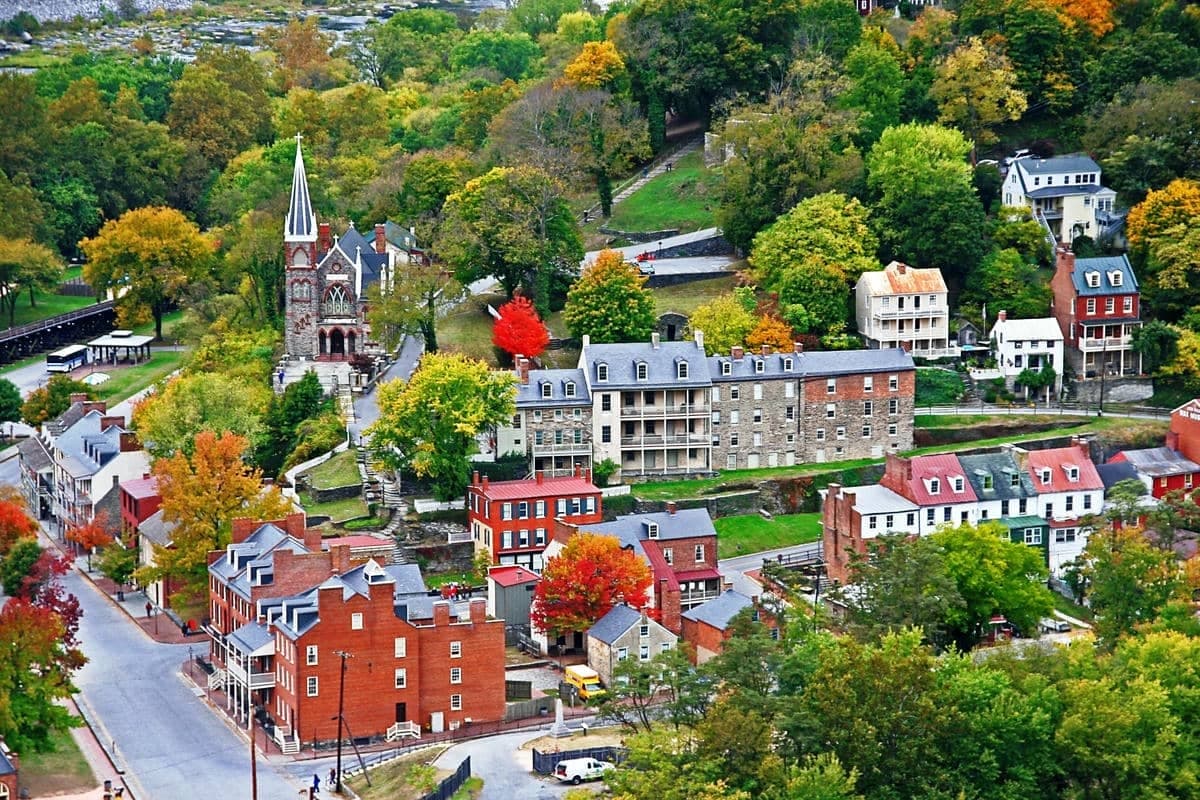
Harpers Ferry, West Virginia, is a town that feels more like a living museum than a modern suburb, but with a real pulse of daily life running through it. With a population hovering around 342, it’s a tiny, tight-knit community where the streets are cobblestone, the history is thick, and the pace is deliberately slow. Living here means trading convenience for character, and it attracts a specific kind of person: someone who values solitude, scenery, and a deep sense of place over strip malls and nightlife.
Daily Rhythm in a Historic Town
Life in Harpers Ferry revolves around the seasons and the tourists. The town is essentially a National Historical Park, so your neighbors are as likely to be park rangers as they are retirees or remote workers. The median age here is 54.5, which reflects a population that’s either winding down from a career or has the flexibility to work from home. The median household income of $111,600 is surprisingly high for West Virginia, largely because the cost of living index sits at 155 (well above the US average of 100), driven by historic home prices and limited inventory. A typical home runs around $430,800, which buys you a 19th-century rowhouse or a small cottage with a view of the Potomac.
Weekday mornings are quiet. You’ll see people walking dogs along the C&O Canal towpath or grabbing coffee at the small café near the train station. The average commute is about 27 minutes, which is manageable, though many residents drive to jobs in Charles Town, Frederick, or even the Washington D.C. metro area. The town’s biggest employer is the National Park Service, followed by tourism-related businesses like bed-and-breakfasts and outfitters. There’s no grocery store in town—residents drive to Charles Town or across the river to Maryland for errands. That’s a common frustration: you can’t just pop out for milk without a 15-minute drive.
Sports, Community, and What People Actually Do
Harpers Ferry doesn’t have its own high school; kids attend Jefferson High School in nearby Shenandoah Junction, where Friday night football is a genuine community event. The Cougars are the local team, and games draw families from across the county. College sports are a bigger deal here than pro teams, with West Virginia University Mountaineers football and basketball dominating conversations in the fall and winter. You’ll see WVU flags on porches and bumper stickers on cars. There’s no major sports venue in town, but the local bar—The Rabbit Hole—will have games on TV, and it’s a reliable spot for a beer and a burger after a hike.
Outdoor life is the main event. Residents spend weekends on the Appalachian Trail (which runs right through town), kayaking the Shenandoah or Potomac rivers, or biking the C&O Canal towpath. The town’s biggest annual draw is the Harpers Ferry Mountain Heritage Festival in September, which features craft vendors, live bluegrass, and a parade. It’s a low-key, family-friendly affair—nothing flashy, but it’s the highlight of the social calendar. For music, you’re driving to Shepherdstown (15 minutes away) for the Shepherdstown Opera House or to Charles Town for the Hollywood Casino’s event center. There’s no proper music venue in Harpers Ferry itself.
Pros and Cons of Living in a 342-Person Town
Let’s be honest about what works and what doesn’t. The pros are obvious: stunning natural beauty, a walkable historic district, and a low violent crime rate of 229.7 per 100,000 (which is below the national average). The sense of community is real—neighbors know each other, and there’s a shared pride in preserving the town’s character. The cons are equally real: limited shopping and dining, a high cost of living for the region, and a tourist influx on weekends that can make the main street feel like a theme park. Parking is a nightmare during peak season, and many locals avoid the lower town entirely on Saturdays in October.
Another quirk: the town’s demographics skew older and highly educated. 60.9% of residents hold a college degree, which is unusually high for rural West Virginia. That creates a certain intellectual atmosphere—book clubs, historical society meetings, and a lot of conversations about preservation policy. It’s not a place for young singles looking for a dating scene or nightlife. It’s best suited for families who value outdoor education and history, or for empty-nesters who want a quiet, beautiful home base with access to D.C. (about 90 minutes away by car or train).
Weather here is four-season: hot, humid summers; crisp, colorful autumns; cold winters with occasional snow that can shut down the steep, narrow roads; and a muddy, unpredictable spring. The Potomac and Shenandoah rivers flood occasionally, and anyone buying a home near the water checks flood insurance first. The local school system, Jefferson County Schools, is a mixed bag—some schools are well-regarded, but the district faces funding challenges common to rural West Virginia. Schools are a central part of community life, with PTA meetings and sports events serving as social hubs.
If you’re considering a move here, the key question is whether you’re okay with driving 20 minutes for a gallon of milk and sharing your backyard with 500,000 tourists a year. For the right person—someone who values history, quiet, and the outdoors over convenience and nightlife—Harpers Ferry is a singular place to call home. For everyone else, it’s a great place to visit.

Similar small towns to Harpers Ferry
* Values derived from national, state, county, city and local statistics and may differ in a specific area. Last updated: 2026-07-21T20:00:45.000Z
Narrative content on this page is AI-generated and may contain mistakes. Verify any details that matter before acting on them.
ReloMaps may earn a commission from affiliate links at no extra cost to you.

