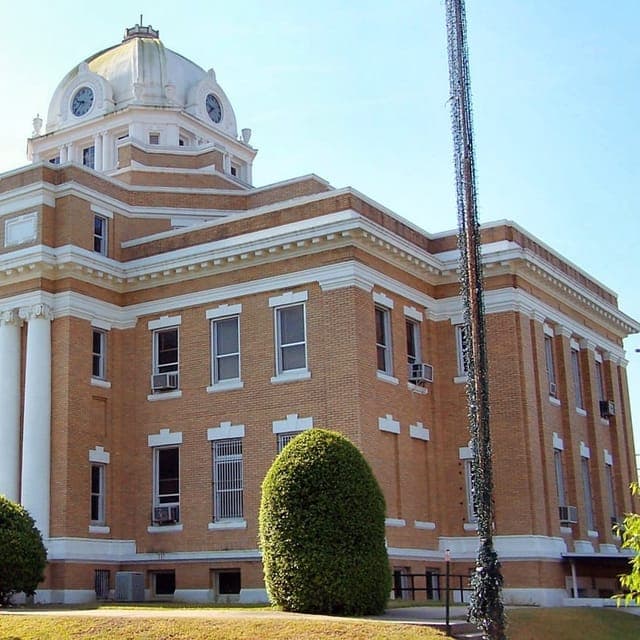
Photo: Wikipedia
Find The Best Places To Live
in Louisiana
PRO TIP! You can paste a Zillow or Redfin link to get info on that property.
Best Places to Live in Louisiana




Cities in Louisiana
Largest Cities in Louisiana
What It's Like Living in Louisiana
Living in Louisiana means trading a fast-paced, cookie-cutter life for something richer, messier, and deeply rooted in tradition. The state has a population of roughly 4.6 million, but it feels like a collection of distinct small towns and regional hubs rather than one monolithic place. Whether you’re drawn to the historic, music-soaked streets of New Orleans, the family-friendly suburbs of Baton Rouge, or the quiet bayou life in towns like Houma or Lafayette, the rhythm here is dictated by food, family, and the weather.
Daily Rhythm: Crawfish, Commutes, and Community
Daily life in Louisiana revolves around the kitchen table and the front porch. In cities like Lafayette, weekends are spent boiling crawfish in the backyard, while in Shreveport, Friday nights mean high school football under the lights. The average commute is about 26 minutes, which is manageable even in the more congested areas like Baton Rouge, where traffic on I-10 can test your patience. The cost of living index sits at 83, well below the national average, so your dollar stretches further here than in most of the country. A median home value of $208,700 means a young family can buy a solid three-bedroom house in a place like Mandeville or Covington without being house-poor. That said, the median household income is $60,023, so while housing is affordable, wages can lag behind in certain sectors.
The kind of person who fits in here values connection over convenience. You’ll find a mix of blue-collar workers in the petrochemical plants along the Mississippi River, university professors in Baton Rouge, and retirees enjoying the slow pace of towns like Natchitoches. It’s a place where people still wave at neighbors and stop to chat at the grocery store. If you’re looking for a 24-hour city that never sleeps, New Orleans is the exception, not the rule. Most of the state winds down early, and Sunday mornings are for church or a long breakfast at a local diner.
Sports & Community: From Friday Night Lights to the Superdome
Sports are the closest thing Louisiana has to a state religion. The LSU Tigers in Baton Rouge are a cultural force—on game days, the city swells with purple and gold, and tailgating is an all-day affair. High school football is just as intense in smaller towns like Many or West Monroe, where the entire community packs the stands on Friday nights. In New Orleans, the Saints are a unifying presence, and the Superdome is hallowed ground. The Pelicans (NBA) also draw a loyal crowd, but the real energy is around college and high school ball. If you don’t care about sports, you’ll still find yourself at a watch party just to be part of the social fabric.
Beyond the stadiums, community ties are strong. Festivals are a way of life—the New Orleans Jazz & Heritage Festival, the Breaux Bridge Crawfish Festival, and the Louisiana Seafood Festival in Metairie draw crowds that feel like extended family. Parishes (what other states call counties) host fairs, rodeos, and crawfish boils that double as reunions. It’s not uncommon to see three generations at the same event.
What’s There to Do: Music, Outdoors, and a Plate of Gumbo
Louisiana’s entertainment is deeply tied to its geography. The Atchafalaya Basin offers world-class fishing and kayaking, while the piney woods of the Kisatchie National Forest near Alexandria provide hiking and camping. In New Orleans, you can catch live brass bands on Frenchmen Street or eat a po’boy at a century-old spot like Domilise’s. In Lafayette, the music scene is pure Cajun and Zydeco—dance halls like Randol’s or Mulate’s keep the accordion and fiddle alive. The food is a draw on its own: boudin from a gas station in Scott, beignets at Café du Monde, and a plate of red beans and rice on a Monday in any local diner.
For families, the Louisiana Children’s Museum in New Orleans and the Sci-Port Discovery Center in Shreveport are popular weekend outings. The state’s many plantations, like Oak Alley and Laura, offer a sobering look at history. And then there’s Mardi Gras—not just in New Orleans, but in smaller towns like Houma and Lafayette, where the parades are more family-friendly and less crowded. The weather is humid and hot from May through September, so most outdoor activities happen in the morning or evening. Hurricanes are a real concern from June to November, and locals take them seriously—stocking up on supplies and knowing their evacuation zone.
Pros and Cons of Living Here
Longtime residents love the sense of place and the slower pace. You can own a home, raise a family, and still afford to eat out regularly. The culture is warm, the music is everywhere, and the food is unmatched. But the trade-offs are real. The violent crime rate is 361.5 per 100,000, which is above the national average, and that’s concentrated in certain urban neighborhoods—especially in Baton Rouge and New Orleans. The public school system struggles in many parishes, so families often factor in private school tuition or move to suburbs like Zachary or Slidell for better options. The heat and humidity can be draining, and hurricane season brings anxiety every year. Only 26.6% of adults hold a college degree, which reflects the state’s industrial and agricultural economic base. If you work in oil and gas, healthcare, or education, you’ll find opportunities. If you’re in tech or finance, you may need to look harder or work remotely.
Ultimately, Louisiana is a place that asks you to slow down and invest in relationships. It’s not for everyone—but for the people who call it home, there’s nowhere else quite like it.

* Values derived from national, state, county, city and local statistics and may differ in a specific area. Last updated: 2026-07-04T01:47:37.000Z
Narrative content on this page is AI-generated and may contain mistakes. Verify any details that matter before acting on them.
ReloMaps may earn a commission from affiliate links at no extra cost to you.

