Photo: Wikipedia
Political ClimatePolitical Climate in Louisiana
Political Environment in the State
Louisiana has long been a reliably Republican state at the federal level, but with a unique, deeply rooted Democratic tradition at the local and state level that makes its politics more nuanced than a simple red-state label. Over the past 20 years, the state has shifted from a competitive, often Democratic-leaning swing state to a solidly Republican one, driven by the realignment of white, rural, and working-class voters. In 2024, Donald Trump carried Louisiana by over 20 points, a margin that has grown steadily since 2008, when Barack Obama lost the state by only 3 points. However, the state’s political reality is not a monolith—it’s a patchwork of Cajun country, New Orleans liberalism, and Bible Belt conservatism, where a single family’s experience can vary dramatically depending on which parish they land in.
Urban vs. rural divide
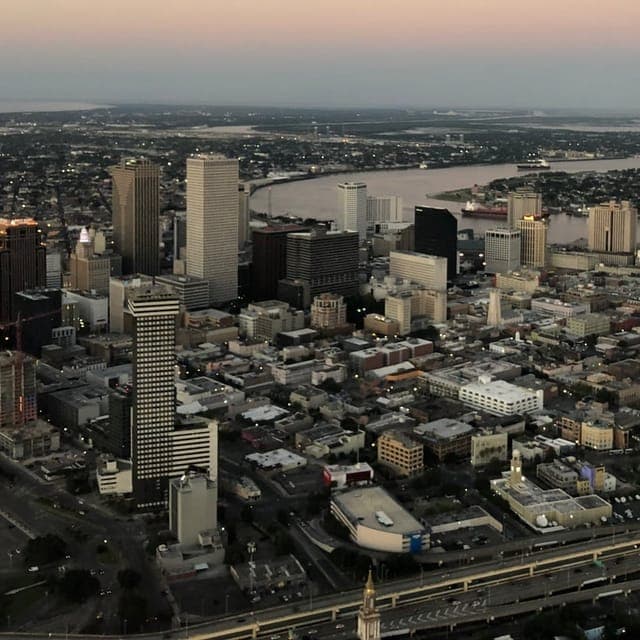
The political map of Louisiana is a textbook case of the urban-rural divide. The city of New Orleans and its surrounding suburbs in Jefferson Parish are the state’s most reliably Democratic stronghold, with Orleans Parish voting over 80% for Joe Biden in 2020. Baton Rouge, the state capital, is a more moderate Democratic area, though its suburban and exurban parishes like Livingston and Ascension are deeply Republican. The state’s other major metro, Shreveport in Caddo Parish, leans Democratic but is surrounded by deep-red rural parishes. The Acadiana region, centered around Lafayette, is a fascinating mix—historically Democratic but culturally conservative, it has flipped hard to the GOP over the last two decades. Meanwhile, the Florida Parishes (north of Lake Pontchartrain) and the rural parishes of north Louisiana, like Ouachita (Monroe) and Bossier (Bossier City), are among the most Republican areas in the state. The key takeaway: if you move to a suburb like Mandeville or a small town like Ruston, you’ll find a heavily conservative environment; if you settle in New Orleans or central Baton Rouge, you’ll experience a more liberal, diverse political culture.
Policy environment
Louisiana’s policy environment is broadly conservative, but with some notable exceptions that reflect its unique history. The state has no state income tax on corporate income and a flat 4.25% personal income tax rate, which was reduced from a progressive structure in recent years. Sales taxes are high, averaging over 9.5% statewide, with local parishes adding their own levies. Property taxes are relatively low, which is a draw for homeowners. The state is a “right-to-work” state and has a strong tort reform environment, with caps on damages in civil lawsuits. On education, Louisiana has a robust school choice program, including the Louisiana Scholarship Program and a growing charter school sector, particularly in New Orleans, which has one of the highest rates of charter school enrollment in the nation. Healthcare policy is more mixed: the state expanded Medicaid under the Affordable Care Act in 2016, a decision made by a Democratic governor, but abortion is now banned with few exceptions following the 2022 Dobbs decision, with a trigger law that took effect immediately. Election laws are moderately restrictive: voter ID is required, and early voting is available for 7 days, but the state does not have no-excuse absentee voting. Overall, the policy mix is friendly to business and conservative on social issues, but with a pragmatic streak on healthcare and education that surprises some newcomers.
Recent policy direction
In the last few years, Louisiana has moved decisively to the right on a range of issues. In 2024, the state passed a law requiring the Ten Commandments to be displayed in all public school classrooms, a move that is being challenged in court but signals the legislature’s willingness to push the envelope on religious liberty. On gun rights, Louisiana is a permitless carry state (since 2021) and has a strong “stand your ground” law. Parental rights in education were strengthened with a 2023 law requiring schools to notify parents of any changes to a student’s mental or physical health, effectively limiting LGBTQ+ discussions in classrooms. On speech and privacy, the state has not passed any major surveillance or data privacy laws, but it has a strong public records law that makes government transparency a priority. Medical and bodily autonomy is heavily restricted: abortion is banned, and the state has a strict law against gender-affirming care for minors, passed in 2023. Property rights are generally strong, with no statewide rent control and a favorable environment for landlords. On voting, the state has not expanded mail-in voting and has tightened voter roll maintenance, but it has not passed the kind of restrictive laws seen in states like Georgia or Texas. The overall direction is clear: Louisiana is becoming more conservative on cultural and social issues, while maintaining a business-friendly tax and regulatory climate.
Civil unrest & political movements
Louisiana has a history of political activism that is both passionate and localized. The most visible recent flashpoint was the 2016 Baton Rouge protests following the shooting of Alton Sterling, which drew national attention and led to a significant police presence and clashes with demonstrators. More recently, the state has seen organized opposition to abortion bans, with groups like Louisiana Right to Life and the Louisiana Abortion Fund active in the state. Immigration politics are less heated than in border states, but there is a vocal anti-immigrant movement, particularly in rural areas, and the state has passed laws requiring local law enforcement to cooperate with federal immigration authorities. There is no significant sanctuary city movement in Louisiana; New Orleans has a “welcoming city” policy but does not formally limit cooperation with ICE. Secession and nullification rhetoric is present but fringe, mostly confined to a small number of far-right activists. Election integrity controversies have been minimal compared to states like Arizona or Georgia, though the 2020 election did see some local disputes over absentee ballot processing in Orleans Parish. For a new resident, the most visible political movement is likely to be the strong, organized conservative presence in suburban and rural areas, with active Republican parish committees and a robust network of churches involved in politics.
Projection
Over the next 5-10 years, Louisiana is likely to become even more Republican, but with a growing urban-rural divide that could create more internal tension. The state’s population is slowly declining, with out-migration to Texas and Florida, and the demographic trends favor the GOP: the white, rural, and older population that votes Republican is shrinking more slowly than the younger, more diverse population that leans Democratic. However, New Orleans and Baton Rouge are likely to remain Democratic strongholds, and the suburbs around them may become more competitive as younger families move in. The state’s economy, heavily dependent on oil and gas, could shift with the energy transition, potentially affecting the political calculus in places like Lafayette and Houma. In-migration is modest, but the state is attracting some retirees and remote workers drawn to low property taxes and a low cost of living. A new resident moving in now should expect a state that is solidly conservative on most issues, but with a vibrant, if shrinking, liberal minority in the cities. The political climate will remain stable, but the cultural battles over education, religion, and healthcare will continue to intensify.
For a new resident, the bottom line is that Louisiana offers a deeply conservative political environment in most of the state, with low taxes, strong gun rights, and a business-friendly regulatory climate. If you’re a conservative family, you’ll find a welcoming culture in suburbs like Mandeville, Lafayette, or Bossier City, with strong schools and active churches. If you’re a liberal individual, you’ll find a more comfortable fit in New Orleans or central Baton Rouge, but you’ll be living in a state where your political views are in the minority and where state policy will often be at odds with your values. The state’s political reality is not subtle—it’s a place where your zip code determines not just your school district, but your entire political experience.

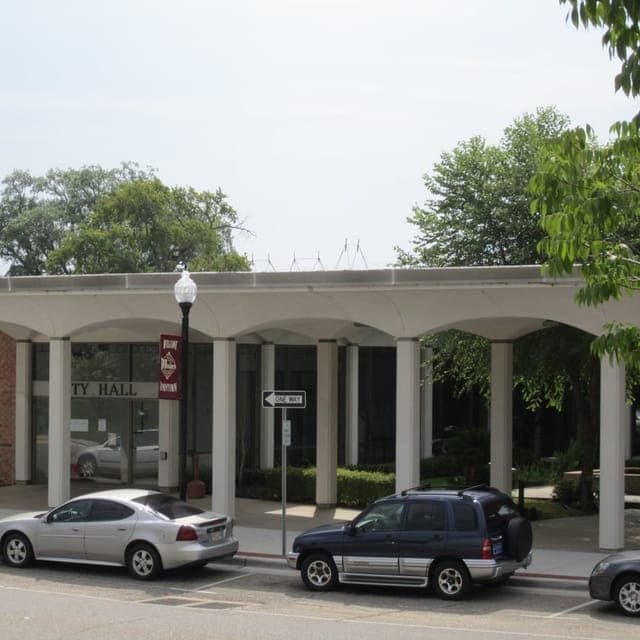
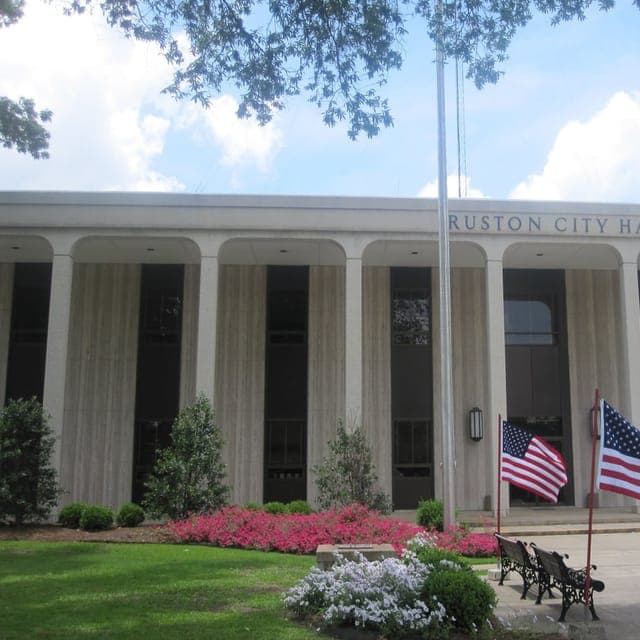
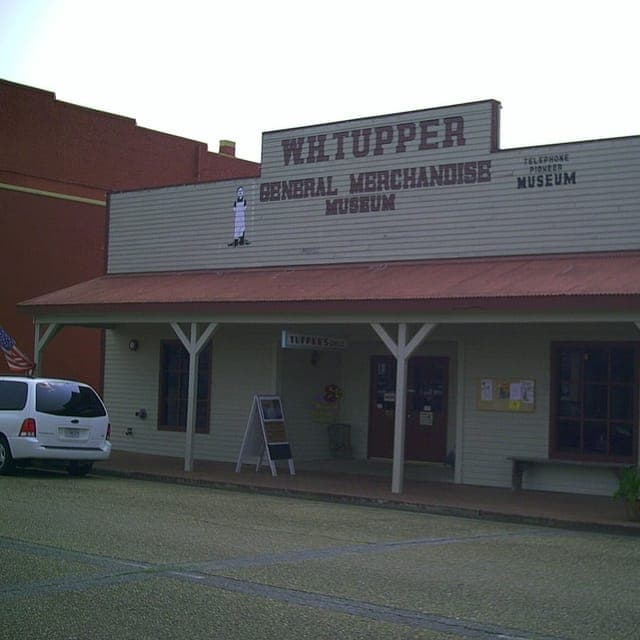
Most Conservative Cities in Louisiana
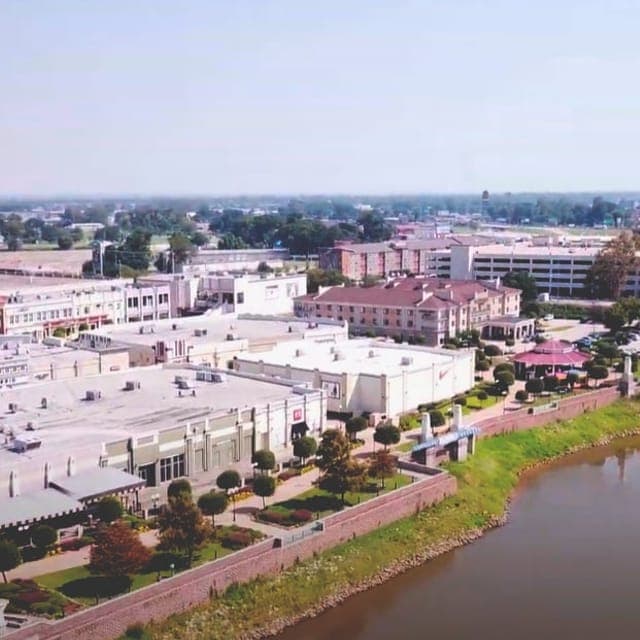
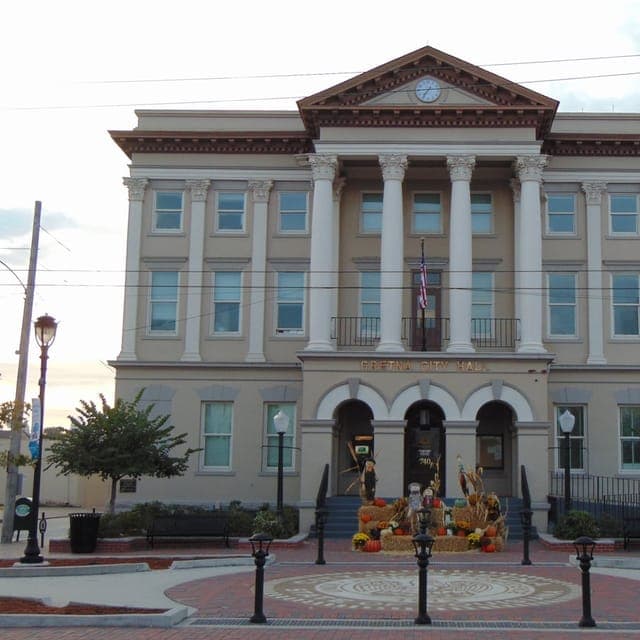
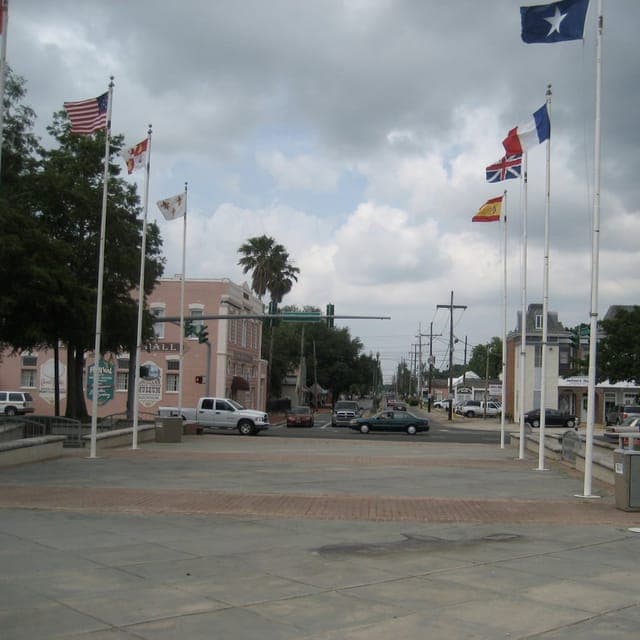
Most Liberal Cities in Louisiana

* Values derived from national, state, county, city and local statistics and may differ in a specific area. Last updated: 2026-07-04T01:47:37.000Z
Narrative content on this page is AI-generated and may contain mistakes. Verify any details that matter before acting on them.
ReloMaps may earn a commission from affiliate links at no extra cost to you.

