
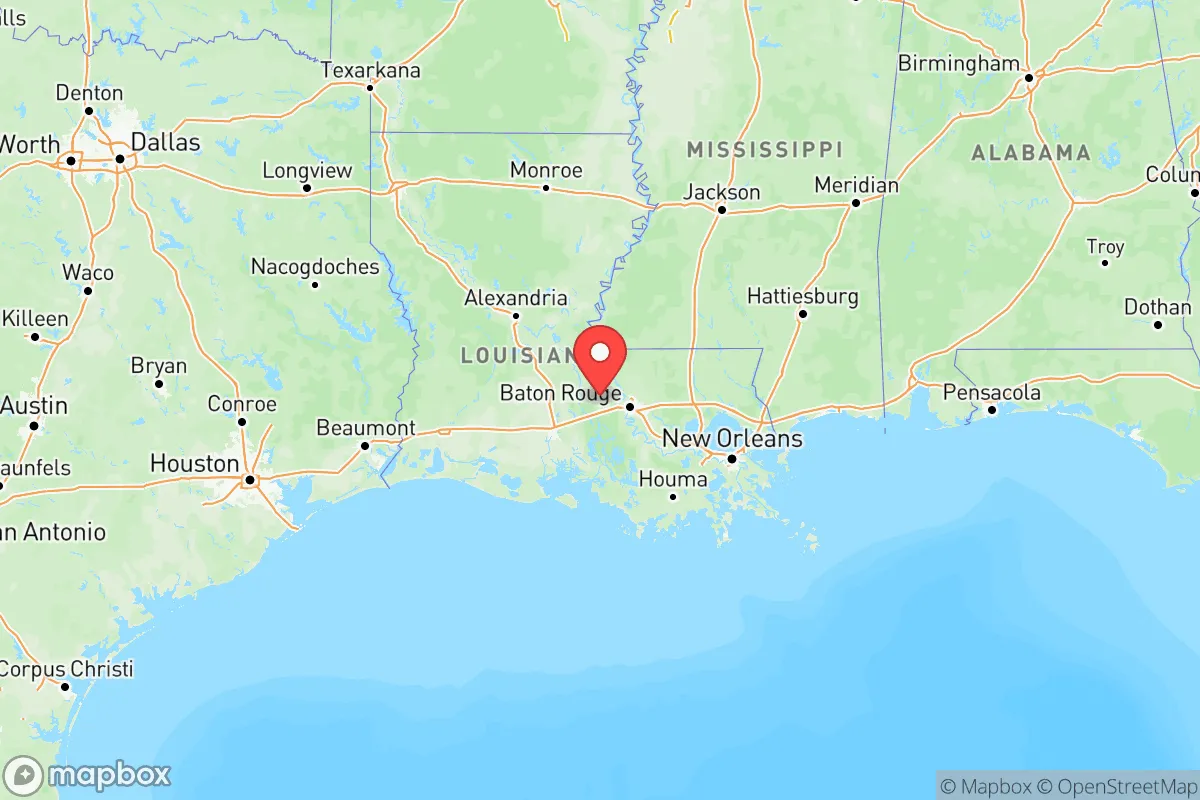
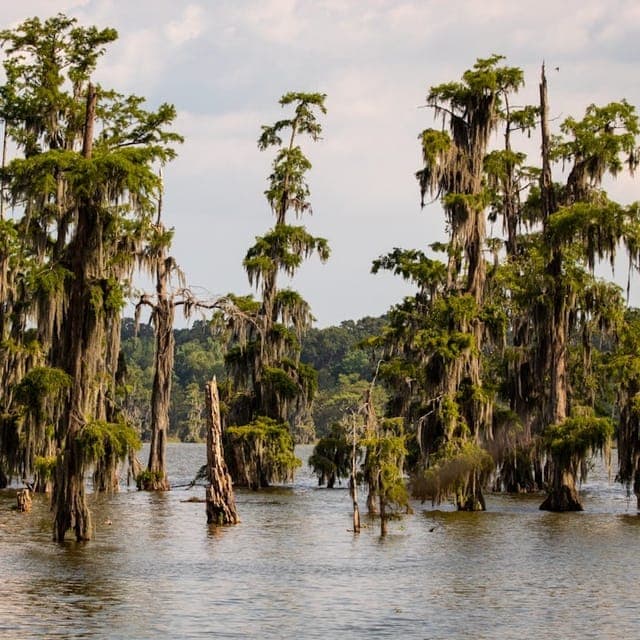
Photo: Wikipedia
Strategic Assessment of Louisiana
Workable tactical position. Some exposure to population density or targets, but generally defensible in a crisis.
What does the Strategic Assessment tell us?
Our Strategic Assessment grades tactical survivability of an area. Major population centers, military targets, fallout zones, natural disasters, and border exposure all drive risk — lower exposure means a more defensible position in a crisis.
This is heavily inspired by Joel Skousen's Strategic Relocation book. Highly recommended you checkout the book ($)What does this tell us?
Our Strategic Assessment grades tactical survivability of an area. Major population centers, military targets, fallout zones, natural disasters, and border exposure all drive risk — lower exposure means a more defensible position in a crisis.
This is heavily inspired by Joel Skousen's Strategic Relocation book. Highly recommended you checkout the book ($)Regional Safe Places
Below is our recommended "safe zones" in Louisiana and the surrounding area based on our strategic heuristics. For most people, it's unrealistic to live in a “safe zone” full-time due to work, family or other personal reasons. They tend to be more rural. However, many of these areas are perfect for second homes and retreat properties that double as a vacation home or even a short-term rental.

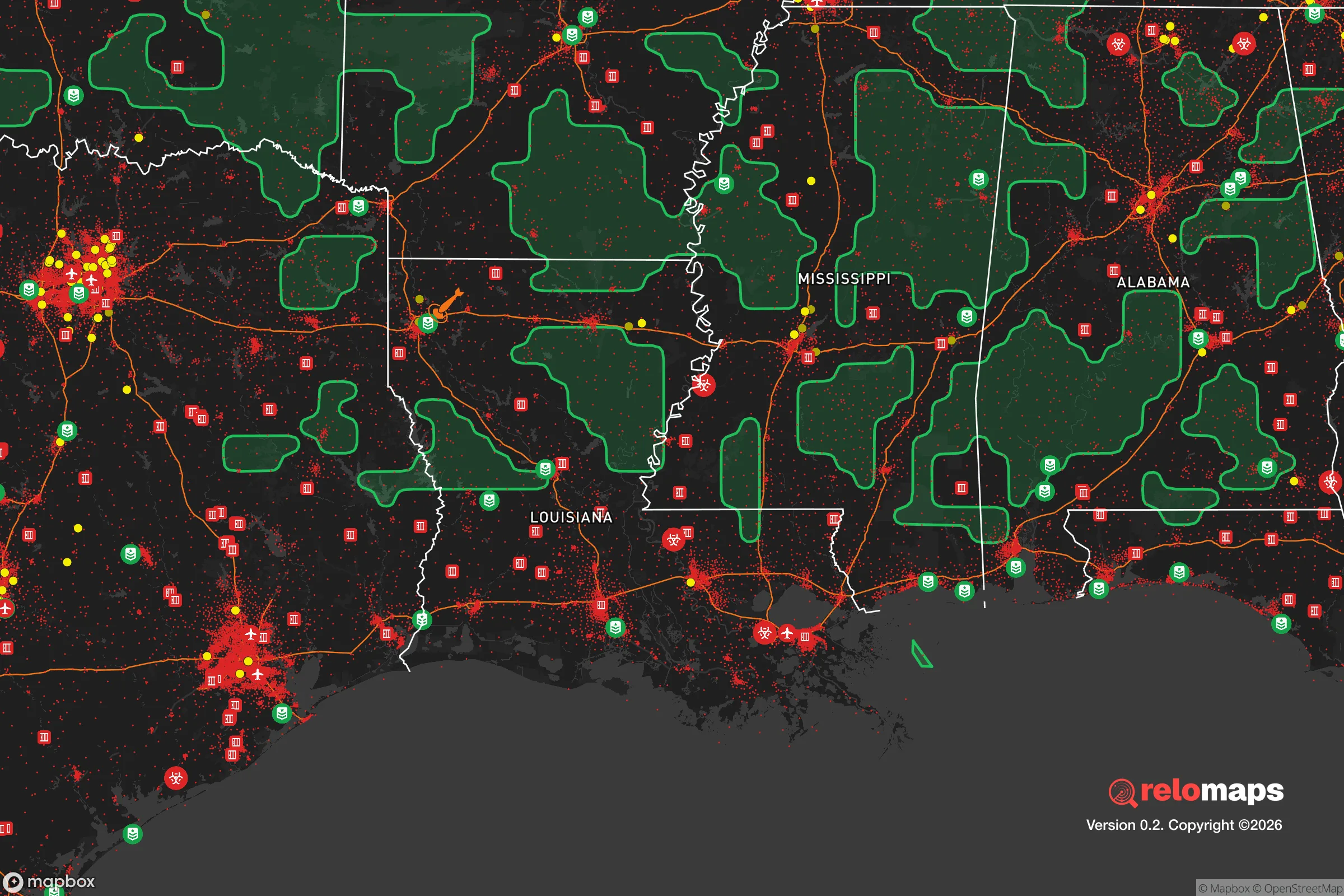


Important Note: For informational purposes only. This does not mean nothing bad ever happens in the green zones. Please use common sense. This is based on public data and modeled with AI. We tried to take a conservative approach but mistakes happen. We update this regularly as new information becomes available.
Solar Generator Recommendations
Backup power matters more here than in safer locations. We've picked three solar generators across budgets and capacity tiers — start with the budget unit if you only need a few essentials, or step up if you want to run a fridge and HVAC for days at a time.

Jackery Portable Power Station Explorer 300
Budget OptionPower on the Go: Weighing only 11 lbs, it's convenient to set up and store with book-sized foldable solar panels

BLUETTI Portable Power Station AC180
Designed for both indoor and outdoor scenarios, AC180 is highly capable as it has a robost capacity and continuous output power.

EF ECOFLOW DELTA Pro Ultra Power Station
Upgraded PickEcoFlow DELTA Pro Ultra is a whole-home energy system designed to grow with your family. Integrated with the Smart Home Panel 2, it scales to meet your evolving energy needs — keeping your home powered, intelligent, and secure through every stage of life.
We earn a commission, at no additional cost to you.
Strategic Assessment Analysis
Louisiana offers a complex strategic picture for relocation-minded individuals and families who prioritize disaster readiness and self-sufficiency. The state's deep-water ports, extensive inland waterways, and position along the Gulf of Mexico provide unique logistical advantages, but these same features create significant exposure to natural hazards and proximity to high-value industrial and military targets. For a conservative-leaning audience weighing resilience factors, Louisiana presents a trade-off between geographic isolation from major population centers and vulnerability to hurricanes, flooding, and potential fallout from nearby critical infrastructure.
Geographic position and natural advantages for self-sufficiency
Louisiana's geography is defined by the Mississippi River watershed, the Atchafalaya Basin, and over 4,000 square miles of coastal wetlands and bayous. This network of waterways offers exceptional natural barriers to overland movement and potential for off-grid water access, fishing, and transportation. The northern part of the state, particularly around Shreveport and Monroe, sits on higher ground with less flood risk than the southern coastal parishes, making it more defensible and suitable for long-term self-sufficiency. The state's position between Texas and Mississippi places it within a day's drive of multiple climate zones and agricultural regions, which supports food security through regional trade. Louisiana also has abundant timber resources in its piney woods region, providing building materials and fuel. The Kisatchie National Forest in central Louisiana offers over 600,000 acres of public land for hunting, foraging, and potential retreat, though it is not remote enough to be considered a true wilderness refuge.
Risks, exposures, and proximity to fallout-relevant landmarks
Louisiana's strategic vulnerabilities are substantial. The state is home to the Louisiana Offshore Oil Port (LOOP) near Grand Isle, the only deepwater port in the U.S. capable of offloading supertankers, making it a high-value target in any conflict scenario. The Mississippi River corridor between Baton Rouge and New Orleans contains over a dozen major petrochemical refineries and chemical plants, including the ExxonMobil Baton Rouge Refinery — one of the largest in the country. This industrial concentration creates a significant fallout risk from both accidental releases and targeted strikes. Additionally, Fort Johnson (formerly Fort Polk) in west-central Louisiana is a major Army installation that could be a military target. Hurricane risk is the most immediate natural threat: the entire southern half of the state lies within 50 miles of the Gulf Coast, and storm surge can push inland 30 miles or more. Flooding from the Mississippi and its tributaries is a recurring hazard, with the 2016 Baton Rouge flood demonstrating that even areas outside designated flood zones can be inundated. The state's aging levee systems, while improved since Hurricane Katrina, remain a point of concern for long-term resilience.
Practical resilience for a relocator: food, water, energy, and defensibility
For a family or individual seeking practical self-sufficiency, Louisiana offers mixed prospects. Water access is abundant — the state has over 50,000 miles of rivers and streams, and groundwater is plentiful in most areas, though surface water requires treatment due to agricultural runoff and industrial pollution. Rainwater harvesting is viable given the state's average 60 inches of annual precipitation. Food production is feasible in the northern half of the state, where growing seasons are long (200+ days) and soil in the Mississippi alluvial plain is fertile. Hunting and fishing are deeply embedded in the culture, with year-round access to deer, waterfowl, and freshwater fish. Energy resilience is a concern: while Louisiana is a major energy producer, the grid is vulnerable to hurricane damage and relies heavily on natural gas and nuclear power (the River Bend Station near St. Francisville and Waterford 3 near Taft). Off-grid solar is viable but requires battery storage due to frequent cloud cover. Defensibility varies by location: rural parishes like St. Landry or Avoyelles offer low population density and natural barriers from bayous and swamps, while suburban areas around Baton Rouge and Lafayette are more exposed to population movement and potential unrest. The state's gun-friendly laws and strong hunting culture support armed self-defense, but the open terrain of the southern prairies and coastal marshes offers little concealment.
The overall strategic picture for Louisiana is one of high natural resource availability paired with high exposure to both natural and man-made risks. The state's best resilience prospects lie in the northern and central parishes, away from the petrochemical corridor and the hurricane-prone coast. Relocators who prioritize water access, hunting and fishing opportunities, and a lower cost of living will find Louisiana attractive, but they must accept the reality of annual hurricane threats, industrial fallout proximity, and a power grid that struggles with extreme weather. For those willing to invest in reinforced housing, backup power, and food storage, Louisiana can support a self-sufficient lifestyle — but it is not a low-risk destination. The state's strategic value as a logistical hub also makes it a potential target, which should factor into any serious relocation decision for disaster-preparedness-minded individuals.

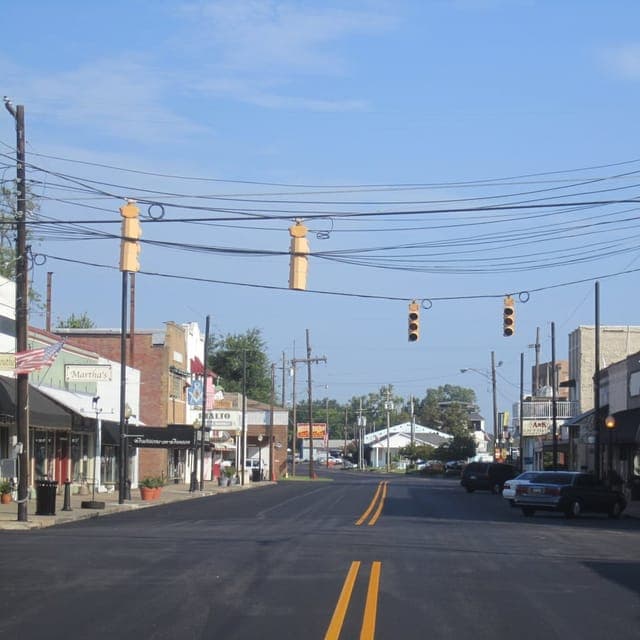
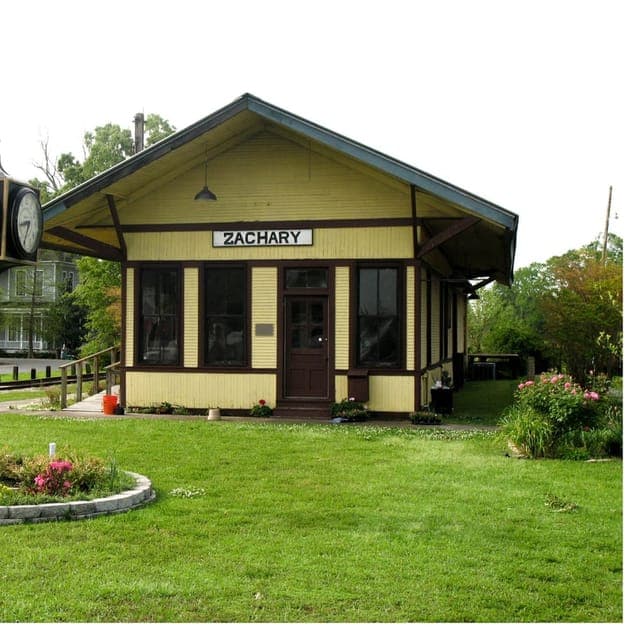
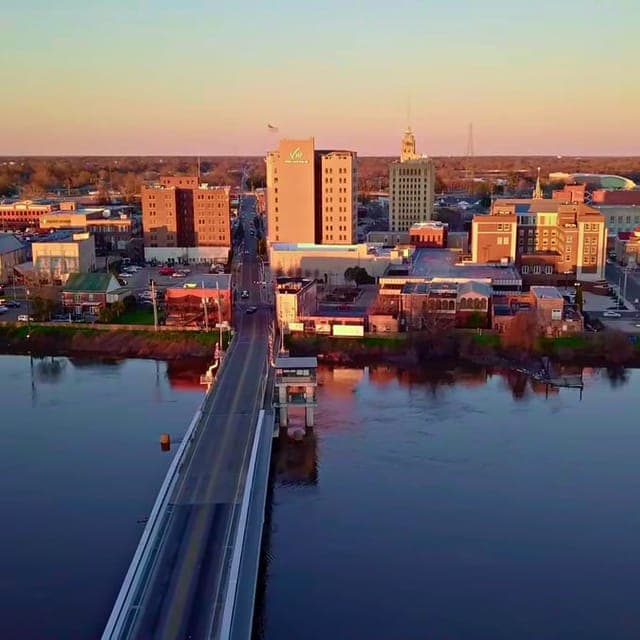
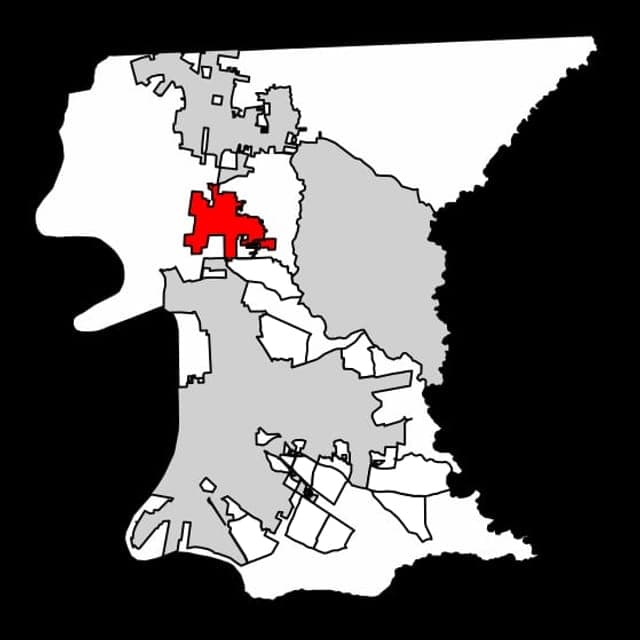
Top 10 Cities by Strategic Assessment in Louisiana
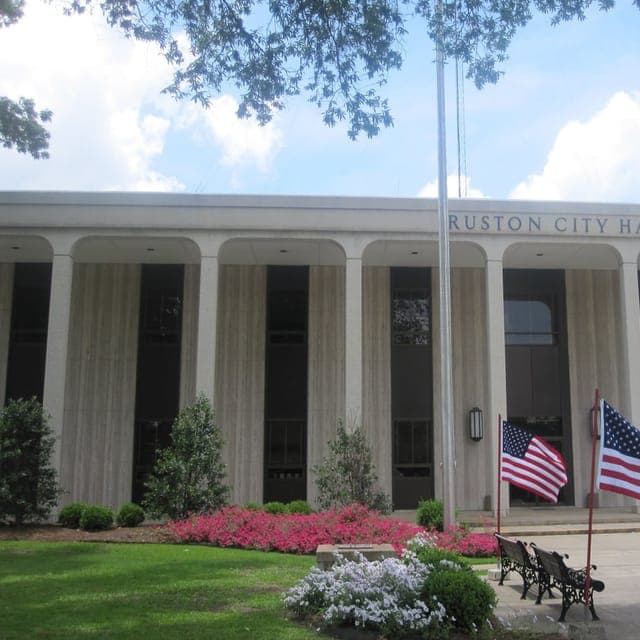
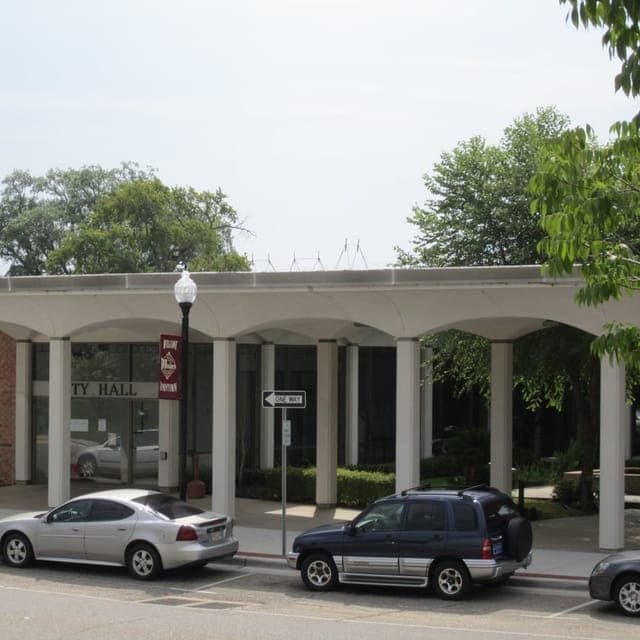
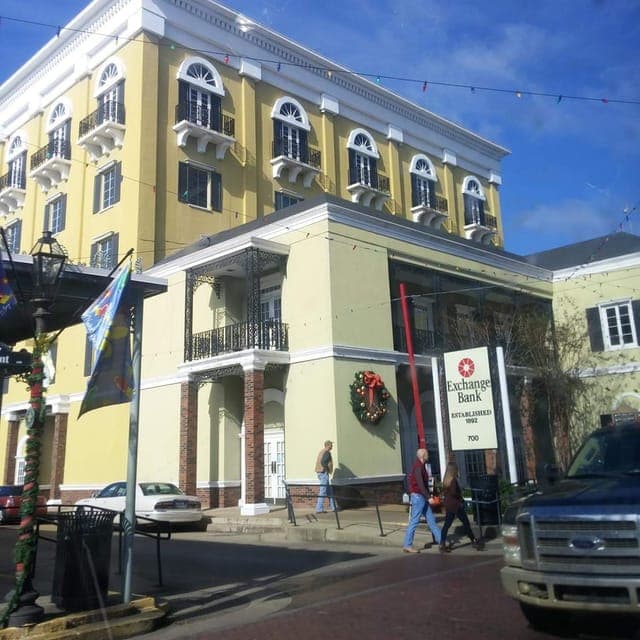
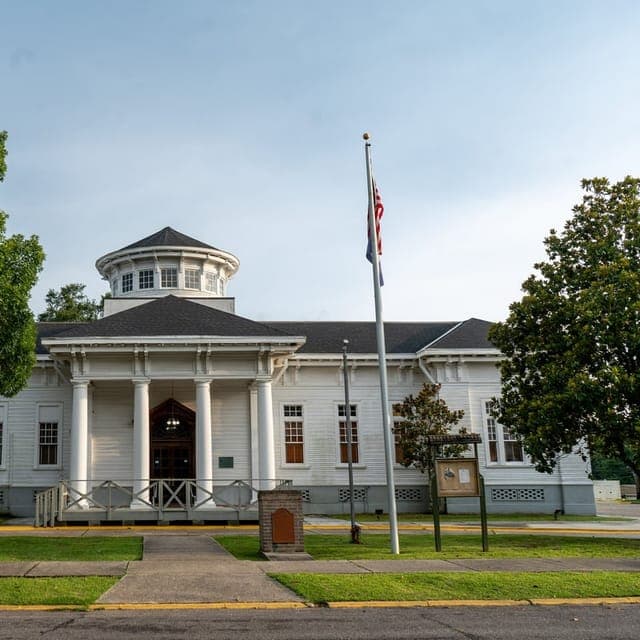

* Values derived from national, state, county, city and local statistics and may differ in a specific area. Last updated: 2026-07-04T01:47:37.000Z
Narrative content on this page is AI-generated and may contain mistakes. Verify any details that matter before acting on them.
ReloMaps may earn a commission from affiliate links at no extra cost to you.

