
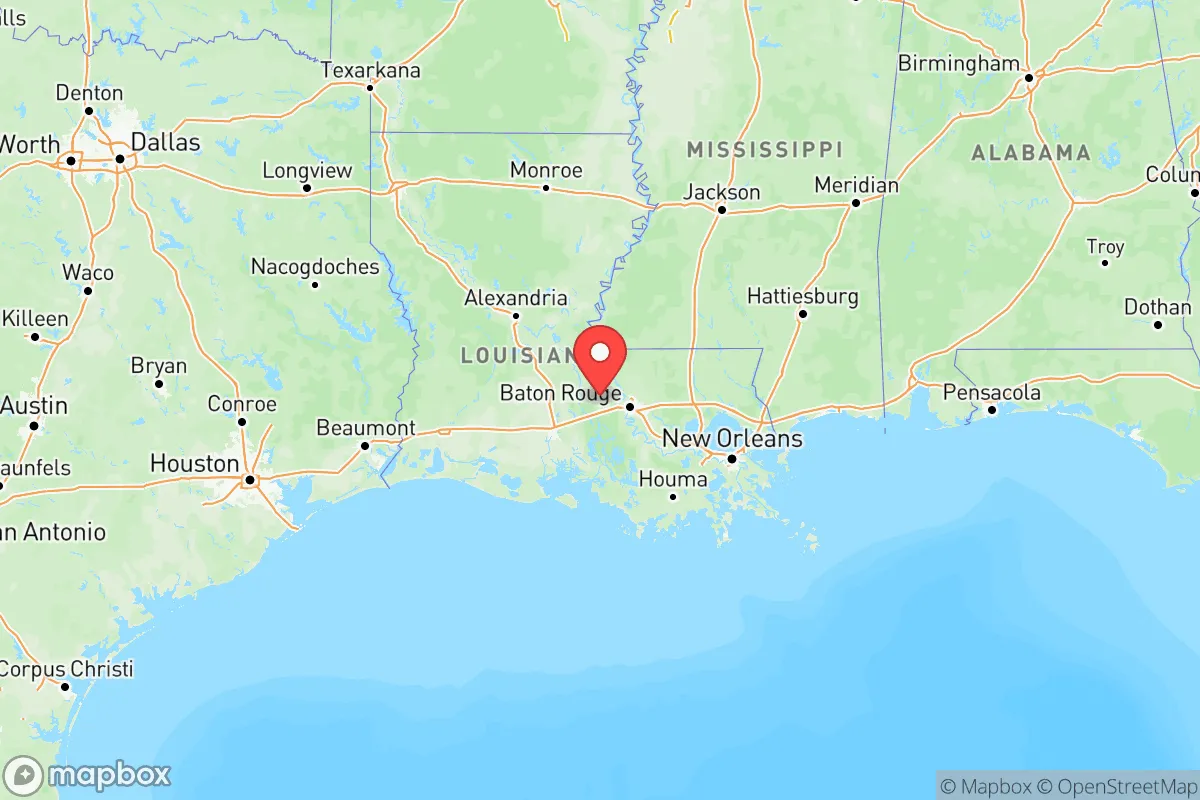
Photo: Wikipedia
Quality of Life in Louisiana
A livable area that tracks near national norms for affordability, walkability, and neighborhood health.
What does Quality of Life tell us?
Quality of Life measures an area by evaluating factors like cost of living, nearby amenities, country club access, airport proximity, socioeconomic signals and neighborhood character. For large states, this is a general average — quality of life can vary dramatically between metro areas, suburbs, and rural communities within the same state.
What does this tell us?
Quality of Life measures an area by evaluating factors like cost of living, nearby amenities, country club access, airport proximity, socioeconomic signals and neighborhood character. For large states, this is a general average — quality of life can vary dramatically between metro areas, suburbs, and rural communities within the same state.
Cost of Living
17% below national average
101%
The Real Cost of Living in Louisiana for 2026
| Tier | Individual | Family (4) |
|---|---|---|
| Survival | $17k | $31k |
| Comfortable | $41k | $60k |
| Luxury | $108k+ | $168k+ |
| Elite (Top 5%) | $144k+ | $223k+ |
Quality-of-Life Analysis
Louisiana offers a remarkably broad spectrum of quality-of-life options, from dense urban centers to isolated Cajun hamlets, each attracting a different type of resident. The state’s overall cost of living index of 83 (well below the US average of 100) and a median home value of $208,700 make it one of the most affordable states in the country, but the experience of living here varies dramatically depending on where you land. A young professional seeking nightlife and corporate jobs will find a very different Louisiana than a retiree looking for a quiet fishing village or a family seeking a top-tier school district.
Major metros
If you are looking for urban living, Louisiana has two primary anchors: New Orleans and Baton Rouge. New Orleans is the state’s cultural and tourism powerhouse, defined by its historic French Quarter, world-renowned music scene, and a dense, walkable urban core that is rare in the South. Its economy leans heavily on hospitality, healthcare, and the port, and the median rent of $1,038 statewide feels tighter here, with many neighborhoods commanding significantly higher prices. Baton Rouge, the state capital, offers a more corporate and political vibe, anchored by Louisiana State University and a strong petrochemical and government employment base. It is less tourist-driven than New Orleans but has a growing food scene and a more suburban feel outside of downtown. A third, smaller metro is Shreveport-Bossier City in the northwest, which serves as a regional hub for healthcare, gaming, and the military (Barksdale Air Force Base), offering a slower pace and lower home prices than the southern metros.
Mid-size cities & college towns
For those who want more space and lower costs than the big metros but still need amenities and jobs, Louisiana’s mid-size cities and college towns are strong options. Lafayette is the heart of Cajun Country, with a strong oil-and-gas economy, a vibrant music scene, and a distinct Acadian cultural identity that sets it apart from the rest of the state. Lake Charles, further west, is a smaller industrial and casino hub that has seen significant growth from the LNG and petrochemical sectors, though it was heavily impacted by hurricanes Laura and Delta. Alexandria, in central Louisiana, is a quieter regional medical and retail center with a lower cost of living and easy access to hunting and fishing. Hammond, located on the I-12 corridor between Baton Rouge and New Orleans, is a growing commuter town and home to Southeastern Louisiana University, offering a small-city feel with proximity to both major metros. Monroe, in the northeast, is anchored by the University of Louisiana at Monroe and a strong healthcare sector, with a very low cost of living that appeals to budget-conscious families and retirees.
Small towns & rural areas
The small towns and rural areas of Louisiana offer a dramatically different pace of life, often centered on outdoor recreation, family history, and a deep sense of place. In the southern bayou region, towns like Houma and Thibodaux are the gateways to the swamp and marsh, where the economy is driven by seafood, oilfield services, and shrimping, and where life moves at the rhythm of the tides. Further west, Natchitoches is the oldest permanent settlement in the Louisiana Purchase territory, known for its historic brick streets, Cane River plantations, and a slower, tourism-adjacent pace. In the Florida Parishes north of Lake Pontchartrain, towns like Covington and Mandeville have grown into bedroom communities for New Orleans commuters, but still retain small-town downtowns and strong school systems. For those seeking true isolation, the Atchafalaya Basin region offers a landscape of swamp and cypress forests where residents live in small, tight-knit communities accessible only by boat. The average commute across the state is 25.8 minutes, but in these rural areas, it can stretch to 40 minutes or more as residents drive to regional hubs for work and shopping.
Luxury vs. affordable living
The spectrum of housing costs in Louisiana is wide, with clear luxury enclaves and deeply affordable pockets. On the high end, Old Metairie (a suburb of New Orleans) and the Garden District in New Orleans itself feature historic mansions with price tags well above $1 million. The Northshore communities of Covington and Mandeville have upscale subdivisions and lakefront properties that command premium prices, often exceeding the state median home value of $208,700 by a factor of three or more. In Baton Rouge, the Highland Road corridor and Spanish Town are desirable, higher-cost neighborhoods. On the affordable end, Bastrop (northeast of Monroe) and Winnfield (in the central piney woods) have median home values well under $100,000, attracting buyers who cannot afford coastal markets. Opelousas, in St. Landry Parish, and Marksville, in Avoyelles Parish, also offer extremely low housing costs, though job opportunities are limited and poverty rates are higher. The statewide median rent of $1,038 is achievable in most mid-size cities, but in luxury areas like the French Quarter or the Northshore lakefront, rents can easily double or triple that figure.
The practical reality is that Louisiana’s quality-of-life options are defined by trade-offs between cost, culture, and opportunity. Young professionals and creatives gravitate to New Orleans for its energy and density, while families and commuters often choose the suburban Northshore or the Baton Rouge suburbs for better schools and lower crime rates. Retirees and outdoor enthusiasts find their niche in the small towns of the bayou or the piney hills of the north, where the cost of living is lowest and the pace is slowest. The state’s low overall cost of living index of 83 means that even in the most expensive enclaves, housing is cheaper than comparable areas in Texas or Florida, but the trade-off is often lower wages and fewer high-paying jobs outside of the petrochemical and healthcare sectors. Ultimately, the best place to live in Louisiana depends entirely on whether you prioritize cultural vibrancy, career opportunity, or quiet affordability — the state offers all three, but rarely in the same zip code.

Crime in Louisiana
Crime rates similar to the national median for U.S. locations.
Violent CrimeViolent Crime Analysis
Property CrimeProperty Crime Analysis
Crime Analysis
Louisiana’s overall safety picture is mixed, with the state recording a violent crime rate of 361.5 per 100,000 residents and a property crime rate of 1,446.4 per 100,000. These figures place Louisiana well above the national average for both categories, driven largely by concentrated crime in its largest metro areas. While many suburban and rural communities maintain lower crime profiles, the state’s overall ranking as one of the most dangerous in the U.S. reflects persistent challenges in urban centers and systemic issues within the justice system.
Crime in context
Louisiana’s violent crime rate of 361.5 per 100K is roughly 30% higher than the national average, while its property crime rate of 1,446.4 per 100K exceeds the U.S. figure by about 20%. The state’s most dangerous cities — New Orleans, Baton Rouge, and Shreveport — consistently report violent crime rates two to three times the state average. New Orleans, for example, recorded over 1,000 violent crimes per 100K in recent years, driven by homicides and aggravated assaults. In contrast, safer communities like Youngsville, Mandeville, and Broussard report violent crime rates below 150 per 100K, often matching or beating the national average. The gap between Louisiana’s safest and most dangerous jurisdictions is among the widest in the South.
What residents experience
For residents of high-crime areas, daily life involves heightened vigilance. In New Orleans, carjackings and armed robberies are frequent enough to alter commuting habits and evening plans. Baton Rouge residents report property crime as a persistent nuisance, with vehicle break-ins and package thefts common near the LSU campus and downtown. Progressive district attorneys in Orleans Parish and East Baton Rouge Parish have drawn criticism for policies that reduce pretrial detention and limit felony charges for repeat offenders. Critics argue these reforms, while well-intentioned, have led to more criminals on the street and reduced accountability, particularly for property and drug-related offenses. In Shreveport, a similar dynamic plays out: a liberal DA’s office has been blamed for plea deals that critics say prioritize offender rehabilitation over public safety, contributing to a perception that the justice system is lenient on repeat offenders.
Neighborhood-level variation
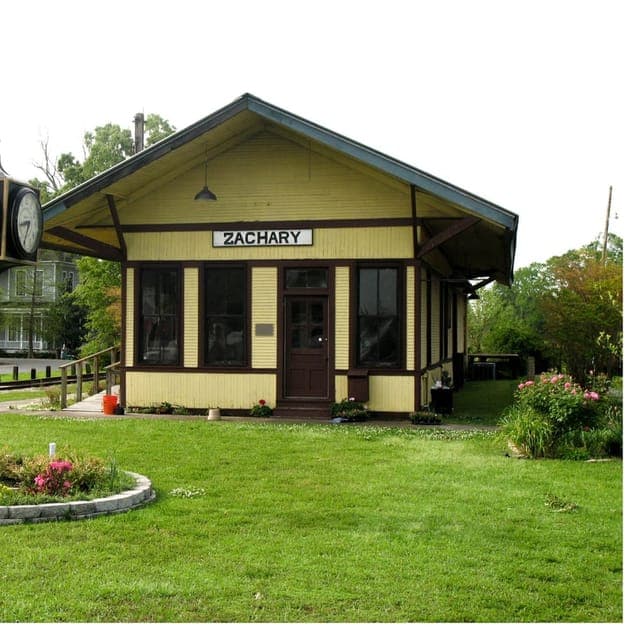
Within Louisiana’s major metros, safety varies dramatically by neighborhood. In New Orleans, the French Quarter and Garden District see heavy police presence and lower violent crime rates than neighborhoods like Central City or the Seventh Ward. Baton Rouge’s safest areas — such as the Southdowns and Shenandoah neighborhoods — report property crime rates comparable to small towns, while the 70805 zip code near Scotlandville has violent crime rates exceeding 2,000 per 100K. Suburban communities like Slidell, Prairieville, and Zachary offer significantly lower crime rates than their urban neighbors, often with their own police departments and stricter local enforcement. For families and retirees, these suburbs provide a practical buffer from the crime concentrated in Louisiana’s progressive-run cities. However, even in safer areas, property crime remains a concern, and residents are advised to use security systems and avoid leaving valuables in vehicles.
Top Cities for Quality of Life in Louisiana
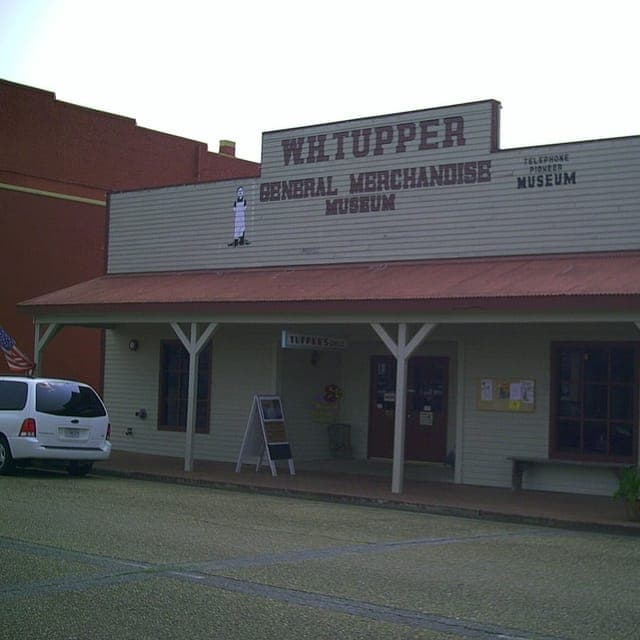
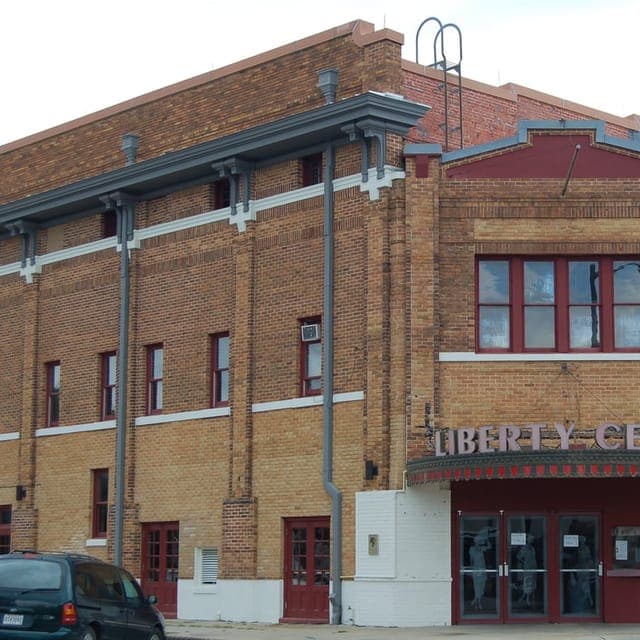

* Values derived from national, state, county, city and local statistics and may differ in a specific area. Last updated: 2026-07-04T01:47:37.000Z
Narrative content on this page is AI-generated and may contain mistakes. Verify any details that matter before acting on them.
ReloMaps may earn a commission from affiliate links at no extra cost to you.

