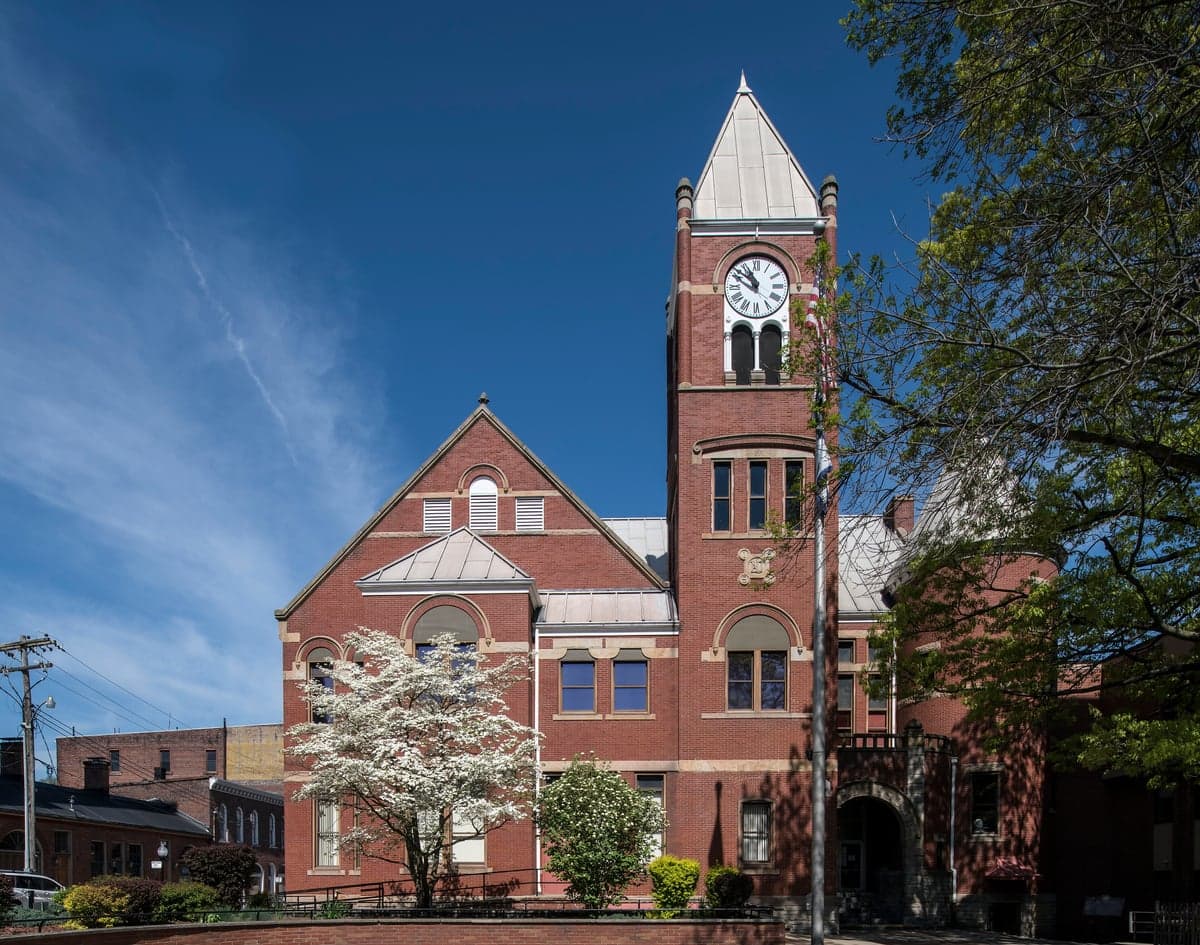
Photo: Wikipedia
Find The Best Places To Live in Monongalia County
PRO TIP! You can paste a Zillow or Redfin link to get info on that property.
Best Places to Live in Monongalia County
Cities & Towns in Monongalia County
Cities in Monongalia County
What It's Like Living in Monongalia County, WV
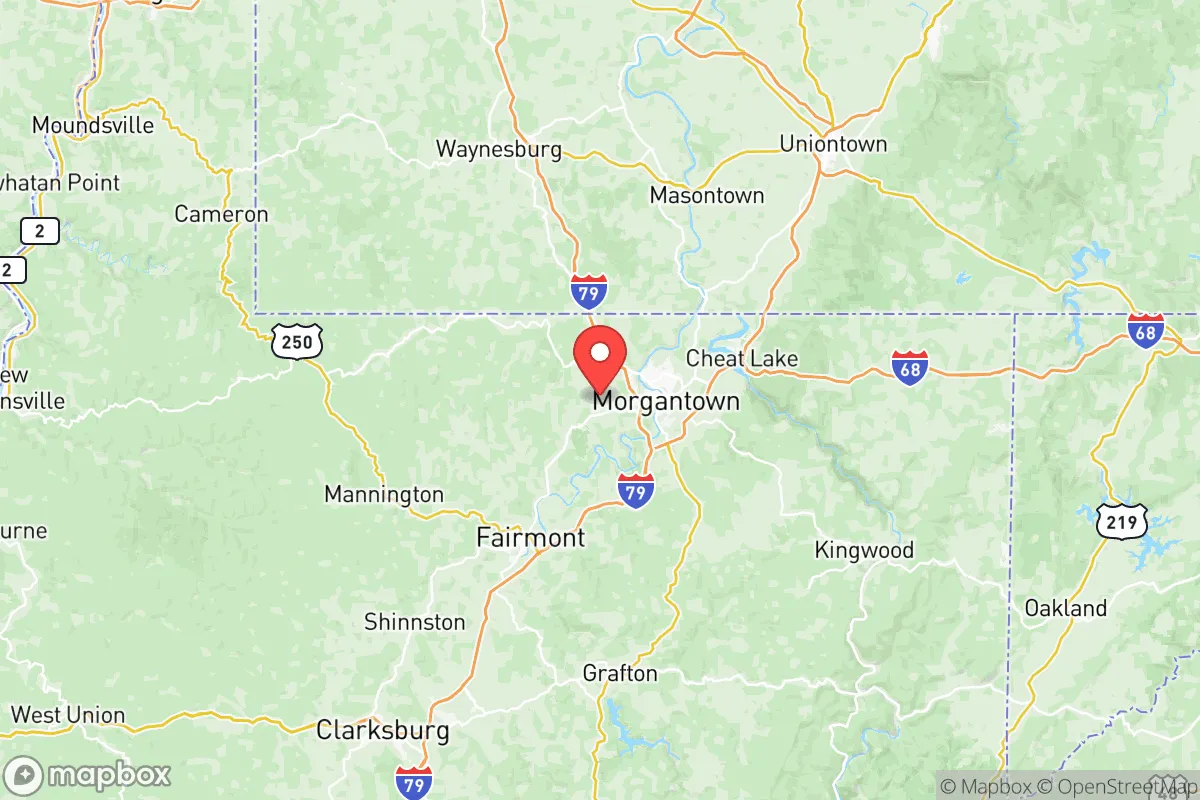
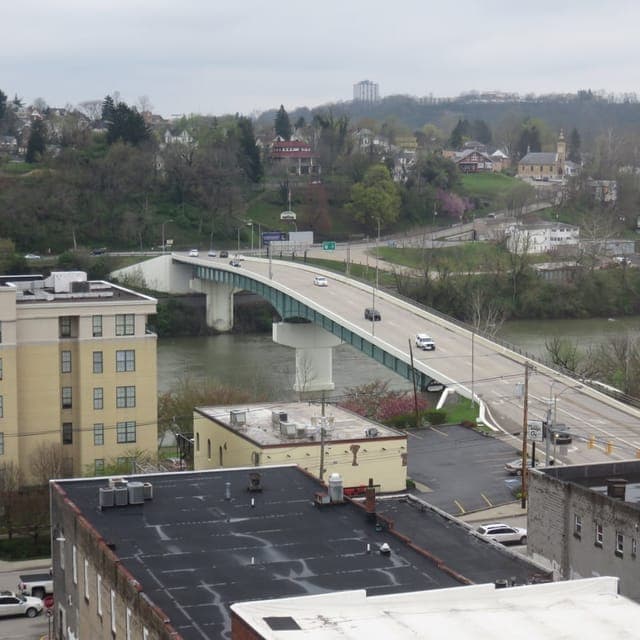
Living in Monongalia County means being part of a place that feels like two worlds at once — the energy of a college town wrapped in the quiet of Appalachian hills. Morgantown is the engine, but the county’s character comes from its mix of students, young families, and longtime residents spread across places like Star City, Westover, Granville, and the rural stretches of Dellslow and Osage. It’s a county where you can grab a craft beer on High Street one night and be hiking a ridgeline trail the next morning, and where the biggest cultural divide isn’t politics but whether you’re here for the university or you’ve been here your whole life.
Where the Weekends Go: From Tailgates to Trails
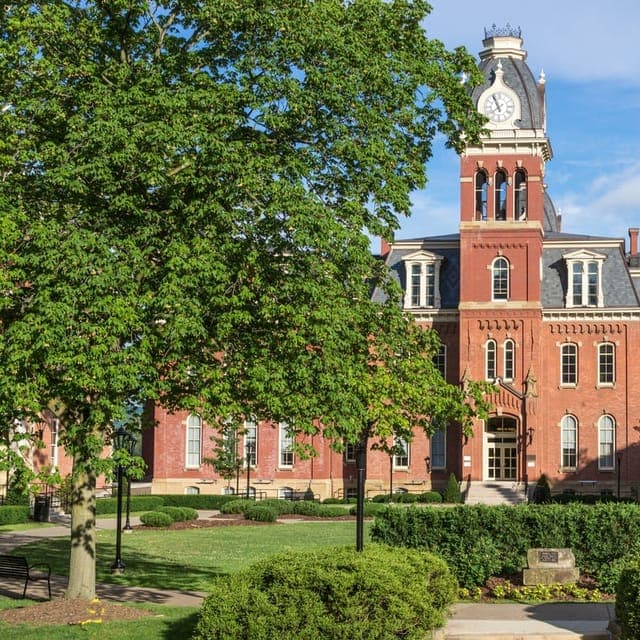
For most people in Monongalia County, the rhythm of the week revolves around West Virginia University. On fall Saturdays, the entire county shifts toward Milan Puskar Stadium — traffic backs up along Route 19, the lots in Granville fill with RVs, and the sound of the Mountaineer Marching Band carries across the Monongahela River. Even if you don’t follow college football, you feel it. Game days turn Morgantown into a 70,000-person block party, and locals either embrace the energy or plan their errands around it.
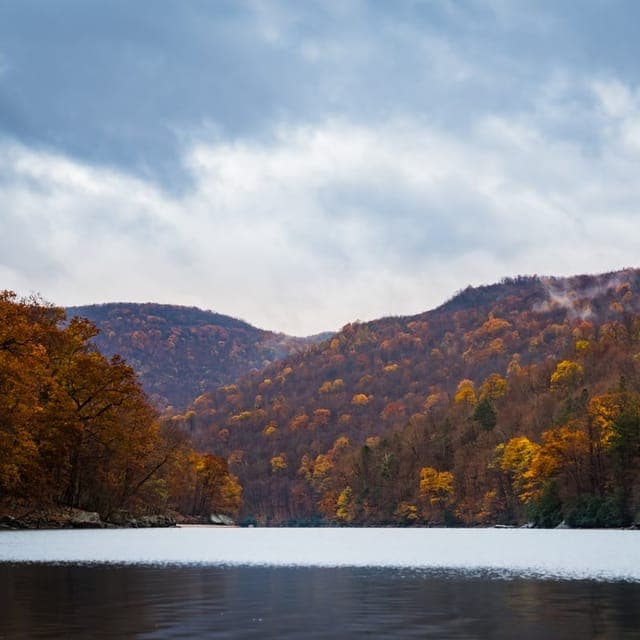
When the crowds thin, the county offers a quieter side. Cheat Lake draws boaters and kayakers in the summer, while Cooper’s Rock State Forest — just east of the county line — is the go-to for day hikes and overlook views. Within Morgantown itself, the Rail Trail runs along the river and connects to Star City, making it a popular route for runners and cyclists. The outdoor scene here isn’t a weekend hobby; it’s woven into daily life. People in Westover and Sabraton keep kayaks on their porches, and it’s common to see fly fishermen working the Cheat River on a Tuesday evening.
Dining and nightlife are concentrated in Morgantown’s downtown and the Wharf District. Places like Mountain State Brewing Co. and Apothecary Ale House & Café are staples, while the Farmers’ Market at the Hazel Ruby McQuain Riverfront Park draws crowds on summer Saturdays. For a quieter night, locals head to Table 9 or Oliverio’s Ristorante. The county’s restaurant scene punches above its weight for a metro area of 106,000, largely because the university brings in chefs and customers who expect more than bar food.
Who Fits In — and Who Doesn’t
Monongalia County has a median age of 32.5, making it one of the youngest counties in West Virginia. That number is pulled down by the student population, but it also reflects a growing base of young professionals and families who stay after graduation. Nearly 48% of adults hold a college degree, which is high for the region and shapes the local economy — healthcare, education, and research are the dominant sectors, with WVU and WVU Medicine acting as the county’s largest employers.
The kind of person who thrives here is someone who values convenience to nature without sacrificing urban amenities. You can live in a new subdivision in Granville, a historic house in Morgantown’s South Park neighborhood, or on a few acres near Dellslow, and still be 15 minutes from a grocery store or a concert venue. The median home value sits at $254,200, and the cost of living index is 85 — well below the national average. That combination makes the county attractive to remote workers and families priced out of larger metros. The trade-off is that wages also run below national averages, with a median household income of $62,704. It’s a place where you can live comfortably on a modest salary, but high earners may find fewer opportunities outside of healthcare and academia.
What frustrates some longtime residents is the transient nature of the population. Every May, a chunk of the county packs up and leaves, and businesses that cater to students — bars, late-night food spots, off-campus housing — can feel empty in the summer. The average commute is a short 21.8 minutes, which is a genuine perk, but traffic around the WVU campus and along the Mileground can feel worse than the numbers suggest, especially during class changes or game days.
The Real Trade-Offs: Safety, Seasons, and Community
The violent crime rate of 227.7 per 100,000 is slightly above the national average, but the reality is more nuanced. Most incidents are concentrated in specific areas near the downtown student corridor, while neighborhoods like Suncrest, Cheat Lake, and parts of Star City see very little crime. Property crime — especially theft from vehicles — is the more common annoyance, particularly around campus and apartment complexes. Residents learn quickly not to leave valuables in plain sight.
Weather in Monongalia County follows a true four-season pattern. Winters are cold and snowy enough to cancel school a few times a year, but the county handles it well — plows are out early, and life keeps moving. Spring and fall are spectacular, with hillsides turning green or gold depending on the month. Summers are humid but tolerable, and the proximity to Cheat Lake and the river provides natural cooling spots. The seasonal rhythm is a point of pride for locals; people here mark time by the first frost, the start of football season, and the blooming of the rhododendrons.
Schools play a central role in community life, especially outside Morgantown proper. Monongalia County Schools are among the highest-rated in West Virginia, and that reputation draws families to areas like Brookhaven and Cheat Lake. School events — football games, band concerts, fundraisers — are well-attended and serve as social anchors in the smaller towns. In places like Osage and Cassville, the local elementary school is still the heart of the community, hosting everything from Halloween parades to summer movie nights.
What holds the county together, despite the annual churn of students, is a genuine sense of place. People here know the history — the coal mining roots of Scotts Run, the Italian heritage of the North End, the way the old glass factories shaped Westover. Newcomers are welcomed, but the county doesn’t change fast. That stability is both a comfort and a frustration. Some wish for more retail options, a better airport, or a faster highway connection to Pittsburgh. Others appreciate that Monongalia County still feels like a secret — a place where you can own a home, raise a family, and still be on the river by 5 p.m.

* Values derived from national, state, county, city and local statistics and may differ in a specific area. Last updated: 2026-07-02T21:07:50.000Z
Narrative content on this page is AI-generated and may contain mistakes. Verify any details that matter before acting on them.
ReloMaps may earn a commission from affiliate links at no extra cost to you.

