Photo: Wikipedia
Political ClimatePolitical Climate in West Virginia
Political Environment in the State
West Virginia has become one of the most reliably Republican states in the nation, a dramatic shift from its 20th-century identity as a Democratic stronghold. The state voted for Donald Trump by nearly 39 points in 2020 and by a similar margin in 2024, making it the second-most Republican state in the country by presidential vote share. This transformation has been building for decades, driven by cultural realignment around coal, gun rights, and social issues, but it accelerated sharply after 2008 as the national Democratic Party moved left on energy and environmental policy.
Urban vs. rural divide
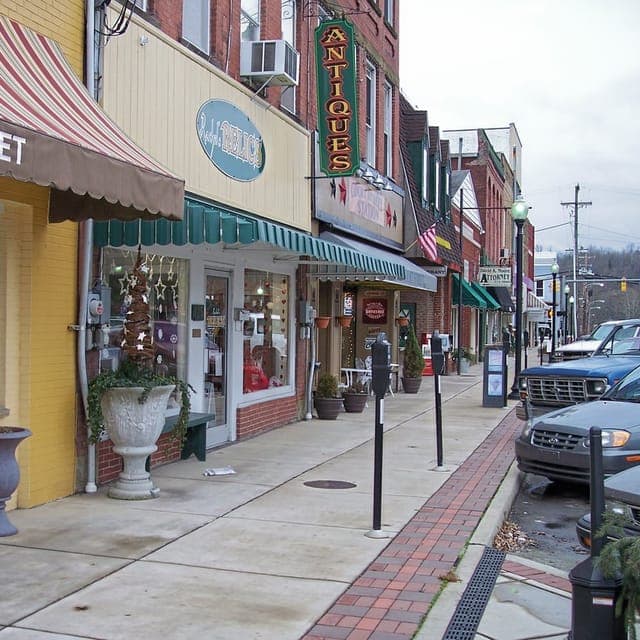
The political map of West Virginia is less about urban-rural tension and more about degrees of rural conservatism. The state has no truly large city; its biggest metro, Charleston, is a small city of about 47,000 that still votes reliably Republican in statewide races, though it occasionally elects moderate Democrats at the local level. Morgantown, home to West Virginia University, is the state's most liberal-leaning area, with precincts around campus voting Democratic by 20-30 points in recent cycles. Huntington and Wheeling in the northern panhandle lean Republican but have older, more union-oriented populations that sometimes split tickets. The eastern panhandle, including Martinsburg and Charles Town, has seen an influx of former Washington D.C. area residents, making it slightly more competitive but still solidly red. The southern coalfields — places like Beckley, Bluefield, and Logan — are among the most Republican areas in the entire country, routinely voting 75-80% for GOP candidates. The only reliably Democratic counties left are Monongalia (Morgantown) and sometimes Raleigh or Fayette in local races, but even those have trended right in presidential elections.
Policy environment
West Virginia's policy environment is aggressively conservative by national standards, shaped by a Republican supermajority that has controlled both chambers of the legislature and the governorship since 2016. The state has no personal income tax on most Social Security benefits, and in 2023 the legislature passed a 21% across-the-board cut to the personal income tax, with a path to full elimination if revenue triggers are met. Property taxes are among the lowest in the nation, capped by the state constitution at a maximum of 1.5% of assessed value for most classes. The state is a right-to-work jurisdiction, has no state-level minimum wage above the federal $7.25, and has some of the weakest labor union protections in the country. Education policy has been a flashpoint: in 2021, the legislature passed a broad school choice bill creating education savings accounts (ESAs) for all students, though implementation was delayed by court challenges. The state also passed a ban on transgender athletes in K-12 and college sports in 2021 and a law restricting classroom discussion of sexual orientation and gender identity in 2023. Healthcare policy is mixed: West Virginia expanded Medicaid under the Affordable Care Act in 2014, and roughly one-third of the state's population is on Medicaid, but the state has not pursued a state-based insurance exchange and has some of the highest per-capita healthcare costs in the nation. Election laws are moderately restrictive: voters must show photo ID, absentee voting requires an excuse, and early voting runs 10 days before Election Day. The state does not have no-excuse mail voting, though it was temporarily expanded during the pandemic.
Recent policy direction
The last five years have seen a rapid consolidation of conservative policy wins. On gun rights, West Virginia became a constitutional carry state in 2016, allowing permitless concealed carry for anyone 21 or older who can legally possess a firearm, and in 2021 the legislature passed a preemption law that strips local governments of the ability to regulate firearms more strictly than the state. On parental and education rights, the 2021 ESA law and the 2023 "Don't Say Gay" style law represent a clear direction toward school choice and parental control over curriculum. On medical and bodily autonomy, West Virginia passed one of the nation's most restrictive abortion bans in 2022, prohibiting the procedure at all stages of pregnancy with narrow exceptions for medical emergencies and rape/incest (with a reporting requirement). The state has not expanded protections for medical marijuana patients beyond the limited program passed in 2017, and there is no legal recreational cannabis. On property rights, the legislature passed a bill in 2023 limiting the ability of local governments to impose zoning restrictions on short-term rentals like Airbnb. On privacy and surveillance, the state has no comprehensive data privacy law, though it passed a bill in 2023 requiring law enforcement to obtain a warrant before accessing cell phone location data. On voting and ballot access, the trend has been toward tightening: the 2020 voter ID law and a 2021 law limiting ballot drop boxes and requiring stricter signature verification on absentee ballots. The state has not adopted ranked-choice voting or automatic voter registration.
Civil unrest & political movements
West Virginia has a history of labor militancy that has largely been replaced by cultural conservative activism. The 2018 statewide teachers' strike, which shut down all public schools for nine days and won a 5% pay raise, was the most significant labor action in the state in decades and briefly revived Democratic organizing. However, the energy behind that strike has not translated into sustained electoral success for progressives. The state has seen organized opposition to vaccine mandates and COVID-19 restrictions, with the Charleston Capitol steps hosting regular protests in 2020-2021. The "Second Amendment Sanctuary" movement was strong here, with dozens of counties passing resolutions opposing gun control measures in 2019-2020. Immigration politics are less visible than in border states, but the legislature passed a bill in 2023 requiring law enforcement to cooperate with federal immigration authorities. There is no significant secession or nullification movement, though some rural counties have discussed joining neighboring states in the past. Election integrity controversies have been minimal compared to other states; West Virginia's paper ballot system and relatively low population have meant fewer disputes. The most visible political flashpoint for new residents would likely be the ubiquity of political signage and the social pressure to align with conservative norms in most communities outside of Morgantown and parts of Charleston.
Projection
Over the next 5-10 years, West Virginia is likely to become even more Republican, but with a growing internal tension between the old-guard coal-country conservatives and the newer, more culturally libertarian transplants moving into the eastern panhandle and the New River Gorge area. The state's population is aging and shrinking — it lost about 3% of its population between 2020 and 2025 — which means the electorate is becoming older, whiter, and more rural. In-migration from the D.C. suburbs into the eastern panhandle is the one demographic wild card; these newcomers tend to be more moderate on social issues but still fiscally conservative, which could create a small but growing bloc of swing voters in places like Jefferson County. The income tax elimination path, if fully realized, could accelerate in-migration of remote workers and retirees, potentially diversifying the political landscape slightly. However, the state's poor health outcomes, low educational attainment, and opioid crisis continue to suppress population growth and economic dynamism. A new resident moving in now should expect the political environment to remain deeply conservative, with continued movement on school choice, tax cuts, and gun rights, but with little change on healthcare access or economic diversification. The practical takeaway: if you align with the state's conservative direction, you'll find a welcoming policy environment and a like-minded community in most places. If you lean liberal, you'll find your political home primarily in Morgantown or among small pockets in Charleston and Huntington, but you should expect to be in the minority in most social and civic settings.
For someone choosing West Virginia, the bottom line is that the state offers a deeply conservative policy environment with low taxes, strong gun rights, and a culture that values self-reliance and traditional social norms. The trade-offs are real: limited healthcare access, a shrinking economy outside of energy and remote work, and a political monoculture that can feel stifling to those who don't share its values. If you're a conservative family or individual looking for affordable land, low regulation, and a like-minded community, West Virginia delivers. If you're looking for political diversity or progressive policy, you'll want to look at the college towns or consider a different state entirely.

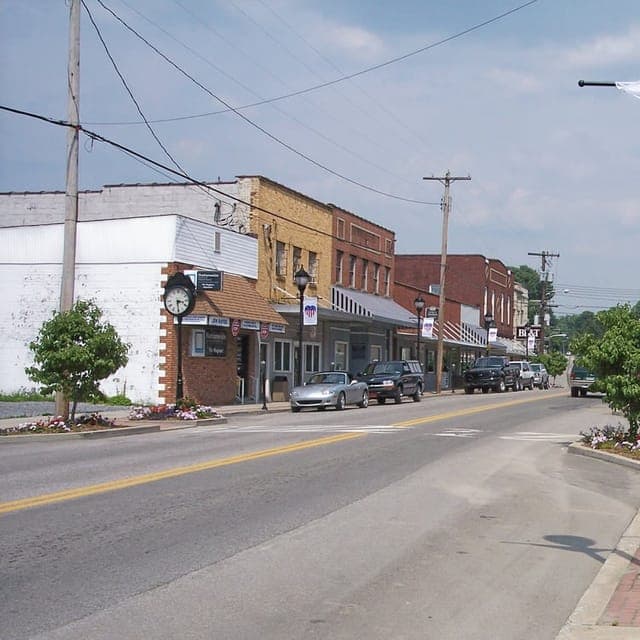
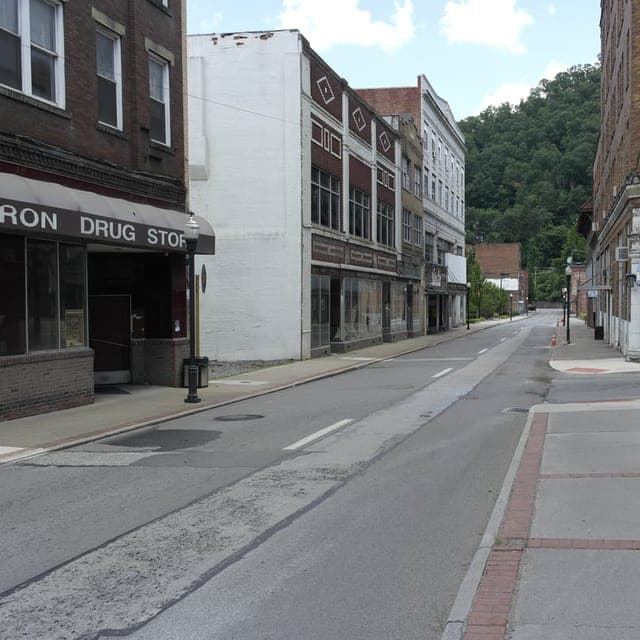
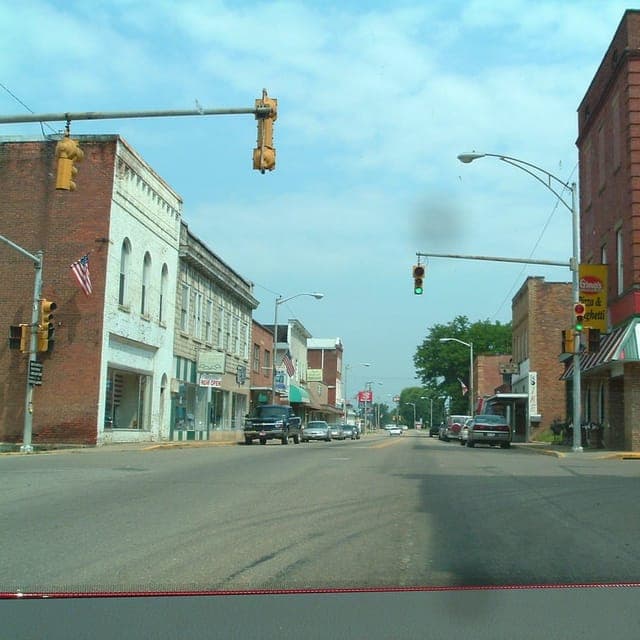
Most Conservative Cities in West Virginia
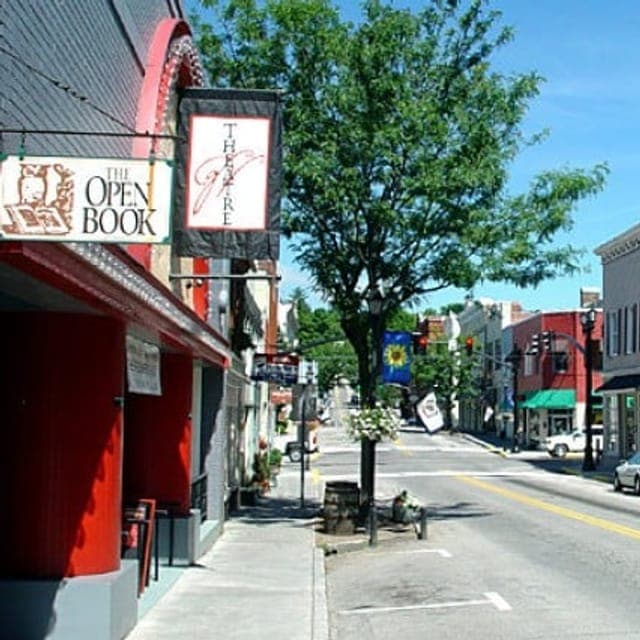
Most Liberal Cities in West Virginia
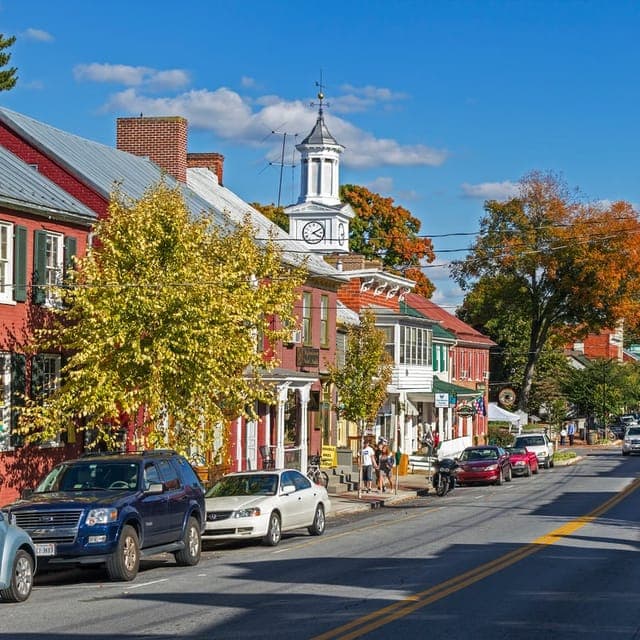
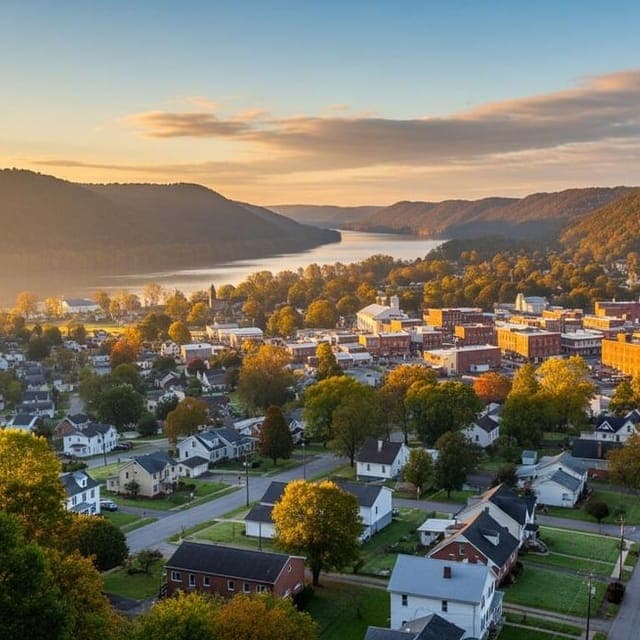

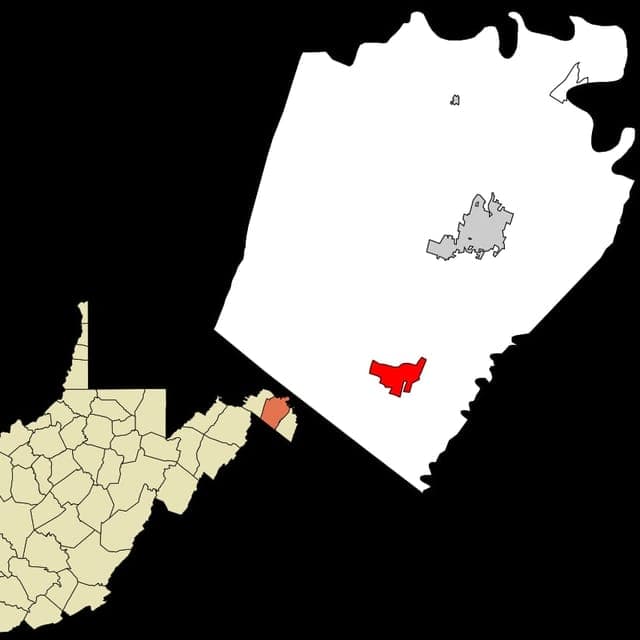
* Values derived from national, state, county, city and local statistics and may differ in a specific area. Last updated: 2026-07-03T16:27:19.000Z
Narrative content on this page is AI-generated and may contain mistakes. Verify any details that matter before acting on them.
ReloMaps may earn a commission from affiliate links at no extra cost to you.

