Photo: Wikipedia
Personal Sovereignty in West Virginia
Strong independent fundamentals that actively favor personal liberty and low regulation.
What does Personal Sovereignty tell us?
Personal Sovereignty measures your capacity for self-reliance and independence with minimal government friction. Higher scores mean fewer barriers between you and the way you want to live... but it assumes you have the space you need and good neighbors.
What does this tell us?
Personal Sovereignty measures your capacity for self-reliance and independence with minimal government friction. Higher scores mean fewer barriers between you and the way you want to live... but it assumes you have the space you need and good neighbors.
State Policy
Energy independence: Net exporter (200% of energy produced in-state)
Personal Liberty
Homesteading

Personal Liberty Analysis
West Virginia offers one of the strongest personal sovereignty environments in the eastern United States, combining a low tax burden, minimal business regulation, expansive self-defense laws, and a deeply rooted culture of self-reliance. The state’s constitution and legislative history consistently favor individual autonomy over government intervention, making it a standout destination for those seeking to maximize personal freedom. While the regulatory climate is uniformly light compared to neighboring states like Virginia, Maryland, or Pennsylvania, there are meaningful differences between regions—from the more developed, service-oriented economies of Morgantown and Charleston to the deeply rural, off-grid-friendly landscapes of Pendleton County, Tucker County, and the Eastern Panhandle.
Tax burden and regulatory posture for individuals and businesses
West Virginia’s tax burden is among the lowest in the nation, with no state income tax on Social Security benefits and a flat personal income tax rate that has been cut repeatedly in recent years—down to 3.99% as of 2025, with further reductions scheduled. Property taxes are exceptionally low, with effective rates averaging around 0.55% of assessed value, and the state does not impose a tax on tangible personal property used in business. For entrepreneurs and remote workers, the regulatory environment is notably light: the state has a right-to-work law, no state-level minimum wage above the federal floor, and a streamlined business registration process. However, local zoning varies significantly. In Berkeley County (Eastern Panhandle), growth pressure from the D.C. metro area has led to more restrictive subdivision and land-use ordinances, while Pocahontas County and Webster County have minimal zoning, allowing greater freedom to use property without county interference. The state’s overall regulatory posture is best described as permissive but not libertarian—environmental and mining regulations remain in place, but they rarely affect the average homeowner or small business owner outside of extractive industries.
Self-defense and gun law specifics for residents
West Virginia is a constitutional carry state, meaning no permit is required to carry a concealed firearm for anyone 21 or older who is legally allowed to possess a gun. The state also has a strong Stand Your Ground law, with no duty to retreat in any place where a person is lawfully present. Castle Doctrine protections extend to occupied vehicles and workplaces, not just homes. There is no state-level firearm registration, no assault weapons ban, and no magazine capacity restrictions. Local preemption laws prevent cities like Charleston or Huntington from enacting their own gun ordinances, ensuring uniform rights across the state. For those who want a permit for reciprocity purposes, the application process is straightforward and shall-issue. The gun culture in West Virginia is deeply embedded—hunting, sport shooting, and personal defense are common topics of conversation, and firearm retailers are abundant even in small towns like Lewisburg and Elkins. The state’s legal environment for self-defense is among the most protective in the country, comparable to Texas or Arizona, but with the added advantage of lower population density and less political pressure for future restrictions.
Self-reliance and homesteading viability across the state
West Virginia’s geography and land-use policies make it one of the most viable places in the eastern U.S. for homesteading, off-grid living, and self-sufficient agriculture. Minimum lot sizes in unincorporated areas are often as small as one acre, but many counties allow subdivision down to smaller parcels without extensive review. In Pendleton County and Tucker County, it is common to find properties with no building codes enforced outside of the few incorporated towns, and owners can install composting toilets, solar panels, and rainwater catchment systems without permits. The state has no statewide building code for single-family homes in rural areas, though some counties have adopted limited codes for structural safety. Zoning is virtually nonexistent in most of the state’s 55 counties—only about 20% of counties have any form of countywide zoning, and those that do (like Monongalia County near Morgantown) tend to focus on commercial development rather than restricting residential use. Water rights are favorable: landowners have broad authority to use groundwater and surface water on their property, and the state’s abundant rainfall (averaging 40-50 inches annually) reduces reliance on municipal systems. For those seeking to raise livestock or grow food, the state’s agricultural exemptions are generous, and small-scale direct sales of farm products are lightly regulated. The main practical challenge is terrain—steep slopes in the Appalachian Plateau can limit buildable area and increase road maintenance costs, but for those willing to adapt, the freedom to live independently is unmatched in the region.
Personal liberties in daily life: parental rights, medical autonomy, speech, and property
West Virginia law strongly protects parental rights in education and healthcare. The state has a Parental Bill of Rights that requires schools to obtain parental consent before administering surveys or providing medical services, and parents have the right to opt their children out of any instructional materials they find objectionable. Homeschooling is straightforward: parents must submit a simple notice of intent and provide an annual assessment, but there are no curriculum mandates, no teacher certification requirements, and no standardized testing obligations beyond the assessment. Medical autonomy is generally respected, though the state has not passed broad medical freedom legislation comparable to some western states. Vaccine mandates for employment were prohibited by state law in 2022, and healthcare providers are required to allow in-person religious and moral exemptions for immunizations. Free speech protections are robust, with no state-level hate speech laws that criminalize expression, and property rights are reinforced by a strong eminent domain statute that requires just compensation and a demonstrated public use. The state’s legal climate for property owners is favorable: adverse possession periods are long (10 years), and there are no statewide rent control laws or landlord-tenant regulations that heavily tilt toward tenants. In practice, daily life in towns like Fayetteville or Shepherdstown feels noticeably freer than in similarly sized towns in Maryland or Virginia, with fewer signs, fewer permits required for home businesses, and a general expectation that neighbors will solve problems among themselves rather than calling code enforcement.
Overall, West Virginia ranks among the top states in the country for personal sovereignty, particularly for those who value low taxes, strong gun rights, and the ability to live independently on their own land. The state’s regulatory environment is consistently light across most domains, and the cultural expectation of self-reliance means that government intervention is the exception rather than the rule. Compared to the heavily regulated states of the Northeast and West Coast, West Virginia offers a level of personal freedom that is increasingly rare in the United States. The trade-offs are real—lower average incomes, limited access to specialized healthcare in rural areas, and a slower pace of life—but for individuals and families who prioritize autonomy above all else, the Mountain State provides a legal and cultural foundation that is difficult to match east of the Mississippi.

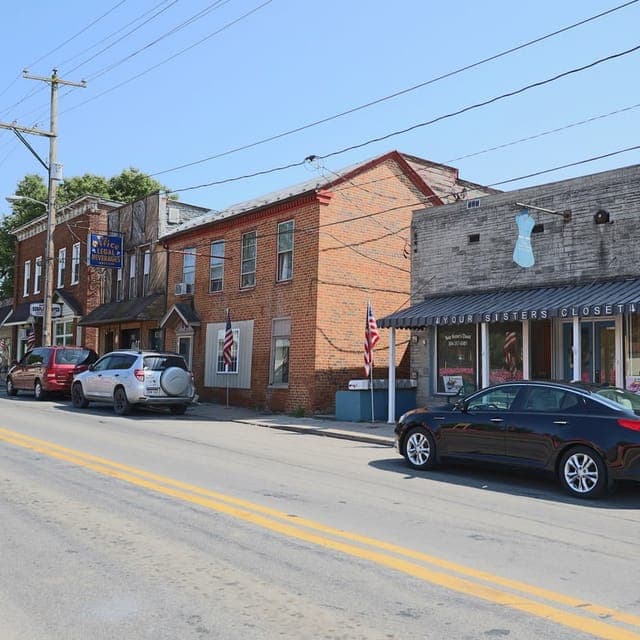
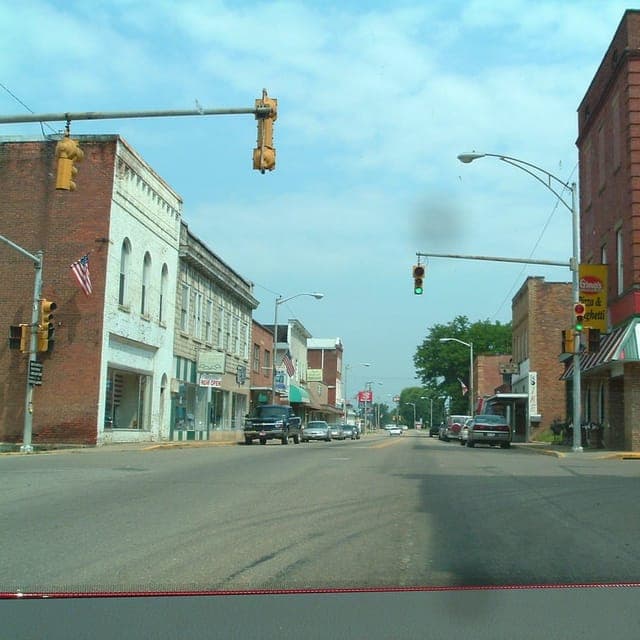
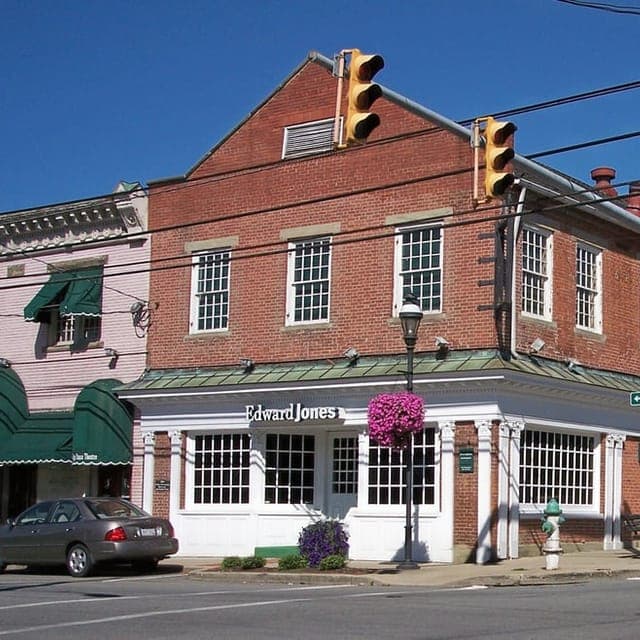
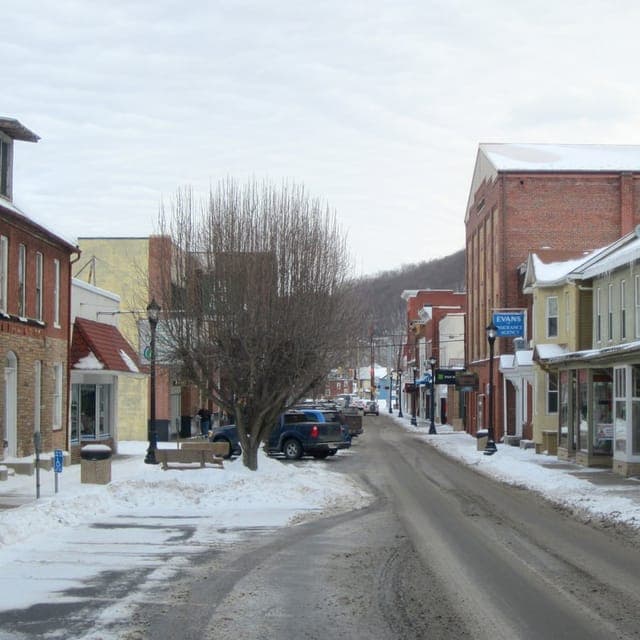
Top Cities for Personal Sovereignty in West Virginia
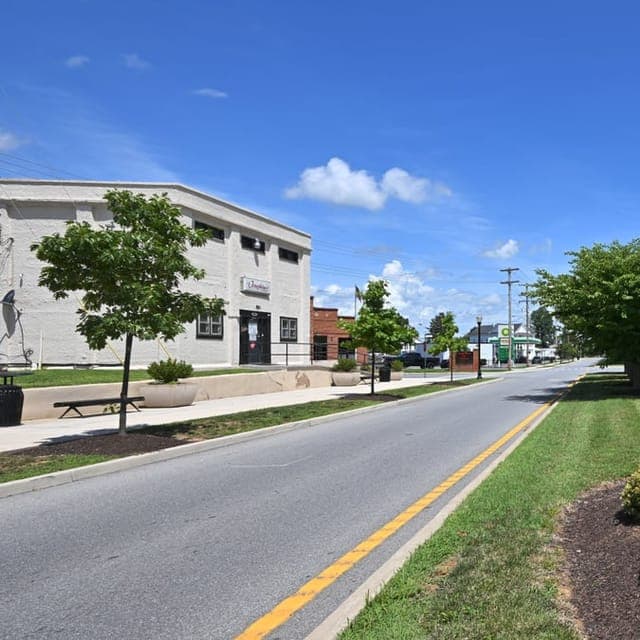
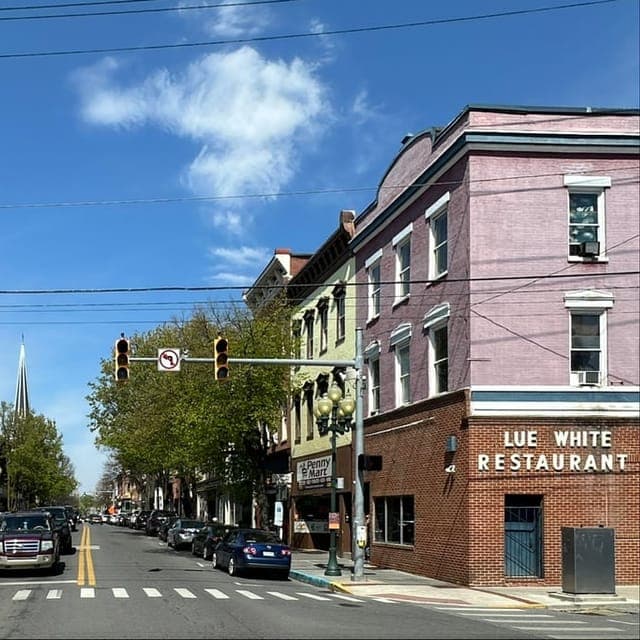
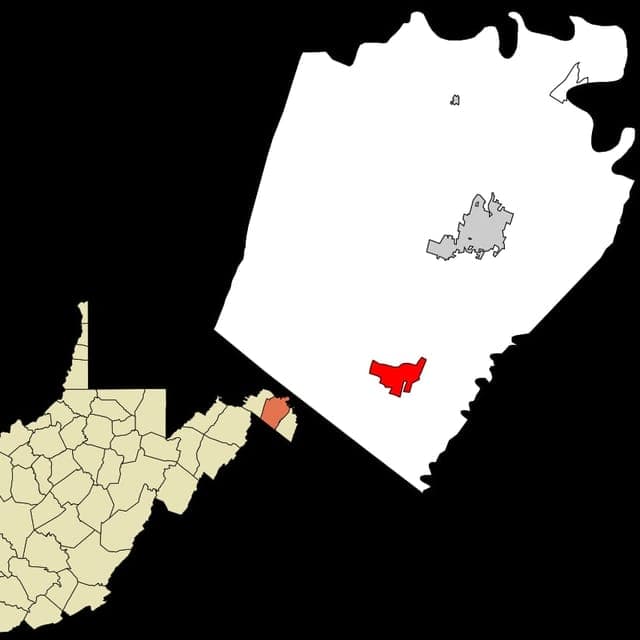
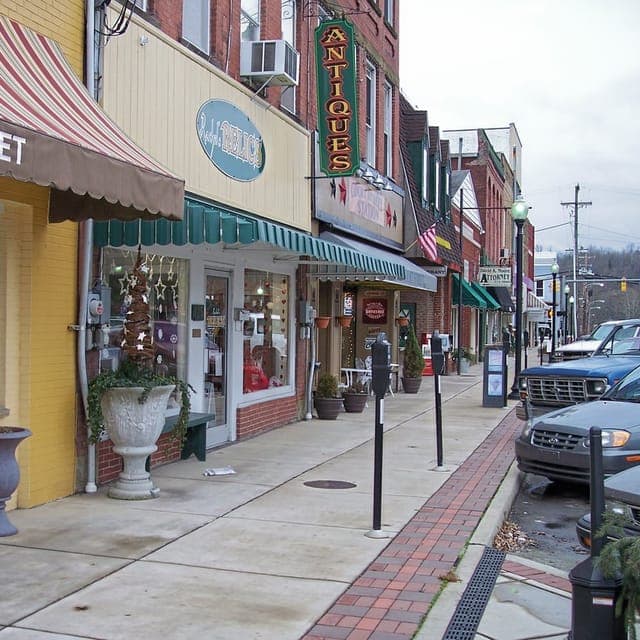

* Values derived from national, state, county, city and local statistics and may differ in a specific area. Last updated: 2026-07-03T16:27:19.000Z
Narrative content on this page is AI-generated and may contain mistakes. Verify any details that matter before acting on them.
ReloMaps may earn a commission from affiliate links at no extra cost to you.

