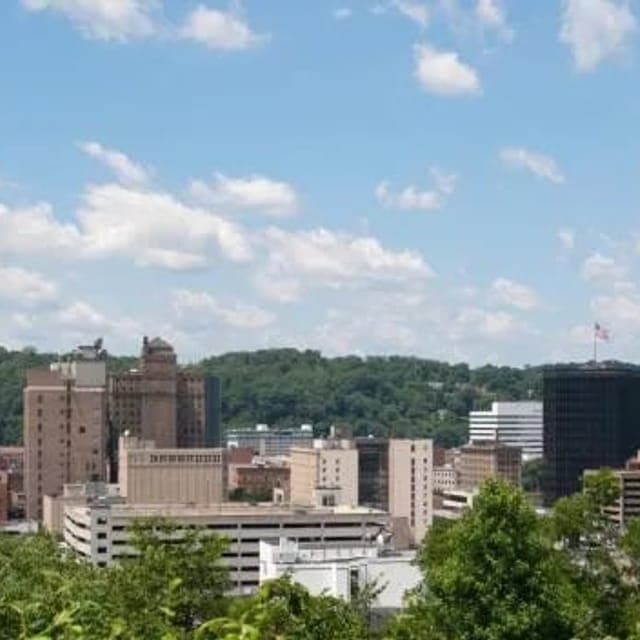
Photo: Wikipedia
Demographics of West Virginia
Affluence Level in West Virginia
A middle-class area roughly in line with national averages across income, home values, education, and employment.
People of West Virginia
The people of West Virginia today number just over 1.78 million, making it one of the least densely populated states east of the Mississippi. The population is overwhelmingly native-born — only 0.8% foreign-born, the lowest of any state — and 90.2% white, a demographic profile shaped by centuries of Appalachian isolation and out-migration rather than new immigration. What defines West Virginians is less ethnic diversity than a deep-rooted regional identity: a Scots-Irish and German heritage, a history of coal and labor struggle, and a stubborn independence that remains the state's most cited cultural marker.
Settlement & growth (pre-1960)
Before European contact, the land now called West Virginia was a contested hunting ground rather than a permanent home. The Iroquois Confederacy claimed it by right of conquest, while the Shawnee, Delaware, and Cherokee nations also used its valleys and ridges for seasonal hunting. No major Native American settlements existed within the state's borders at the time of European arrival; the region was largely a buffer zone between tribes, which is why early white settlers found a wilderness empty of established villages.
The first permanent European settlers were Scots-Irish and German pioneers who crossed the Blue Ridge from Pennsylvania and Virginia in the 1730s and 1740s. They followed the Great Wagon Road south and then turned west through the Shenandoah Valley, settling the eastern panhandle around Martinsburg and Shepherdstown. These were subsistence farmers, not plantation owners — the mountainous terrain was unsuited to the slave-based agriculture of Tidewater Virginia. By the time of the American Revolution, the population of what would become West Virginia was already distinct: overwhelmingly white, fiercely independent, and suspicious of the planter aristocracy in Richmond.
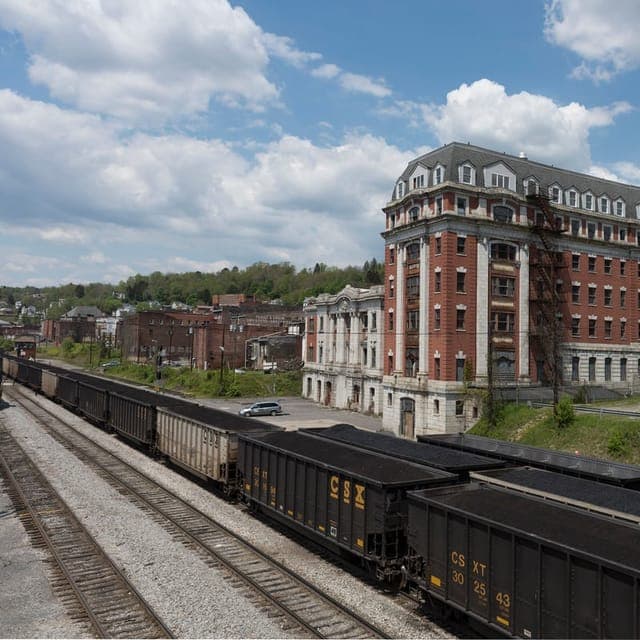
The 19th century brought two transformative waves. The first was the construction of the Baltimore and Ohio Railroad in the 1850s, which opened the state's interior to coal mining. Immigrants poured in — first the Irish, who built the railroad itself and settled in Wheeling and Morgantown, then Italians, Poles, Hungarians, and other Southern and Eastern Europeans who arrived between 1880 and 1920 to work the mines. These groups concentrated in the southern coalfields: Beckley, Bluefield, and Logan became company towns with distinct ethnic neighborhoods. At the same time, African Americans moved into the same coalfields from the Deep South, recruited as strikebreakers and then as miners; by 1930, West Virginia's Black population had reached 6.6%, its historic peak, concentrated in McDowell County and around Charleston.
The second transformative event was the Civil War itself. West Virginia broke away from Virginia in 1863, joining the Union, and the war cemented the state's identity as a place apart. The post-war decades saw the rise of the United Mine Workers and a series of violent labor conflicts — the Mine Wars of 1912-1921, including the Battle of Blair Mountain — that forged a union culture that persisted for generations. The state's population peaked at just under 2.0 million in 1950, supported by a booming coal industry that employed one in every five West Virginians.
Modern era (post-1965)
The 1965 Hart-Cellar Act, which reshaped American immigration by opening entry to non-European nations, had almost no effect on West Virginia. The state's foreign-born population remains the lowest in the country at 0.8%, and its white share — 90.2% — is the second-highest after Maine. The demographic story of modern West Virginia is not immigration but emigration: the collapse of the coal industry after 1950 triggered a half-century of population loss that continues today.
Between 1950 and 2020, West Virginia lost roughly 200,000 residents, most of them young adults and families leaving for manufacturing jobs in the Midwest and, later, for the Sun Belt. The state's population is now the oldest in the nation by median age (42.7), and its college-educated share — 23.3% — is the lowest in the country. The small Hispanic population (2.0%) has grown modestly, concentrated in the eastern panhandle around Martinsburg and Charles Town, where proximity to Washington, D.C. has brought some suburban spillover. The Black population has declined to 3.2%, as descendants of the coalfield migrants have left for larger cities. East and Southeast Asian communities (0.5%) and Indian-subcontinent residents (0.3%) are tiny and largely clustered in Morgantown, home to West Virginia University, and in the Charleston area.
The one bright spot in recent decades has been the eastern panhandle. Jefferson and Berkeley counties, anchored by Martinsburg and Charles Town, have grown rapidly as bedroom communities for Washington, D.C. commuters. This corridor is now the most diverse part of the state, with a growing Hispanic population and a small but visible Asian presence. Elsewhere, the story is one of consolidation: the state's 55 counties are losing population, and the remaining residents are aging in place.
The future
West Virginia's population is projected to continue declining, from 1.78 million today to roughly 1.6 million by 2040, according to state demographers. The state will become older, whiter, and more rural, as the eastern panhandle's growth is not enough to offset losses in the southern coalfields and the northern industrial towns. The Hispanic population will grow slowly, likely reaching 3-4% by 2040, concentrated in the panhandle and in service-industry jobs. The Asian and Indian populations will remain negligible outside of Morgantown and Charleston.
The state's cultural identity is unlikely to shift dramatically. The Scots-Irish and German heritage that defined West Virginia for 250 years remains dominant, and the state's politics — heavily Republican, culturally conservative, and skeptical of federal authority — reflect that continuity. The challenge for the next generation is not diversity but depopulation: how to sustain communities, schools, and infrastructure with fewer people and a shrinking tax base.
For someone moving in now, West Virginia offers a place where community ties are strong, the cost of living is low, and the landscape is among the most beautiful in the eastern United States. But it is also a state in demographic retreat — a place where the people who remain are doubling down on a way of life that is slowly disappearing. The kind of place West Virginia is becoming is quieter, older, and more isolated, with fewer opportunities for young families and newcomers unless they are drawn to the specific advantages of small-town Appalachian life.

Most Diverse Cities in West Virginia
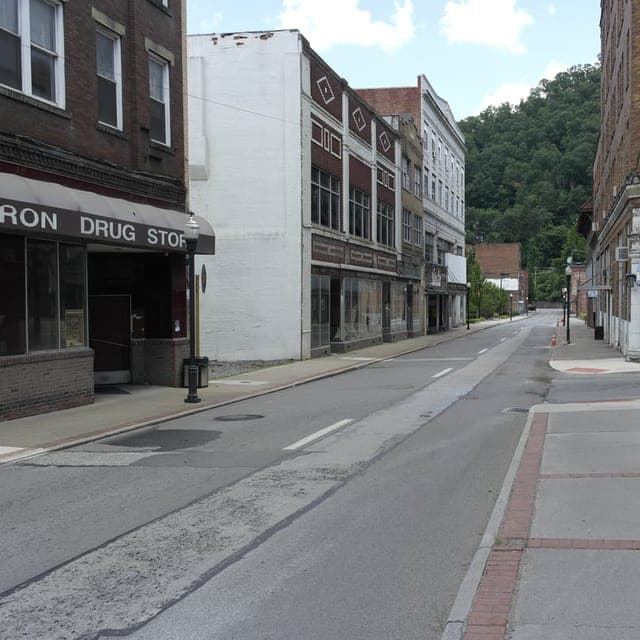
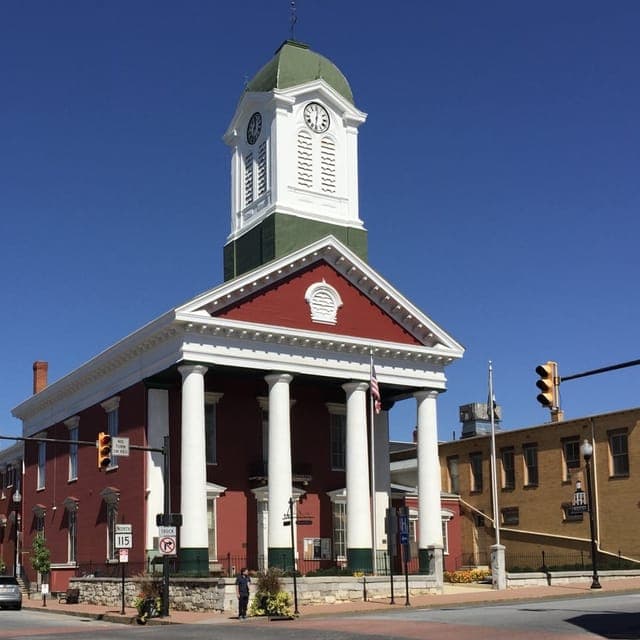
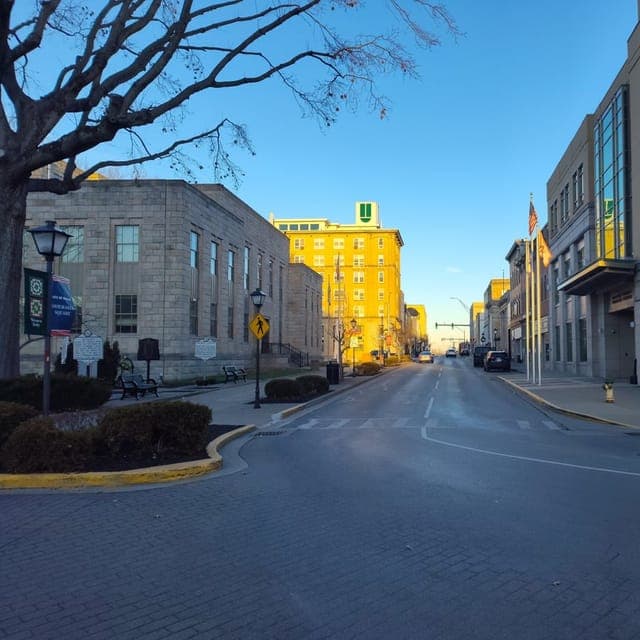
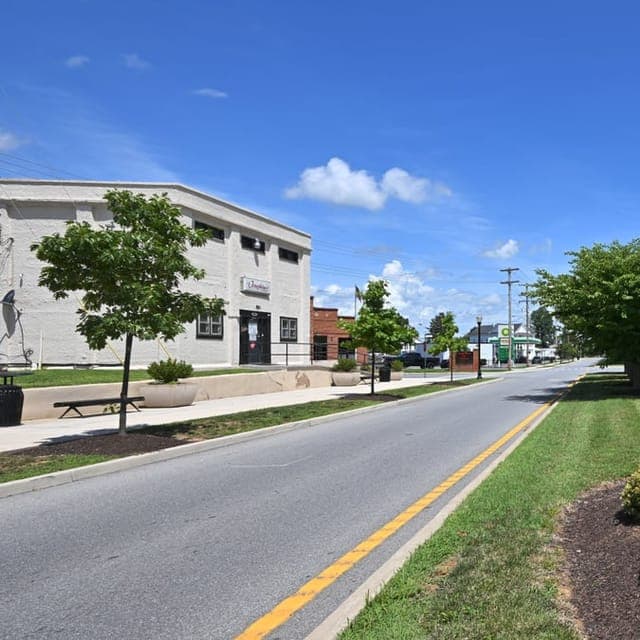
Most Homogenous Cities in West Virginia
* Values derived from national, state, county, city and local statistics and may differ in a specific area. Last updated: 2026-07-03T16:27:19.000Z
Narrative content on this page is AI-generated and may contain mistakes. Verify any details that matter before acting on them.
ReloMaps may earn a commission from affiliate links at no extra cost to you.

