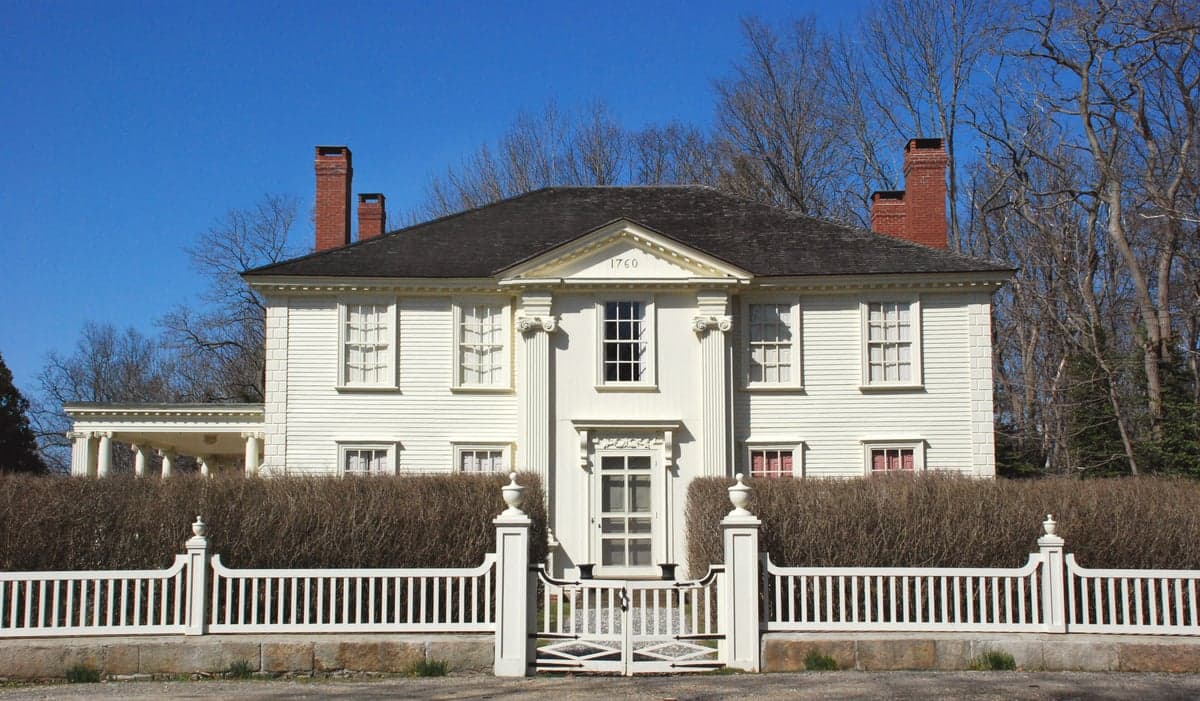
Photo: Wikipedia
Quality of Life in Kittery, ME
A high quality of life with strong walkability, manageable living costs, healthy neighborhood signals, and solid amenity access.
What does Quality of Life tell us?
Quality of Life blends cost of living, nearby amenities, socioeconomic signals, and neighborhood character. City-level scores represent the whole municipality; individual neighborhoods can differ.
What does this tell us?
Quality of Life blends cost of living, nearby amenities, socioeconomic signals, and neighborhood character. City-level scores represent the whole municipality; individual neighborhoods can differ.
Cost of Living
34% above national average
The Real Cost of Living in Kittery, ME for 2026
| Tier | Individual | Family (4) |
|---|---|---|
| Survival | $23k | $43k |
| Comfortable | $73k | $107k |
| Luxury | $107k+ | $165k+ |
| Elite (Top 5%) | $126k+ | $195k+ |
67%
The Area Signal
A metric tracking the socioeconomic signals of the area.
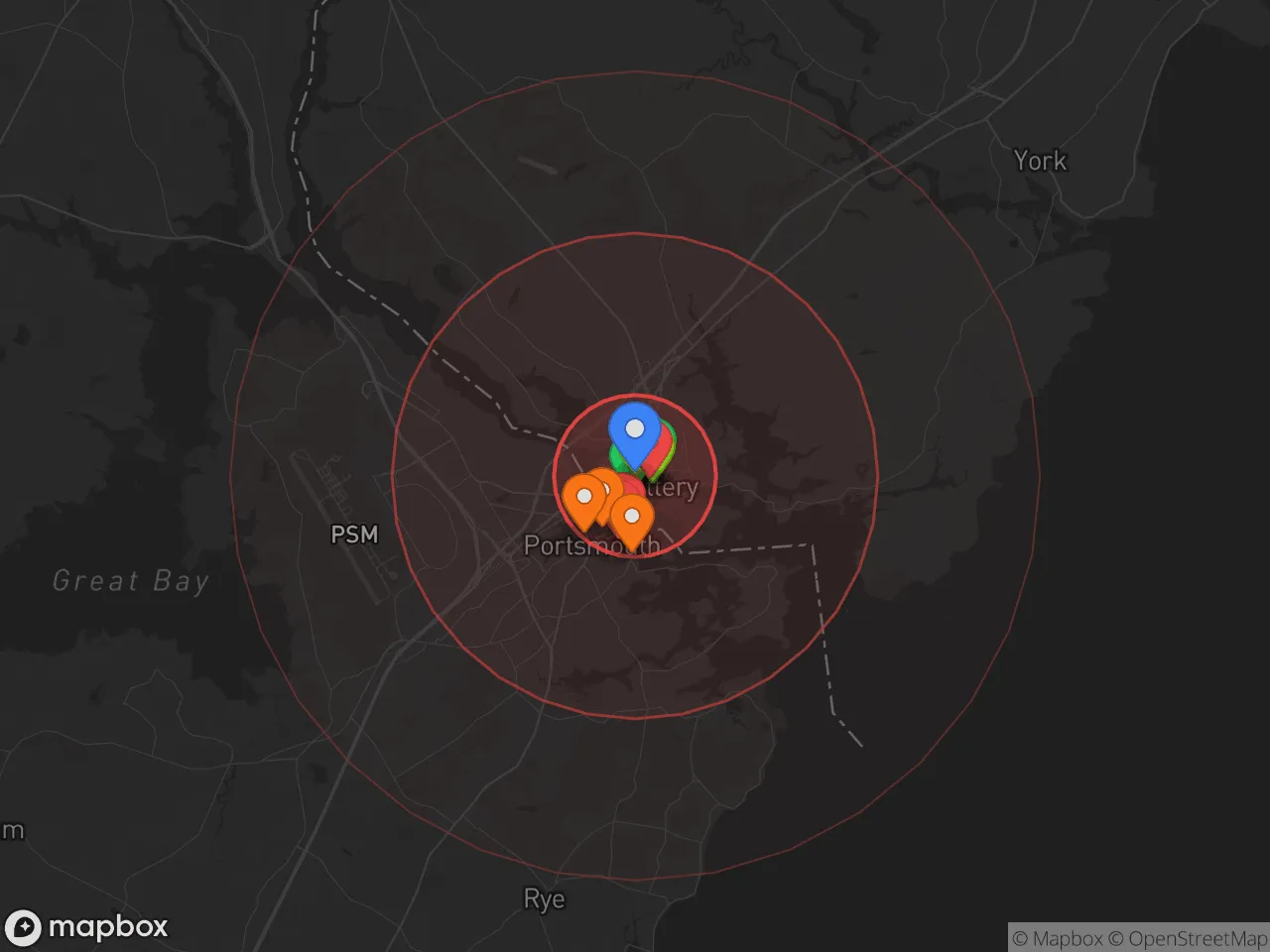
Hobbies
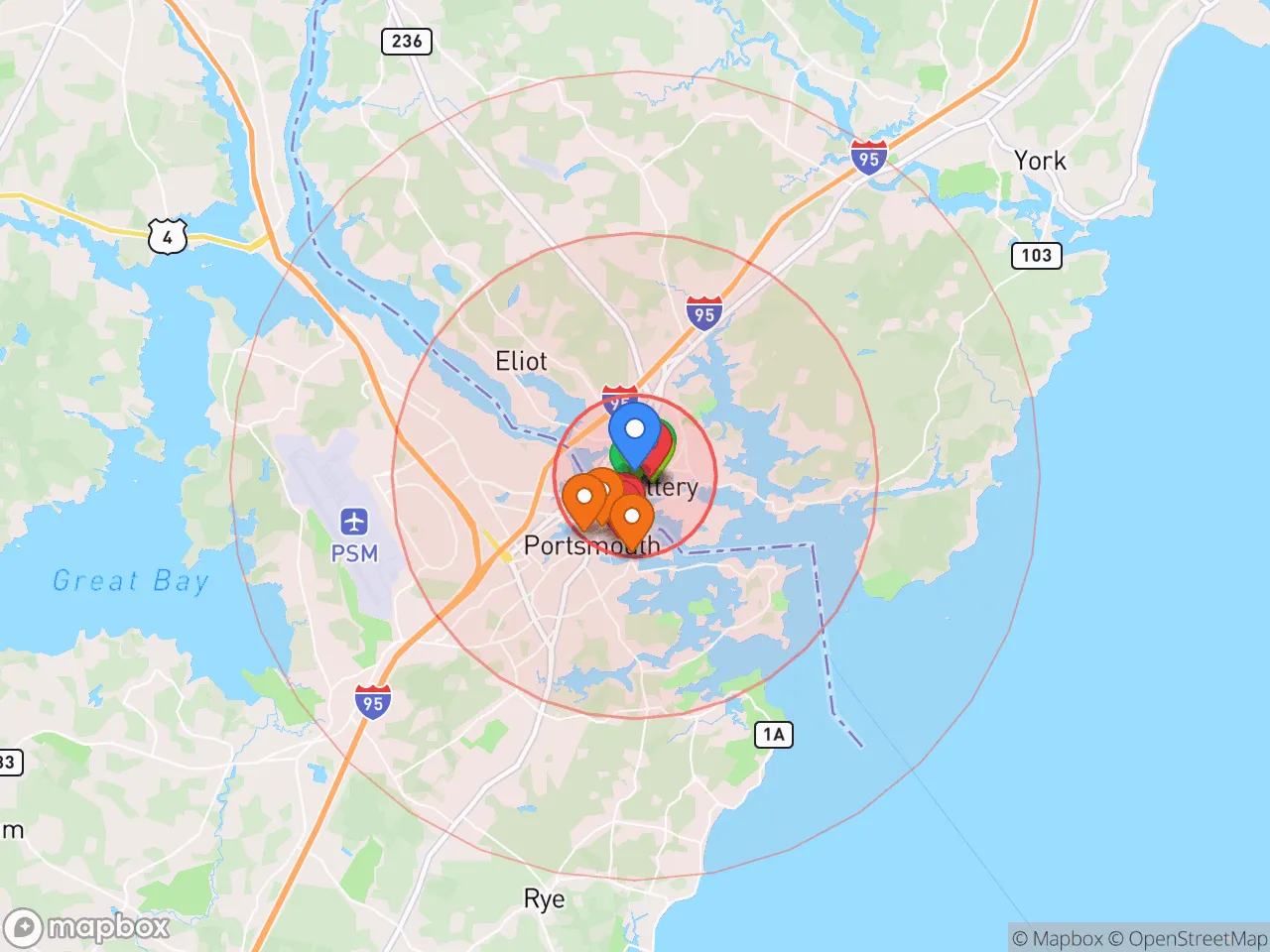
Explore the areaGroceries
8 within 10 miles
Gas
20 within 10 miles
Hospital
7 within 20 miles
Airport
PDX — Portland International Jetport
Post Office
USPS — Kittery, ME
Critical Amenities
Quality-of-Life Analysis
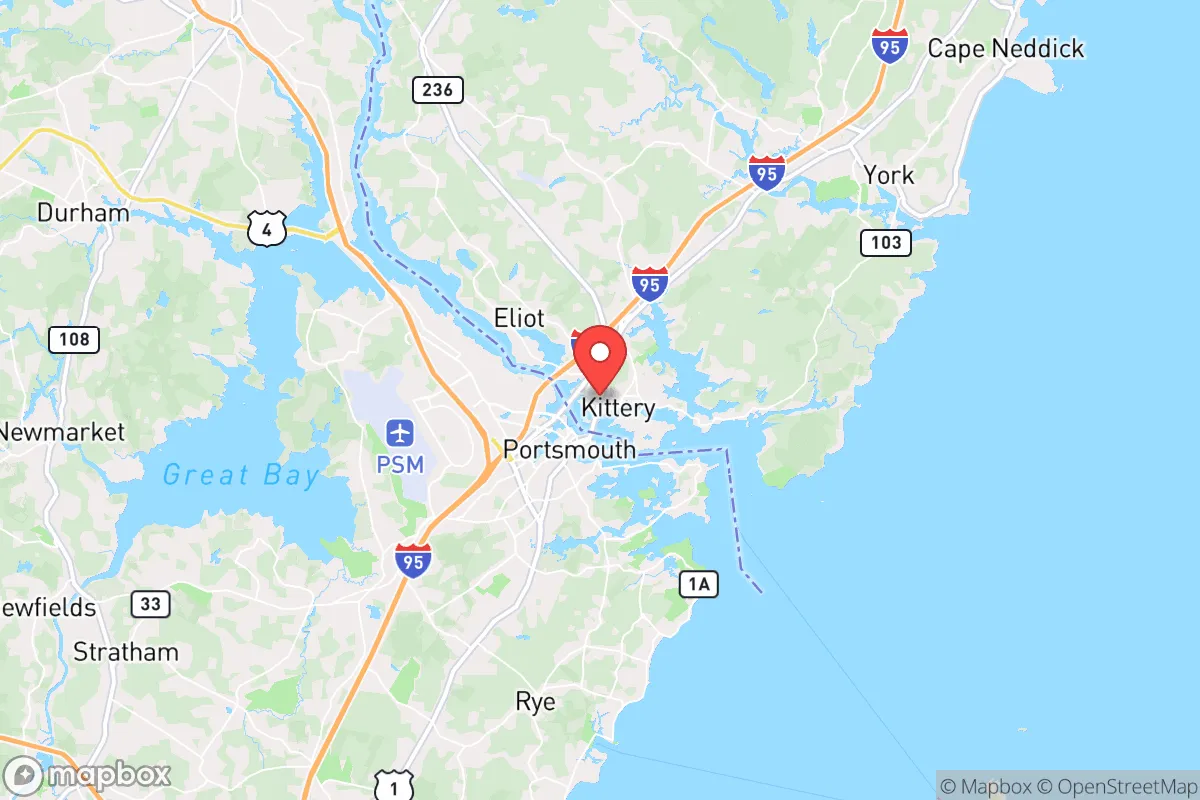
Kittery, Maine, is an affluent coastal town where the cost of living index of 134 (34% above the national average) attracts a mix of professionals, naval personnel, and second-home buyers drawn to its historic seaport and proximity to Portsmouth, New Hampshire. The town’s population of roughly 5,000 is characterized by a high proportion of college-educated residents and a median household income that consistently exceeds state and national medians, reflecting its status as a desirable bedroom community for the Portsmouth Naval Shipyard and the broader Seacoast region.
Cost of living, housing affordability, and how Kittery compares to nearby towns
Kittery’s cost of living is driven primarily by housing, with a median home value of $421,400 — roughly $100,000 above the Maine state median but still below Portsmouth, NH (where median values exceed $550,000). The median rent of $1,431 is comparable to neighboring Eliot and York, but significantly cheaper than downtown Portsmouth’s $1,800+ average. However, Kittery’s housing stock is older (many pre-1900 homes) and inventory is tight, with fewer than 2 months of supply in 2025. The average commute of 27 minutes is slightly longer than the national average, but most residents drive to jobs in the Portsmouth Naval Shipyard (a 10-minute drive) or to Portsmouth’s commercial core. Property taxes in Kittery run about 1.2% of assessed value, which is moderate for Maine but higher than New Hampshire’s 0.8% average — a factor that pushes some buyers across the Piscataqua River.
What daily life is like for families: schools, amenities, and community rhythm
Kittery’s daily rhythm is defined by its walkable village center, Kittery Foreside, which offers boutique shops, seafood restaurants, and the Kittery Community Center (with a pool, gym, and senior programs). The town’s public schools — Frisbee Elementary, Shapleigh Middle, and Traip Academy — serve about 1,200 students and consistently rank in the top 20% of Maine schools for test scores, though class sizes average 18-20 students. For amenities, residents rely heavily on Portsmouth for groceries (Trader Joe’s, Whole Foods), healthcare (Portsmouth Regional Hospital), and entertainment (The Music Hall, Prescott Park). Outdoor life centers on Fort Foster Park (with its historic pier and tidal pools) and the 3.5-mile Kittery Land Trust trail network. The town’s biggest annual event is the Kittery Block Party in August, which draws 5,000+ visitors and underscores the tight-knit, family-oriented atmosphere. Traffic on Route 1 can be heavy during summer weekends, but most errands are done within a 10-minute drive.
Kittery is best suited for professionals and families who prioritize coastal access, strong schools, and a small-town feel within commuting distance of Portsmouth’s job market. Retirees and remote workers will appreciate the quiet winters and proximity to Portland (50 minutes) and Boston (70 minutes), but the high housing costs and limited rental inventory make it challenging for first-time buyers or lower-income households. Those who thrive here value walkable neighborhoods, maritime heritage, and a community where the annual Strawberry Festival and Fourth of July parade are social anchors.

Crime in Kittery, ME
Lower crime rates than 93% of comparable U.S. locations.
Violent CrimeViolent Crime Analysis
Property CrimeProperty Crime Analysis
Crime Analysis
Kittery, Maine, presents a mixed safety profile: its violent crime rate is remarkably low at 26.5 incidents per 100,000 residents, but its property crime rate of 1,050.5 per 100,000 is notably elevated, particularly for a small town. This divergence means that while the risk of a violent encounter is minimal, residents face a statistically higher chance of experiencing theft, burglary, or vandalism. The town's proximity to the Portsmouth, NH metro area and its position as a major retail hub along Interstate 95 contribute to this dynamic, drawing in transient populations that can drive property crime.
Crime in context
Kittery's violent crime rate is a fraction of both the Maine state average (roughly 110 per 100,000) and the national rate (approximately 380 per 100,000), placing it among the safest communities in the region for personal safety. However, its property crime rate is significantly higher than the Maine average of around 1,200 per 100,000 and well above the national figure of roughly 1,950 per 100,000. The town's heavy reliance on retail—anchored by the Kittery Outlets and numerous big-box stores—inflates these numbers, as shoplifting and vehicle break-ins in commercial parking lots are common. It is important to note that Kittery falls under the jurisdiction of York County, which has seen a trend toward progressive prosecution policies in recent years. Critics argue that such an approach, while focused on rehabilitation, can result in reduced consequences for repeat property offenders, potentially emboldening criminal activity and undermining public confidence in the justice system.
What residents experience
For daily life, Kittery feels safe in terms of violent crime; muggings, assaults, and homicides are exceedingly rare. Residents' primary safety concern is property crime, particularly theft from vehicles and package theft, which are common in the town's dense residential neighborhoods near the outlets. The Kittery Police Department maintains a visible presence and has implemented community policing initiatives, but the town's layout—with major highways and easy access to the Maine-New Hampshire border—makes it a convenient target for transient criminals. The progressive judicial philosophy in the region, which often prioritizes diversion programs over incarceration for non-violent offenders, has been cited by local law enforcement as a factor that can lead to repeat offenses, as the same individuals cycle through the system without facing meaningful deterrents.
Neighborhood-level variation is notable. The area around the Kittery Outlets and Route 1 commercial corridor sees the highest concentration of property crime, while residential streets further inland, such as those in the Kittery Point and Admiralty Village neighborhoods, report far fewer incidents. These quieter areas are considered very safe, with strong neighborhood watch programs and a lower volume of through traffic. Prospective residents should weigh the convenience of living near the outlets against the elevated property crime risk, and prioritize homes with secure parking and package delivery solutions.
* Values derived from national, state, county, city and local statistics and may differ in a specific area. Last updated: 2026-10-11T02:58:03.000Z
Narrative content on this page is AI-generated and may contain mistakes. Verify any details that matter before acting on them.
ReloMaps may earn a commission from affiliate links at no extra cost to you.

