 Popular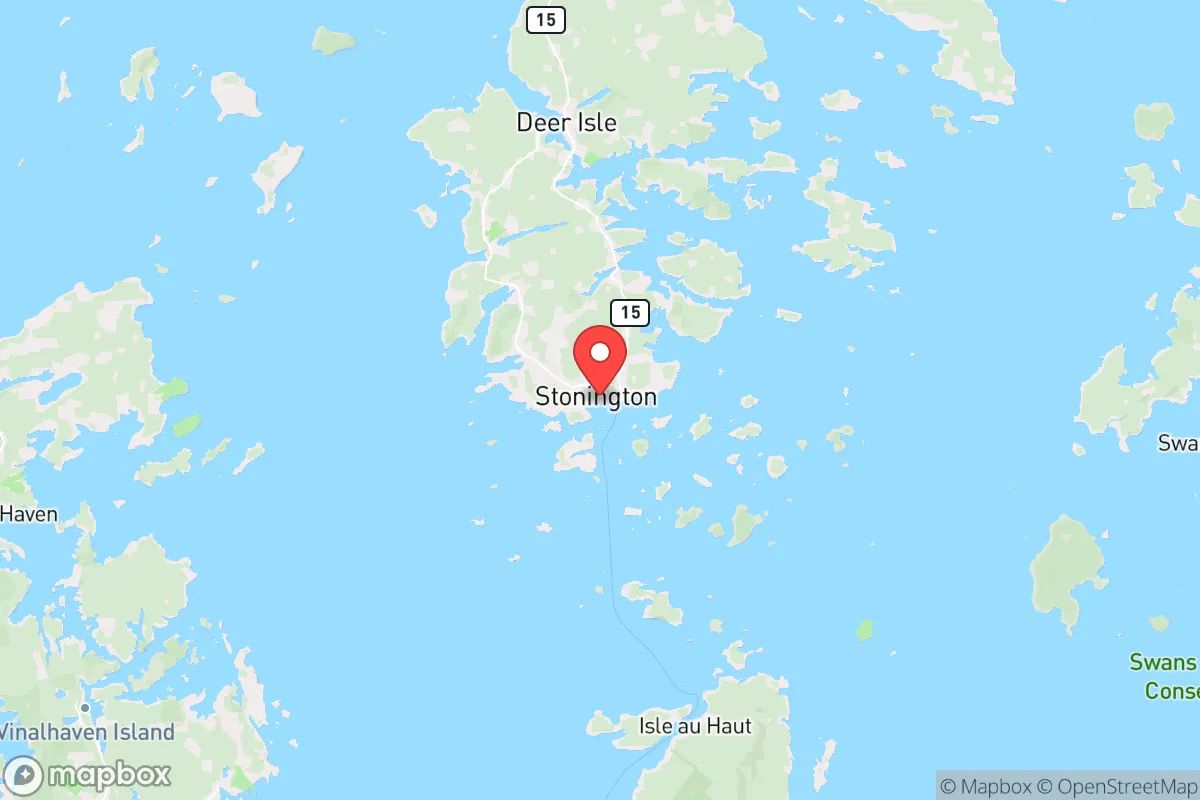

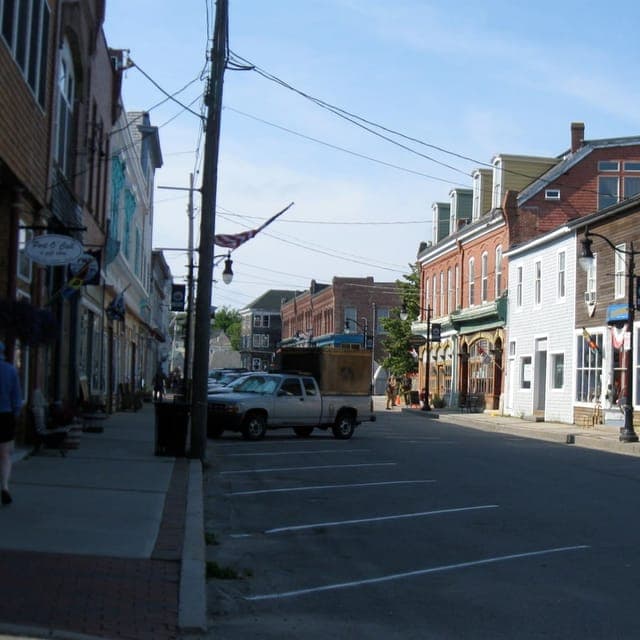
Photo: Wikipedia
An Unincorporated Community in Hancock County, Maine
Find The Best Places To Live
in Stonington
PRO TIP! You can paste a Zillow or Redfin link to get info on that property.
What It's Like Living in Stonington, ME
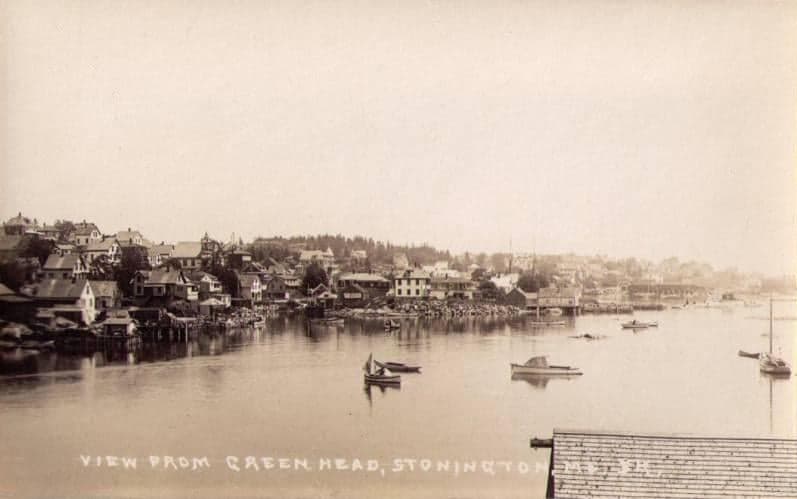
Stonington, Maine, is a working waterfront town at the southern tip of the Deer Isle peninsula, where the rhythm of the day is set by the lobster boats, not the clock. With a year-round population just over 3,100, it feels less like a tourist postcard and more like a place where people actually make a living from the sea. If you’re looking for a quiet, salt-stung community where independence is valued and the nearest traffic jam involves a slow-moving pickup truck, Stonington might feel like home.
The Daily Rhythm: Lobster Boats, Quiet Streets, and Long Winters
Daily life in Stonington revolves around the harbor. A significant portion of the workforce is tied to the fishing industry, and the town’s commercial fleet is one of the largest in the state. You’ll see crew members heading out before dawn, and the smell of diesel and salt hangs in the air. For those not on the water, the average commute is a remarkably short 19 minutes, which often means a scenic drive along Route 15 or a walk to a local shop. The median age here is 55.4, which gives the town a quieter, more settled feel—you won’t find a bustling nightlife, but you will find neighbors who know each other’s names.
Weekends are often spent on practical tasks: stacking firewood, prepping a boat for the next season, or driving 45 minutes to Bangor for a big-box store run. The cost of living index is 87, notably below the national average, which helps stretch a median household income of $62,137. However, that lower cost comes with trade-offs—shopping options are limited, and most residents rely on the local IGA or the seasonal farmers' market for groceries. Dining out means a handful of reliable spots like the Fisherman’s Friend or Aragosta, where the menu changes with the catch.
Who Fits In: The Self-Reliant and the Seasoned
Stonington isn’t for everyone, and that’s part of its identity. It tends to attract people who value solitude, self-reliance, and a slower pace. You’ll find a mix of multi-generational fishing families, retirees who sold property down south, and a small but visible community of artists and writers drawn to the light and the isolation. The college-educated population sits at 32.3%, which is respectable for a rural town, and that often shows up in the form of a robust library scene and occasional gallery talks. Families with young children are less common here than in the more suburban parts of Maine, largely because the school system is small and the job market outside of fishing and tourism is thin. If you work remotely or are retired, Stonington offers a lot of peace for the price.
The median home value is $270,800, which is reasonable for coastal Maine, though inventory is tight and many properties are seasonal cottages. The wealthier summer residents—often from New York or Boston—drive up prices in the warmer months, but the year-round community remains grounded and unpretentious. You won’t find gated communities or country clubs; the local social hub is more likely to be the post office or the town dock.
What’s There to Do: Festivals, Trails, and the High School Gym
Entertainment in Stonington is low-key and community-driven. The biggest annual event is the Stonington Lobster Boat Races, where working lobster boats are stripped down and raced for bragging rights—it’s a genuine local tradition, not a tourist trap. The Deer Isle-Stonington High School sports teams are a major focal point, especially basketball and soccer. On a winter Friday night, the gym is one of the few places where a good chunk of the town gathers, and the games are taken seriously. There are no professional sports teams nearby, but the Boston teams—Red Sox, Patriots, Celtics—are followed with the usual New England devotion.
Outdoor life is the main draw. Hiking trails on nearby Isle au Haut (accessible by mail boat) offer solitude that’s hard to find elsewhere. Kayaking, birding, and photography are common pastimes. The town has a handful of bars and pubs, including the Stonington Opera House, which doubles as a performance venue and movie theater. It’s not a place with a music festival scene or a nightclub district; entertainment here means a potluck at the community center or a quiet drink at a harbor-side bar. For those who find that limiting, it’s a real con. For those who don’t, it’s the point.
Pros and Cons of Living in Stonington
Longtime residents love the safety and the pace. The violent crime rate is 93.6 per 100,000, which is low enough that most people don’t lock their doors. The sense of community is genuine—if your car breaks down, someone will stop. But the isolation can wear on people. Winters are long, gray, and quiet, and seasonal affective disorder is a real consideration. The school system, while dedicated, is small, which means fewer extracurricular options for kids. And while the cost of living is low, the job market is narrow; most new arrivals need to bring their income with them. The weather is another practical reality: fog can settle in for days, and the wind off Penobscot Bay is relentless in the colder months. If you value convenience, variety, and a fast pace, Stonington will frustrate you. If you value quiet, community, and a life tied to the tides, it might be exactly what you’re looking for.

Similar small towns to Stonington


* Values derived from national, state, county, city and local statistics and may differ in a specific area. Last updated: 2026-09-05T23:41:24.000Z
Narrative content on this page is AI-generated and may contain mistakes. Verify any details that matter before acting on them.
ReloMaps may earn a commission from affiliate links at no extra cost to you.

