 Popular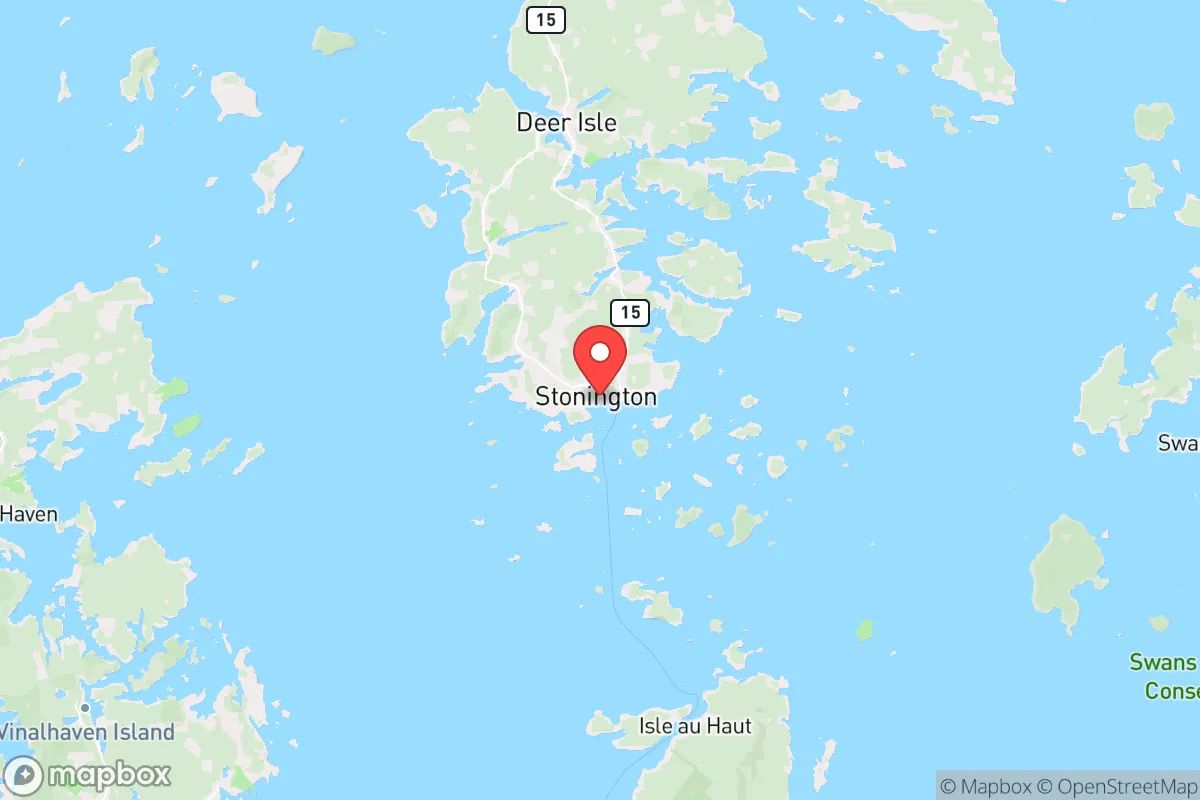
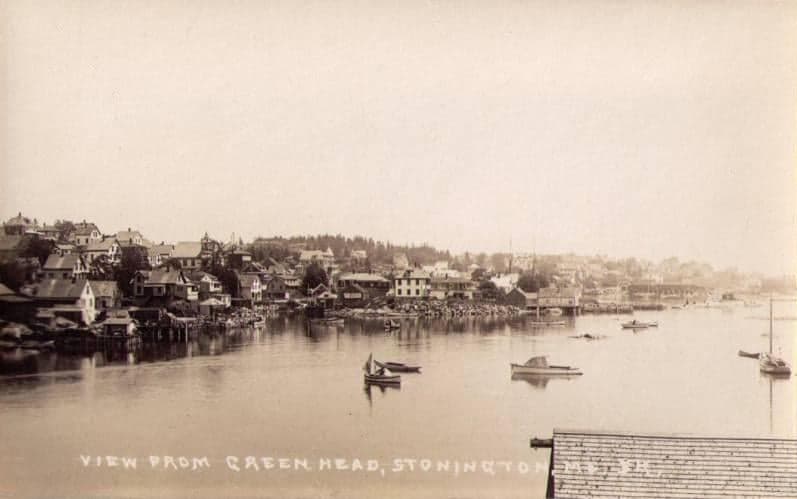
Photo: Wikipedia
Quality of Life in Stonington, ME
Above-average quality of iife. The area offers a reasonable cost of living, decent mobility, and a mix of neighborhood amenities.
What does Quality of Life tell us?
Quality of Life blends cost of living, nearby amenities, socioeconomic signals, and neighborhood character. City-level scores represent the whole municipality; individual neighborhoods can differ.
What does this tell us?
Quality of Life blends cost of living, nearby amenities, socioeconomic signals, and neighborhood character. City-level scores represent the whole municipality; individual neighborhoods can differ.
Cost of Living
13% below national average
The Real Cost of Living in Stonington, ME for 2026
| Tier | Individual | Family (4) |
|---|---|---|
| Survival | $15k | $28k |
| Comfortable | $53k | $77k |
| Luxury | $112k+ | $174k+ |
| Elite (Top 5%) | $139k+ | $215k+ |
80%
The Area Signal
A metric tracking the socioeconomic signals of the area.
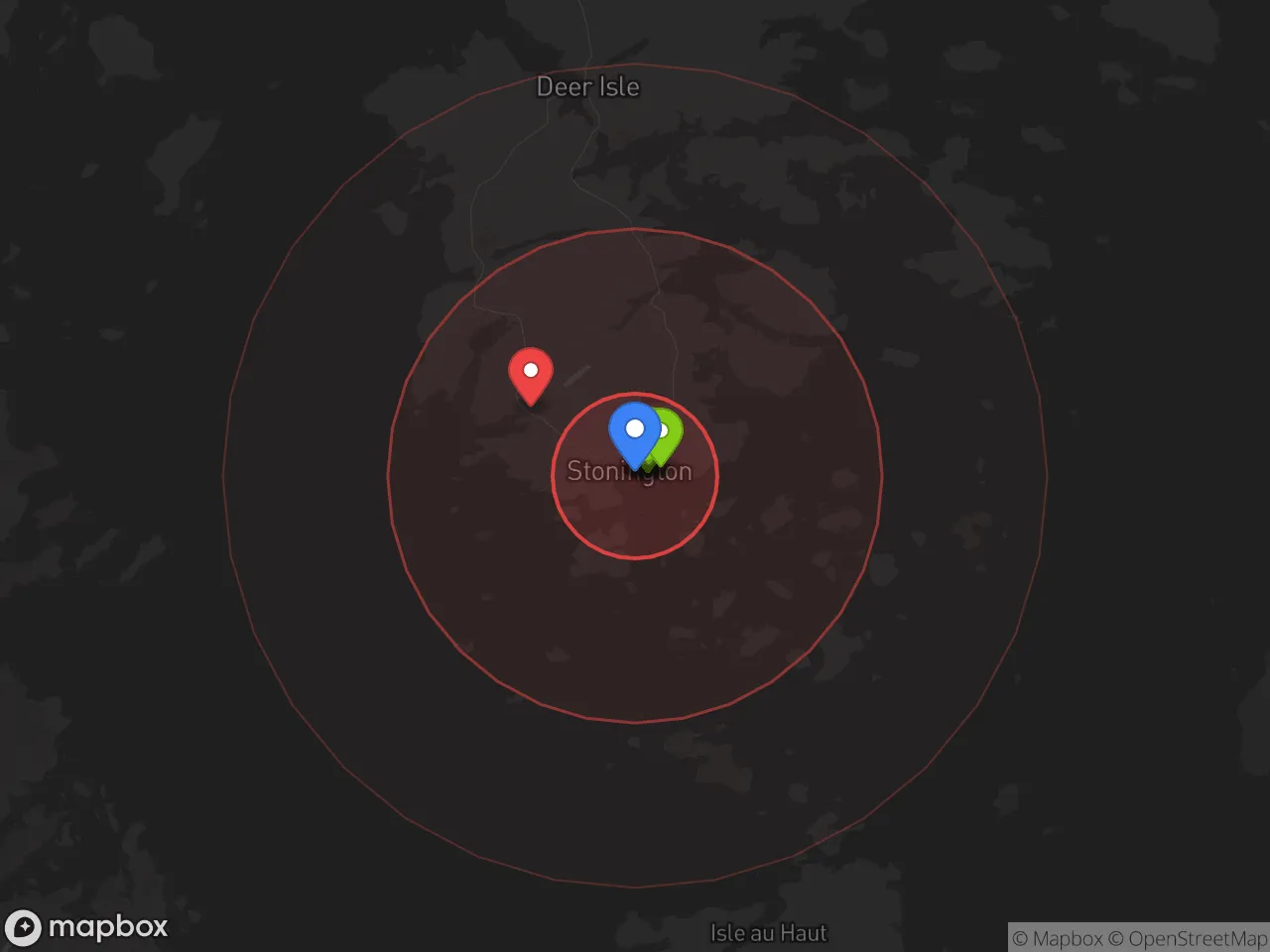
Hobbies
Explore the areaGroceries
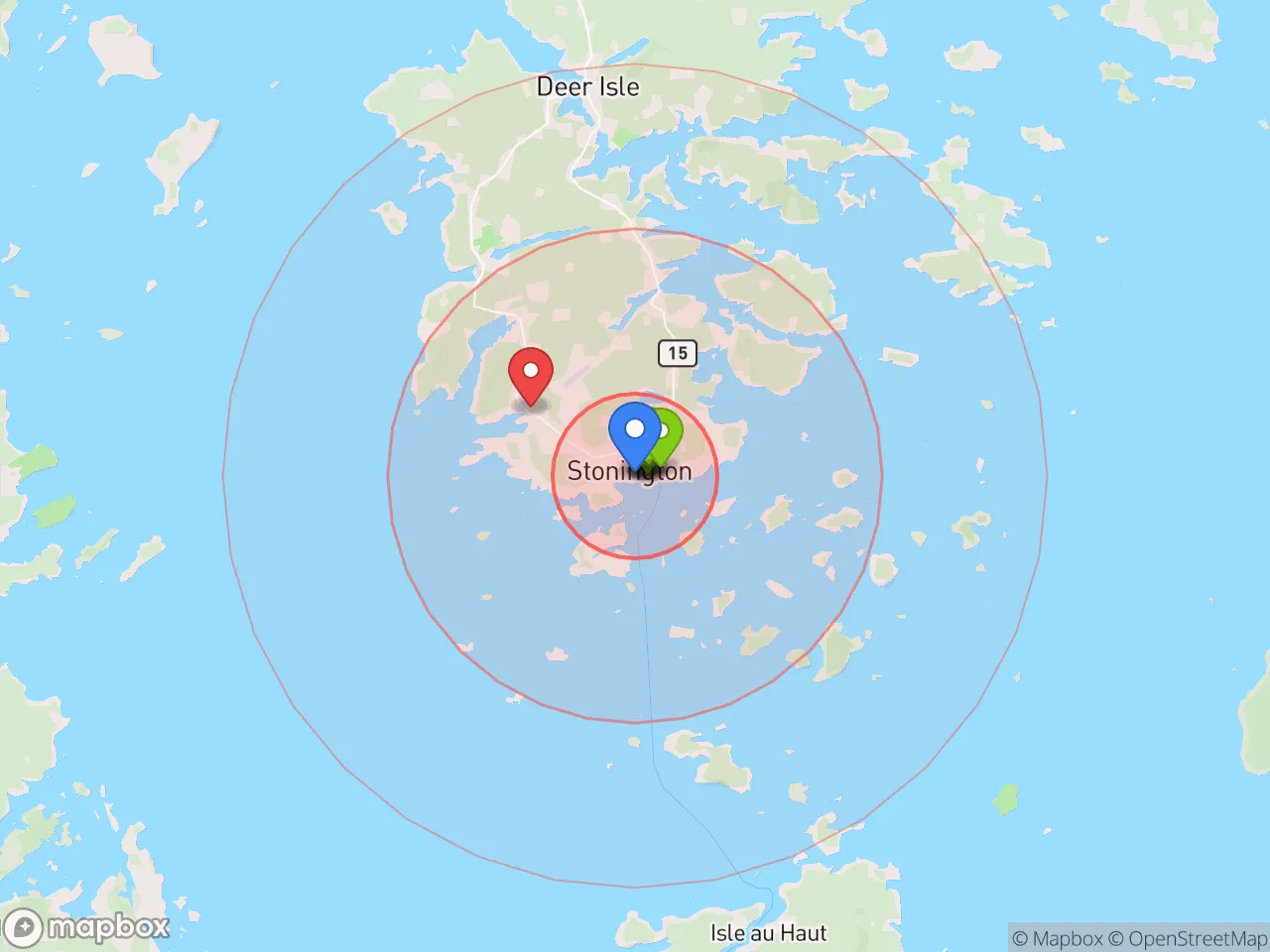
0 within 10 miles
Gas
3 within 10 miles
Hospital
1 within 20 miles
Airport
PDX — Portland International Jetport
Post Office
USPS — Stonington, ME
Critical Amenities
Quality-of-Life Analysis
Stonington, Maine, is a working waterfront community on the southern tip of Deer Isle, where the median home value sits at $270,800 and the cost of living index is 13% below the national average. The town of roughly 1,000 year-round residents blends a deep-rooted lobstering economy with a significant seasonal influx of artists, second-home owners, and retirees drawn to the island's isolation and natural beauty. This is not a wealthy enclave in the traditional sense; rather, it is a place where modest fishing incomes coexist alongside substantial summer capital, creating a distinct social and economic fabric.
How housing costs and affordability compare to Blue Hill and Ellsworth
Stonington's cost of living index of 87 (where 100 equals the U.S. average) makes it noticeably cheaper than the national baseline, but the local housing market tells a more nuanced story. The median home value of $270,800 is significantly lower than nearby coastal towns like Camden or Bar Harbor, yet it is roughly 15-20% higher than inland Hancock County communities. Renters fare better: the median rent of $949 per month is well below the statewide average and undercuts Ellsworth's typical asking rents by several hundred dollars. The average commute of just over 19 minutes reflects that most residents work locally — either on the water, at the island's two granite quarries, or in the service sector — rather than commuting to the mainland job centers of Blue Hill or Bucksport. However, housing inventory is tight, and the seasonal rental market can push summer prices well above the annual median, making year-round tenancy increasingly competitive.
What daily life is like for families, retirees, and remote workers
Stonington's amenities are modest but functional, anchored by the Deer Isle-Stonington Elementary School and the regional high school on the island's northern end, both part of the Union 76 school district. The town's working harbor — one of Maine's largest lobster ports by volume — defines the daily rhythm, with boats departing before dawn and the fish pier bustling by mid-morning. Grocery shopping requires a trip to the island's sole full-service market in Deer Isle village, while more extensive retail, healthcare, and dining options are a 45-minute drive to Ellsworth. For remote workers, broadband access has improved markedly since 2021, though cellular coverage remains spotty on the peninsula's outer edges. The arts scene is disproportionately robust for a town this size, anchored by the Opera House arts center and numerous galleries that operate through the summer months.
Those who thrive in Stonington are typically self-sufficient, tolerant of seasonal weather, and comfortable with a slower pace of life. Families with school-age children will find a safe, tight-knit environment but limited extracurricular and healthcare options. Retirees and second-home owners benefit most from the low cost of living and natural setting, provided they can secure housing in a competitive market. Remote workers and artists can carve out a productive life here, but should expect to travel for specialized services and major shopping. Stonington rewards patience and community engagement; it is less suited to those seeking urban convenience or rapid career advancement.

Crime in Stonington, ME
Lower crime rates than 81% of comparable U.S. locations.
Violent CrimeViolent Crime Analysis
Property CrimeProperty Crime Analysis
Crime Analysis
Stonington, Maine, is one of the safest communities in the state, with a violent crime rate of just 93.6 incidents per 100,000 residents and a property crime rate of 947 per 100,000. These figures place the working fishing village on the Blue Hill Peninsula far below both the Maine state average and national benchmarks, making it a notably secure environment for families, retirees, and seasonal residents.
Crime in context
To understand Stonington’s safety profile, it helps to compare its numbers against broader trends. The national violent crime rate sits at approximately 380 per 100,000, meaning Stonington’s rate is roughly 75% lower than the U.S. average. Property crime nationally hovers around 1,950 per 100,000, so Stonington’s 947 per 100,000 is about half the national figure. Even when measured against Maine’s statewide rates—which are already among the lowest in the country—Stonington outperforms: Maine’s violent crime rate is roughly 109 per 100,000, and its property crime rate is approximately 1,100 per 100,000. In practical terms, a resident of Stonington is statistically more likely to be struck by lightning than to be a victim of a violent crime.
What residents experience
Crime in Stonington is overwhelmingly non-violent and opportunistic. The most commonly reported incidents are theft from unlocked vehicles, petty vandalism, and occasional burglaries of seasonal waterfront properties during the off-season. The town’s year-round population of roughly 1,000 swells significantly in summer, and that influx brings both economic vitality and a modest uptick in minor property offenses. The Hancock County Sheriff’s Office provides primary law enforcement, supplemented by the Maine Marine Patrol, which monitors the working harbor and lobster fleet. Drug-related offenses, particularly opioid possession, occur but are far less visible than in larger Maine towns like Bangor or Portland. Residents consistently cite the community’s tight-knit nature—where neighbors watch each other’s homes and boats—as the most effective deterrent to crime.
One factor that works in Stonington’s favor is the absence of the progressive prosecutorial policies that have driven crime increases in larger metropolitan areas. Hancock County’s district attorney’s office operates with a traditional, victim-centered approach to prosecution, prioritizing accountability for property and drug offenses rather than adopting the catch-and-release policies seen in some urban jurisdictions. For readers concerned about the broader trend of lenient justice systems, Stonington represents the opposite: a rural Maine community where law enforcement and prosecutors work in concert to keep repeat offenders off the streets.
Neighborhood-level variation
While the overall picture is reassuring, some micro-geographic patterns exist. The downtown harbor area and the streets immediately surrounding Main Street see the highest concentration of reported incidents, mostly alcohol-related disturbances and minor thefts tied to the bar and restaurant scene. The residential neighborhoods on the eastern side of the peninsula, particularly around Oceanville and the Green Head area, report virtually no crime at all. The Deer Isle causeway, which connects Stonington to the mainland, serves as a natural chokepoint that limits casual criminal traffic from outside the island. For those considering a move, the safest bet is any of the quiet side roads off Route 15, where the most common "incident" is a deer crossing the yard.
* Values derived from national, state, county, city and local statistics and may differ in a specific area. Last updated: 2026-09-05T23:41:24.000Z
Narrative content on this page is AI-generated and may contain mistakes. Verify any details that matter before acting on them.
ReloMaps may earn a commission from affiliate links at no extra cost to you.

