 Popular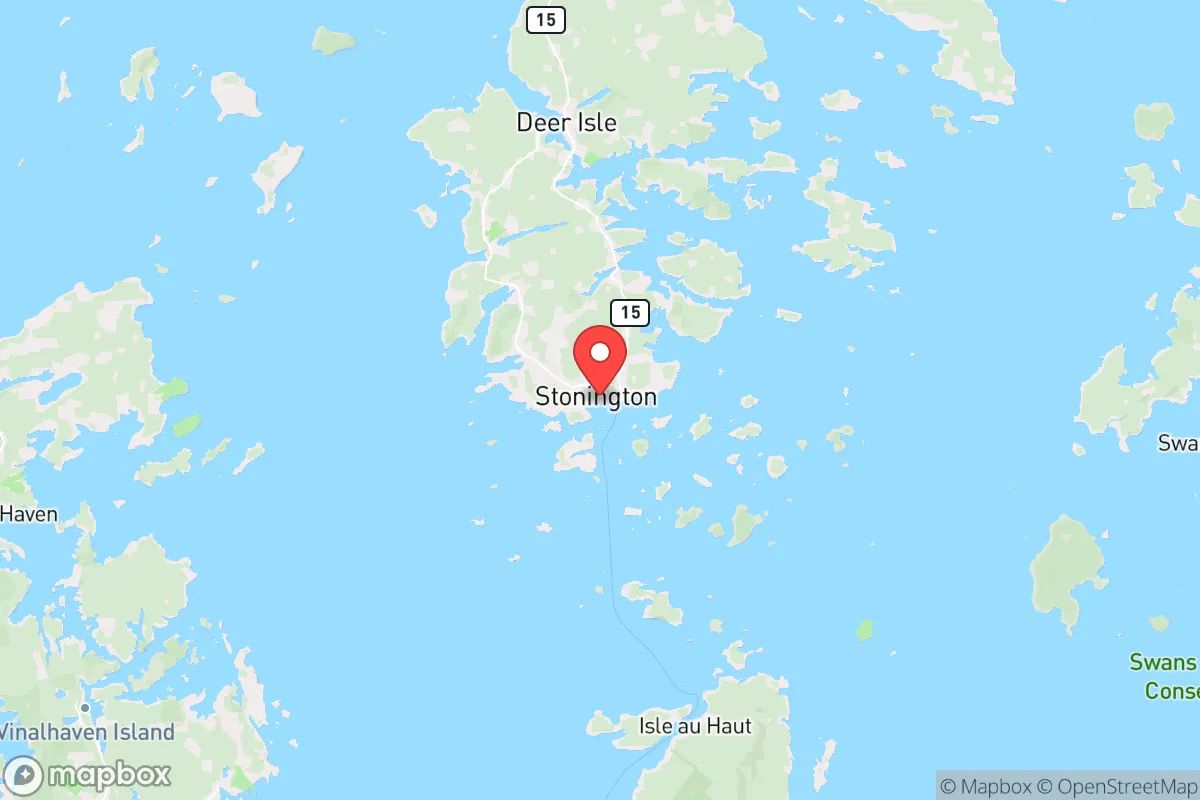
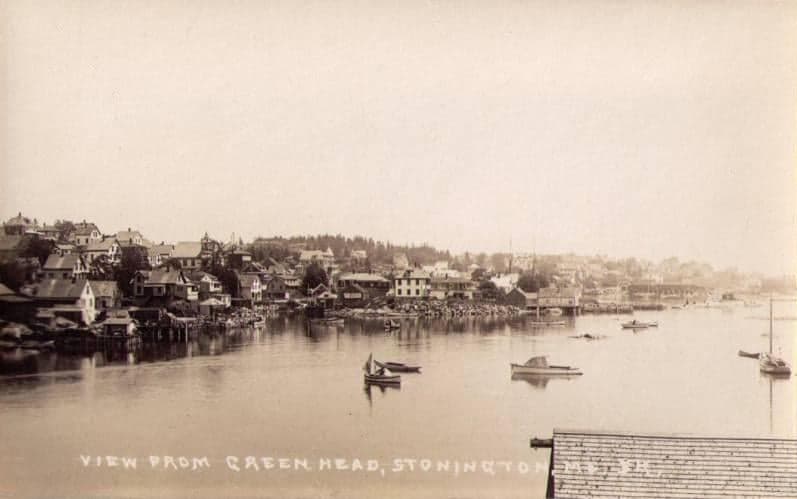
Photo: Wikipedia
Political ClimatePolitical Climate in Stonington, ME
District shown is the primary district for this city’s centroid. Cities may span multiple districts.
Local Political AnalysisPolitical Analysis of Stonington, ME
Stonington sits in a political pocket that’s a bit more conservative than its coastal reputation suggests, carrying a Cook PVI of R+4. That means the town and its immediate voting precinct lean Republican by about four points relative to the national average, which puts it noticeably to the right of Maine’s overall statewide lean—a state that hasn’t backed a Republican for president since 1988. The trajectory here is interesting: while the rest of Hancock County has drifted leftward with the influx of out-of-state buyers and remote workers, Stonington’s working waterfront and year-round fishing community have kept it anchored in more traditional, independent-minded politics.
How it compares
The contrast with Maine as a whole is stark. Maine’s Cook PVI is essentially unknown in the way it’s calculated for states, but the practical reality is that it’s a blue-leaning state—think D+3 or so in recent cycles—driven by the Portland metro and college towns like Orono and Brunswick. Stonington, by contrast, votes more like the inland towns of Ellsworth and Bucksport than like coastal neighbors such as Camden or Bar Harbor, which have become reliably Democratic as tourism and second-home wealth reshaped their demographics. Drive 20 minutes up the peninsula to Deer Isle’s more seasonal neighborhoods and you’ll find a different political flavor; the year-round lobstermen and boatbuilders in Stonington proper tend to vote Republican or, just as often, unenrolled, which is Maine’s largest voting bloc. The R+4 PVI reflects that split: it’s not a deep-red stronghold, but it’s a place where a Republican candidate can win a town meeting vote or a local select board seat without much fuss, something that’s increasingly rare along the Maine coast.
What this means for residents
For conservative residents, Stonington’s lean means their votes actually count in local races—school budget votes, harbor committee seats, and planning board decisions often hinge on a few dozen ballots, and the R+4 tilt gives them a real say. They’ll find kindred spirits at the town wharf or the fishermen’s co-op, and the local GOP isn’t a fringe operation here the way it can be in Portland. For liberal residents, the reality is more about coalition-building. You can live comfortably in Stonington as a Democrat—plenty do—but you’ll need to work across the aisle on issues like marine resource management or short-term rental rules, where the town’s independent streak cuts both ways. The practical upshot is that Stonington punishes ideological purity. A candidate who talks about “coastal elites” or, conversely, about “fishing industry reform” without understanding the actual boats will get nowhere. The town’s politics are pragmatic, transactional, and deeply tied to the health of the lobster fishery and the working harbor.
Culturally, Stonington stands apart from the rest of coastal Maine in one key way: it hasn’t been fully gentrified into a summer colony. That keeps its politics grounded in year-round concerns—fuel costs, ferry schedules to Isle au Haut, and the price of bait—rather than the second-home zoning battles that dominate places like Kennebunkport or Northeast Harbor. The trajectory over the next decade likely hinges on demographics. If working waterfront families hold on, the R+4 lean could persist or even harden. If more remote workers and retirees buy in, expect the PVI to drift toward the statewide average, making Stonington a bellwether for how the rest of rural coastal Maine evolves.

State Political ClimatePolitical Climate in Maine
State Political AnalysisPolitical Environment in the State
Maine is a politically split state in a way that surprises most outsiders: it leans Democratic at the presidential level but has a fiercely independent, libertarian streak that keeps Republicans competitive statewide and hands control of the state legislature back and forth every few cycles. Over the last 20 years, the state has drifted left on social issues while stubbornly resisting the national Democratic brand on taxes, guns, and energy — a combination that makes it one of the more nuanced political environments in New England. The 2024 presidential race saw Kamala Harris win the state’s single statewide electoral vote by roughly 7 points, but Donald Trump flipped Maine’s 2nd Congressional District again, a pattern that has held since 2016.
Urban vs. rural divide
The political map of Maine is essentially a tale of two districts. The 1st District, anchored by the Portland metro area and the southern coast, is solidly Democratic — think of it as the state’s version of a suburban Boston enclave. Portland, South Portland, and the college towns of Brunswick and Lewiston consistently deliver margins of 20-30 points for Democrats. The 2nd District, which covers the vast rural interior and northern counties like Aroostook, Penobscot, and Somerset, is the opposite: it’s one of the most conservative congressional districts east of the Mississippi, voting for Trump by double digits in both 2016 and 2020. The divide isn’t just urban vs. rural — it’s coastal vs. inland. Towns like Bangor and Orono (home to the University of Maine) are blue islands in a red sea, while the working-class mill towns of Millinocket and Rumford have swung hard Republican over the past decade. The suburbs of Portland, particularly Cumberland and York counties, have grown more Democratic as out-of-state transplants arrive, while the northern counties have gotten redder as the old paper mill economy collapsed and voters soured on the national party.
Policy environment
Maine’s policy environment is a genuine mixed bag that defies easy labeling. The tax burden is high by national standards — the state has a progressive income tax with a top marginal rate of 7.15% and property taxes that rank among the highest in the country, especially in rural towns with small tax bases. However, Maine has no sales tax on groceries and offers a significant property tax fairness credit that softens the blow for middle-class homeowners. The regulatory posture leans left on environmental issues — Maine has some of the strictest land-use and wetlands rules in New England — but it’s notably more permissive than Massachusetts or Connecticut on firearms. Maine is a “shall issue” state for concealed carry permits, has no assault weapons ban, and allows permitless carry for those 21 and older. Education policy is locally controlled, with no statewide school choice program, but charter schools and homeschooling are legal and growing in popularity, particularly in the rural 2nd District. Healthcare is a Democratic stronghold: Maine expanded Medicaid under the Affordable Care Act via a 2017 ballot initiative, and the state runs its own insurance marketplace with generous subsidies. Election laws are moderate — same-day voter registration is allowed, but Maine is one of the few states that uses ranked-choice voting for federal and state primaries, a system that has frustrated both parties at different times.
Recent policy direction
The last five years have seen Maine lurch left on several fronts while holding the line on others. In 2023, the Democratic-controlled legislature passed a strict abortion access law that codified the right to abortion up to viability and removed the requirement for a physician to perform the procedure — one of the most permissive laws in the country. The same session saw a sweeping paid family and medical leave program funded by a new payroll tax, which took effect in 2025. On guns, however, Maine has been more resistant: after the 2023 Lewiston mass shooting, the legislature passed a 72-hour waiting period for gun purchases and expanded background checks, but a proposed assault weapons ban failed to pass even with a Democratic majority. On energy, the state has aggressively pursued wind power — including the controversial offshore floating wind project in the Gulf of Maine — while simultaneously fighting to keep natural gas pipelines out of the state, a stance that has driven up heating costs in rural areas. Property rights are a flashpoint: Maine’s 2021 “right to food” constitutional amendment, the first in the nation, protects the right to grow and harvest food for personal consumption, but it has not stopped local ordinances in towns like York and Kennebunk from restricting backyard chickens and beehives. On voting, Maine has moved toward automatic voter registration and expanded mail-in voting, but it has resisted the national Democratic push for felony voting rights restoration, keeping a ban on voting while incarcerated.
Civil unrest & political movements
Maine’s political activism is quieter than most states, but it has real flashpoints. The Lewiston shooting in October 2023 — the deadliest mass shooting in state history — triggered a genuine grassroots movement for gun safety that has shifted the conversation even in rural towns, though the backlash has been equally strong in places like Oxford County, where “shall not be infringed” signs are common. The state has a long tradition of libertarian and secessionist rhetoric in the northern counties — Aroostook County has periodically floated the idea of joining New Brunswick, Canada, and the “State of Northern Maine” movement has been a recurring joke-turned-serious proposal for decades. Immigration is a newer flashpoint: Portland has declared itself a sanctuary city, and the state has seen a surge of asylum seekers from Africa and the Middle East, which has strained housing and social services in Lewiston and Portland. The 2023 shooting, perpetrated by a U.S. Army reservist, was not terrorism-related, but it did expose a mental health crisis in the state’s veteran community. Election integrity has been a quieter issue here than in swing states — Maine’s ranked-choice voting system has been challenged in court multiple times, but it has survived, and both parties have learned to game it. The most visible political movement in recent years has been the fight over the Central Maine Power corridor, a 145-mile transmission line through western Maine that became a proxy war over out-of-state influence and environmental regulation — voters repealed it in 2021, then the state supreme court reinstated it, and the project is now under construction despite ongoing protests.
Projection
Over the next decade, Maine is likely to get bluer at the statewide level but redder in the interior. The in-migration pattern is clear: retirees and remote workers from Massachusetts, New York, and Connecticut are buying up coastal property from Kittery to Camden, and they vote Democratic. The 2020 census showed Maine gaining population for the first time in decades, almost entirely in the southern counties. Meanwhile, the northern and eastern counties are losing young people to out-migration, which accelerates their conservative tilt. The state’s electoral vote math is unlikely to change — Maine’s two districts are so gerrymandered by geography that they’ll stay split — but the statewide races will tighten. The Republican Party’s best path to the Blaine House runs through the 2nd District, and the 2026 gubernatorial race will be a test of whether a moderate Republican can hold the rural base while peeling off independents in the suburbs. The bigger wildcard is the energy transition: if offshore wind and the corridor project deliver on their promises, the southern economy will boom and the left consolidates; if they fail and heating costs keep rising, the populist backlash in the north could produce a genuine third-party movement. A new resident moving to Portland in 2026 should expect a state that is culturally liberal, fiscally pragmatic, and increasingly divided along the same geographic lines that split the rest of the country.
For a conservative relocating to Maine, the practical reality is that you’ll find a welcoming gun culture, low crime, and a live-and-let-live attitude in most rural towns, but you’ll also pay high property taxes and deal with a state government that is firmly in Democratic hands on social policy. For a liberal, you’ll find a state that protects abortion access and voting rights, but you’ll also face a housing crisis in the Portland area and a rural population that is openly hostile to the national Democratic agenda. The bottom line: Maine rewards self-reliance and punishes ideological rigidity. Pick your town carefully — the difference between living in Portland and living in Presque Isle is the difference between living in two different countries, and both are available within a three-hour drive.
* Values derived from national, state, county, city and local statistics and may differ in a specific area. Last updated: 2026-09-05T23:41:24.000Z
Narrative content on this page is AI-generated and may contain mistakes. Verify any details that matter before acting on them.
ReloMaps may earn a commission from affiliate links at no extra cost to you.

