B
Overall1.1kPopulation

B
ReloScore1.1kPopulation
Photo: Wikipedia
ReloMaps Score7/10
B
HousingHousing Affordability6/10
Stretched: 4.9x income
Population Density10/10
Open: 0/sq mi
WalkWalkability1/10
Car-Dependent: 12/100
AirAir Quality9/10
Great: 37 AQI
HumidityClimate Comfort9/10
Dry: 58°F dew pt
HealthcareHealthcare Access10/10
Excellent
StabilityPopulation Stability7/10
Growing
CostCost of Living9/10
Affordable: 100 index
Economic Opportunity5/10
Stable: $70k median
Job Market7/10
Strong: 3.4% unemployment
Wealth Floor6/10
Good
Taxes3/10
Predatory: 12.4% burden
Crime & Safety8/10
Very Safe
TrafficTraffic Safety3/10
Dangerous
Education8/10
Strong
DegreedPopulation Education Level6/10
Mixed: 50% degreed
HomesteadingHomesteading Potential9/10
Prime
WaterTap Water5/10
Fair
National DisasterNational Disaster Risk4/10
Moderate
Power Grid5/10
Average: ~274 min/yr
Find The Best Places To Live
in Blue Hill
PRO TIP! You can paste a Zillow or Redfin link to get info on that property.
What It's Like Living in Blue Hill, ME
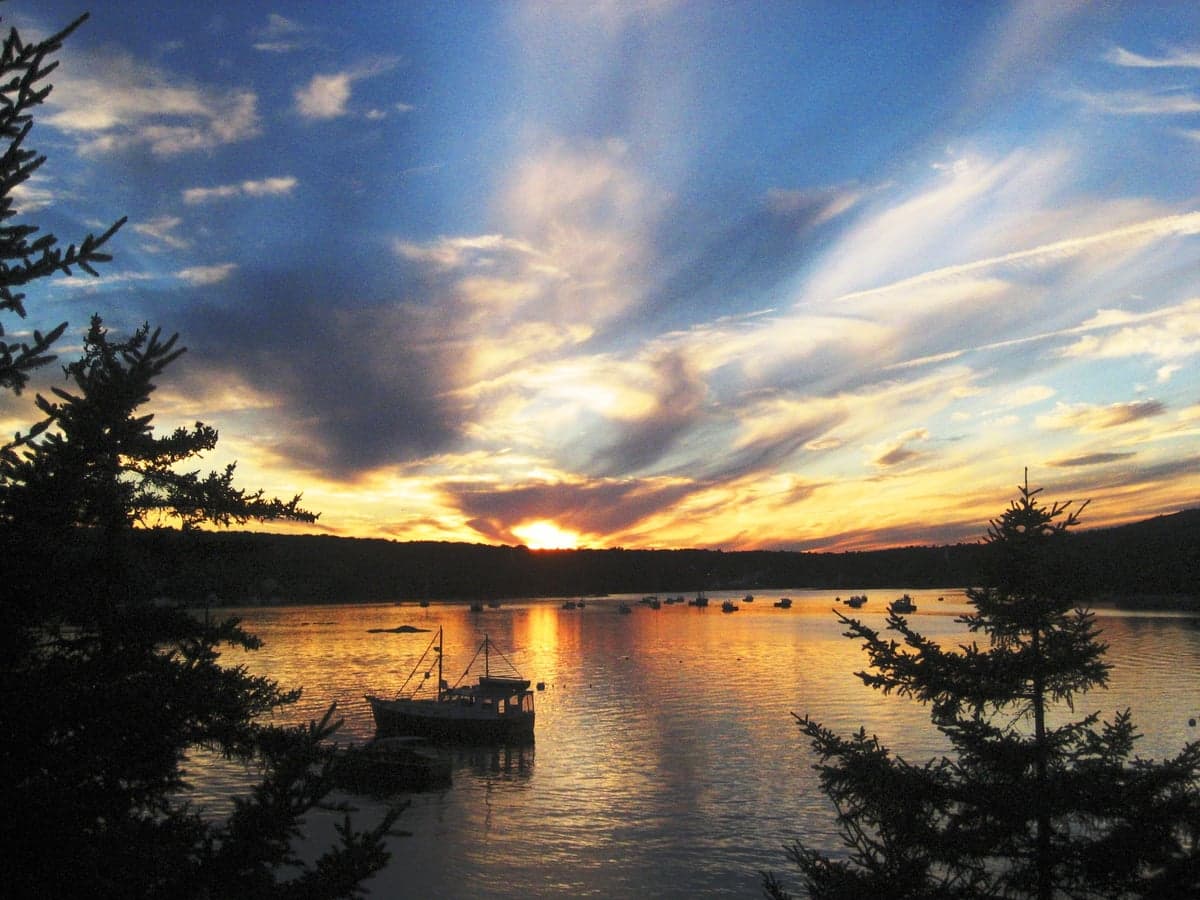
Blue Hill, Maine, is a small coastal town that wears its character on its sleeve—a place where the working waterfront still matters, the arts scene punches far above its weight, and everyone knows the rhythm of the tides as well as the school calendar. With a year-round population hovering around 1,066, it’s the kind of community where you can’t run errands without stopping to chat, and where the summer crowd roughly doubles the town’s presence without ever feeling like a tourist trap. It’s not for everyone, but for the right person, it’s hard to imagine living anywhere else.
Daily Rhythm: Salt Air, Sawdust, and the Town Common
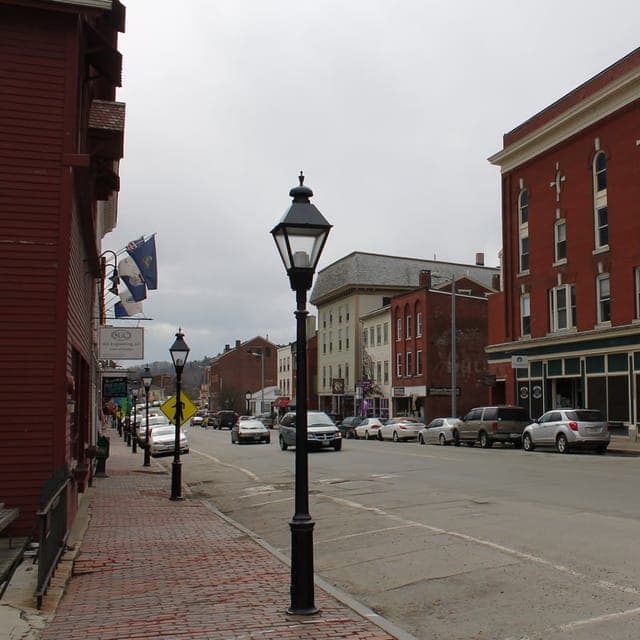
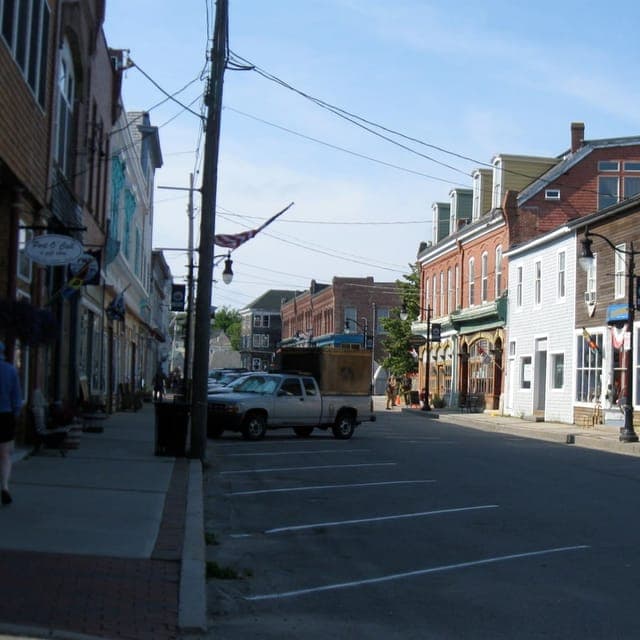
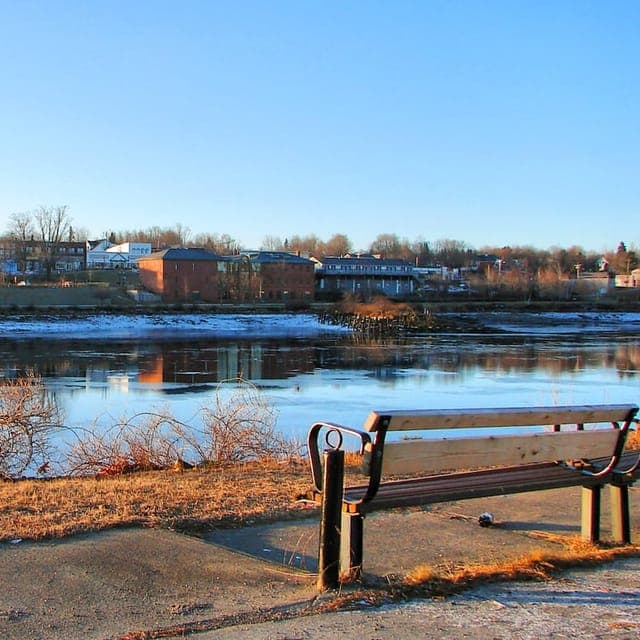
Life in Blue Hill revolves around the town common and the harbor, both of which are a short walk from just about anywhere. On a typical weekday morning, you’ll see fishermen prepping gear at the town dock, carpenters grabbing coffee at the Blue Hill Co-op, and retirees walking the loop around the common with their dogs. The Co-op is the social hub—part grocery store, part café, part community bulletin board—where you’re as likely to hear a debate about town selectmen as you are a discussion about the best place to dig clams. The pace is deliberately slow. Shops on Main Street, like the Blue Hill General Store and the many galleries, keep their own hours, and most businesses close by 5 or 6 p.m. Dinner out usually means the Marlintini’s Grill for a decent burger, the Blue Hill Inn for a fancier occasion, or the Fish Net for lobster rolls in the summer. For groceries, the Co-op and the IGA cover the basics, but most families make a weekly run to Ellsworth or even Bangor for big-box shopping, which is about a 45-minute drive. Weekends are for outdoor work and play. In the summer, it’s sailing on Blue Hill Bay, swimming at the town beach, or hiking up Blue Hill Mountain—a 1,400-foot climb that rewards you with a panoramic view of the bay and the islands. In the winter, the mountain becomes a local ski hill with a rope tow, and the harbor freezes over enough for skating in the coves. The average commute is about 25 minutes, which mostly means driving to Ellsworth or Bucksport for work, because local employment is limited to the hospital, the schools, the boatyards, and the service sector.Sports, Schools, and the Community Fabric
Sports here are a community event, not a spectator spectacle. There are no professional teams within a hundred miles, and college sports mean the University of Maine in Orono, about an hour and a half away. What Blue Hill lacks in big-league action, it makes up for in high school pride. The George Stevens Academy Mariners—the local high school—are the center of the athletic universe, and Friday night basketball games in the winter draw a genuine cross-section of the town, from lobster boat captains to the summer folks who winterize their houses. The school itself is a private academy that serves as the de facto public high school for the area, and it’s a point of real pride, with a strong reputation for academics and a music program that regularly sends kids to state festivals. The school system is more than just a place for kids; it’s the social anchor. With a median age of 52.5, Blue Hill skews older, but the school brings younger families together through booster clubs, theater productions, and the annual Blue Hill Fair—a Labor Day weekend tradition that’s part agricultural show, part carnival, and part reunion for anyone who’s ever lived here. That fair, along with the Kneisel Hall chamber music festival in the summer and the Blue Hill Festival of the Arts, gives the town a cultural calendar that feels far bigger than its population.Who Fits In—and Who Doesn’t
Blue Hill is a place for people who value substance over convenience. The median household income is about $69,630, and the median home value sits at $343,000—both slightly above the state average, reflecting the influx of remote workers and retirees who’ve discovered the area. About half the adult population holds a college degree, which shows in the town’s bookstores, lecture series, and the surprisingly sophisticated conversation at any given dinner party. If you’re a family, a professional looking for a slower pace, or a creative type who doesn’t mind a little mud on your boots, you’ll find your people here. But it’s not for everyone. The cost of living index is right at the national average of 100, which sounds reasonable until you realize that wages are lower than the national average, and housing stock is tight. Young people often leave for college and don’t come back because there aren’t enough jobs. If you’re looking for nightlife, chain restaurants, or a fast-paced career, this will feel like a dead end. The winters are long and gray, and the town can feel insular, with social circles that have been forming for generations. Newcomers who make an effort—volunteering at the fire department, joining the library board, showing up at town meeting—are welcomed, but you have to make the first move.Pros and Cons: The Honest List
Longtime residents will tell you the positives far outweigh the negatives, but they’ll also be the first to admit the frustrations. Here’s the honest breakdown:- Pro: Safety and community trust. The violent crime rate is 93.6 per 100,000—well below the national average—and people still leave their doors unlocked.
- Pro: Natural beauty that never gets old. The bay, the mountain, the islands, and the quiet roads are a daily gift.
- Pro: A real sense of place. The Blue Hill Fair, the town meeting, and the harbor are not tourist attractions; they’re the actual life of the town.
- Con: Limited job market. Healthcare, education, and trades dominate, and many residents commute to Ellsworth or Bangor for work.
- Con: Seasonal swings. The summer influx brings traffic and energy, but the off-season can feel isolating, especially for single people.
- Con: Housing is expensive for the area, and inventory is low, making it hard for young families to get a foothold.
Powered by
Similar small towns to Blue Hill
* Values derived from national, state, county, city and local statistics and may differ in a specific area. Last updated: 2026-09-05T23:43:53.000Z
Narrative content on this page is AI-generated and may contain mistakes. Verify any details that matter before acting on them.
ReloMaps may earn a commission from affiliate links at no extra cost to you.

