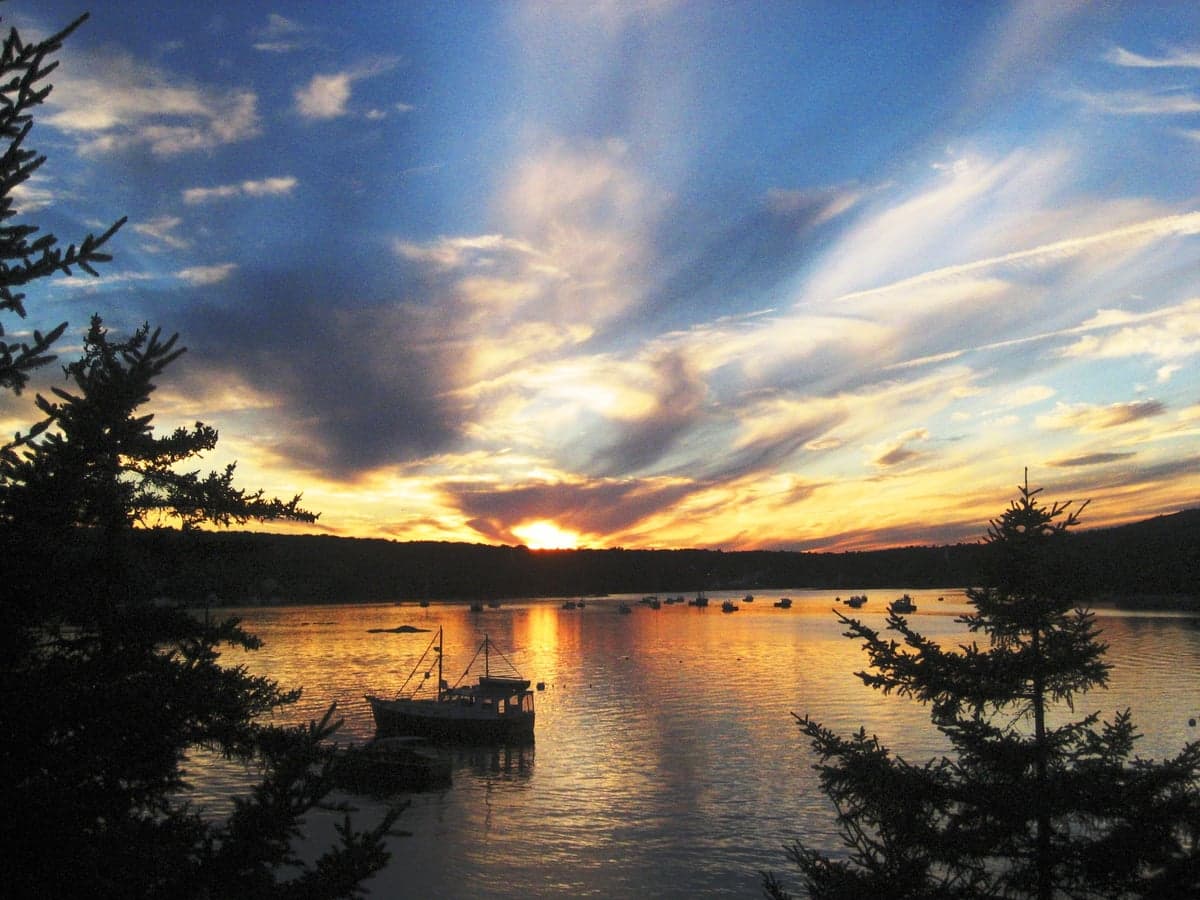

Photo: Wikipedia
Quality of Life in Blue Hill, ME
Above-average quality of iife. The area offers a reasonable cost of living, decent mobility, and a mix of neighborhood amenities.
What does Quality of Life tell us?
Quality of Life blends cost of living, nearby amenities, socioeconomic signals, and neighborhood character. City-level scores represent the whole municipality; individual neighborhoods can differ.
What does this tell us?
Quality of Life blends cost of living, nearby amenities, socioeconomic signals, and neighborhood character. City-level scores represent the whole municipality; individual neighborhoods can differ.
Cost of Living
The Real Cost of Living in Blue Hill, ME for 2026
| Tier | Individual | Family (4) |
|---|---|---|
| Survival | $16k | $30k |
| Comfortable | $67k | $98k |
| Luxury | $123k+ | $190k+ |
| Elite (Top 5%) | $144k+ | $224k+ |
71%
* median household income, median rent, and top-5% income substituted from county-level data — local Census figures unavailable for small populations
The Area Signal
A metric tracking the socioeconomic signals of the area.

Hobbies
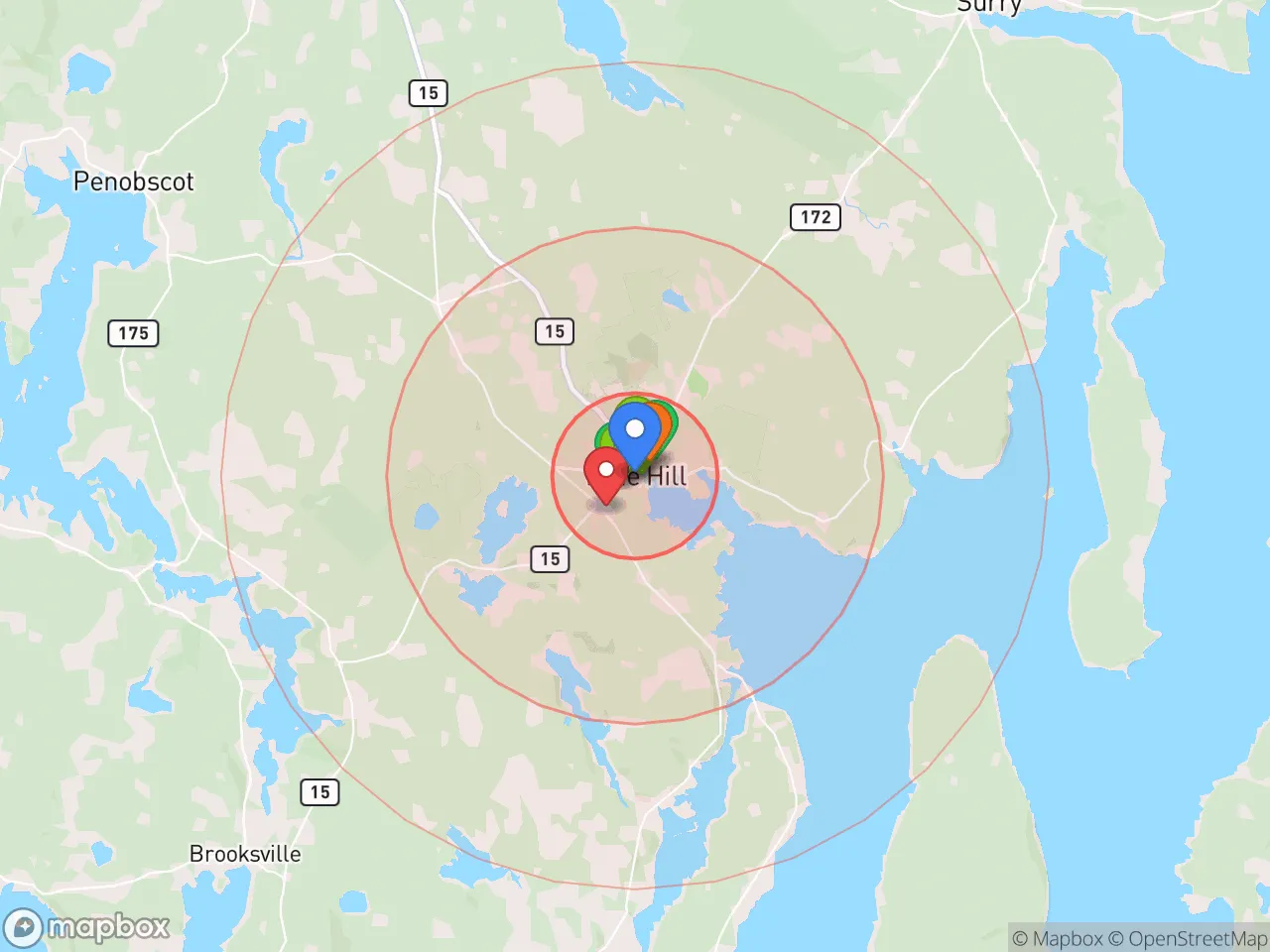
Explore the areaGroceries
1 within 10 miles
Gas
2 within 10 miles
Hospital
5 within 20 miles
Airport
PDX — Portland International Jetport
Post Office
USPS — Blue Hill, ME
Critical Amenities
Quality-of-Life Analysis
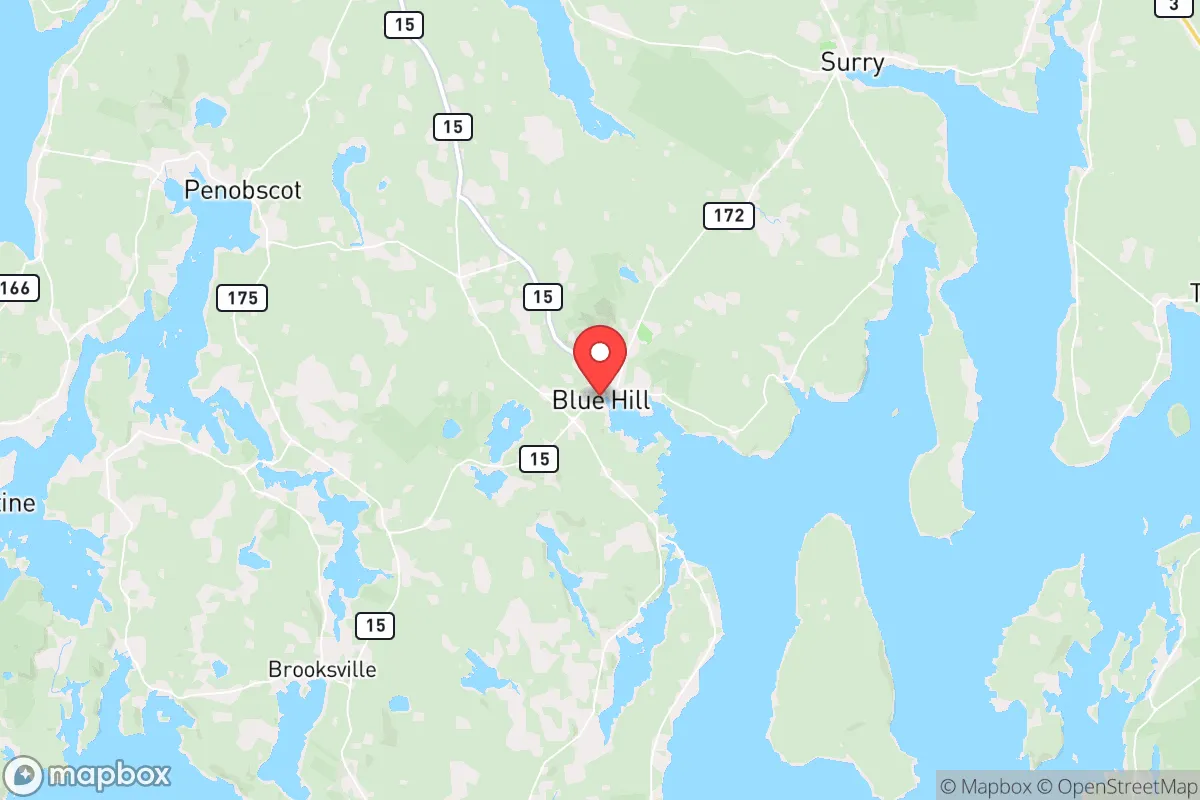
Blue Hill, Maine, is a small coastal town on the Blue Hill Peninsula that combines genuine affluence with a working waterfront, drawing a mix of artists, retirees, second-home owners, and year-round professionals. The community sits roughly 30 miles south of Bangor and is known for its granite quarries, the Blue Hill Public Library, and the George Stevens Academy, a private prep school that anchors the local education landscape. While the median home value of $343,000 is well above the national figure, the overall cost of living index sits at exactly 100, meaning everyday goods and services cost about the same as the U.S. average — a rarity for a coastal New England town with this level of scenic appeal.
How housing costs and affordability compare to nearby towns
Blue Hill’s housing market is the clearest indicator of its dual character. The median home value of $343,000 is roughly 15% higher than the statewide Maine median, but it remains significantly more affordable than the hyper-competitive markets of Camden (median around $520,000) or Bar Harbor (median around $480,000). Renters fare better: the median rent of $1,000 per month is below the national median of roughly $1,200, making Blue Hill one of the more attainable rental markets on the mid-coast. However, inventory is tight — most listings are single-family homes, and the rental pool is dominated by seasonal leases, which can push summer rates up by 30-50%.
For buyers, the trade-off is clear: you pay a premium for proximity to the water and the town’s preserved character, but you avoid the speculative spikes seen in more tourist-saturated towns. Property taxes in Hancock County average about 1.1% of assessed value, which is moderate for Maine. The average commute of 24.8 minutes reflects the reality that many residents work in Ellsworth (the county seat, about 20 minutes north) or Bangor, while living in Blue Hill for the slower pace and school system.
What daily life is like: amenities, schools, and community rhythm
Daily life in Blue Hill revolves around a compact, walkable village center. The Blue Hill Co-op, a member-owned grocery store, is the social and commercial hub, offering organic produce and local meats that rival urban markets. The town also supports a hardware store, a bookstore, and several galleries — the Blue Hill Bay Gallery and the Leighton Gallery are well-regarded — plus the historic Blue Hill Town Hall, which hosts concerts and town meetings. For dining, the options are limited but high-quality: the Arborvine and the Fish Net are local staples, though neither is open year-round, a reminder of the seasonal economy.
Schools are a major draw. The George Stevens Academy, a private day school serving grades 9-12, has a strong college-prep reputation and draws students from across the peninsula. Public education is handled by the Blue Hill Consolidated School (K-8), which consistently scores above state averages in reading and math. The community’s rhythm is distinctly seasonal: summer brings a flood of visitors for the Blue Hill Fair (held each Labor Day weekend) and the Kneisel Hall chamber music festival, while winter settles into a quieter, more self-reliant pace. Healthcare is a practical consideration — the nearest hospital is Northern Light Blue Hill Memorial Hospital, a small critical-access facility, with more comprehensive care in Bangor.
Blue Hill is best suited for those who value natural beauty, a tight-knit community, and a slower pace over urban convenience. Remote workers, retirees, and families with school-age children will find the most to appreciate, provided they can secure housing in a competitive market. Those seeking year-round nightlife, diverse dining, or major medical facilities will likely find the town limiting. For the right buyer — one comfortable with a 25-minute commute and a winter that demands self-sufficiency — Blue Hill offers a quality of life that is hard to replicate elsewhere on the Maine coast.

Crime in Blue Hill, ME
Lower crime rates than 81% of comparable U.S. locations.
Violent CrimeViolent Crime Analysis
Property CrimeProperty Crime Analysis
Crime Analysis
Blue Hill, Maine, is a statistically safe rural community, with a violent crime rate of 93.6 incidents per 100,000 residents and a property crime rate of 947 per 100,000. These figures place the town well below national averages, though the property crime number warrants attention from prospective residents, particularly those moving from urban areas where break-ins and theft may be more familiar concerns.
Crime in context
To put Blue Hill’s numbers in perspective, the national violent crime rate is roughly 380 per 100,000, meaning Blue Hill’s rate is about 75% lower than the U.S. average. The property crime rate of 947 per 100,000 is also significantly below the national figure of approximately 1,950 per 100,000. Compared to the state of Maine as a whole—which consistently ranks among the safest states in the country—Blue Hill is broadly in line with or slightly better than the statewide average for violent offenses. The town’s crime profile is typical of Hancock County, where most incidents are non-violent and opportunistic rather than organized or predatory.
What residents experience
Daily life in Blue Hill is characterized by low fear of violent victimization. The most commonly reported issues are theft from vehicles, burglary of seasonal properties, and vandalism—crimes that spike during the summer tourist season when the population swells and homes are left vacant. Residents who lock doors, secure outbuildings, and participate in neighborhood watch patterns report few problems. The Hancock County Sheriff’s Office provides primary law enforcement coverage, with response times that are reasonable for a rural area but slower than suburban or urban jurisdictions. There is no local police department, so residents rely on county deputies and Maine State Police for all calls.
One notable factor for readers to consider: Blue Hill is not a large metro area, and its justice system is not characterized by the progressive prosecutorial policies seen in some urban jurisdictions. Hancock County’s district attorney’s office operates within Maine’s traditional criminal justice framework, which generally prioritizes accountability for property crimes and maintains standard bail practices. This means that the lenient, catch-and-release dynamics associated with some liberal urban prosecutors are not a meaningful concern in Blue Hill, and residents do not report the revolving-door patterns that plague certain cities.
Neighborhood-level variation
Crime in Blue Hill is not evenly distributed. The downtown core near Main Street and the waterfront sees occasional shoplifting and disorderly conduct, particularly in summer. The more remote lakefront and coastal properties face the highest burglary risk, simply because they are isolated and unoccupied for stretches. Year-round residential neighborhoods—especially those off Route 15 and around the Blue Hill Consolidated School—are extremely quiet, with many residents reporting years without any incident. For those seeking the safest possible location, the inland residential streets west of the town center offer the lowest crime exposure, while waterfront properties require a more vigilant security posture.
* Values derived from national, state, county, city and local statistics and may differ in a specific area. Last updated: 2026-09-05T23:43:53.000Z
Narrative content on this page is AI-generated and may contain mistakes. Verify any details that matter before acting on them.
ReloMaps may earn a commission from affiliate links at no extra cost to you.

