Personal Sovereignty in Maine
Viable for self-reliance. Generally workable, though some barriers may limit total independence.
What does Personal Sovereignty tell us?
Personal Sovereignty measures your capacity for self-reliance and independence with minimal government friction. Higher scores mean fewer barriers between you and the way you want to live... but it assumes you have the space you need and good neighbors.
What does this tell us?
Personal Sovereignty measures your capacity for self-reliance and independence with minimal government friction. Higher scores mean fewer barriers between you and the way you want to live... but it assumes you have the space you need and good neighbors.
State Policy
Energy independence: Importer (30% of energy produced in-state)
Personal Liberty
Homesteading

Personal Liberty Analysis
Maine offers a distinctive balance of personal sovereignty that appeals to those prioritizing autonomy, though it is not a uniformly libertarian state. The state’s culture of self-reliance, rooted in its rural heritage and vast undeveloped landscapes, coexists with a regulatory environment that can be surprisingly hands-on in certain areas. For a relocation-minded individual or family with a conservative-leaning perspective, Maine presents a mixed picture: strong protections for property rights and self-defense, but a tax burden and regulatory posture that require careful geographic targeting. The key to maximizing personal freedom lies in choosing the right town, as local ordinances and community character vary dramatically from the coastal liberal enclaves to the more independent-minded interior and northern regions.
Tax burden and regulatory posture across Maine’s regions
Maine’s state-level tax burden is among the highest in the nation, which is a significant consideration for sovereignty-minded movers. The state imposes a progressive income tax with a top marginal rate of 7.15%, and property taxes are notably high, averaging around 1.3% of home value statewide. However, this burden is not uniform. In rural areas like Fort Kent or Millinocket, property taxes are lower relative to home values, and the cost of land is cheap enough that the overall tax load can be manageable. Conversely, coastal towns like Portland and Camden carry premium property assessments and a more interventionist local regulatory culture, including stricter land-use ordinances and higher fees. The state’s regulatory posture is moderate overall: Maine has no general sales tax on most goods, which is a plus, but it enforces strict environmental regulations, particularly around shoreland zoning and wetland development. For someone seeking to build or develop land, towns in Aroostook County (e.g., Presque Isle) are far more permissive than those in southern Maine, where planning boards have significant say over everything from building materials to lot coverage. The homestead exemption (up to $25,000 of assessed value) provides modest relief, but it does not offset the overall property tax burden for those on fixed incomes.
Self-defense and gun law specifics in Maine
Maine is a strong Second Amendment state with a permissive firearm regulatory environment that ranks among the most favorable in New England. The state has a "shall issue" concealed carry permitting system, meaning local law enforcement must issue a permit if the applicant meets basic criteria, and permitless (constitutional) carry has been legal for residents since 2015. Open carry is also legal without a permit. There is no state-level assault weapons ban, no magazine capacity restrictions, and no firearm registration requirement. However, there are nuances: private firearm sales do not require a background check, but the state does have a "red flag" law (enacted in 2019) that allows law enforcement to petition for the temporary removal of firearms from individuals deemed a risk. This law is controversial among gun rights advocates and is enforced more actively in liberal-leaning cities like Portland and Brunswick. In contrast, rural counties like Oxford and Somerset have sheriffs who publicly oppose the red flag law and are less likely to enforce it aggressively. For the self-defense-minded, the practical reality is that Maine’s gun culture is deeply ingrained in its rural identity, and shooting ranges, hunting clubs, and firearm retailers are abundant outside of the southern coastal corridor. The state also has strong castle doctrine and stand-your-ground protections, codified in statute, which provide legal cover for the use of deadly force in self-defense within one’s home or vehicle.
Self-reliance and homesteading viability across Maine
Maine is one of the best states in the country for off-grid living and homesteading, but viability depends heavily on location and local zoning. The state has no statewide building code for single-family homes in unorganized territories (townships with no local government), which covers vast swaths of northern and western Maine. In these areas, such as the Allagash region or Rangeley Plantation, landowners can build without permits, install composting toilets, drill wells, and set up solar panels with minimal interference. Lot sizes in these unorganized territories can be as small as 5 acres for a single-family dwelling, but many parcels are sold in 20- to 100-acre increments, offering true privacy. In organized towns, zoning varies: Corinna and Dexter are known for being homestead-friendly, with relaxed ordinances regarding livestock, accessory dwellings, and alternative energy. Conversely, towns like Freeport and Yarmouth have strict minimum lot sizes (often 2+ acres) and prohibit certain off-grid systems like outdoor wood boilers or composting toilets. The state’s "Right to Farm" law provides some protection for agricultural activities, but it is not absolute and can be challenged by local nuisance ordinances. For those serious about self-reliance, the unorganized territories offer the highest degree of sovereignty, but come with trade-offs: no municipal services, no snow plowing, and long distances to grocery stores and medical care. The trade-off is accepted by many as the price of true independence.
Personal liberties in Maine: parental rights, medical autonomy, speech, and property
Maine’s record on personal liberties is mixed, with strong protections for property rights but more government involvement in family and medical decisions than some conservatives prefer. On property rights, Maine is a "title theory" state, meaning lenders hold the deed until the mortgage is paid, but the state has robust protections against eminent domain abuse following the Kelo decision, with a 2006 law limiting takings for economic development. Parental rights are generally respected, but the state mandates school attendance until age 17 and has relatively strict homeschooling notification requirements (parents must submit a notice of intent and an annual assessment). Medical autonomy is a contentious area: Maine expanded Medicaid under the ACA and has a vaccine mandate for schoolchildren (with philosophical exemption available only for K-12, not for daycare). The state also legalized recreational marijuana in 2016, which is a liberty-positive policy for many, but local towns can opt out of retail sales. Free speech is protected under the state constitution, and Maine has no hate speech laws that criminalize expression, though public universities have adopted speech codes that some view as restrictive. The overall picture is that Maine allows significant personal freedom in private life and property use, but expects compliance in areas like education and healthcare. For families seeking maximum autonomy, the northern and western counties offer a more hands-off environment than the Portland metro area, where progressive social norms are more codified into local policy.
Compared to other New England states, Maine stands out as the most sovereignty-friendly, particularly for those willing to locate outside of its liberal coastal enclaves. The state’s combination of constitutional carry, minimal building codes in unorganized territories, and a culture of self-reliance makes it a viable destination for those prioritizing personal freedom. However, the high property tax burden and state-level income tax are real costs that must be weighed against the benefits. For a conservative-leaning individual or family, the optimal strategy is to target towns in Aroostook, Piscataquis, or Somerset counties, where local government is minimal, gun culture is strong, and homesteading is a way of life. In these areas, Maine delivers a level of personal sovereignty that is increasingly rare in the northeastern United States.

Top Cities for Personal Sovereignty in Maine


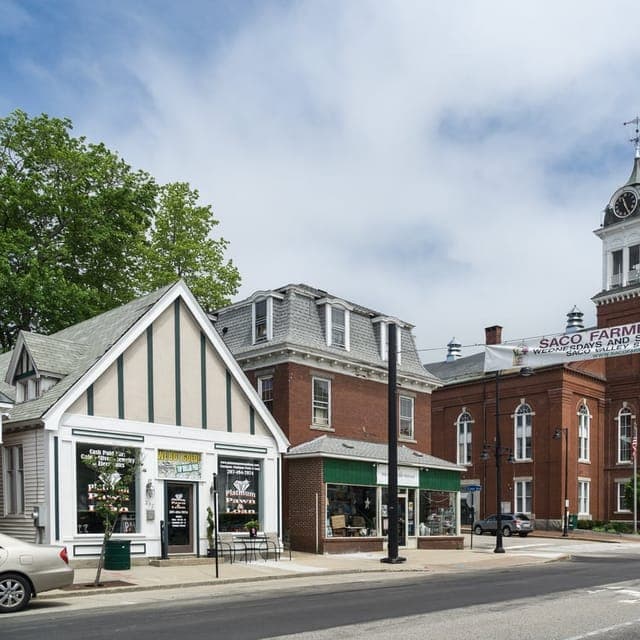





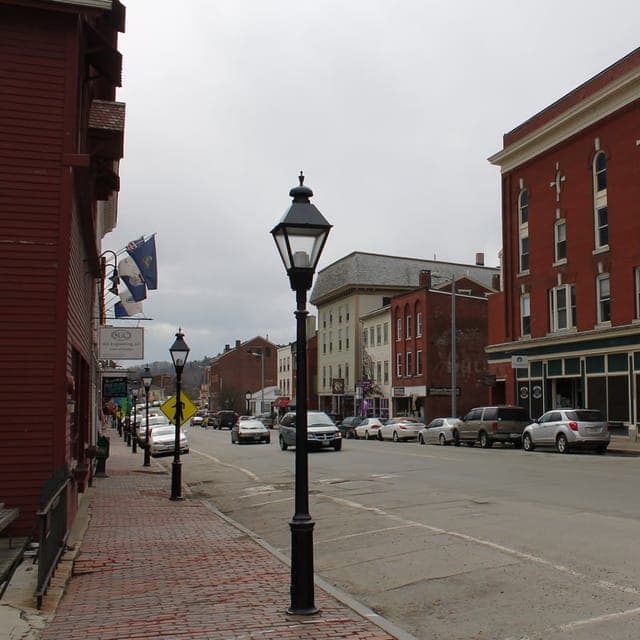
* Values derived from national, state, county, city and local statistics and may differ in a specific area. Last updated: 2026-08-02T00:14:56.000Z
Narrative content on this page is AI-generated and may contain mistakes. Verify any details that matter before acting on them.
ReloMaps may earn a commission from affiliate links at no extra cost to you.

