Political ClimatePolitical Climate in Maine
Political Environment in the State
Maine has long been known as a politically independent and pragmatic state, but its overall lean has shifted noticeably leftward over the past two decades. While the state voted for Bill Clinton in the 1990s and George W. Bush in 2000, it has voted Democratic in every presidential election since 1992, with margins widening from single digits to double digits by 2020 and 2024. The dominant coalition is a mix of coastal liberals, Portland-area progressives, and union-aligned working-class voters, but a strong and vocal conservative minority holds sway in the vast, rural interior and northern reaches. The trajectory is one of slow but steady Democratic consolidation, driven by in-migration to the southern coast and the growing influence of the Portland metro area, though the state’s unique ranked-choice voting system and independent streak keep outcomes less predictable than in neighboring New England states.
Urban vs. rural divide
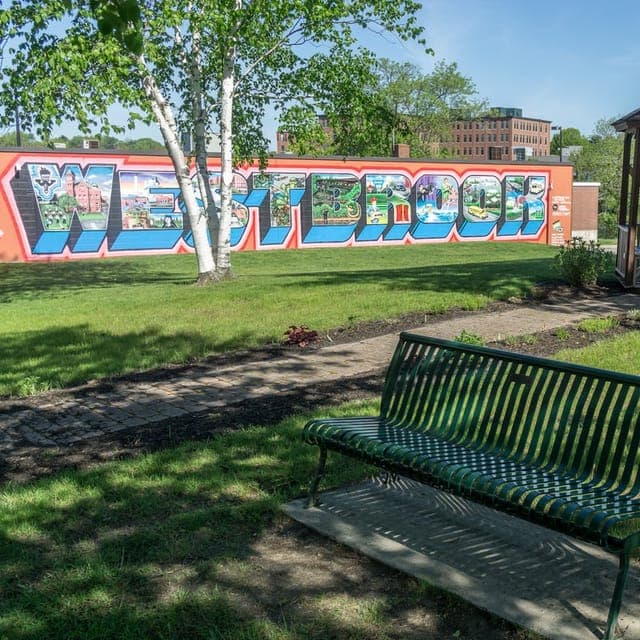
The political map of Maine is a textbook case of urban-rural polarization. The Portland metro area, including Portland, South Portland, and Westbrook, is the state’s Democratic stronghold, delivering margins of 70-80% for Democratic candidates. This region, home to about 40% of the state’s population, drives the statewide blue lean. In contrast, the vast rural interior—places like Presque Isle, Caribou, and Fort Kent in Aroostook County—vote heavily Republican, often by 60-70% margins. The midcoast and Down East regions, including Bangor, Ellsworth, and Bar Harbor, are more mixed, with Bangor itself leaning Democratic but its surrounding rural towns trending red. A notable swing area is the Augusta-Waterville corridor, where legislative races are often decided by a few hundred votes. The 2nd Congressional District, which covers the entire state outside of the Portland metro, has flipped between parties in recent cycles, voting for Trump in 2016 and 2020 but electing a Democrat to the House in 2022 and 2024. This district is one of the few in the nation where a Republican presidential candidate can win while a Democrat holds the House seat, reflecting its independent-minded electorate.
Policy environment
Maine’s policy environment is a mix of progressive coastal influence and rural libertarian-conservative resistance. The state has a graduated income tax with rates from 5.8% to 7.15%, and a sales tax of 5.5%, but no tax on groceries or prescription drugs. Property taxes are relatively high, averaging about 1.3% of home value, which is a common complaint among conservatives. The regulatory posture is generally business-friendly by New England standards, but environmental regulations are strict, especially along the coast. Education policy is decentralized, with strong local control, but the state has adopted the Next Generation Science Standards and mandates LGBTQ-inclusive curricula, which has sparked pushback in rural districts. Healthcare is a major issue: Maine expanded Medicaid under the Affordable Care Act via a 2017 ballot initiative, and the state runs its own health insurance marketplace. Election laws are notable for ranked-choice voting, used in federal and state primary elections and presidential general elections, but not for state legislative or gubernatorial general elections. Voter ID is not required, and same-day registration is available, making access relatively easy. Gun laws are moderate: no permit is needed for open or concealed carry, but a permit is required to purchase a handgun, and the state has a "yellow flag" law allowing temporary firearm seizure with a court order.
Recent policy direction
In the last five years, Maine has moved left on several fronts, but with notable exceptions. The 2023 passage of LD 1610, a sweeping gun safety law, expanded background checks to private sales and created a 72-hour waiting period for firearm purchases, drawing fierce opposition from rural conservatives. On education, the state passed LD 1736 in 2023, requiring schools to adopt policies on transgender student participation in sports, which has been a flashpoint. On parental rights, a 2024 law (LD 1954) strengthened opt-out provisions for sex education, a concession to rural concerns. On taxation, the 2023 budget included a modest income tax cut for middle earners, but property tax relief remains a perennial issue. On privacy and surveillance, Maine has one of the strongest internet privacy laws in the nation (LD 946, 2019), requiring ISPs to get opt-in consent before selling browsing data. On medical and bodily autonomy, the state has codified abortion rights into law (LD 1619, 2023) and expanded telehealth access for gender-affirming care. On property rights, the state has tightened shoreland zoning and passed a 2024 law restricting short-term rentals in coastal communities, which has angered property owners. On voting, ranked-choice voting was expanded to presidential elections in 2020, and automatic voter registration was implemented in 2022. The overall direction is toward more regulation and progressive social policy, but the pace is slower than in Massachusetts or Vermont, thanks to the rural conservative bloc.
Civil unrest & political movements
Maine is not known for large-scale civil unrest, but there have been notable flashpoints. The 2020 Black Lives Matter protests in Portland drew thousands and led to the removal of a controversial statue, but were largely peaceful. On the right, the "Maine 2nd Amendment" movement is active, with large rallies at the State House in Augusta opposing gun control measures, particularly after the 2023 Lewiston mass shooting. The Lewiston shooting, which killed 18 people, was a seismic event that reshaped the gun debate, leading to the passage of LD 1610. Immigration politics are less heated than in border states, but there is tension in places like Portland, which has a sanctuary city policy, and Lewiston, which saw an influx of Somali immigrants starting in the 2000s. The "Maine Way" of civility has generally prevented the kind of street-level conflict seen elsewhere, but online discourse is polarized. Election integrity controversies have been minimal, thanks to ranked-choice voting and a well-regarded Secretary of State's office, though Trump supporters in rural areas have voiced skepticism. A small but vocal secession movement exists in Aroostook County, with periodic calls for northern Maine to join Canada or form a new state, but it has no serious political traction.
Projection
Over the next 5-10 years, Maine is likely to continue its slow leftward drift, driven by in-migration from Massachusetts, New York, and other blue states to the southern coast. The Portland metro will grow, while rural counties will continue to lose population, further concentrating Democratic power. However, the 2nd Congressional District will remain competitive, and the state’s independent streak means that a moderate Republican could still win statewide office, as Senator Susan Collins has shown. The key wildcard is housing: if the cost of living in southern Maine continues to rise, it could push new arrivals further inland, potentially shifting some rural areas toward purple. The gun debate will remain a central fault line, with further restrictions likely but rural resistance strong. On education and parental rights, the state will probably see more battles over curriculum and transgender policies, but the overall trend is toward progressive consolidation. For a conservative relocator, the bottom line is that Maine offers a high quality of life in its rural areas, with low crime and strong communities, but the state government will continue to lean left on most issues. For a liberal relocator, the state offers a welcoming environment in its coastal towns, but with the understanding that rural areas are deeply conservative and politically active.
For someone moving to Maine, the practical takeaway is that your experience will depend heavily on where you settle. If you choose Portland or the southern coast, you’ll find a progressive, diverse, and fast-growing environment with high costs and strong Democratic governance. If you choose Presque Isle or Caribou, you’ll find a conservative, rural, and affordable lifestyle with a strong sense of community but limited services and a state government that often feels distant. The middle ground—places like Bangor, Augusta, or Waterville—offers a mix of both, with competitive politics and a more moderate pace. Regardless of where you land, Maine’s independent character means that your vote will matter more than in many states, and your voice in local affairs will be heard. The state is not for those who want a uniform political experience, but for those who value the ability to shape their own community within a broader, often contentious, state-wide conversation.

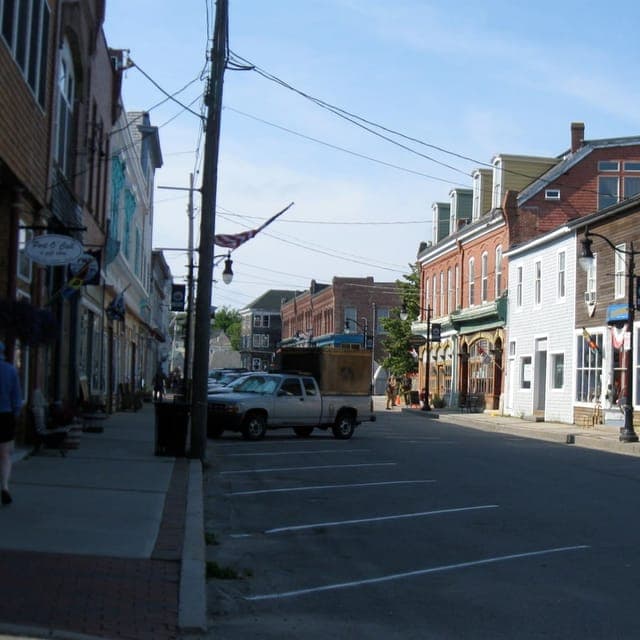
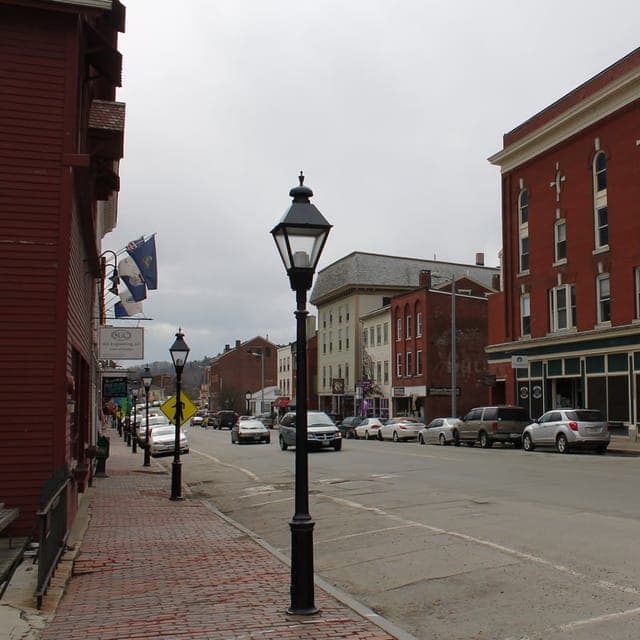
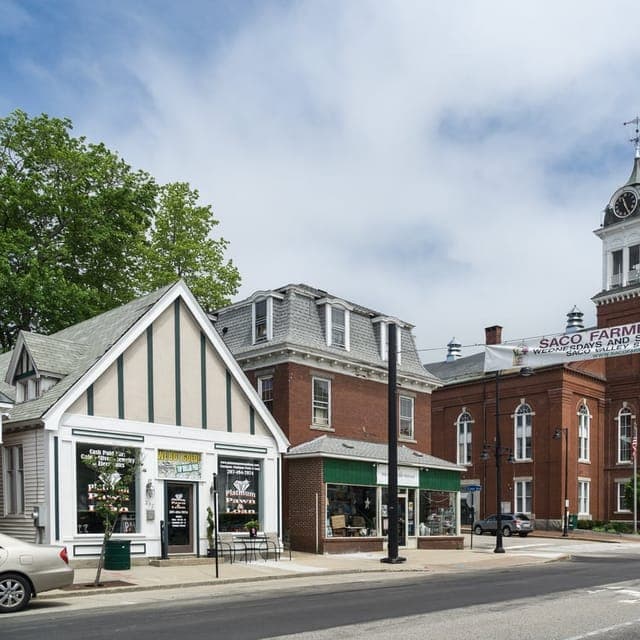
Most Conservative Cities in Maine
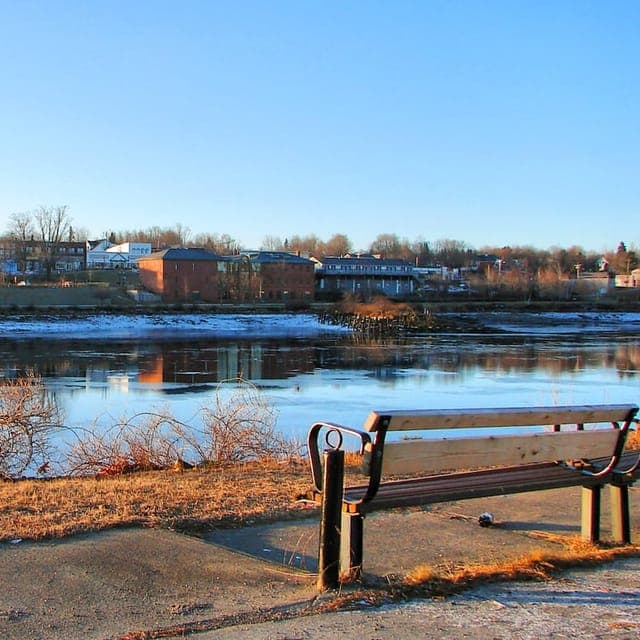
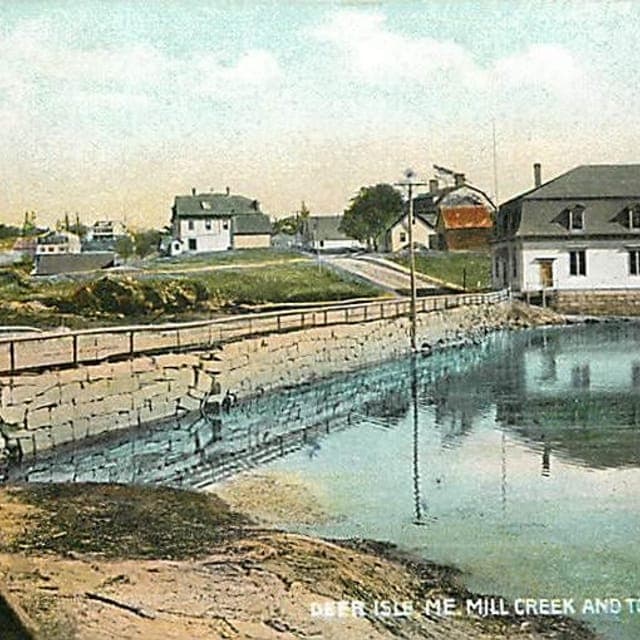
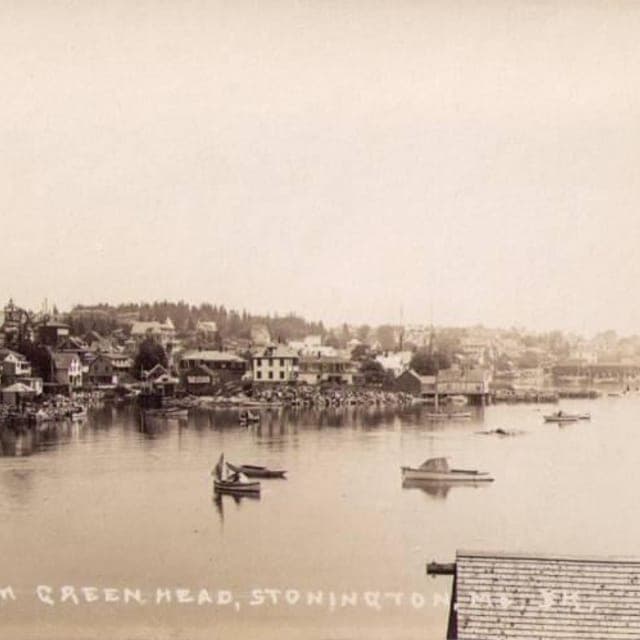
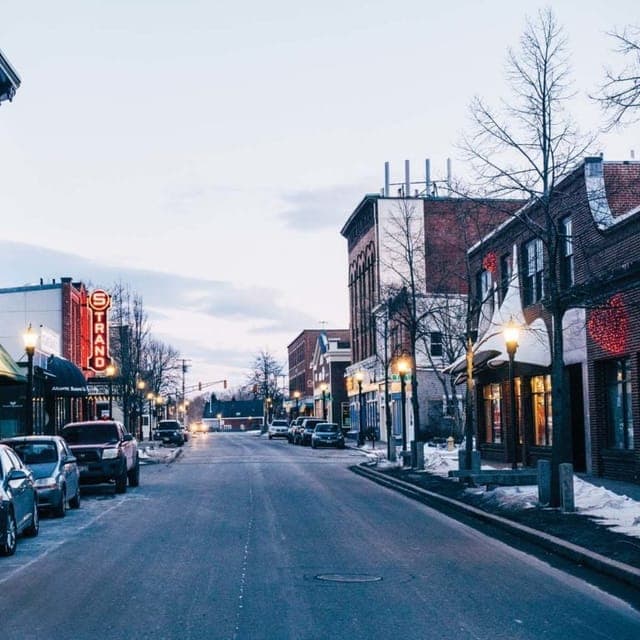
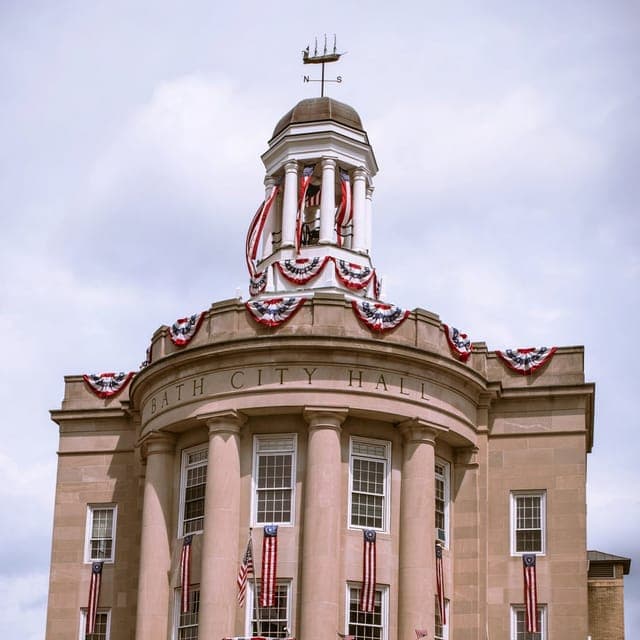
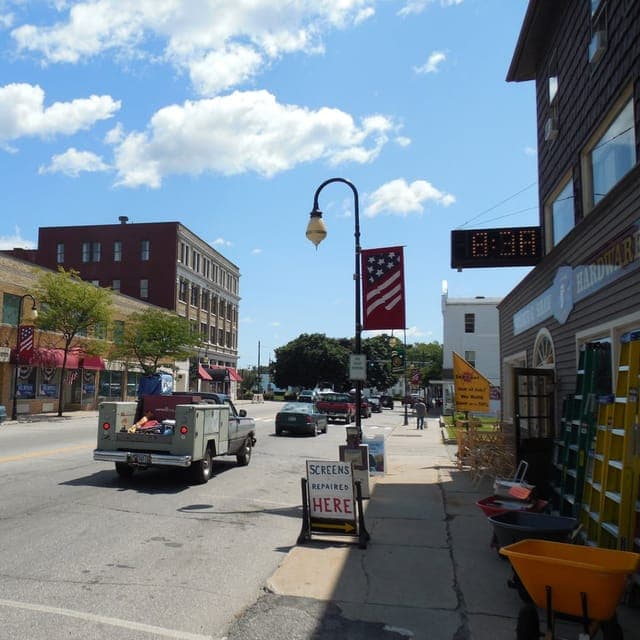
Most Liberal Cities in Maine

* Values derived from national, state, county, city and local statistics and may differ in a specific area. Last updated: 2026-08-02T00:14:56.000Z
Narrative content on this page is AI-generated and may contain mistakes. Verify any details that matter before acting on them.
ReloMaps may earn a commission from affiliate links at no extra cost to you.

