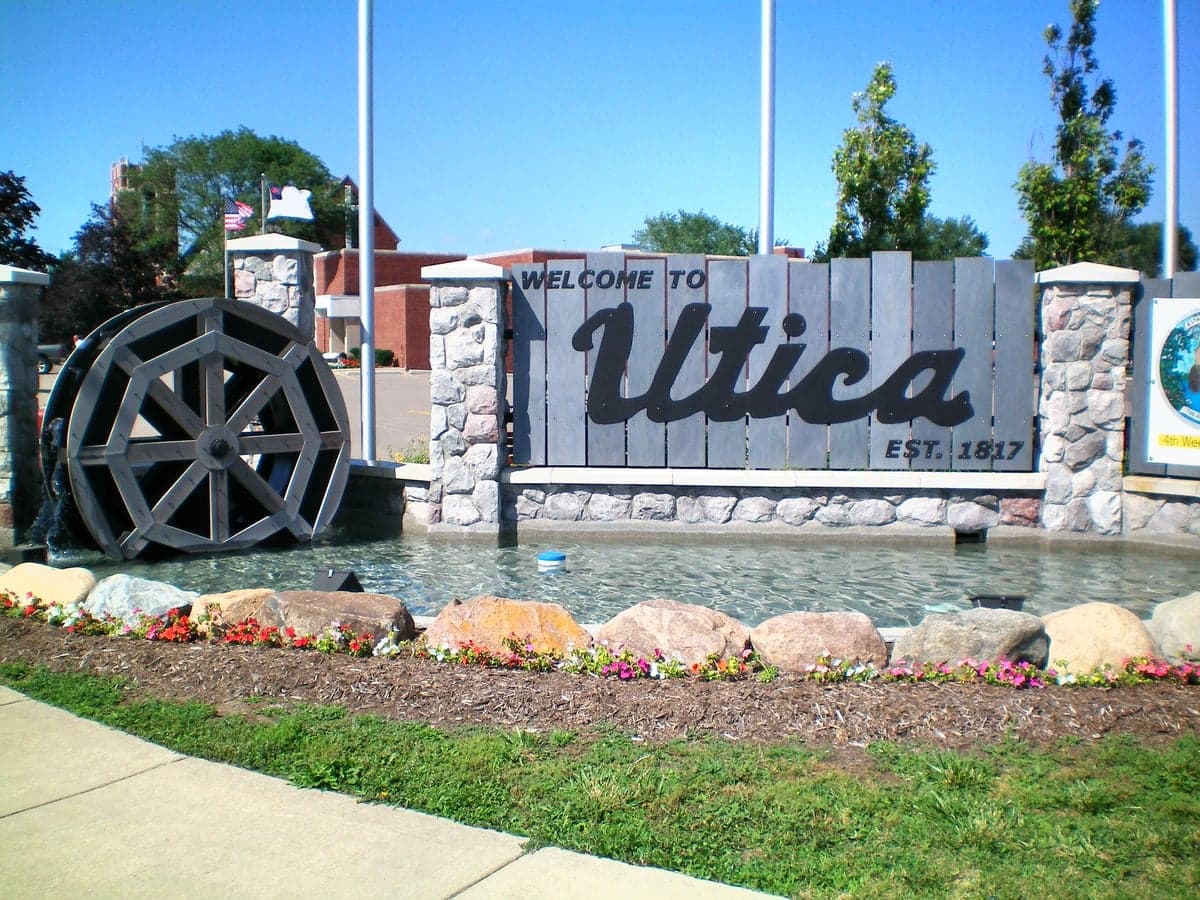
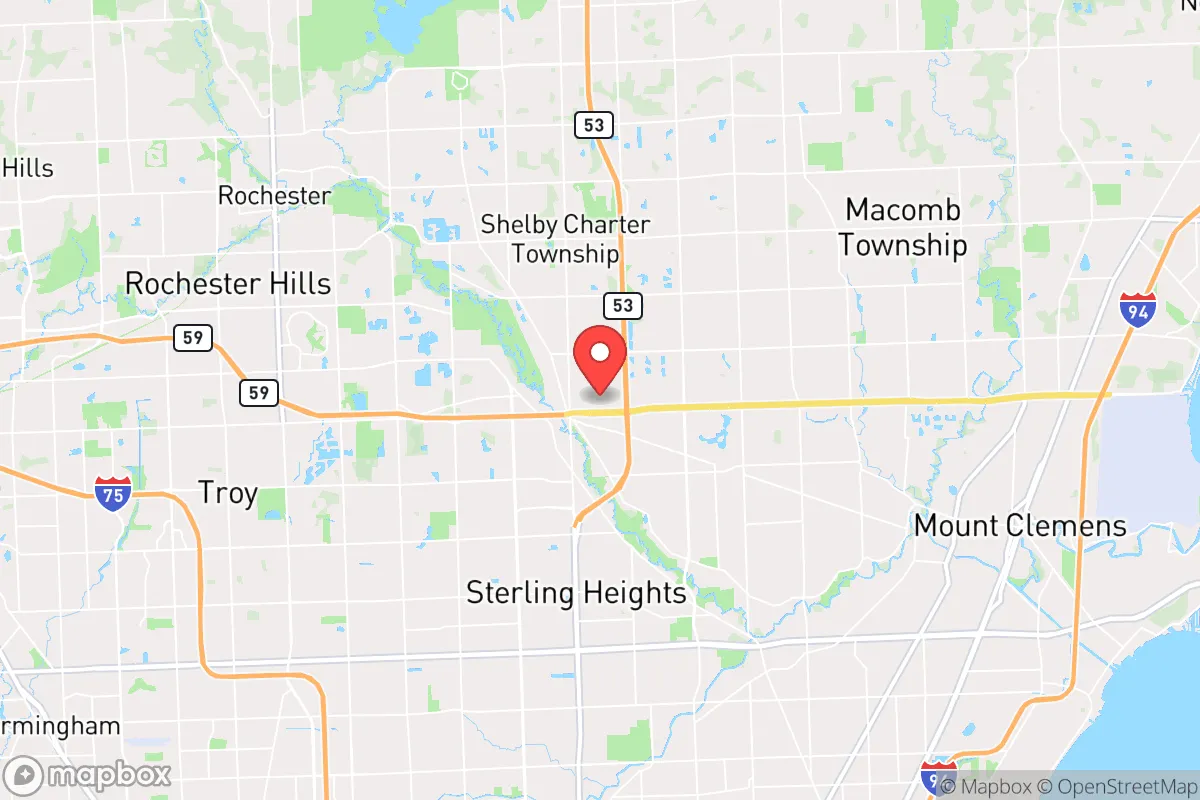
Photo: Wikipedia
Quality of Life in Utica, MI
Above-average quality of iife. The area offers a reasonable cost of living, decent mobility, and a mix of neighborhood amenities.
What does Quality of Life tell us?
Quality of Life blends cost of living, nearby amenities, socioeconomic signals, and neighborhood character. City-level scores represent the whole municipality; individual neighborhoods can differ.
What does this tell us?
Quality of Life blends cost of living, nearby amenities, socioeconomic signals, and neighborhood character. City-level scores represent the whole municipality; individual neighborhoods can differ.
Cost of Living
18% below national average
The Real Cost of Living in Utica, MI for 2026
| Tier | Individual | Family (4) |
|---|---|---|
| Survival | $16k | $30k |
| Comfortable | $42k | $62k |
| Luxury | $98k+ | $151k+ |
| Elite (Top 5%) | $115k+ | $178k+ |
90%
The Area Signal
A metric tracking the socioeconomic signals of the area.
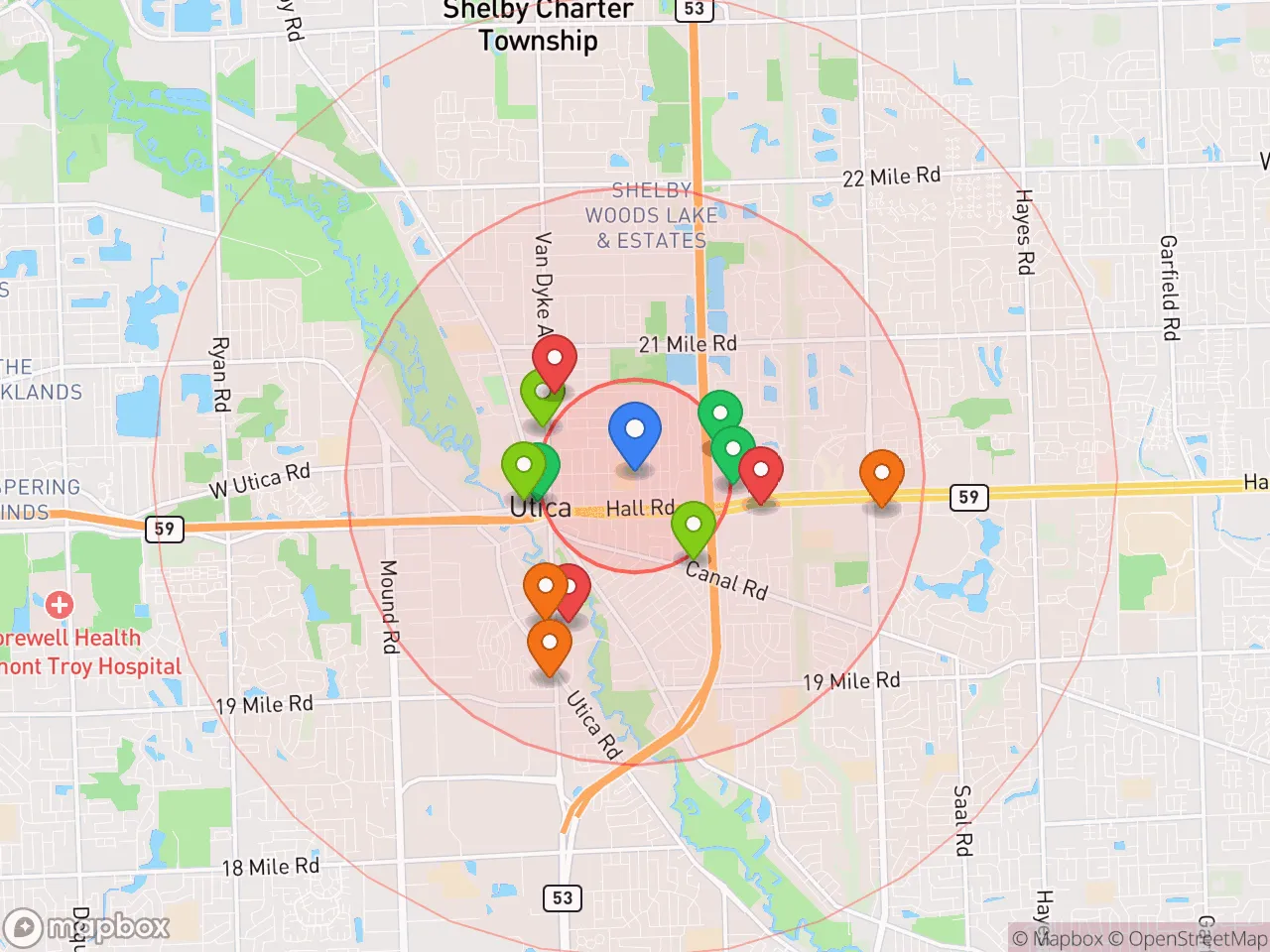
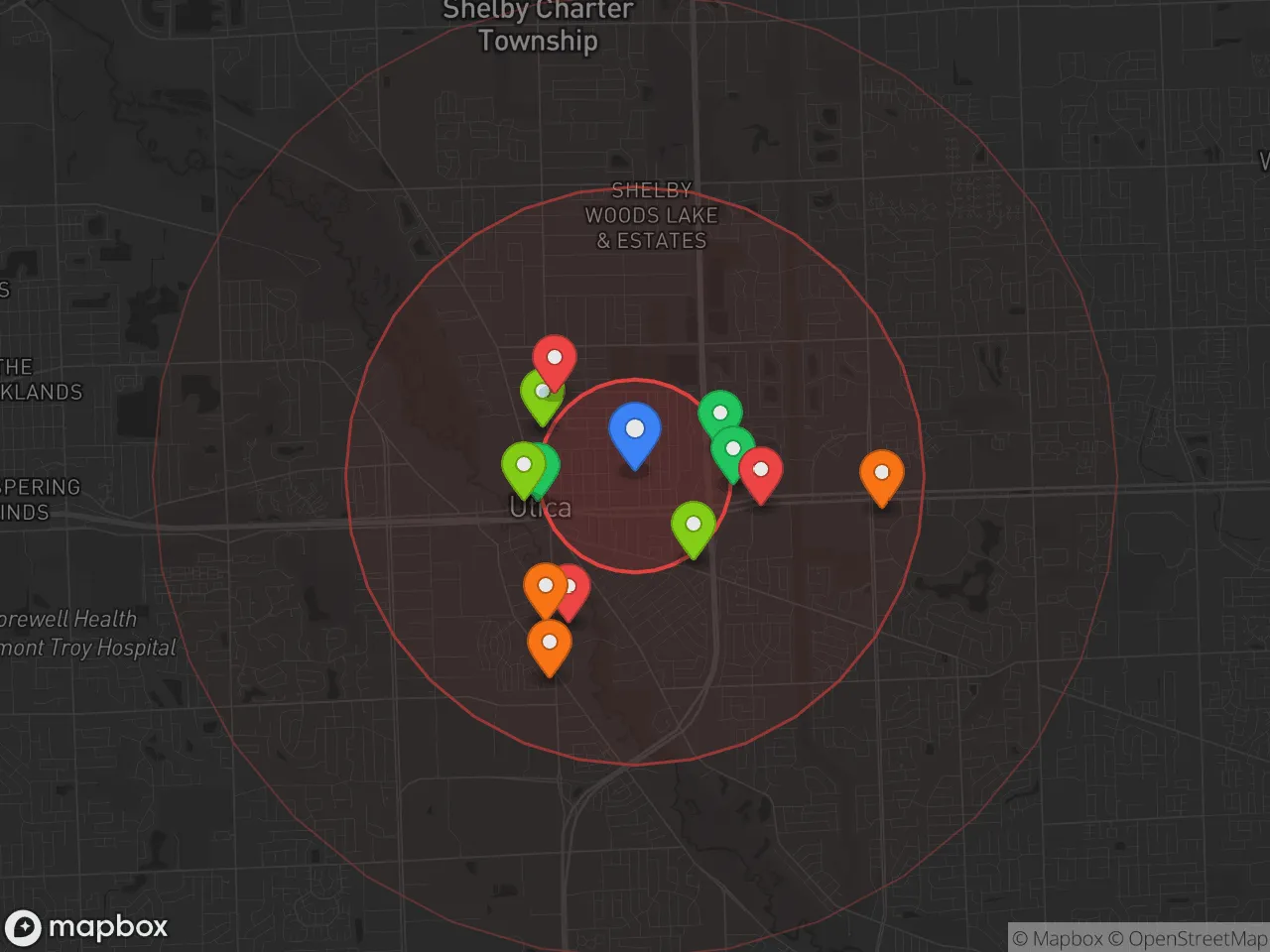
Hobbies
Explore the areaGroceries
7 within 10 miles
Gas
20 within 10 miles
Hospital
20 within 20 miles
Airport
DTW — Detroit Metropolitan Wayne County
Post Office
USPS — Utica, MI
Critical Amenities
Quality-of-Life Analysis
Utica, Michigan, presents a notably affordable entry point into the affluent northern suburbs of Metro Detroit, with a cost of living index of 82—well below the national average of 100—while still offering the suburban amenities and school quality that draw families and long-term residents. The city’s population of roughly 5,000 skews toward established homeowners and young professionals who prioritize value over prestige, creating a quiet, family-oriented community that feels more accessible than its pricier neighbors like Rochester or Troy.
Cost of living, housing, and affordability compared to nearby suburbs
Utica’s housing market is a standout in Macomb County, with a median home value of $216,800 and a median rent of $984—both significantly lower than the averages in adjacent communities such as Sterling Heights (median home value ~$250,000) or Shelby Township (~$290,000). This affordability allows residents to own a single-family home on a conventional lot without the six-figure premiums seen in Oakland County suburbs. The average commute of 24.4 minutes is slightly shorter than the Detroit metro average of 28 minutes, thanks to easy access to M-53 (Van Dyke) and M-59, making Utica viable for workers commuting to jobs in Warren, Auburn Hills, or downtown Detroit. While property taxes in Macomb County are moderate (roughly 2.0–2.5% of assessed value), the lower home prices keep total monthly housing costs manageable, especially for first-time buyers.
What daily life is like for families: schools, amenities, and local rhythm
Daily life in Utica revolves around the highly rated Utica Community Schools district, which serves over 25,000 students across the region and includes Utica High School—consistently ranked among Michigan’s top 20% of high schools for academic performance. The city itself is compact, with a walkable downtown core along Cass Avenue featuring local diners, a historic theater (the Utica Community Center), and seasonal farmers’ markets. For recreation, residents rely on the nearby Clinton River Trail for biking and walking, as well as Dodge Park in Sterling Heights for sports leagues and splash pads. The area lacks major nightlife or cultural venues, but the proximity to the Lakeside Mall (Sterling Heights) and the shopping/dining corridor on Hall Road provides everyday retail convenience. The rhythm is distinctly suburban: school events, youth sports, and weekend errands dominate, with a noticeable absence of the urban bustle found in Detroit or Ann Arbor.
Utica is best suited for families and budget-conscious professionals who want a safe, quiet suburb with strong public schools and a short commute, without the high price tag of Oakland County. Retirees on fixed incomes also find the low rent and home values appealing, though those seeking walkable urban amenities or a vibrant social scene will likely prefer Royal Oak or Ferndale. For anyone prioritizing affordability, school quality, and a low-key lifestyle within 30 minutes of Detroit’s job centers, Utica delivers a practical, understated quality of life that punches above its cost index.

Crime in Utica, MI
Generally safer than 67% of comparable U.S. locations.
Violent CrimeViolent Crime Analysis
Property CrimeProperty Crime Analysis
Crime Analysis
Utica, Michigan, presents a mixed safety profile for prospective residents. While the city's violent crime rate of 312.7 per 100,000 residents is slightly below the national average, its property crime rate of 2,970.5 per 100,000 is significantly elevated, nearly double the national figure. This combination places Utica in a cautionary category, particularly given its location within the broader Macomb County and proximity to Detroit, a region where progressive prosecutorial policies have raised concerns about public safety and offender accountability.
Crime in context
Utica's violent crime rate of 312.7 per 100,000 is roughly 10% lower than the U.S. average of about 380 per 100,000, offering a modest statistical buffer against serious offenses like assault and robbery. However, the property crime rate of 2,970.5 per 100,000 is a stark outlier, far exceeding both the Michigan state average (approximately 1,500 per 100,000) and the national average (around 1,950 per 100,000). This means residents face a notably higher risk of theft, burglary, and vehicle break-ins compared to typical American suburbs. The disparity between violent and property crime suggests that while personal safety risks are manageable, property security is a persistent concern that demands vigilance.
What residents experience
Daily life in Utica is shaped by this property crime reality. Residents commonly report incidents of package theft from porches, unlocked car break-ins, and occasional garage burglaries, particularly in neighborhoods near major roads like Van Dyke Avenue or Hall Road (M-59). The city's police department, part of the Macomb County system, responds to these calls but operates within a broader legal environment that some critics argue is lenient. Macomb County's elected prosecutors and judges, while not as progressive as those in neighboring Wayne County, have still adopted policies that prioritize diversion programs and reduced sentencing for non-violent property offenders. For residents, this can translate into repeat offenses by the same individuals, as the justice system's focus on rehabilitation over incarceration may leave property criminals on the street to reoffend. This dynamic is a key concern for families and homeowners who value swift accountability.
Neighborhood-level variation
Safety in Utica is not uniform. The older, walkable core near Utica Park and the historic downtown tends to see lower crime due to higher foot traffic and community watch presence. In contrast, the more suburban, car-dependent areas along Canal Road and near the M-59 corridor experience higher property crime rates, driven by easier access for thieves and fewer natural surveillance opportunities. The city's proximity to Detroit—a major metro area with well-documented progressive justice policies—means that regional criminal networks sometimes extend into Utica, particularly for auto theft and organized retail crime. For the most accurate picture, prospective residents should consult the Utica Police Department's annual reports and consider visiting specific blocks at different times of day to gauge local conditions. Overall, while Utica is not a high-violence community, its property crime problem and regional justice system dynamics warrant a cautious, informed approach to relocation.
* Values derived from national, state, county, city and local statistics and may differ in a specific area. Last updated: 2026-10-05T07:45:18.000Z
Narrative content on this page is AI-generated and may contain mistakes. Verify any details that matter before acting on them.
ReloMaps may earn a commission from affiliate links at no extra cost to you.

