Photo: Wikipedia
Find The Best Places To Live
in Sterling Heights
PRO TIP! You can paste a Zillow or Redfin link to get info on that property.
What It's Like Living in Sterling Heights, MI
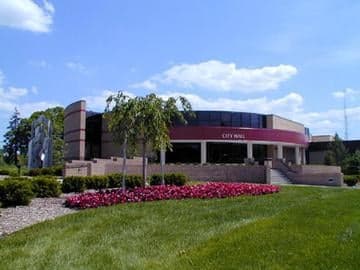
Sterling Heights feels like the kind of place where people move to settle down, not to make a splash. It’s a sprawling, middle-class suburb of Detroit that doesn’t try to be trendy or flashy — it just works. You’ll find wide boulevards, neatly kept ranch homes, and a rhythm built around family, work, and the occasional trip to the local Coney Island diner. It’s not a destination city; it’s a home base, and for the roughly 133,500 residents who live here, that’s exactly the point.
The Daily Rhythm: Work, School, and the Weekend Reset
Most people in Sterling Heights spend their weekdays in a familiar suburban groove. The average commute clocks in at about 25 minutes, which is manageable by metro Detroit standards — long enough to finish a podcast, short enough not to resent it. A solid chunk of the workforce heads southwest to jobs in Detroit proper or east to the sprawling auto and defense plants in Warren and Shelby Township. The median household income sits at $78,429, which goes further here than in many suburbs thanks to a cost of living index of 102 — just a hair above the national average. That means a decent middle-class lifestyle is still attainable, especially with a median home value of $260,700, well below what you’d pay in Oakland County’s pricier enclaves.
Weekends are low-key by design. Families hit the Lakeside Mall or the newer outdoor shopping at Partridge Creek just up the road in Clinton Township. The city’s park system is a genuine asset — Dodge Park along the Clinton River is the crown jewel, with walking trails, splash pads, and picnic shelters that fill up fast on summer Saturdays. You’ll see a lot of youth soccer and baseball games happening on those fields; the schools — particularly Utica Community Schools, which serves most of the city — are a major organizing force for family life. About 31.2% of adults hold a college degree, which tracks with the blue-collar-meets-white-collar mix you see at the grocery store or the local hockey rink.
Sports, Community, and What People Actually Do for Fun
Sports fandom here is split between the obvious pro allegiances — Lions, Tigers, Red Wings, Pistons — and a deep pride in local high school athletics. Sterling Heights High School and Stevenson High School football games draw real crowds on Friday nights, and the rivalry between them is the closest thing the city has to a civic religion. If you’re not into high school sports, you’re probably at a youth hockey game or coaching a Little League team. It’s that kind of place.
For entertainment beyond the bleachers, the city offers a handful of solid local spots. Buddies’ Restaurant & Sports Bar on Mound Road is a classic — cold beer, big TVs, and a menu that hasn’t changed in 20 years because nobody wants it to. Lorenzo’s Cucina is the go-to for Italian-American comfort food, and the Polish Village Cafe in nearby Hamtramck is worth the 20-minute drive for pierogi and kielbasa. The Sterlingfest Art & Music Fair in July is the biggest annual event, closing down Utica Road for a weekend of live bands, craft vendors, and carnival rides. It’s not Coachella, but it’s exactly what a family-friendly suburb needs.
Outdoor types will find the Clinton River Trail and River Bends Park in neighboring Shelby Township for longer bike rides and kayak launches. Winters are long and gray — expect snow from December through March — but the city does a solid job clearing roads, and the cold doesn’t stop the hockey games or the indoor soccer leagues.
What Works, What Doesn’t, and Who Fits In
The honest pros of Sterling Heights are stability and value. You get good schools, low violent crime — 220.2 incidents per 100,000 residents, which is below the national average for a city its size — and a housing market that hasn’t gone completely bonkers. The city is also notably diverse: a large Chaldean (Iraqi Christian) community has put down roots here, bringing excellent Middle Eastern bakeries and restaurants that you won’t find in whiter, wealthier suburbs. That mix gives the place a real, lived-in texture that planned communities lack.
The cons are real, too. Sterling Heights is car-dependent to a fault — there’s no walkable downtown, no central square, no place where you just bump into neighbors without planning it. The city’s layout is pure 1970s suburban sprawl: strip malls, big intersections, and a lot of asphalt. If you want urban energy, walkable coffee shops, or a vibrant nightlife, you’ll be driving 25 minutes to Royal Oak or Ferndale. Traffic on M-59 (Hall Road) during rush hour is a genuine headache, and the median age of 41.5 reflects a population that skews toward established families and empty-nesters rather than young singles.
The kind of person who thrives here is someone who values predictability, space, and a good school system over hipness and walkability. If you’re a young professional looking for a buzzing social scene, this probably isn’t your spot. If you’re a parent who wants a safe, affordable place to raise kids with decent schools and a backyard, Sterling Heights makes a lot of sense. It’s not trying to impress you — it’s just trying to be a solid place to live, and for the most part, it succeeds.

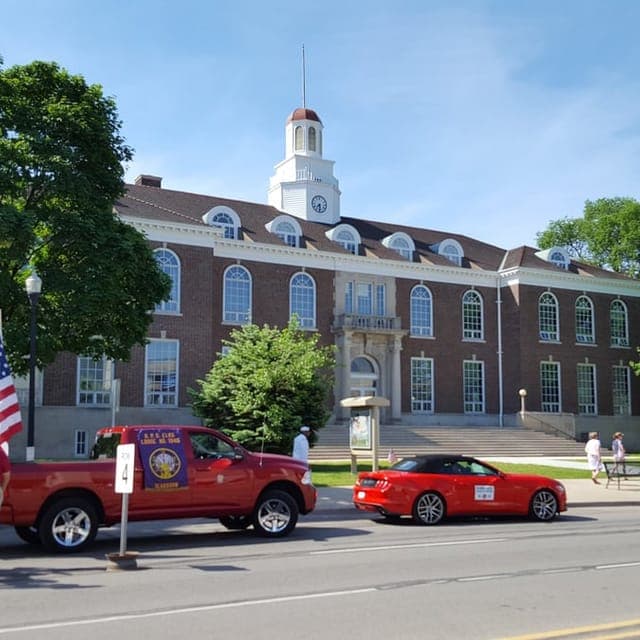
Similar small cities to Sterling Heights
* Values derived from national, state, county, city and local statistics and may differ in a specific area. Last updated: 2026-07-10T15:29:39.000Z
Narrative content on this page is AI-generated and may contain mistakes. Verify any details that matter before acting on them.
ReloMaps may earn a commission from affiliate links at no extra cost to you.

