Photo: Wikipedia
Find The Best Places To Live
in Hamtramck
PRO TIP! You can paste a Zillow or Redfin link to get info on that property.
What It's Like Living in Hamtramck, MI
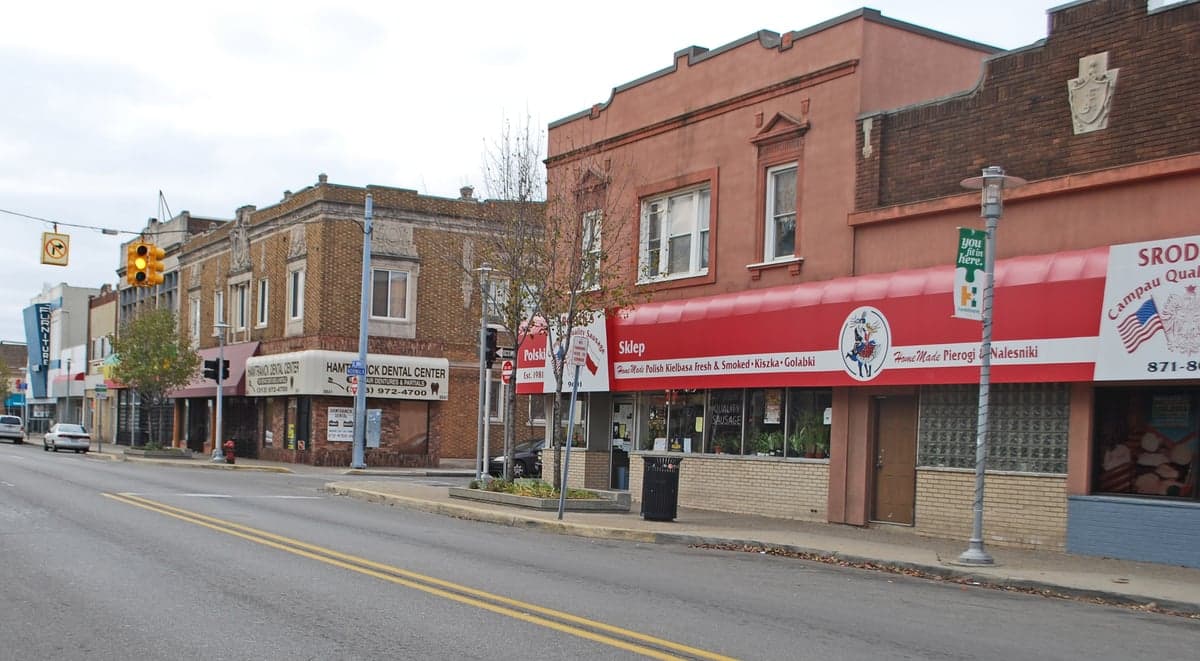
Hamtramck is a two-square-mile anomaly tucked inside Detroit, a place where the call to prayer from a mosque mingles with the clatter of a Polish polka band down the street, and where a century-old automotive past meets a present defined by one of the most diverse populations in the country. With a population just under 28,000, it feels less like a suburb and more like a self-contained, fiercely independent small town that happens to be surrounded by a major city. Living here means embracing density, noise, and a daily life that is anything but generic.
The Daily Rhythm: A Neighborhood That Never Sleeps
Daily life in Hamtramck is lived on the street, not behind a fence. The median age is just 27, and the median household income hovers around $40,000, which shapes a community where people walk, take the bus, or drive older cars. The cost of living index sits at 63—far below the national average—which means a median home value of $116,400 can actually get you a solid brick house, though likely one that needs some sweat equity. Weekends often start with a trip to the Hamtramck Public Library or a walk through Pulaski Park, where you’ll see Bangladeshi families picnicking next to Yemeni elders playing chess. Grocery shopping is an international affair: you can pick up fresh naan at Al Haramain, pierogi at Polish Market, and spices at a dozen tiny corner stores, all within a few blocks.
The average commute is about 25 minutes, but that’s misleading—most people drive to jobs in Detroit or the surrounding suburbs, and the traffic is negligible compared to any major metro. The real rhythm is dictated by the seasons: brutal, gray winters that push everyone indoors, and vibrant summers where the city’s many block parties and festivals take over the streets. The schools—part of the Hamtramck Public Schools district—are a central community hub, with high school football games drawing crowds that feel more like a Friday Night Lights scene than a small urban district.
Sports, Community, and the Local Identity
Sports here are less about pro teams and more about local pride. Hamtramck High School’s football and soccer teams are a big deal—games at Keyworth Stadium are packed, and the stadium itself is a historic Works Progress Administration structure that the community rallied to renovate in 2015. You won’t find many residents obsessing over the Detroit Lions or Tigers; instead, the local identity is wrapped up in the city’s own teams and its unique cultural events. The Hamtramck Blowout, a multi-venue music festival, showcases the city’s indie rock and punk scene, while the Polish Festival and Bangladeshi New Year celebrations reflect the two largest ethnic groups. The city’s nickname, “The World in Two Square Miles,” isn’t just a slogan—it’s how people describe their own block.
The kind of person who fits in here is someone who values authenticity over polish. You won’t find chain stores or luxury apartments; instead, you’ll find dive bars like New Dodge Lounge and Kelly’s Bar, where a $3 beer and a conversation with a stranger are the norm. This is a place for artists, immigrants, and working-class families who don’t mind a little grit. The affluence level is low—only 18% of adults hold a college degree—but the cultural wealth is immense. If you need a quiet, manicured suburb with a big backyard, this isn’t it. If you want to live somewhere that feels alive and unscripted, Hamtramck delivers.
What’s There to Do: Festivals, Food, and a Few Frustrations
Entertainment in Hamtramck is scrappy and community-driven. The Hamtramck Music Festival and the Labor Day Festival (one of the oldest in the state) are can’t-miss events that shut down streets and fill them with food trucks, live bands, and bounce houses. For outdoor activities, Pulaski Park and Veterans Memorial Park are small but well-used, and the nearby Detroit Riverwalk is a 10-minute drive. Restaurants are the real draw: Polonia serves classic Polish fare like pierogi and kielbasa, while Zam Zam offers some of the best biryani in the metro area. The bar scene is legendary for its dives—Bumbo’s and Small’s are local institutions where you can catch punk shows or just nurse a drink.
Now for the honest pros and cons. What residents love: the diversity, the affordability, the sense of community where neighbors actually know each other, and the fact that you can walk to most errands. What frustrates them: the violent crime rate of 613.9 per 100,000 is high—well above national averages—and property crime is a real concern, especially car break-ins. The city’s aging infrastructure means potholes and water main breaks are common, and the city council’s frequent political infighting can be exhausting. The weather is typical Michigan: long, gray winters that test your resolve, and humid summers that make you grateful for air conditioning.
Living in Hamtramck is a trade-off. You get a vibrant, walkable, affordable community with a rich cultural tapestry, but you also get the challenges of an older, denser city with real crime and infrastructure issues. For the right person—someone who values diversity over convenience, and community over quiet—it’s a place that feels less like a home and more like a family.

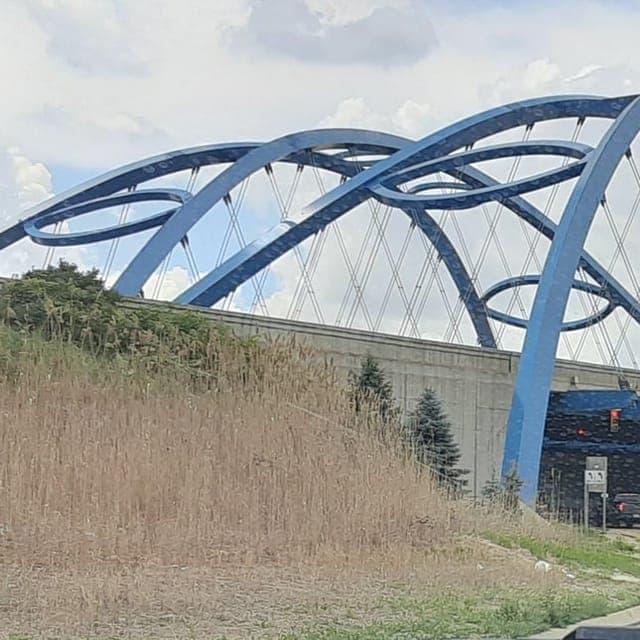
Similar towns to Hamtramck

* Values derived from national, state, county, city and local statistics and may differ in a specific area. Last updated: 2026-10-15T08:44:52.000Z
Narrative content on this page is AI-generated and may contain mistakes. Verify any details that matter before acting on them.
ReloMaps may earn a commission from affiliate links at no extra cost to you.

