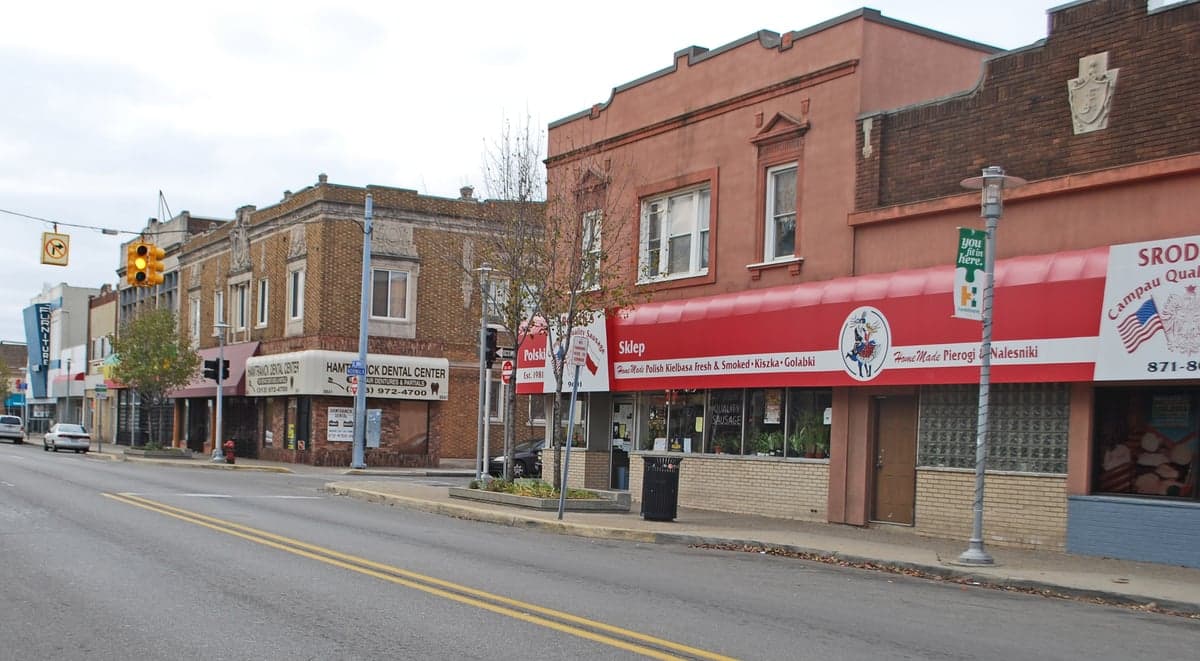
Photo: Wikipedia
Quality of Life in Hamtramck, MI
Above-average quality of iife. The area offers a reasonable cost of living, decent mobility, and a mix of neighborhood amenities.
What does Quality of Life tell us?
Quality of Life blends cost of living, nearby amenities, socioeconomic signals, and neighborhood character. City-level scores represent the whole municipality; individual neighborhoods can differ.
What does this tell us?
Quality of Life blends cost of living, nearby amenities, socioeconomic signals, and neighborhood character. City-level scores represent the whole municipality; individual neighborhoods can differ.
Cost of Living
37% below national average
The Real Cost of Living in Hamtramck, MI for 2026
| Tier | Individual | Family (4) |
|---|---|---|
| Survival | $14k | $27k |
| Comfortable | $23k | $33k |
| Luxury | $69k+ | $107k+ |
| Elite (Top 5%) | $81k+ | $126k+ |
120%
The Area Signal
A metric tracking the socioeconomic signals of the area.
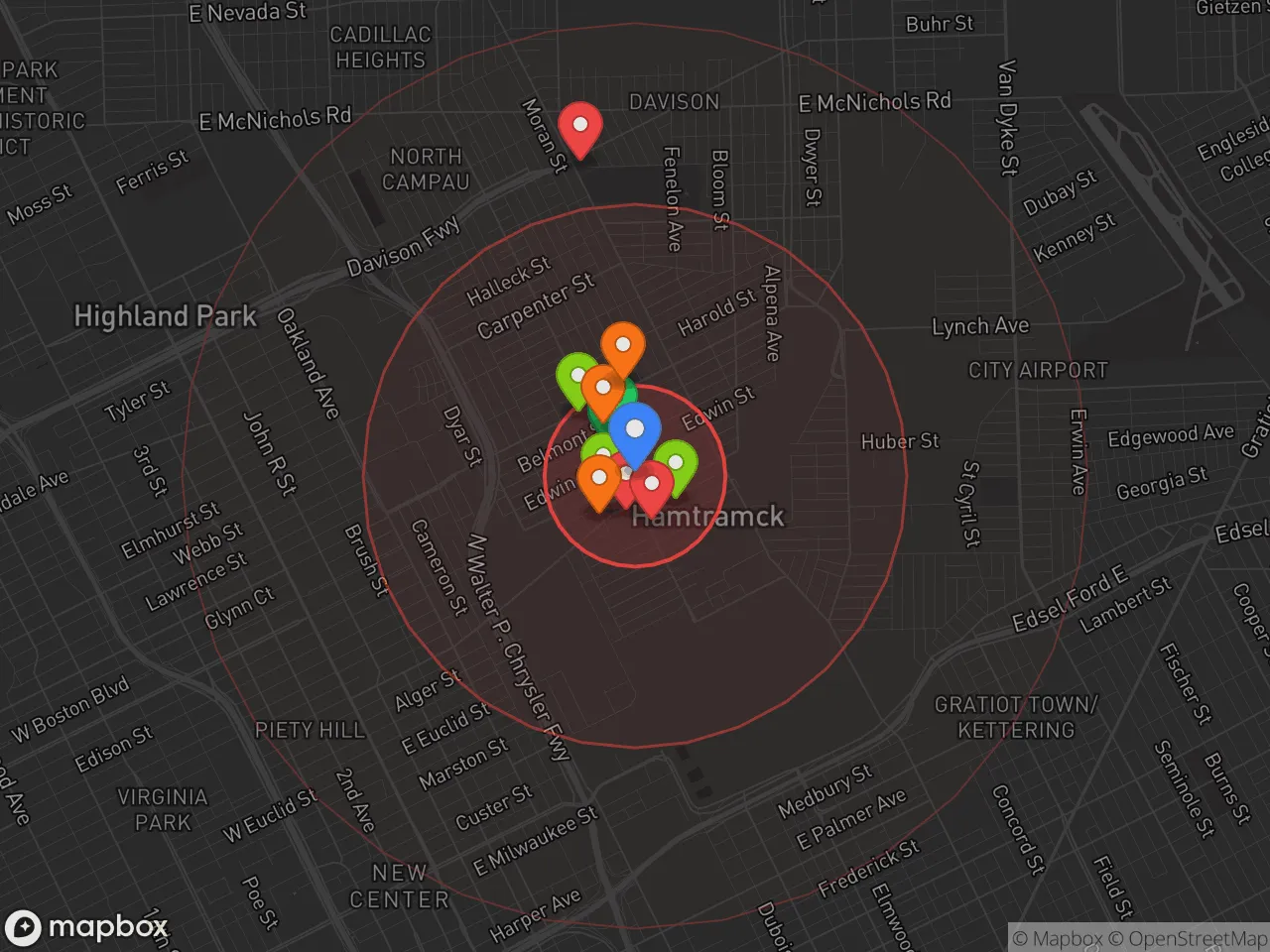
Hobbies
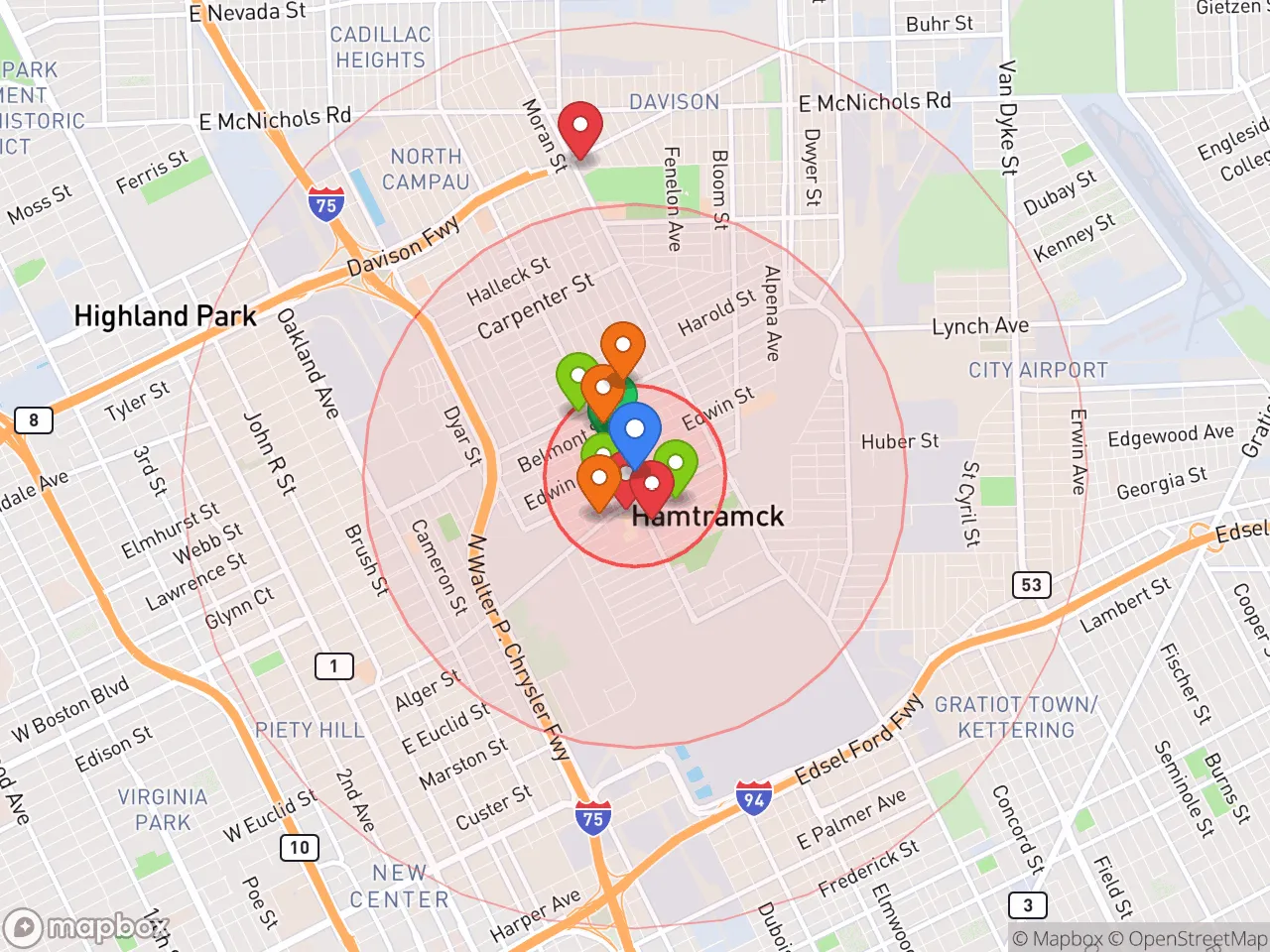
Explore the areaGroceries
0 within 10 miles
Gas
0 within 10 miles
Hospital
0 within 20 miles
Airport
DTW — Detroit Metropolitan Wayne County
Post Office
Critical Amenities
Quality-of-Life Analysis
Hamtramck, Michigan, offers a distinctly affordable quality of life that stands in sharp contrast to the high cost of living found in much of the metro Detroit region. With a cost of living index of 63—well below the U.S. average of 100—the city attracts a diverse, working-class population, including a large Bangladeshi, Yemeni, and Polish immigrant community. Residents are typically renters or first-time homebuyers who prioritize urban proximity and cultural vibrancy over suburban sprawl, creating a dense, walkable, and family-oriented enclave within Detroit’s immediate orbit.
How housing costs and affordability compare to Detroit and nearby suburbs
Hamtramck’s housing market is among the most accessible in southeastern Michigan. The median home value sits at $116,400, a fraction of the metro Detroit median of roughly $250,000, and significantly lower than neighboring suburbs like Royal Oak ($350,000+) or Ferndale ($300,000+). Median rent is $907, which undercuts the regional average by about 30%. This affordability allows many households to live on a single income or save for future moves, though it also reflects the city’s older housing stock—much of it built before 1950—and a tax base constrained by decades of population decline. Compared to Detroit proper, Hamtramck’s home values are roughly 20% higher, but its property taxes are lower due to a smaller city government footprint. For renters and buyers alike, the trade-off is clear: lower costs in exchange for older infrastructure and fewer luxury amenities.
What daily life is like for families: schools, parks, and commute realities
Daily life in Hamtramck revolves around its tight-knit neighborhoods and a walkable commercial corridor along Joseph Campau Avenue. The Hamtramck Public Schools district serves about 2,500 students, with Hamtramck High School offering a multicultural curriculum that reflects the city’s demographics—over 30 languages are spoken in homes. For families seeking alternatives, charter schools like Frontier International Academy provide STEM-focused options. Parks are modest but functional: Veterans Memorial Park hosts summer concerts and soccer leagues, while Pulaski Park offers a playground and green space. The average commute time is 24.8 minutes, slightly below the national average of 27 minutes, thanks to Hamtramck’s location just 3 miles from downtown Detroit. Many residents drive, but the city is also served by DDOT bus routes and the QLine streetcar, making it feasible to commute without a car for those working in Midtown or the Detroit Medical Center. Groceries, bakeries, and halal markets are within walking distance for most households, reducing the need for frequent car trips.
Hamtramck is best suited for people who value cultural diversity, urban walkability, and low housing costs over suburban amenities like large yards or top-tier school rankings. First-time homebuyers, immigrant families building generational wealth, and artists or remote workers seeking an affordable base near Detroit will find the city a practical fit. Those who prioritize high-rated public schools, expansive parks, or a quiet, low-density environment may struggle with Hamtramck’s compact, densely populated layout. For anyone willing to embrace a vibrant, multi-ethnic community with a strong sense of place, Hamtramck offers a quality of life that is both economically sustainable and culturally rich.

Crime in Hamtramck, MI
Higher crime rates than 61% of comparable U.S. locations.
Violent CrimeViolent Crime Analysis
Property CrimeProperty Crime Analysis
Crime Analysis
Hamtramck, Michigan, a densely packed enclave surrounded by Detroit, reports a violent crime rate of 613.9 incidents per 100,000 residents and a property crime rate of 1,525.6 per 100,000. These figures place the city in a high-risk category for a community of its size, and the local criminal justice environment—shaped by progressive prosecutorial policies common in the broader Wayne County metro area—raises additional concerns for public safety and victim recourse.
Crime in context
Hamtramck’s violent crime rate is roughly 1.7 times the national average, while its property crime rate sits near the national median but remains elevated compared to safer suburban rings. The city’s geography—just 2.1 square miles with a population over 28,000—creates a high-density environment where crime can feel more immediate. The surrounding metro area, including Detroit and Wayne County, has seen a trend toward lenient sentencing and reduced pretrial detention under progressive prosecutors. This approach, while intended to reduce incarceration, often results in repeat offenders cycling back onto Hamtramck’s streets, undermining deterrence and increasing the likelihood of victimization for law-abiding residents.
What residents experience
Daily life in Hamtramck involves navigating a mix of tight-knit neighborhoods and persistent property crime, including vehicle break-ins, theft from porches, and residential burglaries. Violent incidents—aggravated assaults, robberies, and occasional shootings—are concentrated along commercial corridors like Jos. Campau Avenue and near major intersections. Residents frequently report that police response times are stretched thin due to the city’s limited force size and the broader regional strain on law enforcement resources. The progressive judicial philosophy in Wayne County means that even when arrests are made, offenders often face reduced charges or quick release, which erodes community trust and leaves victims feeling that the system prioritizes offender rehabilitation over public safety.
Neighborhood-level variation is notable but limited by Hamtramck’s small footprint. The western side, closer to the Detroit border, tends to see higher violent crime rates, while the eastern and central residential blocks—especially around the historic Polish Village area—report more property crime but fewer violent incidents. However, no part of the city is insulated from the spillover effects of regional crime policy. For those considering relocation, the combination of above-average crime rates and a justice system perceived as soft on offenders makes Hamtramck a location that demands careful attention to block-by-block conditions and a realistic assessment of personal safety tolerance.
* Values derived from national, state, county, city and local statistics and may differ in a specific area. Last updated: 2026-10-15T08:44:52.000Z
Narrative content on this page is AI-generated and may contain mistakes. Verify any details that matter before acting on them.
ReloMaps may earn a commission from affiliate links at no extra cost to you.

