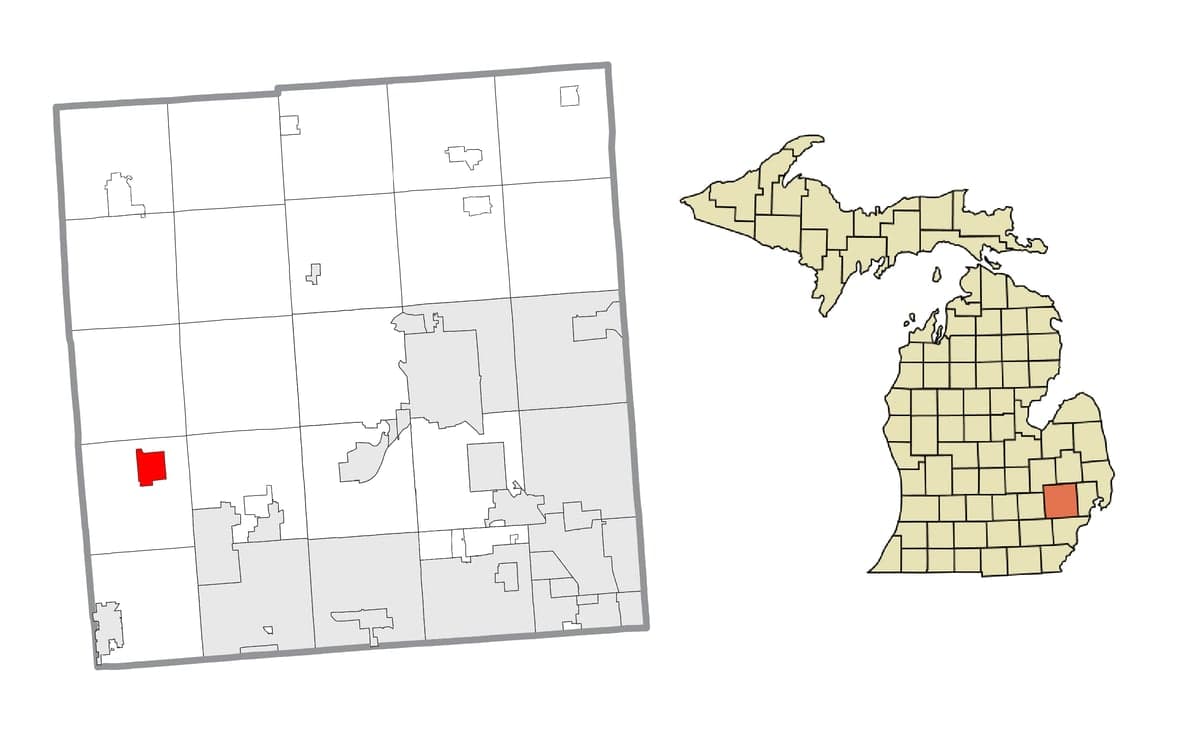
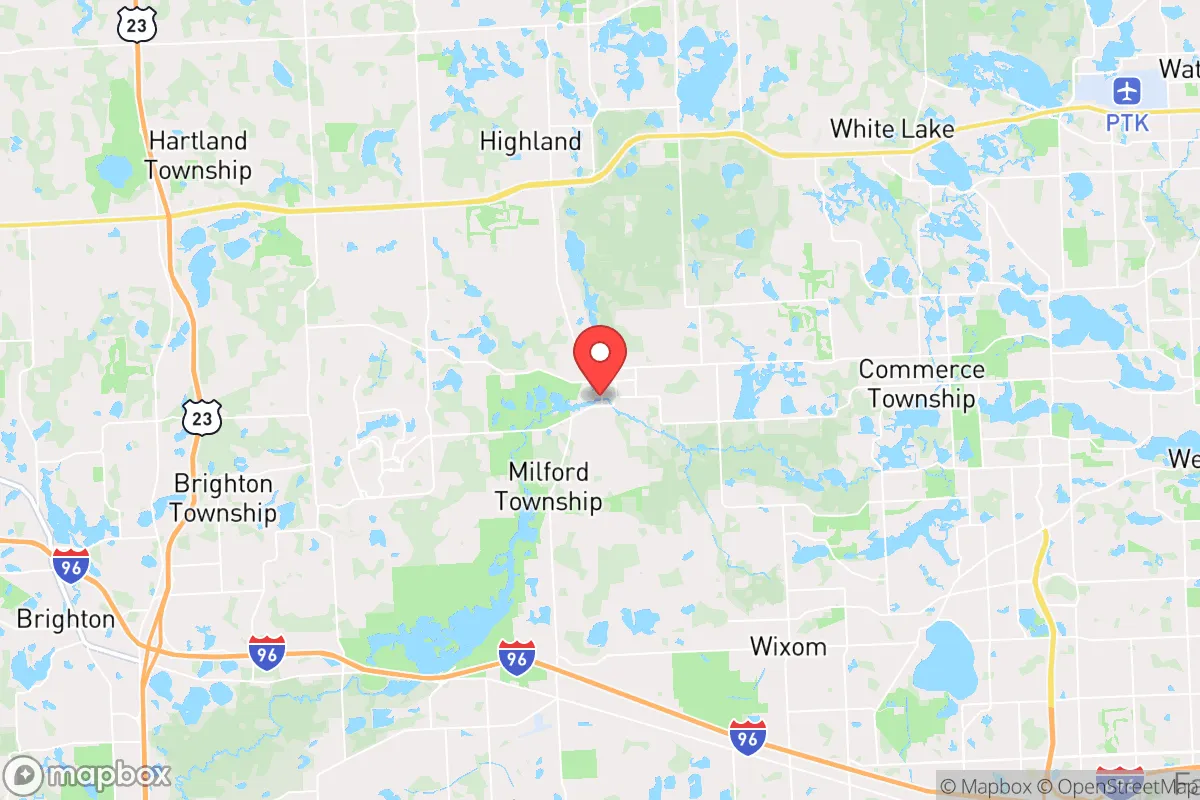
Photo: Wikipedia
Find The Best Places To Live
in Milford
PRO TIP! You can paste a Zillow or Redfin link to get info on that property.
What It's Like Living in Milford, MI
Milford, Michigan, feels like a small-town postcard that happens to be fully lived in. With a population just over 6,400, it’s the kind of place where the downtown brick streets actually see people walking them on a Tuesday evening, and where the Huron River isn’t just a backdrop—it’s the town’s living room. You won’t find chain-store sprawl here; instead, you get a village that’s stubbornly preserved its own character, anchored by a historic mill pond and a Main Street that could pass for a movie set. It’s a community that attracts people who want the quiet rhythms of small-town life but still need to be within striking distance of Detroit or Ann Arbor for work.
The Daily Rhythm: What Weekends and Weekdays Actually Look Like
Most mornings in Milford start with coffee from Java House on Main Street, where the regulars know the baristas by name and the patio overlooks the river. The average commute here is about 29 minutes—long enough to feel like a real trip, but short enough that people do it without complaint. A solid chunk of residents work in the auto industry or tech sectors in Auburn Hills, Novi, or Plymouth, so the weekday exodus is real. But come 5:30 PM, the village fills back up. Families head to Central Park for little league games or just to let kids run on the grass by the gazebo. The median age is 42.1, which tells you this isn’t a college town or a retirement enclave—it’s squarely a place where people are raising kids and building careers.
Weekends revolve around the river. Kayaking and tubing on the Huron are practically a rite of passage, and the Milford River Days festival in June is the biggest annual event, drawing crowds for the parade, carnival rides, and the cardboard boat race. For groceries, most people hit the local Kroger or the Milford Farmers Market (May through October), but there’s no Target or Meijer in town—you’ll drive to Commerce Township or Highland for that. That lack of big-box convenience is a trade-off locals happily make.
Sports, Community Pride, and the Local Identity
High school sports are a genuine center of gravity here. Milford High School (home of the Mavericks) draws solid crowds for Friday night football in the fall, and the hockey team has a loyal following at the local rink. There’s no pro team in town, but you’ll see plenty of Detroit Lions and Red Wings gear—the allegiance to Detroit sports is strong, just filtered through a small-town lens. The real local obsession, though, is the outdoors. The Kensington Metropark is a ten-minute drive and offers 4,500 acres of hiking, biking, and a beach on Kent Lake. On any given Saturday, you’ll find half the town out there on the trails or fishing off the pier.
Milford’s identity is proudly independent. There’s a quiet resistance to becoming a bedroom suburb that’s lost its soul. The downtown has no chain restaurants—just local spots like Bistro 1891 for upscale American fare, Milford House for a classic burger and beer, and Pizza House for the kind of thin-crust pizza that inspires fierce loyalty. The Milford Historical Museum in the old train depot is a small but well-loved institution, and the annual Milford Memories art fair in August turns Main Street into a gallery. It’s the kind of place where the Fourth of July parade is a genuine community event, not just something to watch from your lawn chair.
What Works, What Doesn’t: The Honest Trade-Offs
The upsides are real. The violent crime rate is 73.2 per 100,000—well below the national average—and people routinely leave their doors unlocked during the day. The schools are a major draw: Milford High School has a strong academic reputation, and the elementary schools feed into a tight-knit parent community. The median home value of $348,600 is steep for a village this size, but it’s still more affordable than comparable towns in Oakland County like Birmingham or Northville. With a median household income of $102,521, most families can swing it, though first-time buyers often need to look at neighboring communities like Wixom or Walled Lake for entry-level prices.
The downsides are equally honest. The cost of living index sits at 104—slightly above the national average—and property taxes in Michigan are no joke, especially in Oakland County. Winter can feel long: snow starts in November and can linger through March, and the lake-effect clouds from the Huron River keep things gray. Traffic on Milford Road and General Motors Road can back up during rush hour, and the commute to Detroit (about 45 minutes without traffic) is a grind for anyone working downtown. There’s also a sense that the village can feel a bit insular—newcomers sometimes report it takes a few years to break into established social circles, especially if you don’t have kids in the schools.
For the right person, though, those trade-offs are easy to live with. Milford works best for families who want a walkable downtown, good schools, and easy access to the outdoors, and for singles or couples who don’t mind a slower pace and are willing to drive for nightlife or big-city amenities. It’s not a place for people who want anonymity—you’ll know your neighbors, and they’ll know your business. But for those who value a community that actually feels like one, Milford delivers on that promise every day.

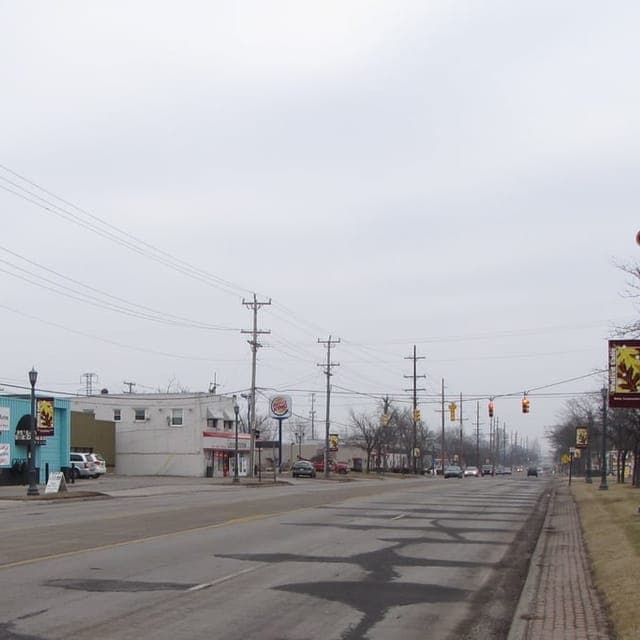
Similar small towns to Milford
* Values derived from national, state, county, city and local statistics and may differ in a specific area. Last updated: 2026-10-05T03:56:56.000Z
Narrative content on this page is AI-generated and may contain mistakes. Verify any details that matter before acting on them.
ReloMaps may earn a commission from affiliate links at no extra cost to you.

