Photo: Wikipedia
Find The Best Places To Live
in Birmingham
PRO TIP! You can paste a Zillow or Redfin link to get info on that property.
What It's Like Living in Birmingham, MI
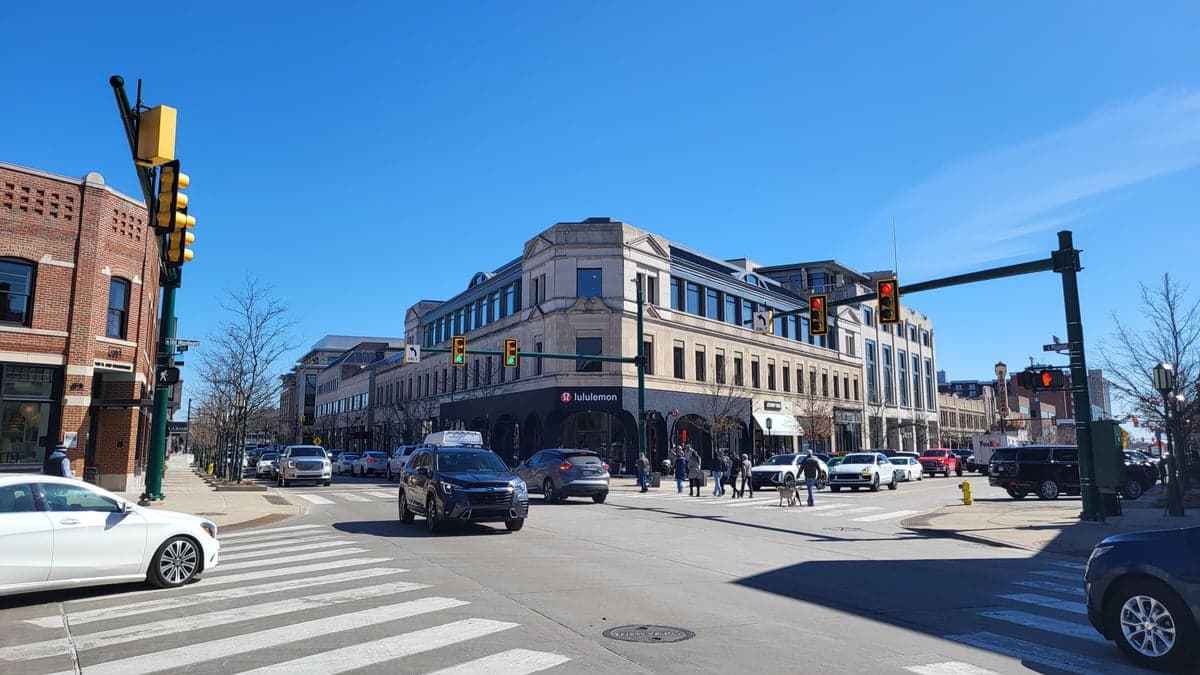
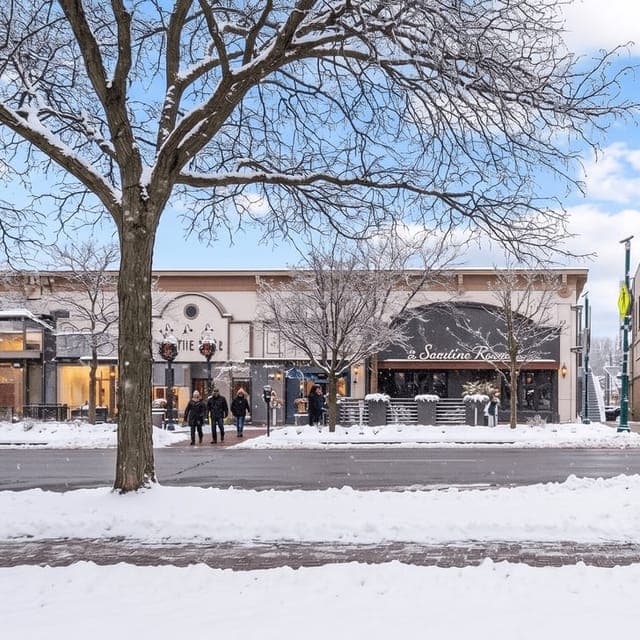
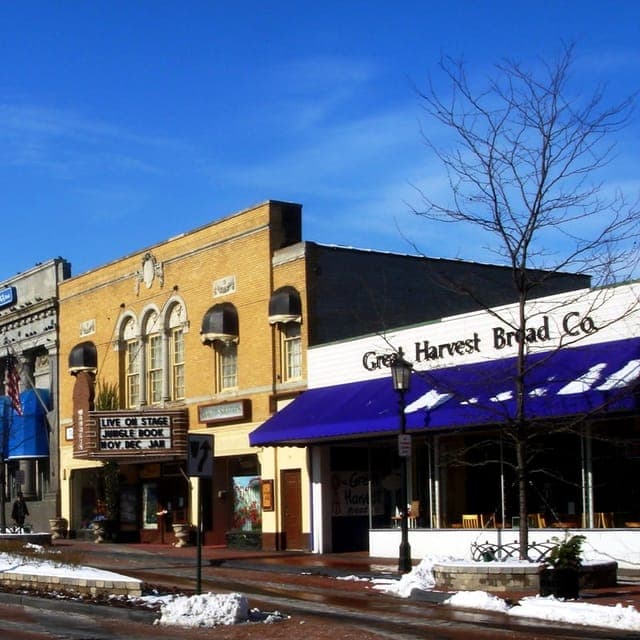
Living in Birmingham, Michigan, feels a bit like being part of a well-curated, walkable small town that happens to have the shopping, dining, and professional energy of a much bigger place. It’s the kind of community where you’ll see families with strollers heading to brunch on a Saturday morning, couples grabbing coffee before a show at the Baldwin Theatre, and neighbors chatting at the farmers market in Shain Park. The vibe is polished but not stuffy, affluent but not ostentatious, and there’s a genuine pride in the local schools, the downtown, and the seasonal traditions that define the calendar year.
The Daily Rhythm: Walkable Downtowns and a Commuter’s Balance
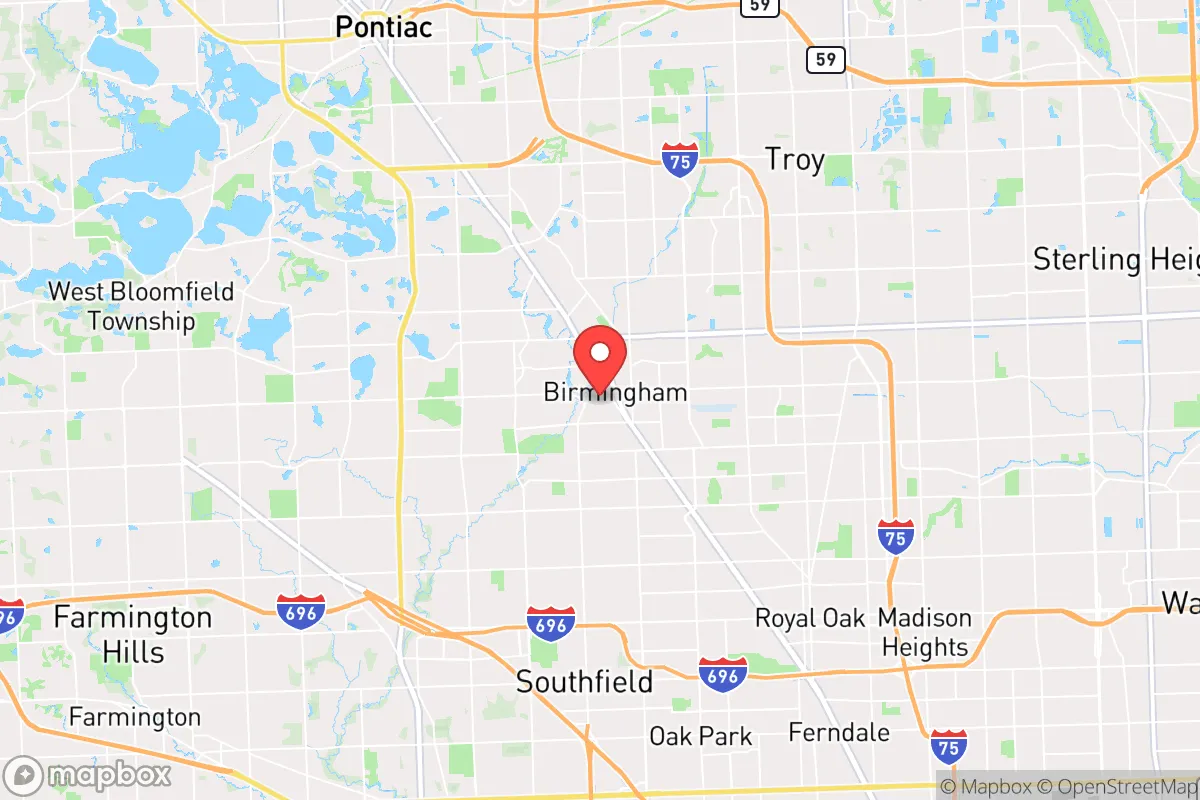
For many residents, daily life revolves around the downtown triangle of Old Woodward, Maple, and Pierce. You can walk from a boutique clothing store to a craft cocktail bar to a bookstore without moving your car. The average commute is just over 20 minutes, which is a huge quality-of-life perk for people working in Detroit, Southfield, or Troy. The median age here is 41.1, and the median household income sits at $153,125, so you’re looking at a population of established professionals, empty-nesters, and families who prioritize time over a long drive. Weekends often start with a run or bike ride through the 336-acre Booth Park or the trails at Lincoln Hills Golf Club, followed by a stop at Big Rock Chop House for a burger or Fleming’s Prime Steakhouse for a nicer dinner. The Birmingham Farmers Market (May through October) is a genuine social hub, not just a place to buy produce.
Sports, Community, and the School Spirit Factor
High school sports are a surprisingly big deal here. Birmingham Seaholm High School and Groves High School both have strong followings, especially for football and basketball. Friday night lights in the fall draw crowds that include not just parents but also alumni and local business owners. For pro sports, you’re a 30-minute drive from Detroit’s major teams—the Tigers, Lions, Pistons, and Red Wings—but many residents prefer the more intimate feel of local events. The Birmingham Village Players at the Baldwin Theatre put on community theater productions that are genuinely well-done, and the Birmingham Bloomfield Art Center offers classes and exhibitions that attract a creative crowd. The biggest annual event is the Birmingham Art Fair in September, which brings over 200 artists and thousands of visitors to Shain Park. It’s a weekend where the whole town shows up.
What’s There to Do: Parks, Patios, and a Few Surprises
Outdoor life is more active than you might expect for a suburb. Booth Park has tennis courts, a playground, and a sledding hill that gets heavy use in winter. Quarton Lake is a small, quiet spot for kayaking or paddleboarding. The Rouge River Gateway Trail runs through the city and connects to a regional network, so serious cyclists and runners use it regularly. For dining, the scene is varied: Salvatore Scallopini is a longtime favorite for Italian, Forte does modern Greek, and Bastone Brewery is the go-to for craft beer and a lively patio. The Birmingham 9 movie theater is a classic multiplex, but the Maple Theater in nearby Bloomfield Hills offers indie films and a bar. One quirk: the city has a strict noise ordinance after 11 p.m., so the nightlife is more “nice dinner and a drink” than “club scene.” That suits the demographic just fine.
Pros and Cons of Living Here
- What residents love: The walkability of downtown is the top answer. You can live in a single-family home and still walk to dinner, the park, and the dentist. The schools are excellent—Birmingham Public Schools consistently rank among the best in the state. The violent crime rate is 31.4 per 100,000, which is far below the national average, so safety is a real selling point. The seasonal events—the tree lighting in December, the summer concert series, the art fair—create a strong sense of community.
- What frustrates them: The cost of living index is 199 (double the national average), and the median home value is $712,700. That prices out many young professionals and even some dual-income families. Traffic on Woodward Avenue during rush hour is a genuine headache, and parking downtown can be a hassle on weekends. Some longtime residents feel the city has become a bit too polished and expensive, losing some of its old-school character. Winters are real—average snowfall is around 40 inches—so you’ll need a good snowblower and a tolerance for gray skies from December through March.
Birmingham is a place where people move for the schools and stay for the lifestyle. It’s not for everyone—if you want a cheap mortgage or a vibrant nightlife, look elsewhere. But if you value a safe, walkable, well-educated community where you can grab a coffee, hit a trail, and know your neighbors by name, it’s hard to beat. The median age of 41.1 tells you this is a place where people settle down, and the 76.9% college-educated rate means the conversations at the bar are as interesting as the food. It’s a small city that punches above its weight, and most people who land here don’t leave.

Similar towns to Birmingham
* Values derived from national, state, county, city and local statistics and may differ in a specific area. Last updated: 2026-10-05T03:56:01.000Z
Narrative content on this page is AI-generated and may contain mistakes. Verify any details that matter before acting on them.
ReloMaps may earn a commission from affiliate links at no extra cost to you.

