Photo: Wikipedia
Quality of Life in Birmingham, MI
A high quality of life with strong walkability, manageable living costs, healthy neighborhood signals, and solid amenity access.
What does Quality of Life tell us?
Quality of Life blends cost of living, nearby amenities, socioeconomic signals, and neighborhood character. City-level scores represent the whole municipality; individual neighborhoods can differ.
What does this tell us?
Quality of Life blends cost of living, nearby amenities, socioeconomic signals, and neighborhood character. City-level scores represent the whole municipality; individual neighborhoods can differ.
Cost of Living
99% above national average
The Real Cost of Living in Birmingham, MI for 2026
| Tier | Individual | Family (4) |
|---|---|---|
| Survival | $30k | $57k |
| Comfortable | $138k | $204k |
| Luxury | $277k+ | $429k+ |
| Elite (Top 5%) | $433k+ | $672k+ |
75%
The Area Signal
A metric tracking the socioeconomic signals of the area.
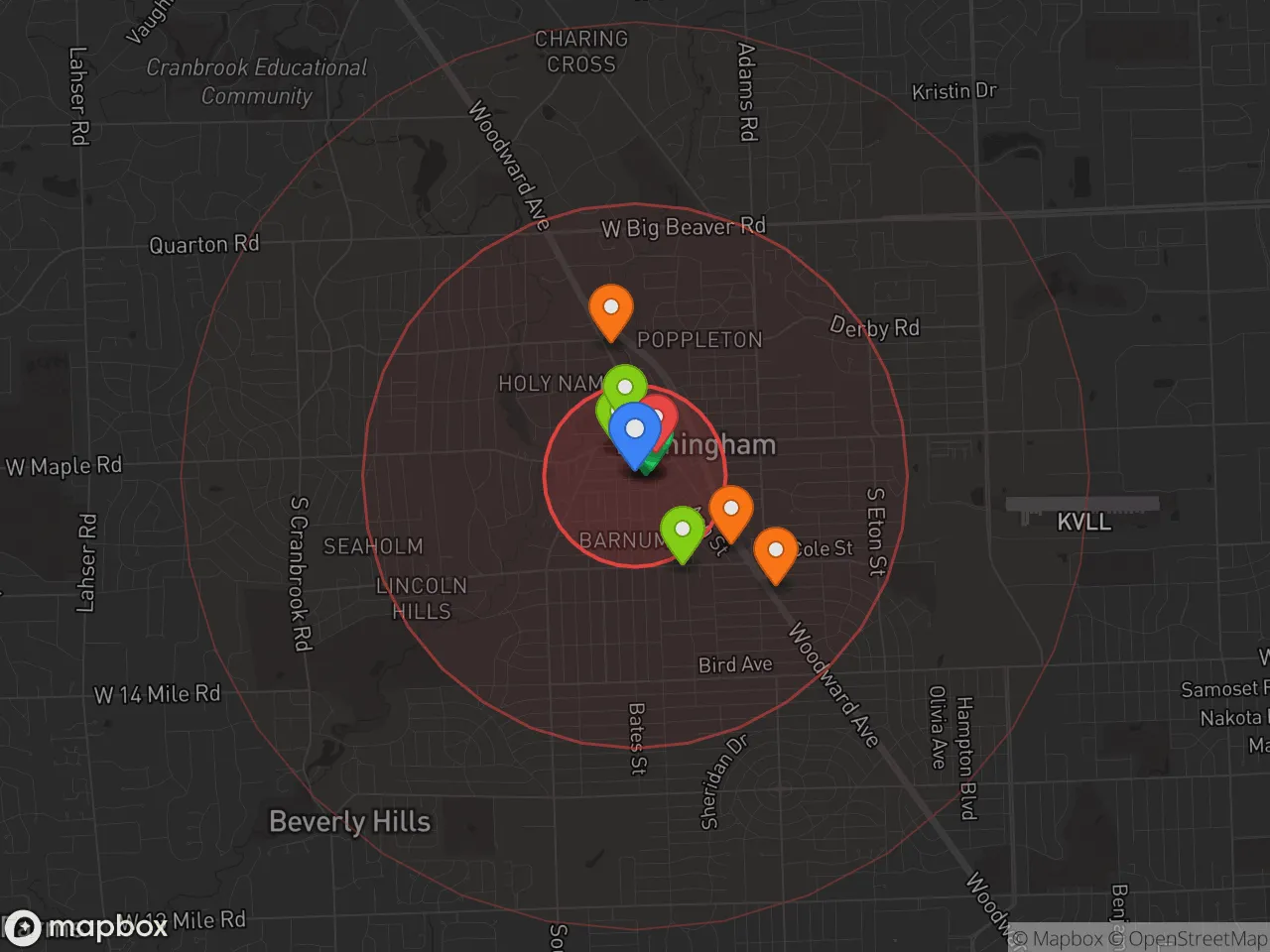
Hobbies
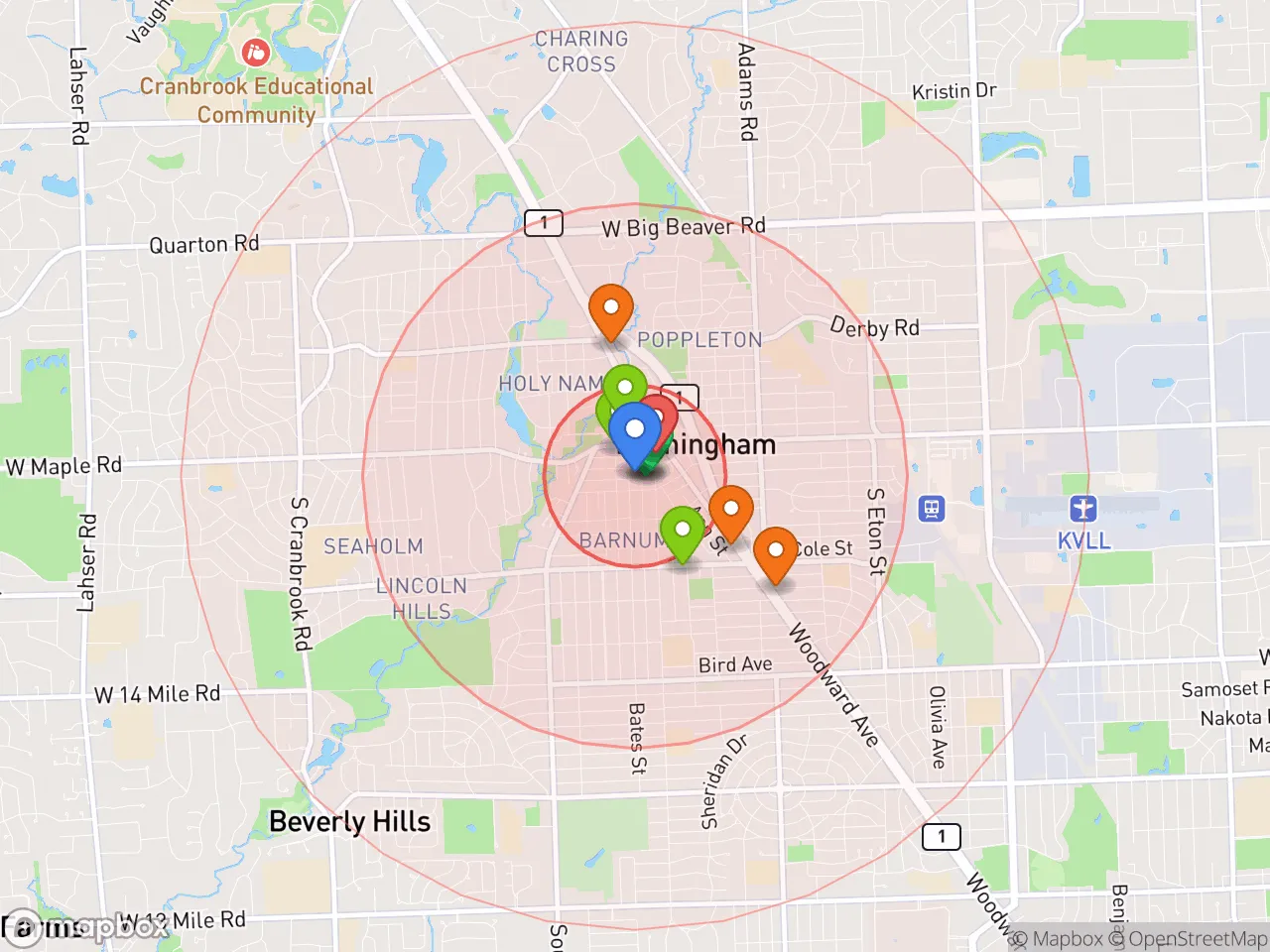
Explore the areaGroceries
6 within 10 miles
Gas
20 within 10 miles
Hospital
20 within 20 miles
Airport
DTW — Detroit Metropolitan Wayne County
Post Office
USPS — Birmingham, MI
Critical Amenities
Quality-of-Life Analysis
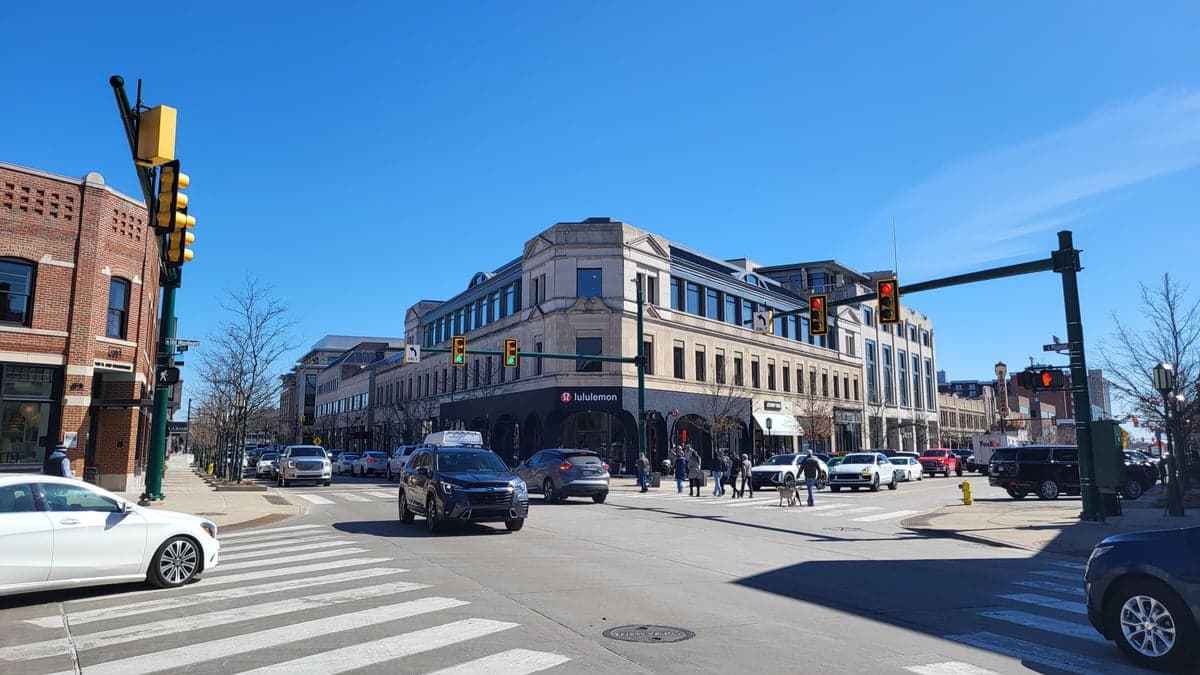
Birmingham, Michigan, is one of metro Detroit’s most affluent suburbs, drawing professionals, executives, and families who prioritize walkable luxury and top-tier public schools. With a cost-of-living index of 199 (nearly double the U.S. average), the city commands a premium for its historic downtown, high-end retail, and proximity to Detroit’s job centers. The population skews toward college-educated homeowners, many employed in finance, law, and automotive headquarters, creating a dense, polished community where daily life revolves around boutique shopping, fine dining, and civic events.
Cost of living, housing, and affordability compared to nearby suburbs
Birmingham’s housing market is among the most expensive in Oakland County. The median home value sits at $712,700, roughly 2.5 times the national median, while median rent is $1,891 per month. For context, neighboring Bloomfield Hills has a higher median home value (around $850,000), but Birmingham offers a more compact, walkable downtown. Royal Oak, just south, is more affordable (median home value ~$350,000) but lacks Birmingham’s luxury retail and historic housing stock. The average commute of 20.3 minutes is notably shorter than the Detroit metro average of 27 minutes, thanks to easy access to I-75 and Woodward Avenue. While the cost of living is steep, residents often offset it with higher household incomes—the median household income exceeds $130,000—and lower property tax rates than nearby Franklin or Bloomfield Township.
Walkable downtown, top schools, and daily life rhythm
Birmingham’s quality of life centers on its compact, pedestrian-friendly downtown, anchored by the Shain Park green space and the historic Birmingham Theatre. The city’s Birmingham Public Schools are consistently rated among Michigan’s best, with Seaholm High School and Groves High School both earning A+ ratings from Niche. Daily life follows a predictable rhythm: morning coffee at a local café, a stroll through the Birmingham Farmers Market (May–October), and evening dining along Old Woodward Avenue. The city also maintains 18 parks, including the 40-acre Lincoln Hills Golf Club, and hosts annual events like the Birmingham Art Fair and the Sidewalk Sales. For families, the library system and recreation center offer year-round programming. The trade-off is limited nightlife beyond upscale bars and wine bars; most entertainment options are in nearby Ferndale or Detroit proper.
Birmingham is best suited for affluent professionals, empty-nesters, and families who value walkability, prestige, and school quality over square footage or land. It is less ideal for budget-conscious buyers, young renters seeking nightlife, or anyone needing a short commute to Detroit’s core (20 minutes is fast, but not walkable). The city’s high cost of entry and property taxes mean residents must be financially comfortable, but for those who can afford it, Birmingham offers a rare blend of small-town charm, urban amenities, and top-ranked public education within a major metro area.

Crime in Birmingham, MI
Lower crime rates than 90% of comparable U.S. locations.
Violent CrimeViolent Crime Analysis
Property CrimeProperty Crime Analysis
Crime Analysis
Birmingham, Michigan, is one of the safest cities in the Detroit metro area, with a violent crime rate of just 31.4 incidents per 100,000 residents—roughly one-tenth the national average. Property crime, at 820.3 per 100,000, is also well below the U.S. median, though it remains the more common concern for households. However, as a small, affluent city embedded in a large, liberal-leaning metropolitan area, Birmingham is not immune to the broader justice-system trends that can undermine public safety.
Crime in context
Birmingham’s violent crime rate is 94% lower than the national average of 380 per 100,000, and its property crime rate is about 30% lower than the U.S. figure. These numbers place Birmingham among the safest communities in Oakland County. Yet the city sits within a metro region where progressive prosecutors and judges in Detroit and Wayne County have adopted policies such as cash bail reform, reduced charging for low-level offenses, and early release programs. While these measures aim to reduce incarceration, they have been linked to higher recidivism and more property crime spillover into adjacent suburbs like Birmingham. The city’s low crime rates are a testament to local policing, but the regional justice environment means that offenders from nearby high-crime areas can cycle back onto the streets quickly.
What residents experience
Daily life in Birmingham feels safe. The downtown district, with its high-end shops and restaurants, sees regular police patrols and a visible private security presence. Most reported incidents are property-related—thefts from vehicles, package thefts, and occasional burglaries—rather than violent confrontations. Residents should still take standard precautions: locking cars, securing garages, and using home security systems. The clearance rate for violent crimes in Birmingham is high (over 80%), but property crimes are harder to solve, and the regional justice system’s leniency toward repeat offenders means that stolen goods are rarely recovered and perpetrators face minimal consequences.
Neighborhood-level variation is modest but worth noting. Areas closer to the Woodward Avenue corridor and the city’s southern border with Royal Oak see slightly higher property crime, while the northern residential enclaves near Quarton Lake and the golf course report near-zero violent crime. The city’s most expensive blocks—around Old Woodward and Maple Road—benefit from private security and neighborhood watch programs, further suppressing crime. In contrast, the few apartment complexes and rental zones near the I-75 interchange see occasional car break-ins and vandalism. Overall, Birmingham’s safety is excellent by any standard, but the progressive criminal-justice policies of the surrounding metro area create a persistent, low-level risk that residents should acknowledge rather than ignore.
* Values derived from national, state, county, city and local statistics and may differ in a specific area. Last updated: 2026-10-05T03:56:01.000Z
Narrative content on this page is AI-generated and may contain mistakes. Verify any details that matter before acting on them.
ReloMaps may earn a commission from affiliate links at no extra cost to you.

