 Popular
Photo: Wikipedia
Find The Best Places To Live
in Sonoma
PRO TIP! You can paste a Zillow or Redfin link to get info on that property.
What It's Like Living in Sonoma, CA
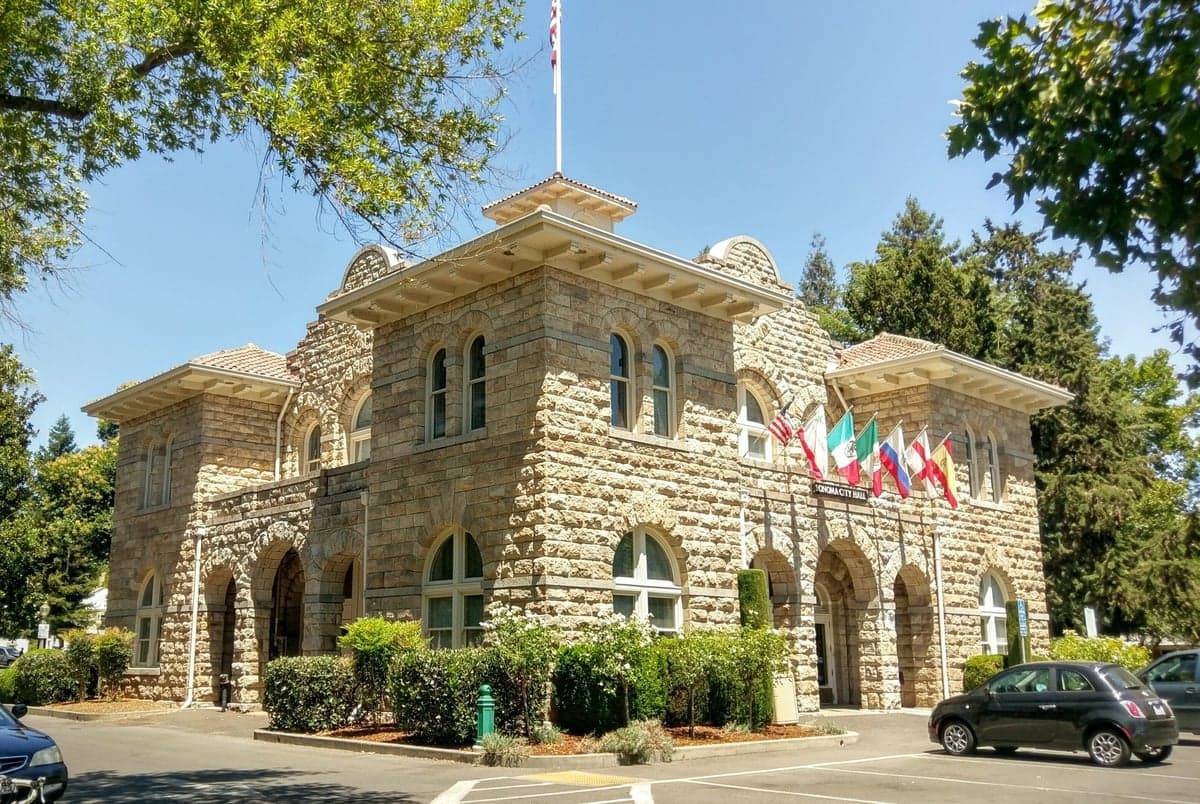
Living in Sonoma feels less like being in a tourist postcard and more like being part of a working town that happens to be surrounded by vineyards. The plaza is the undeniable center of gravity, but the daily rhythm here is slower and more deliberate than in Napa or even Healdsburg. With a population just over 10,700 and a median age of 54.4, this is a place where many residents have already raised families or are settling into a quieter chapter of life, though you’ll find younger families too, drawn by the schools and the sense of safety.
The Daily Rhythm: Slow Mornings, Early Nights
A typical weekday in Sonoma starts with coffee at Sunflower Caffé on the plaza or a pastry from The Girl & the Fig, then a short drive to work—the average commute here is about 27 minutes, which feels reasonable given the Bay Area context. Many residents work in wine, hospitality, or remotely for tech firms in San Francisco (about an hour away). By late afternoon, the plaza fills with people walking dogs, pushing strollers, or sitting on benches reading. Dinner reservations at places like El Dorado Kitchen or LaSalette are common, but the real social scene is the casual wine bar or the Sonoma Plaza benches where neighbors catch up. Weekends often mean a hike at Jack London State Historic Park or a bike ride through the Valley of the Moon. The median household income of $101,281 supports a comfortable lifestyle here, though the cost of living index of 250—more than double the national average—means that housing eats up a large share of that income.
Sports, Community, and the Local Identity
Sports here are less about pro teams and more about community gatherings. Sonoma Valley High School football games on Friday nights are a genuine event, drawing families and alumni from across the valley. The Sonoma Stompers, a collegiate summer baseball team, play at Arnold Field and offer affordable, family-friendly evenings with a beer garden and a relaxed vibe. For pro sports, most residents align with San Francisco Giants or Golden State Warriors fandom, but the real local passion is for the Sonoma International Film Festival and the weekly Sonoma Farmers Market on Broadway. The town’s identity is deeply tied to its agricultural roots—wine, olives, and lavender—and you’ll hear locals debate the best pinot noir with the same intensity others reserve for football stats. A notable quirk: many longtime residents avoid the plaza entirely during peak tourist season (May–October), preferring the quieter corners of the Springs or the neighborhoods off Highway 12.
What’s There to Do: Festivals, Parks, and the Wine Country Life
The biggest annual event is the Sonoma County Harvest Fair in October, but locals also look forward to the Sonoma Jazz+ festival and the Valley of the Moon Vintage Festival, which dates back to the 1890s. Outdoor life is central: hiking trails at Hood Mountain Regional Park, cycling on the quiet roads of the Carneros region, and kayaking on the Sonoma Creek. The Sonoma Plaza itself is a National Historic Landmark, and the Sonoma State Historic Park includes the Mission San Francisco Solano. For music, Gundlach Bundschu Winery hosts summer concerts, and the Sebastiani Theatre shows indie films and live performances. The restaurant scene is surprisingly deep for a town of 10,726—the girl & the fig is a staple, but locals also swear by Taqueria Jalisco for no-fuss burritos and Sunflower Caffé for breakfast. The violent crime rate of 122.9 per 100,000 is low enough that most people don’t think twice about leaving doors unlocked, though property crime (especially bike theft) is a minor annoyance near the plaza.
Pros and Cons of Living Here
- Pro: Genuine community feel. You’ll know your neighbors, the post office staff, and the guy who pours your coffee. It’s a small town with a strong sense of mutual support.
- Con: Cost of housing. The median home value of $954,300 puts homeownership out of reach for many, especially younger families or singles without dual incomes. Rentals are scarce and expensive.
- Pro: Access to nature and wine country. World-class hiking, biking, and tasting rooms are literally out your back door. The weather is mild year-round—warm summers, cool winters—with very few truly hot or cold days.
- Con: Tourist crowds and traffic. From spring through fall, the plaza can feel like a theme park. Parking is a headache, and Highway 12 gets clogged with wine tour buses. Locals learn to plan errands for weekday mornings.
- Pro: Excellent schools and safety. Sonoma Valley Unified schools are well-regarded, and the low crime rate makes it a comfortable place to raise kids. The median age of 54.4 means a quieter, more settled environment than a college town.
- Con: Limited nightlife and career options. If you’re under 30 and looking for a vibrant bar scene or high-paying jobs outside wine/tech, you’ll likely feel bored or underemployed. Many younger residents commute to Santa Rosa or San Francisco for work and social life.
The kind of person who fits in Sonoma is someone who values peace, beauty, and community over convenience and excitement. It’s a place for people who don’t mind driving 20 minutes for a Target run, who appreciate a quiet evening on the patio with a glass of local wine, and who are willing to pay a premium for a slower pace of life. The 47.7% college-educated population reflects a well-read, engaged citizenry, but the town isn’t pretentious—you’re as likely to see a farmer in muddy boots at the coffee shop as a tech executive in athleisure. If you’re looking for a place where the seasons are marked by harvest festivals and the biggest local controversy is whether to allow a new hotel on the plaza, Sonoma might feel like home.

Similar towns to Sonoma
* Values derived from national, state, county, city and local statistics and may differ in a specific area. Last updated: 2026-09-22T20:14:07.000Z
Narrative content on this page is AI-generated and may contain mistakes. Verify any details that matter before acting on them.
ReloMaps may earn a commission from affiliate links at no extra cost to you.

