Find The Best Places To Live
in Diamond Springs
PRO TIP! You can paste a Zillow or Redfin link to get info on that property.
Compare Diamond Springs with another place
What It's Like Living in Diamond Springs, CA
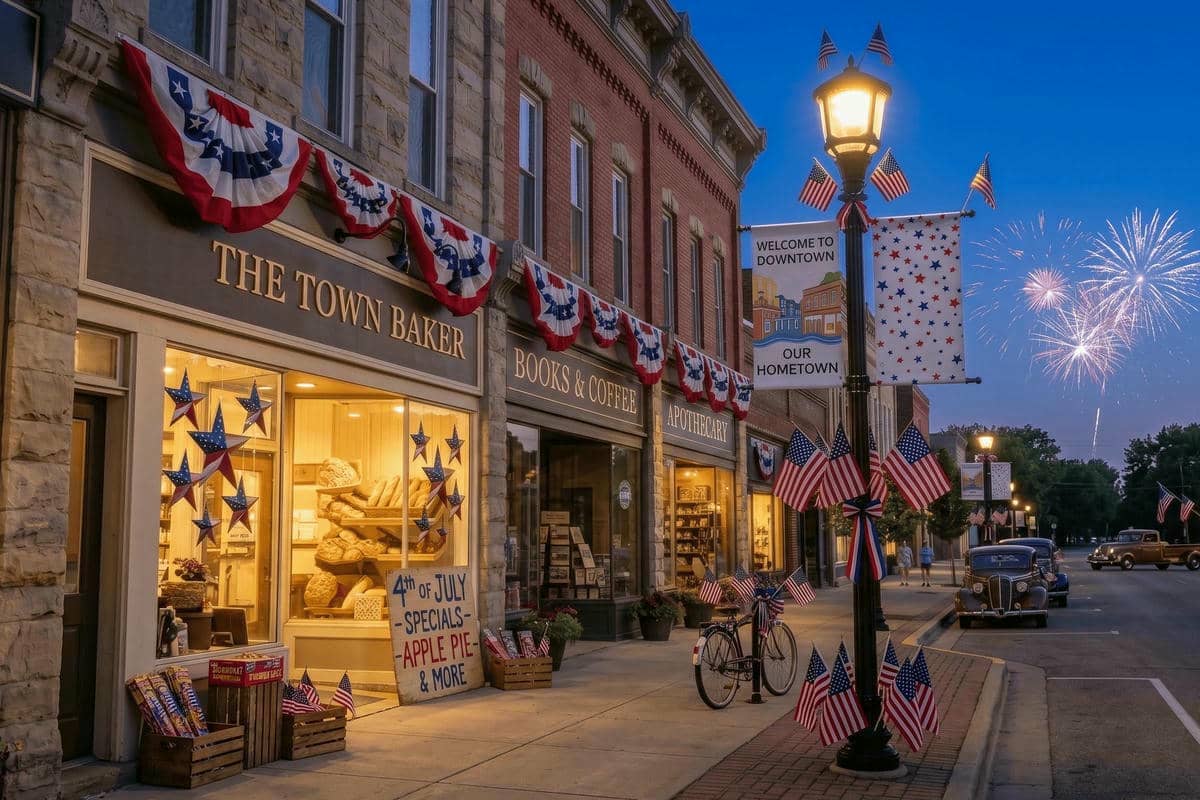
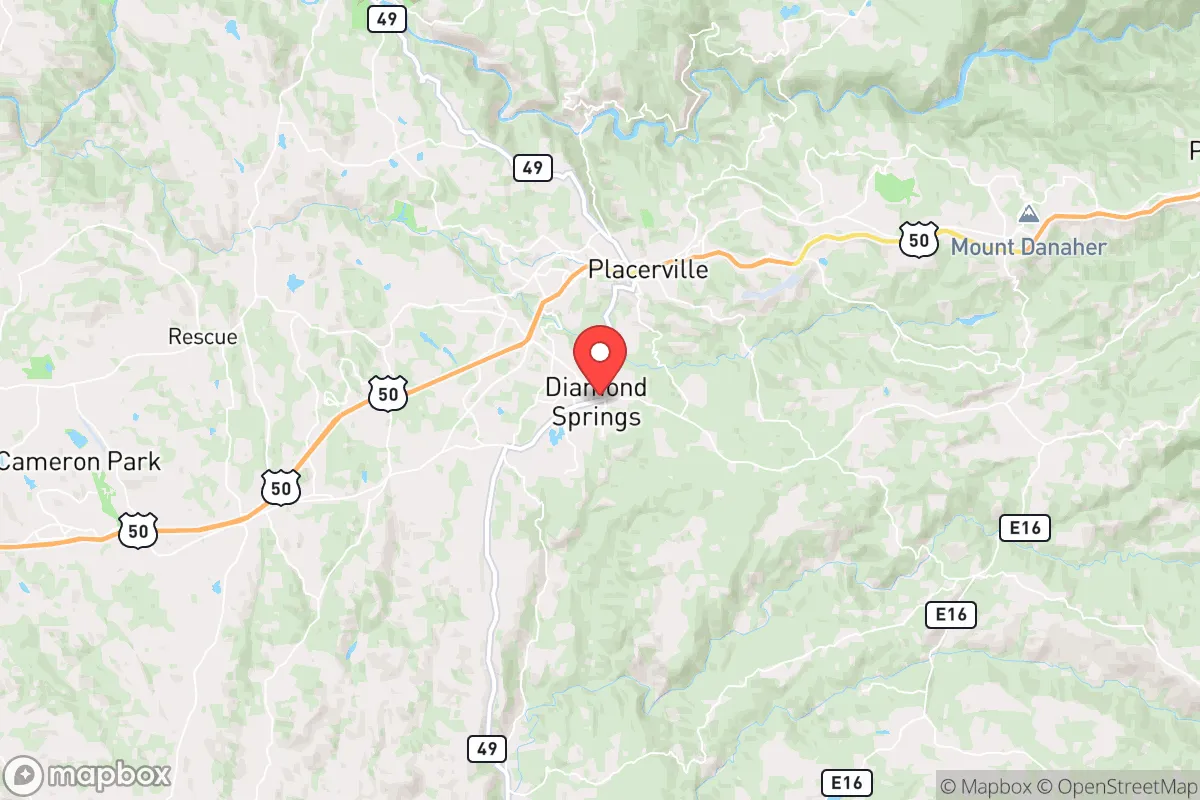
Diamond Springs feels like the Gold Country town that time didn’t forget, but with a modern, practical edge. It’s the kind of place where you wave at the truck driver who just passed you on Highway 49, and where the smell of pine and dry grass hits you the moment you step out of the car. You’re close enough to Sacramento and Folsom for work, but far enough that the pace slows down to something resembling a small-town rhythm.
The Daily Rhythm: A Commuter’s Haven with a Small-Town Heart
For a community of about 12,642 people, Diamond Springs has a surprisingly workaday feel. The median age here is 43.3, which tells you this isn’t a college party town or a retirement village—it’s a place where people have settled into their careers and family routines. The average commute clocks in at just over 21 minutes, which is a sweet spot for the region. You can live in the quiet of the Sierra foothills and still get to Folsom’s tech offices or Sacramento’s state buildings without eating your whole morning. That commute is a big reason why the median household income sits at a respectable $83,288, a figure that outpaces many neighboring foothill communities.
Weekdays are pretty standard: coffee at the local spot, kids to school, off to work. But weekends are where Diamond Springs shines. You’ll see folks loading up kayaks for Folsom Lake, heading to the American River for a float, or just driving the short hop to Placerville for the farmers market. The community itself is unincorporated, which means it lacks the formal city hall of its neighbors, but that hasn’t stopped it from developing its own identity. It’s a place where the hardware store is still a gathering spot, and where the local diner knows your order.
Sports, Outdoors, and the Local Hangout Scene
Sports here are a mix of high school loyalty and outdoor recreation. There’s no pro team in Diamond Springs, but that’s not the point. The local high school teams—Union Mine High School in nearby El Dorado—draw a solid crowd on Friday nights in the fall. Football games are a genuine community event, the kind where parents, grandparents, and even childless neighbors show up just to be part of the scene. For the pros, you’re looking at a 45-minute drive to Sacramento to catch the Kings or the River Cats, but most locals are just as happy watching the game at a local bar with a cold beer.
When it comes to entertainment, the outdoors is the main event. The El Dorado Trail runs right through the area, offering miles of paved path for biking and walking. Hangtown Creek and the surrounding Bureau of Land Management land provide quick escapes for hiking. For a more organized outing, the El Dorado County Fair in nearby Placerville is a summer staple, bringing carnival rides, livestock, and that classic county fair energy. The bars and restaurants are modest but characterful—think wood-paneled taverns and family-run Mexican spots rather than trendy gastropubs. It’s not a nightlife destination, and that’s exactly how most residents like it.
Who Fits In Here, and Who Might Not
Diamond Springs is best suited for people who value space, quiet, and a slower pace over urban convenience. The median home value is $409,000, which is steep for the area but a bargain compared to the Bay Area. That price point, combined with a cost of living index of 143 (well above the national average), means you’re paying a premium for the lifestyle. The 26.1% college-educated rate reflects a community of skilled tradespeople, remote workers, and commuters who’ve chosen foothill living over suburban sprawl.
That said, it’s not for everyone. The violent crime rate sits at 434.9 per 100,000 residents, which is noticeably higher than the national average and worth paying attention to if you’re moving with a young family. Most of it is property-related and concentrated in specific pockets, but it’s a real consideration. Longtime residents will also tell you that the summer heat can be intense, with July and August temperatures regularly topping 95 degrees. The flip side is that winters are mild, and the town’s proximity to the Sierra Nevada means you can be skiing at Kirkwood in under an hour and a half.
The Honest Pros and Cons of Life Here
- Pro: The commute-to-lifestyle ratio is hard to beat—21 minutes to Folsom, 45 to Sacramento, and you get to come home to trees and quiet.
- Pro: A strong sense of community identity that’s rare in unincorporated areas; people know their neighbors and look out for each other.
- Pro: Unbeatable access to outdoor recreation—Folsom Lake, the American River, and the El Dorado National Forest are all within a short drive.
- Con: The cost of living is 43% above the national average, and housing prices have been creeping up as Bay Area refugees discover the area.
- Con: Crime rates are higher than the national average, and while it’s mostly non-violent, it’s a factor to research block by block.
- Con: Limited dining and shopping options—you’ll be driving to Placerville or Folsom for anything beyond the basics.
One quirk you’ll notice quickly is the town’s identity as a former gold rush settlement. The name itself comes from the diamond-shaped quartz crystals found in the area, and locals are proud of that heritage. You’ll see it in the street names, the old buildings, and the way people talk about the region’s history. It’s not a tourist trap like some Gold Country towns, but it’s got a quiet authenticity that’s hard to fake.
For families, the schools are a mixed bag. The Buckeye Union School District, which serves much of the area, has a solid reputation, and schools act as a genuine community hub. PTA meetings are well-attended, and weekend soccer games are social events. But the high school options are more limited, and some families opt for private or charter schools. The seasonal rhythm is defined by the heat of summer, the golden light of fall, and the occasional winter snow dusting that closes the mountain roads but rarely disrupts daily life. It’s a place that rewards patience and self-sufficiency, and in return, it offers a quality of life that’s increasingly hard to find in California.

Similar towns to Diamond Springs
* Values derived from national, state, county, city and local statistics and may differ in a specific area. Last updated: 2026-11-03T19:09:43.000Z
Narrative content on this page is AI-generated and may contain mistakes. Verify any details that matter before acting on them.
ReloMaps may earn a commission from affiliate links at no extra cost to you.

