Photo: Wikipedia
Find The Best Places To Live
in Folsom
PRO TIP! You can paste a Zillow or Redfin link to get info on that property.
What It's Like Living in Folsom, CA
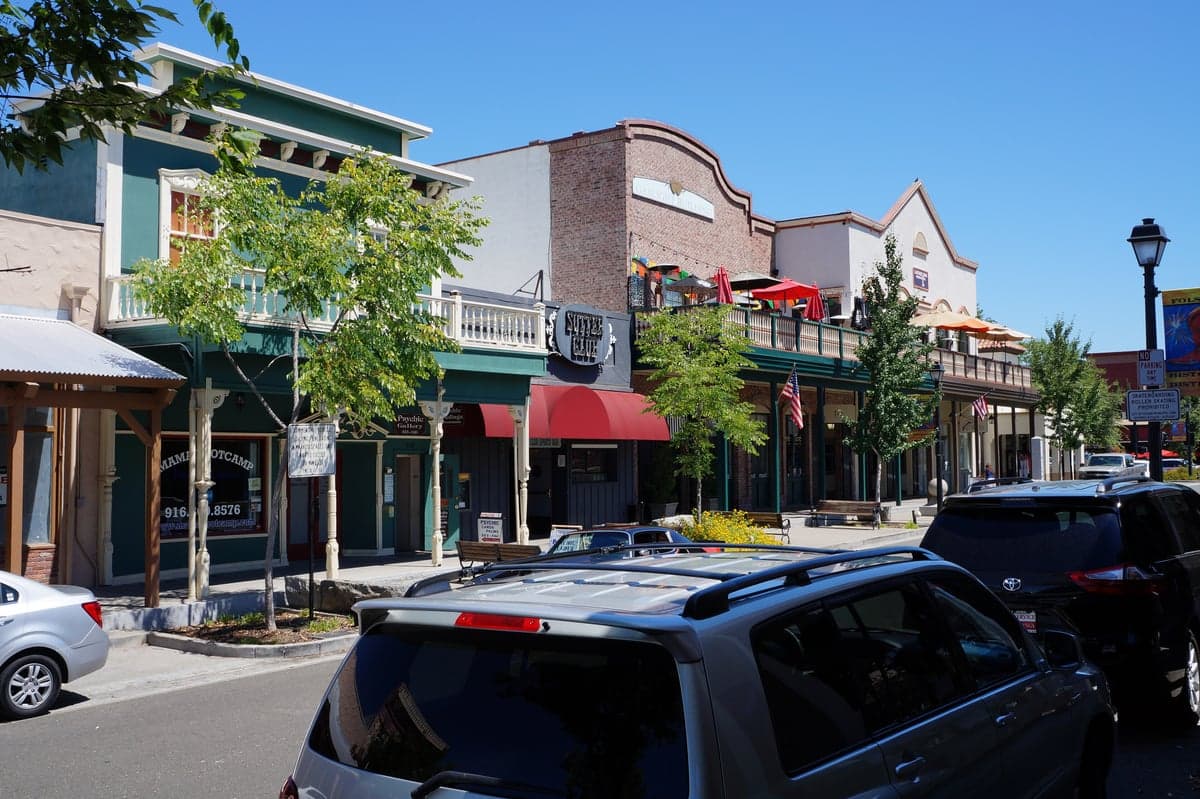
Folsom feels like a carefully planned, sun-drenched version of the California dream, where the American River cuts through granite bluffs and the foothills begin to rise. It’s a place where the median income hovers around $139,000 and the median home value sits at $702,200, which tells you right away that this isn’t a cheap corner of the state — but for many residents, the trade-off is a community that actually works the way a suburb should. The vibe is active, family-forward, and quietly prosperous, with a downtown that still remembers its Gold Rush roots even as Tesla and Intel commuters fill the coffee shops on Sutter Street.
The Daily Rhythm: Work, Commute, and Weekend Flow
Most people here aren’t just living in Folsom — they’re living from Folsom. The average commute clocks in at about 25 minutes, which is genuinely good for the Sacramento region, especially if you’re heading west toward the state capital or south toward the tech and manufacturing hubs in Rancho Cordova and El Dorado Hills. The crowd leans heavily professional: 54.7% of adults hold a college degree, and you see it in the way the weekday mornings unfold — Pelotons in garages, laptops on patio tables at Kru Coffee, and a steady stream of parents dropping kids at some of the highest-rated public schools in the county. Weekends are built around the river. You’ll find families floating the American River Parkway on rented rafts, cyclists grinding up the trails at Folsom Lake, and runners pounding the paved paths along Lake Natoma. The median age is 40.4, which makes sense — this is a place for people who have settled into their careers and their family rhythms, not for 22-year-olds looking for nightlife.
Sports, Schools, and the Local Identity
High school sports are a genuinely big deal here. Folsom High School’s football program has been a state powerhouse for years, and Friday night games at Prairie City Stadium draw crowds that rival small college atmospheres. The community rallies around the Bulldogs in a way that feels more Texas or Ohio than coastal California — booster clubs, packed bleachers, the whole deal. Beyond high school, there’s no major pro team in town, but Sacramento’s NBA Kings and the River Cats (the Giants’ Triple-A affiliate) are a 25-minute drive west, and plenty of residents hold season tickets. The local identity is also shaped by a strong sense of safety: the violent crime rate is 161.1 per 100,000, which is well below the national average, and people leave their garage doors open on warm evenings without thinking twice. That security, combined with the school quality, is the main reason families pay the premium to live here.
What’s There to Do: Festivals, Food, and the River
The social calendar revolves around a few anchor events. The Folsom Rodeo in early October is the biggest — it’s been running for over 60 years and draws crowds that double the town’s population. There’s also the Folsom Arts Festival and the Fourth of July celebration at the City Park, which is the kind of small-town Americana that feels increasingly rare in California. For everyday hangouts, Sutter Street is the spine of the social scene: Snooks Chocolate Factory for the kids, Folsom Tap House for the craft beer crowd, and Sutter Street Steakhouse for anniversary dinners. The outdoor access is the real star, though. Folsom Lake State Recreation Area gets over a million visitors a year, and the lake itself is a massive draw for powerboating, wakeboarding, and fishing. If you’re not an outdoors person, you might find the options limited — the entertainment district is charming but small, and there’s no real music venue beyond the amphitheater at the lake.
Pros and Cons of Living Here
- Pro: Schools that deliver. Folsom Cordova Unified is consistently ranked among the top districts in the Sacramento region, and home values reflect that. If you have school-age kids, this is the main draw.
- Pro: Commute that doesn’t ruin your day. A 25-minute average commute is rare in California, and it means you actually have time for the river, the gym, or dinner with your family.
- Con: The cost of living is real. At 217 on the index (more than double the national average), housing is the big squeeze. Rentals are scarce, and that $702,200 median home price puts a lot of families into serious mortgage territory.
- Con: It can feel homogeneous. Folsom is affluent, educated, and largely white-collar. If you’re looking for urban diversity, gritty culture, or a late-night scene, you’ll be driving to Sacramento or giving up on the idea entirely.
- Con: Summer heat is no joke. July and August regularly hit triple digits, and the river is the only real escape. If you don’t like 100-degree days, this stretch of the Central Valley will test you.
Folsom works best for people who value predictability, safety, and outdoor access over urban energy. It’s a place where you trade the chaos of a big city for a well-maintained life — and for the families and professionals who choose it, that trade is worth every dollar of that $139,000 median income.

Similar small cities to Folsom


* Values derived from national, state, county, city and local statistics and may differ in a specific area. Last updated: 2026-08-23T00:50:34.000Z
Narrative content on this page is AI-generated and may contain mistakes. Verify any details that matter before acting on them.
ReloMaps may earn a commission from affiliate links at no extra cost to you.

