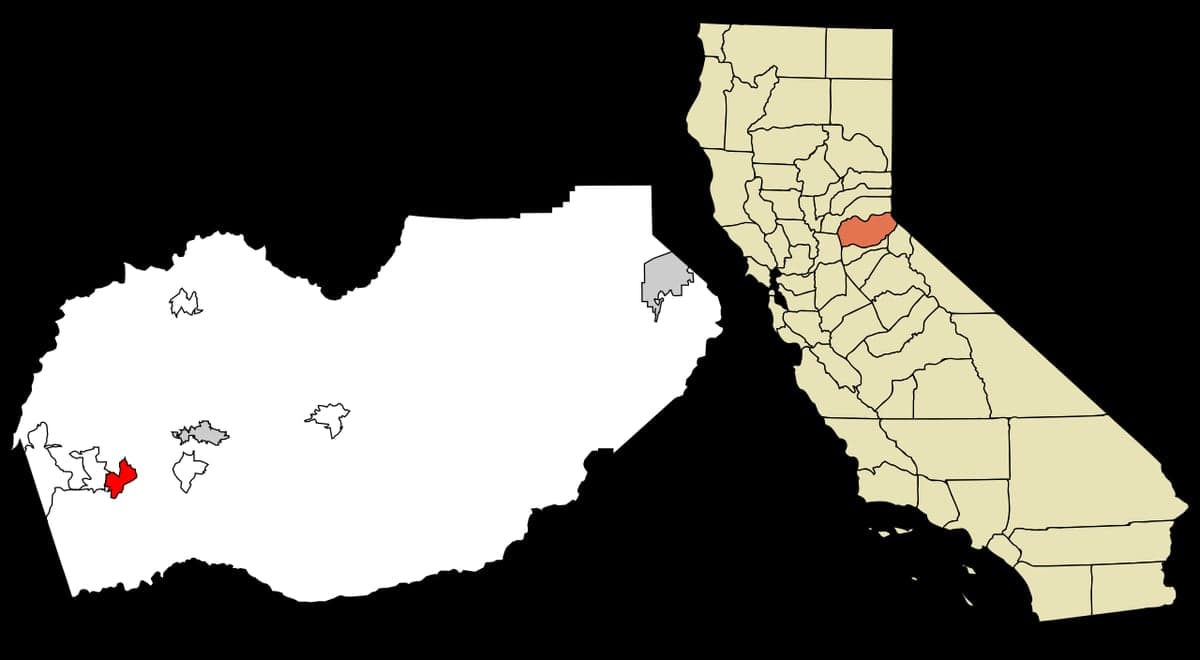
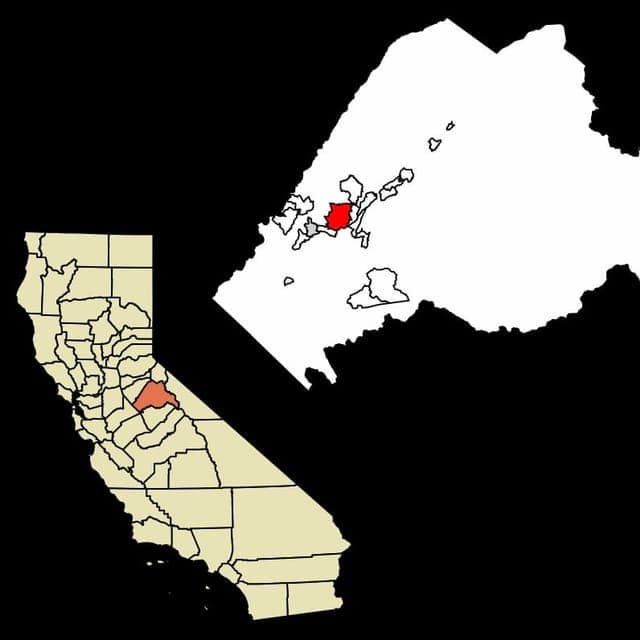
Photo: Wikipedia
Find The Best Places To Live
in Shingle Springs
PRO TIP! You can paste a Zillow or Redfin link to get info on that property.
What It's Like Living in Shingle Springs, CA
Shingle Springs feels less like a town and more like a collection of rolling oak-dotted hills where people have chosen to live deliberately, trading walkable convenience for space, quiet, and a slower rhythm. With just over 3,400 residents and a median age pushing 48, this is a place where most folks already know what they want—and what they want is room to breathe, a good school for the kids, and a commute that’s manageable if not exactly short.
The Daily Rhythm: Space, Commutes, and Weekend Projects
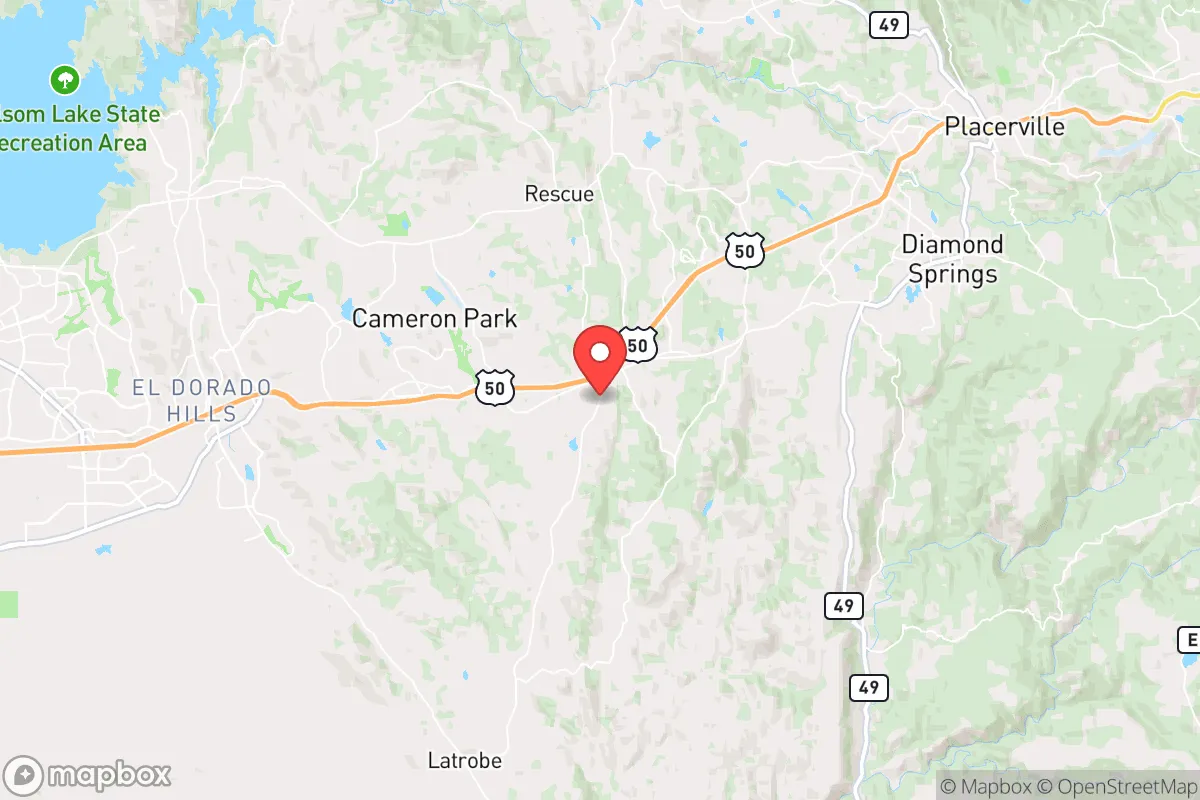
Life here revolves around the home and the land. A typical weekday starts early—many residents commute an average of 28 minutes to jobs in Folsom, El Dorado Hills, or Sacramento. That drive, mostly along Highway 50, is the one real daily friction point; locals grumble about it but accept it as the price of living among the oaks rather than in a subdivision. By evening, you’ll find people tending gardens, working on trucks, or walking dogs on the quiet country roads. Weekends are for projects—clearing brush, fixing fences, or heading to the nearby Sierra Nevada foothills for hiking. The median household income of $109,531 supports a lifestyle where one spouse often works in the city and the other manages the property or works remotely.
Shopping is practical, not glamorous. There’s a small grocery, a hardware store, and a few local eateries—Shingle Springs Cafe is the go-to for breakfast burritos and small-town gossip. For serious errands or a night out, most people drive 10-15 minutes to El Dorado Hills or Cameron Park. The cost of living index of 174 (well above the national average) is the biggest shock for newcomers, driven almost entirely by housing: the median home value sits at $686,300, a figure that feels steep for a rural community but reflects the demand from Sacramento commuters and Bay Area refugees.
Sports, Schools, and Community Identity
There’s no pro sports team in Shingle Springs, and nobody expects one. Local loyalty runs through the Ponderosa High School Bruins—football and basketball games on Friday nights are the main social calendar for families. The school itself is a community anchor; parents volunteer heavily, and the campus doubles as a gathering spot for youth soccer and Little League. For college sports, residents lean toward Sacramento State or UC Davis, but the real passion is for the outdoors: fishing on Folsom Lake, mountain biking on the Pine Hill Preserve trails, and hunting season in the Eldorado National Forest.
The El Dorado County Fair in nearby Placerville is the year’s biggest event—think livestock shows, carnival rides, and a demolition derby that draws families from three counties. Shingle Springs itself doesn’t host a major festival, which suits the locals fine; they prefer the quiet to crowds. The Shingle Springs Rancheria (a federally recognized tribe) operates the Red Hawk Casino just south of town, which brings in some jobs and tax revenue but also occasional traffic on weekends.
What’s There to Do: Outdoor Life and Local Hangouts
Entertainment here is largely self-made. The big draws are Folsom Lake State Recreation Area (15 minutes north) for boating and swimming, and the Cronan Ranch Regional Trail for hiking and horseback riding. In town, the Shingle Springs Community Center hosts yoga classes, potlucks, and a weekly farmers market in summer. For a drink, Jack Russell Farm Brewery in nearby Camino is the local favorite—a laid-back taproom with a view of the Sierra foothills. There’s no music venue to speak of; live music happens at the casino or at private parties.
The lack of nightlife is a common complaint among younger singles, who often drive to Sacramento for bars and concerts. But for families and empty-nesters, the trade-off is clear: violent crime here runs 434.7 per 100,000, which is notably higher than the national average and a real concern for some. Most residents will tell you it’s concentrated in specific pockets and that property crime (theft from vehicles, shed break-ins) is the bigger nuisance. Neighbors watch out for each other, and the informal network of Nextdoor and local Facebook groups is active.
Pros and Cons of Living Here
- Pros: Genuine quiet and privacy on large lots; strong community feel centered on the school and local events; proximity to Folsom Lake and Sierra Nevada recreation; relatively high incomes mean good local services and low unemployment.
- Cons: High cost of living (especially housing) for a rural area; 28-minute average commute on Highway 50 can feel longer during fire season or accidents; limited dining and entertainment options; violent crime rate is a legitimate concern in certain areas.
The weather is a point of pride: hot, dry summers (90s and low 100s) with cool evenings, and mild winters that rarely see snow except in the higher elevations. Fire season (July–October) brings smoky skies and occasional evacuation warnings, a reality every resident learns to live with. Schools are highly rated—Ponderosa High consistently ranks among the top in El Dorado County—and the 36.3% college-educated adult population reflects a community that values education even if many residents work in trades or public service.
The kind of person who fits in here is someone who values space over convenience, doesn’t mind a commute, and prefers a quiet evening on the porch to a night on the town. It’s a place for families who want their kids to grow up with room to roam, and for retirees who want to garden and watch the deer wander through. If you need a coffee shop on every corner or a vibrant arts scene, this isn’t it. But if you want to know your neighbors, have a workshop in the backyard, and be 30 minutes from both a major city and world-class hiking, Shingle Springs makes a lot of sense.

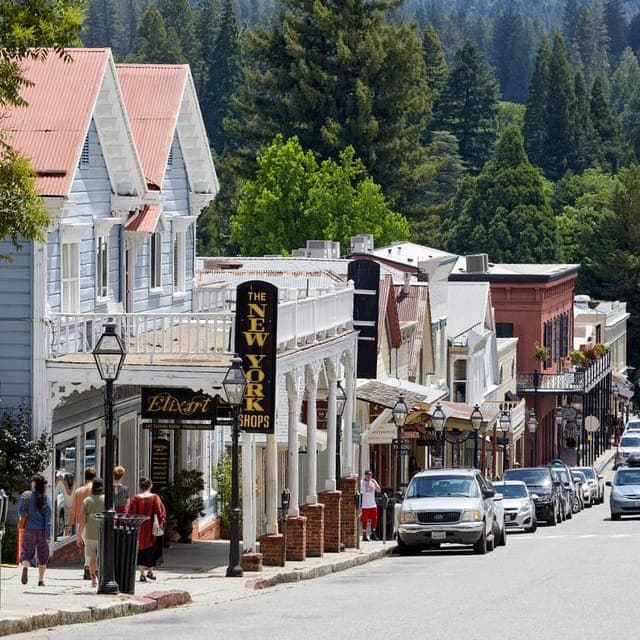
Similar small towns to Shingle Springs

* Values derived from national, state, county, city and local statistics and may differ in a specific area. Last updated: 2026-09-28T10:05:42.000Z
Narrative content on this page is AI-generated and may contain mistakes. Verify any details that matter before acting on them.
ReloMaps may earn a commission from affiliate links at no extra cost to you.

