Photo: Wikipedia
Demographics of Shingle Springs, CA
Affluence Level in Shingle Springs, CA
An upper-middle-class area. Household wealth, education levels, and homeownership run ahead of national benchmarks.
People of Shingle Springs, CA
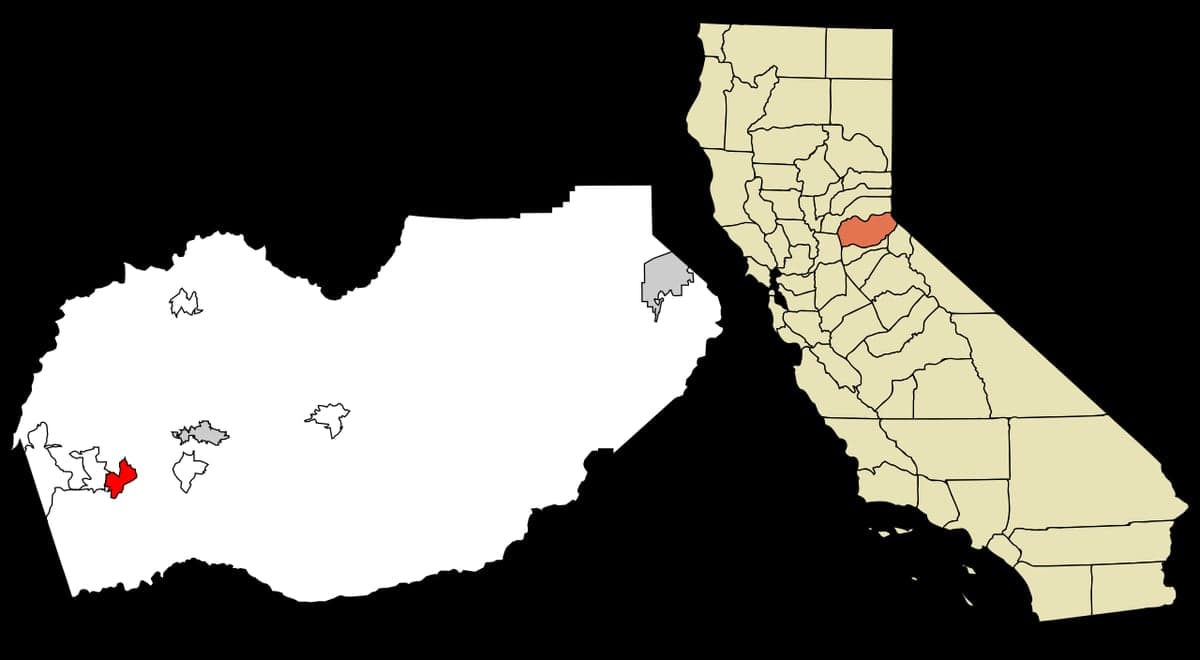
Shingle Springs, California, is a small, unincorporated community of 3,488 residents in El Dorado County, characterized by a predominantly white population (83.2%) and a notably low foreign-born share of just 1.9%. The community’s identity is rooted in its rural, foothill setting and a history of domestic migration from other parts of California and the western U.S., rather than international immigration. With a 36.3% college-educated rate, it attracts families and individuals seeking a quieter, more affordable alternative to the Sacramento metro area, while maintaining a distinctly non-diverse demographic profile compared to the state average.
How the city was settled and grew
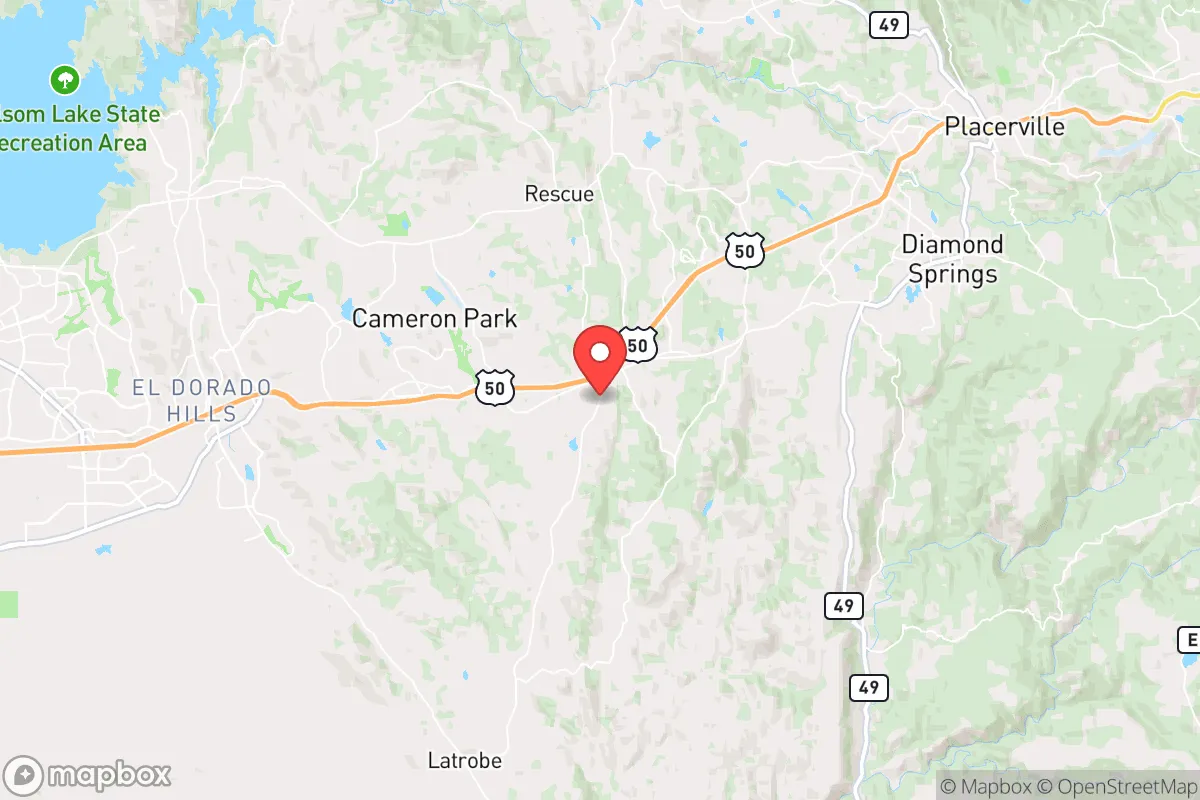
Shingle Springs was originally inhabited by the Nisenan Maidu people, but the area’s modern settlement began with the California Gold Rush of 1849. The community’s name derives from a local spring where miners camped and produced wooden shingles for cabins. The first permanent non-Native settlers were predominantly Anglo-American miners and farmers from the Midwest and Northeast, who arrived in the 1850s and 1860s. The completion of the Placerville & Sacramento Valley Railroad in 1865 spurred growth, with the Old Town Shingle Springs district emerging as the commercial and social hub, centered around the railroad depot and the historic Shingle Springs Hotel. By the late 19th century, the area’s economy shifted to agriculture—primarily orchards and cattle ranching—and the population remained small and overwhelmingly white, with a handful of Chinese laborers who worked on the railroad and in mining camps, though they did not establish a lasting residential neighborhood. The Green Valley Road corridor became the primary residential spine, with scattered homesteads and small farms defining the landscape through the mid-20th century.
Modern era (post-1965)
After the 1965 Hart-Cellar Act, Shingle Springs saw virtually no increase in foreign-born residents, as its rural character and lack of industrial employment offered little draw for international immigrants. Instead, the community’s modern growth came from domestic in-migration, particularly from the Sacramento metropolitan area and the San Francisco Bay Area, starting in the 1970s and accelerating through the 1990s. The Shingle Springs Hills subdivision, developed in the 1980s and 1990s, absorbed many of these new arrivals—mostly white families seeking larger lots and lower housing costs than those available in the suburbs of Sacramento or El Dorado Hills. The Ponderosa Springs neighborhood, a newer development off Ponderosa Road, became a magnet for families with school-age children, drawn to the highly rated Buckeye Union School District. The Hispanic population, now 9.8%, grew modestly during this period, primarily through domestic migration from other parts of California, and is dispersed across the community rather than concentrated in a specific neighborhood. The Black population remains at 0.0%, and East/Southeast Asian residents account for just 0.5%, reflecting the area’s continued lack of diversity. The Indian subcontinent population is 0.0%.
The future
The population of Shingle Springs is projected to remain stable or grow slowly, with no major annexation or large-scale development plans on the horizon. The community’s demographic trajectory points toward continued homogeneity: the white share is likely to remain above 80%, while the Hispanic share may edge up slightly through domestic migration from other parts of El Dorado County. The Latitude 38 and Serrano neighborhoods, both newer subdivisions on the western edge of the community, are attracting younger families and some retirees from the Bay Area, but these groups are overwhelmingly white and college-educated. The foreign-born share is unlikely to rise significantly, as the area lacks the employment base—no major employers, limited retail, and no industrial parks—that typically attracts international immigrants. Over the next 10–20 years, Shingle Springs will likely become slightly older and more affluent, as housing prices push out lower-income residents and attract higher-income telecommuters and retirees.
For someone moving in now, Shingle Springs offers a stable, low-density, and culturally conservative environment where the population is predominantly white, native-born, and family-oriented. The community is not becoming more diverse in any meaningful sense, and its future demographic profile will closely resemble its present one: a quiet, rural foothill enclave for those who prioritize space, safety, and homogeneity over urban amenities or multicultural vibrancy.

* Values derived from national, state, county, city and local statistics and may differ in a specific area. Last updated: 2026-09-28T10:05:42.000Z
Narrative content on this page is AI-generated and may contain mistakes. Verify any details that matter before acting on them.
ReloMaps may earn a commission from affiliate links at no extra cost to you.

