Photo: Wikipedia
Find The Best Places To Live
in Morro Bay
PRO TIP! You can paste a Zillow or Redfin link to get info on that property.
What It's Like Living in Morro Bay, CA
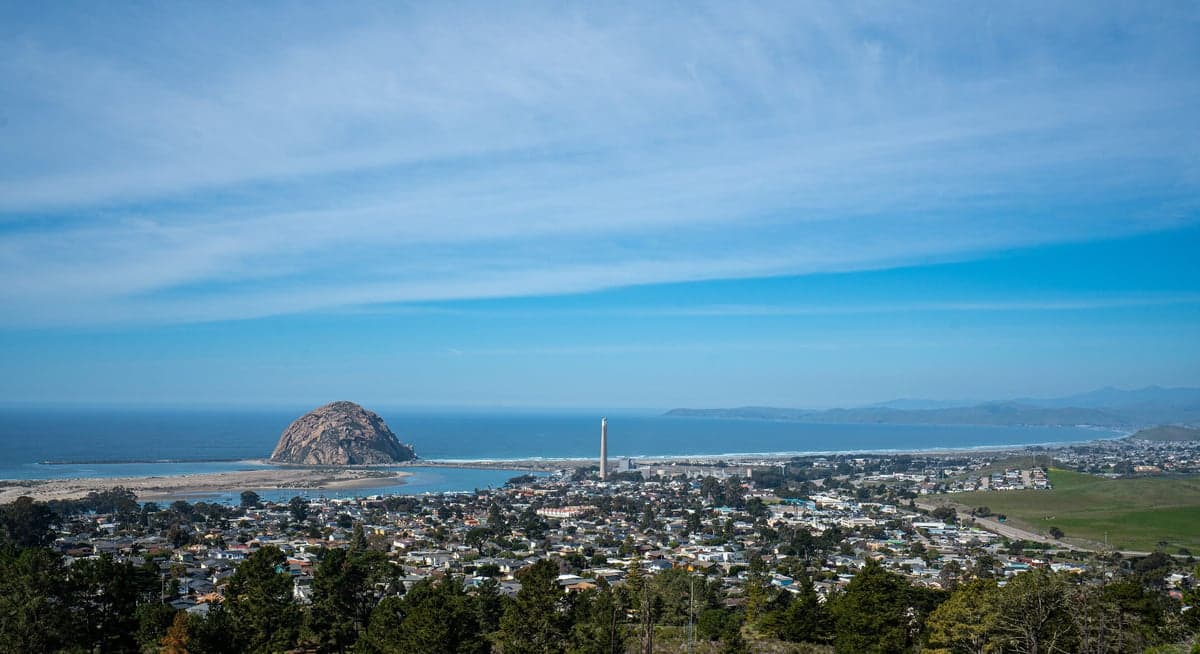
Morro Bay feels like a small coastal town that time forgot, in the best possible way. With just over 10,700 residents and a median age pushing 53, this isn’t a place for people chasing nightlife or career ladder-climbing; it’s for those who want to trade the rat race for foggy mornings, fishing boats, and a slower, salt-tinged rhythm. The iconic Morro Rock looms over everything, a 576-foot volcanic plug that acts as the town’s silent, unmoving anchor, and the vibe is less “surf bro” and more “retired marine biologist who runs a kayak rental.”
The Daily Rhythm: Slow, Local, and Salt-Stained
Life here revolves around the water and the weather. Most residents spend their weekends not at a mall, but on the Embarcadero—the waterfront strip lined with seafood shacks, souvenir shops, and charter fishing boats. You’ll see people walking dogs, pushing strollers, or just staring at the sea otters floating in the harbor. The local grocery store is a modest affair, and many residents drive 15 minutes up the coast to San Luis Obispo for serious shopping or a Costco run. The average commute is just over 20 minutes, which is almost unheard of in California, and that short drive is a huge quality-of-life bonus for people who work in SLO or at the nearby Diablo Canyon Power Plant, one of the area’s larger employers.
Dining out means hitting spots like The Galley for classic fish and chips or Dock of the Bay for a sunset view. There’s no drive-through Starbucks on every corner—you’ll find local coffee at Top Dog Coffee Bar, where the baristas know your name. The town’s median household income of $92,553 sounds decent, but with a cost of living index of 217 (more than double the national average), that money doesn’t stretch far. The median home value is $864,900, which prices out most young families and explains why the median age is so high. This is a place where you either bought in decades ago, inherited a house, or have a very good remote job.
Sports, Festivals, and the Social Calendar
Sports culture here is low-key but present. High school football at Morro Bay High School draws a genuine crowd on Friday nights—the Pirates are a real community touchpoint, and games are as much about socializing as the score. There’s no pro team in town, but locals are split between rooting for the San Francisco Giants and the Los Angeles Dodgers, a rivalry that gets heated in the local bars. The real “sport” here is on the water: kayaking, paddleboarding, and fishing are the weekend default. The Morro Bay Yacht Club hosts small regattas, and the Morro Bay Harbor Festival in September is the biggest annual event, drawing thousands for boat parades, live music, and seafood.
Beyond that, the festival calendar is surprisingly full for a town this size. The Morro Bay Winter Bird Festival in January attracts serious birders (the bay is a key stop on the Pacific Flyway), and the Morro Bay Art in the Park show brings crafts and live painting to the waterfront. For music, you’re looking at small venues like The Siren or the Morro Bay Community Center, which host local bands and the occasional touring act. If you want a big concert, you’re driving to the Vina Robles Amphitheatre in Paso Robles, about 45 minutes away.
The Real Trade-Offs: What Works and What Grates
The pros are genuine and specific. The natural beauty is staggering—Morro Rock, the estuary, the sandspit, and the views of the Pacific are world-class. The violent crime rate of 199.1 per 100,000 is moderate for California (higher than the safest suburbs, but lower than many urban cores), and most people feel safe walking the Embarcadero at night. The weather is mild year-round, rarely above 75°F or below 40°F, though the coastal fog can be relentless from May through August—locals call it “June gloom,” and it can last into July. The schools, particularly Morro Bay Elementary and Morro Bay High School, are small and community-oriented, with parent involvement that’s high but not suffocating.
The cons are equally real. The fog and wind can wear on your mood if you’re used to sunshine. The job market is thin—tourism, hospitality, and the power plant dominate, and many college-educated residents (46.4% have a degree) commute to SLO or work remotely. The cost of living is brutal for what you get: no Target, no movie theater, no hospital in town (the nearest ER is in SLO). The town can feel sleepy to the point of dullness if you’re under 40 and single. And while the median home value of $864,900 is lower than coastal cities like Santa Barbara or Monterey, it’s still out of reach for most people earning the median income. The cultural quirk is that Morro Bay is proudly unpretentious—there’s a “we like it this way” attitude that can feel insular to newcomers. You’ll hear locals complain about tourists clogging the Embarcadero in summer, but the town’s economy depends on them. It’s a quiet, beautiful, expensive place to live, best suited for people who already have their housing locked in and value peace and nature over convenience and career opportunity.

Similar towns to Morro Bay

* Values derived from national, state, county, city and local statistics and may differ in a specific area. Last updated: 2026-09-20T22:01:51.000Z
Narrative content on this page is AI-generated and may contain mistakes. Verify any details that matter before acting on them.
ReloMaps may earn a commission from affiliate links at no extra cost to you.

