 Popular
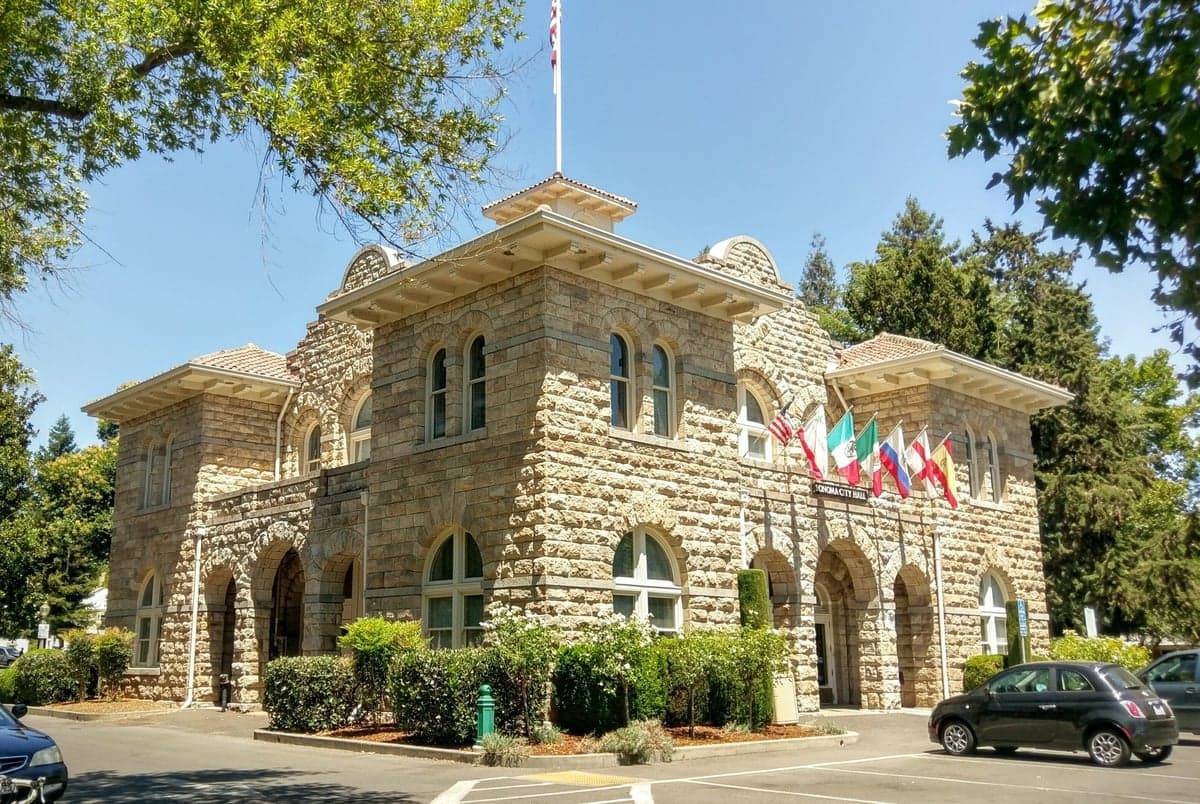
Photo: Wikipedia
Quality of Life in Sonoma, CA
Above-average quality of iife. The area offers a reasonable cost of living, decent mobility, and a mix of neighborhood amenities.
What does Quality of Life tell us?
Quality of Life blends cost of living, nearby amenities, socioeconomic signals, and neighborhood character. City-level scores represent the whole municipality; individual neighborhoods can differ.
What does this tell us?
Quality of Life blends cost of living, nearby amenities, socioeconomic signals, and neighborhood character. City-level scores represent the whole municipality; individual neighborhoods can differ.
Cost of Living
150% above national average
The Real Cost of Living in Sonoma, CA for 2026
| Tier | Individual | Family (4) |
|---|---|---|
| Survival | $35k | $66k |
| Comfortable | $143k | $210k |
| Luxury | $183k+ | $284k+ |
| Elite (Top 5%) | $246k+ | $381k+ |
48%
The Area Signal
A metric tracking the socioeconomic signals of the area.
Hobbies
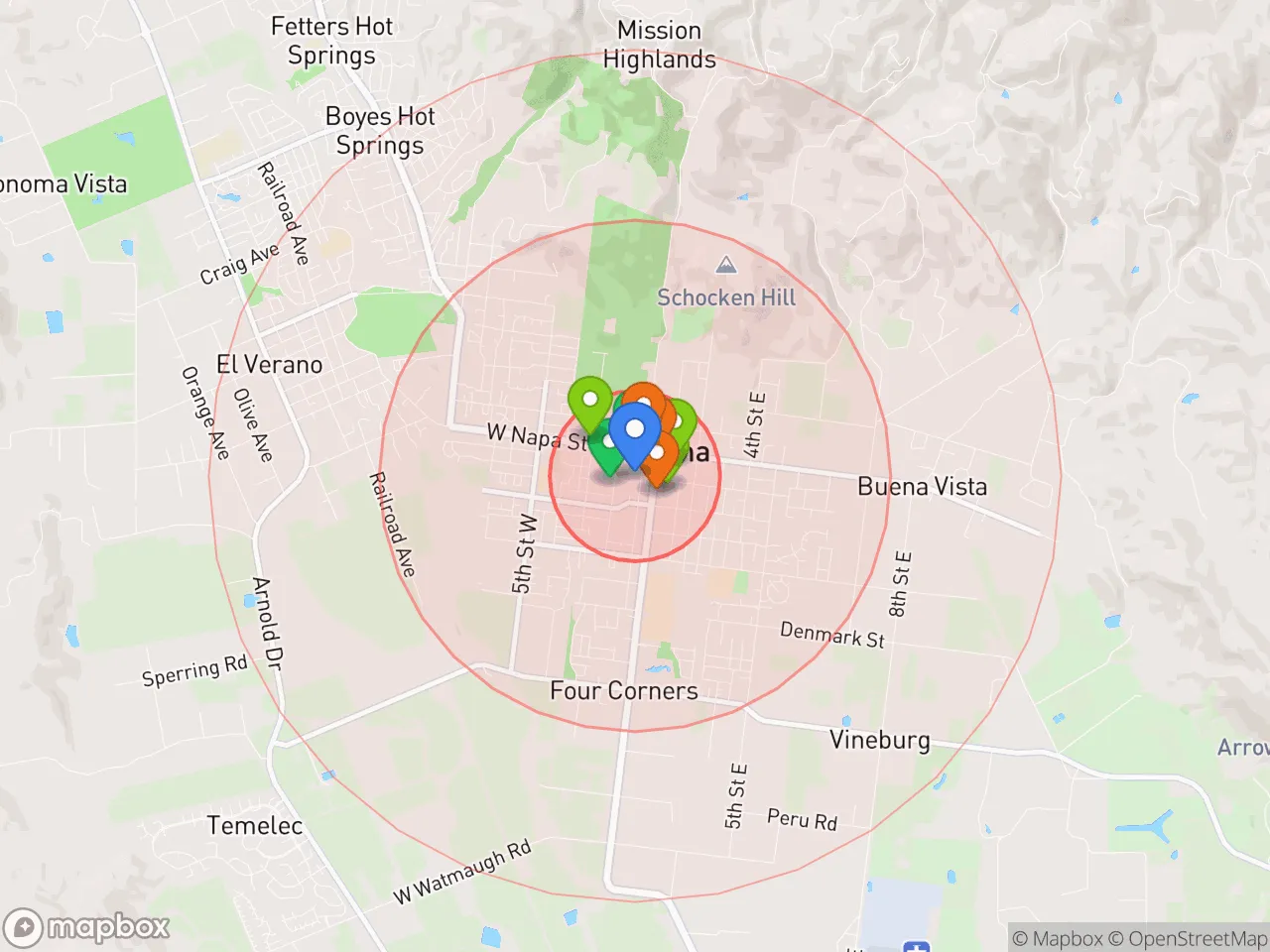
Explore the areaGroceries
6 within 10 miles
Gas
20 within 10 miles
Hospital
15 within 20 miles
Airport
SAN — Oakland San Francisco Bay
Post Office
USPS — Sonoma, CA
Critical Amenities
Quality-of-Life Analysis
Sonoma, California, is an affluent wine-country enclave where the cost of living index reaches 250—two and a half times the national average—and the median home value sits at $954,300. The population skews older and wealthier than the state average, with a notable concentration of retirees, second-home owners, and professionals in the wine, hospitality, and tech sectors who commute to jobs in the North Bay or San Francisco. Despite its small-town feel, Sonoma draws a mix of long-established families and newcomers drawn by the region’s celebrated vineyards, historic plaza, and slower pace of life.
Cost of living, housing, and affordability compared to nearby areas
Sonoma’s cost of living is roughly 30% higher than the national average, driven almost entirely by housing. The median home value of $954,300 is significantly above the California median of around $750,000, though it remains below the eye-watering levels of nearby Healdsburg ($1.2 million) and San Francisco ($1.4 million). Renters face a median monthly rent of $2,216, which is about 15% higher than the national median but notably lower than in Santa Rosa ($2,500) or Napa ($2,800). The average commute of 26.8 minutes is shorter than the Bay Area average of 32 minutes, reflecting the fact that many residents work locally in wine production, tourism, or retail. However, for those commuting to San Francisco or Silicon Valley, the drive can stretch to 90 minutes each way, and public transit options are limited to Sonoma County Transit buses and the SMART train, which connects to Santa Rosa but not directly to the city. Property taxes are relatively moderate under Proposition 13, but homeowners insurance is expensive due to wildfire risk, adding $2,000–$4,000 annually to housing costs.
What daily life is like for families, retirees, and remote workers
Daily life in Sonoma revolves around the historic Sonoma Plaza, a central square lined with tasting rooms, farm-to-table restaurants, and independent shops. The Sonoma Valley Unified School District serves the area, with Sonoma Valley High School earning a GreatSchools rating of 7/10 and Adele Harrison Middle School rated 8/10; private options include the Sonoma Academy and St. Francis Solano School. For families, the town offers several parks, including the 20-acre Sonoma Valley Regional Park with hiking trails and a dog park, and the Sonoma Community Center runs after-school programs and summer camps. Retirees are drawn to the Sonoma Valley Hospital, a critical-access facility with a Level IV trauma center, and the Sonoma Senior Center, which hosts fitness classes, art workshops, and social events. Remote workers benefit from reliable fiber-optic internet from Sonic and Comcast, though speeds can lag during peak tourist seasons when the town’s population swells. The rhythm of life is notably slower than in the Bay Area: restaurants close by 9 p.m. on weeknights, and the biggest local events are the Sonoma International Film Festival in March and the Sonoma Harvest Fair in October. The town’s walkable core and bike-friendly streets make errands easy for those living near the plaza, but most residents still rely on cars for grocery shopping at the Safeway on Broadway or the Sonoma Market on West Napa Street.
Sonoma is best suited for affluent professionals, retirees, and families who prioritize a serene, wine-country lifestyle over urban convenience and can absorb the high housing costs. Those who thrive here are typically willing to trade nightlife and cultural diversity for open space, local food, and a tight-knit community where neighbors know each other by name. Remote workers with stable incomes and families seeking strong schools will find the trade-offs worthwhile, while budget-conscious renters or young professionals seeking career opportunities may find better value in Santa Rosa or Petaluma. The town’s wildfire risk and limited public transit are significant drawbacks, but for those who can afford it, Sonoma offers a quality of life that blends small-town charm with world-class amenities.

Crime in Sonoma, CA
Lower crime rates than 85% of comparable U.S. locations.
Violent CrimeViolent Crime Analysis
Property CrimeProperty Crime Analysis
Crime Analysis
Sonoma, California, presents a mixed safety profile that demands careful consideration from potential residents. While the city's violent crime rate of 122.9 per 100,000 residents is notably lower than both state and national averages, its property crime rate of 898.3 per 100,000 exceeds the national median, creating a situation where residents must remain vigilant against theft and burglary. The overall picture is one of a generally safe community with specific, actionable risks that are heavily influenced by the broader criminal justice environment in Sonoma County.
Crime in context
Sonoma's violent crime rate is roughly half the national average and well below California's state rate, making serious offenses like homicide, rape, and aggravated assault statistically rare. However, the property crime rate tells a different story. At 898.3 per 100,000, it is significantly higher than the national median of approximately 1,950 per 100,000, but still lower than many nearby Bay Area cities. This elevated property crime rate is a direct consequence of the region's progressive criminal justice policies. Sonoma County, like much of the Bay Area, operates under a system where district attorneys and judges frequently prioritize diversion programs, reduced sentencing, and early release for property offenders. This ideological approach, while intended to reduce incarceration, has a tangible negative effect: it places more repeat offenders back on the streets, directly increasing the risk of larceny, vehicle break-ins, and residential burglaries for law-abiding residents.
What residents experience
For those living in Sonoma, the daily reality is less about personal violence and more about securing property. Residents commonly report incidents of package theft, unlocked car burglaries, and occasional break-ins at homes or vacation rentals. The city's popularity as a wine-country destination means that tourists can also be targets for theft from vehicles. The progressive legal environment means that many of these property crimes are treated as low-level offenses, with perpetrators often facing minimal jail time or being released on their own recognizance. This creates a frustrating cycle where victims see little justice, and the public bears the cost of increased insurance premiums and the need for private security measures like cameras and alarm systems. The community's response has been to form active neighborhood watch programs and advocate for stricter local enforcement, but the overarching county-level policies remain a persistent concern.
Neighborhood-level variation is modest but worth noting. The historic Plaza area and surrounding residential streets see higher foot traffic and correspondingly more petty theft and car break-ins, particularly during peak tourist seasons. Outlying residential areas, such as those near the Sonoma Golf Club or along the eastern hills, experience lower overall crime but are not immune to isolated burglaries. The most significant factor influencing safety is not the specific street but the proximity to major thoroughfares and the overall effectiveness of local policing, which is often hamstrung by the county's lenient approach to repeat property offenders. Prospective residents should budget for comprehensive home security and consider that while violent crime is low, the property crime risk is a persistent, policy-driven reality.
* Values derived from national, state, county, city and local statistics and may differ in a specific area. Last updated: 2026-09-22T20:14:07.000Z
Narrative content on this page is AI-generated and may contain mistakes. Verify any details that matter before acting on them.
ReloMaps may earn a commission from affiliate links at no extra cost to you.

