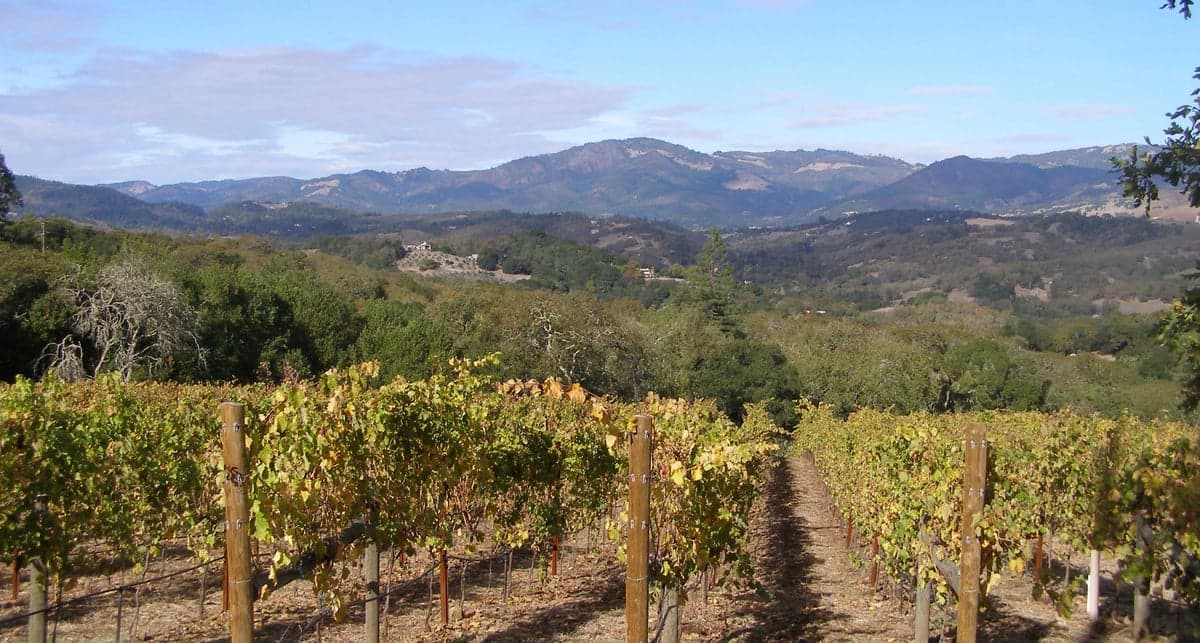
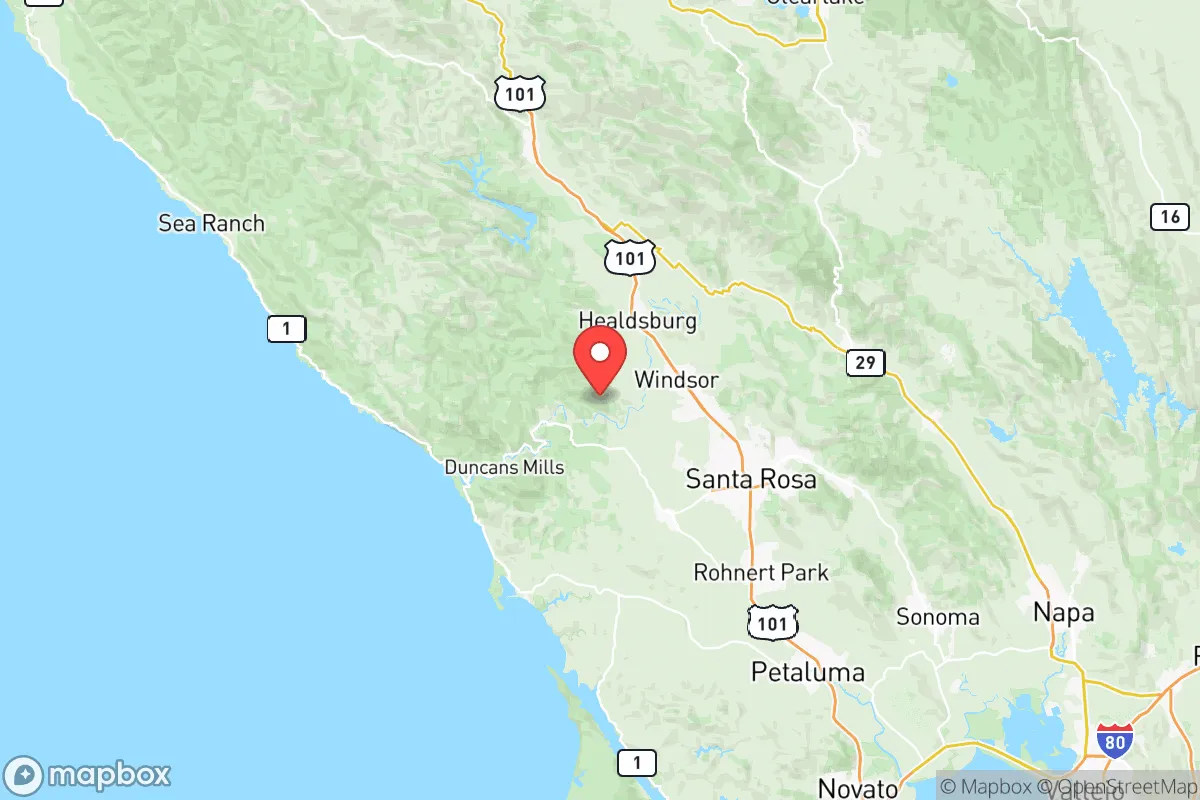
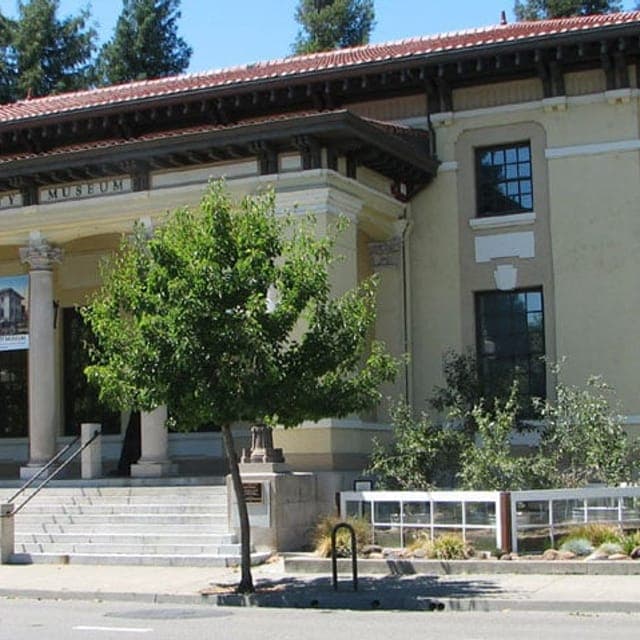
Photo: Wikipedia
Find The Best Places To Live in Sonoma County
PRO TIP! You can paste a Zillow or Redfin link to get info on that property.
Best Places to Live in Sonoma County
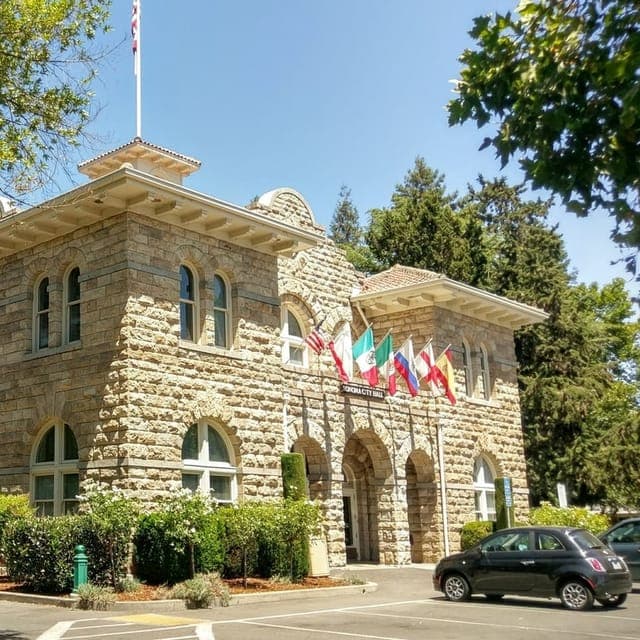
Cities & Towns in Sonoma County
Cities in Sonoma County
What It's Like Living in Sonoma County, CA
Living in Sonoma County means trading the breakneck pace of the Bay Area for a life where the morning fog burns off over vineyards and the evening commute is measured in minutes, not hours. It’s a place where you can spend a Saturday morning at a farmers market in Santa Rosa, an afternoon hiking the redwoods in Guerneville, and a sunset watching the waves crash at Bodega Bay—all without feeling like you’re rushing. The county’s identity is a blend of agricultural roots, coastal beauty, and a fiercely independent spirit that attracts people who value quality of life over corporate ladder climbing.
The Daily Rhythm: Wine Country Workdays and Weekend Escapes
For most residents, daily life revolves around a slower, more intentional schedule. The median age here is 42.7, which reflects a population that’s often past the career-chasing phase and settled into raising families or enjoying a second act. The average commute of just over 25 minutes is a genuine luxury compared to the hour-plus slog many endure in the East Bay or South Bay. People who live in Petaluma or Rohnert Park often work locally—in healthcare, education, or the region’s dominant wine and hospitality industries—though a significant number still commute to San Francisco or Marin County for higher-paying jobs. The median household income of $102,840 supports a comfortable lifestyle, but the cost of living index of 219 (more than double the national average) means that money doesn’t stretch as far as it might in Texas or the Midwest. The median home value of $779,000 is the biggest barrier: many families, especially in Windsor or Healdsburg, are priced out of buying unless they have dual incomes or equity from a previous home.
Weekends are where Sonoma County truly shines. Locals don’t just “go out to eat”—they plan their weekends around food and wine. The Sonoma County Harvest Fair in Santa Rosa draws crowds every fall, and the Healdsburg Jazz Festival brings national acts to a small-town setting. For outdoor enthusiasts, Armstrong Redwoods State Natural Reserve in Guerneville offers towering old-growth trees that feel like a cathedral, while the Sonoma Coast State Park near Bodega Bay provides miles of rugged, often foggy coastline. The county’s 37.8% college-educated population means there’s a strong appetite for cultural events, art galleries, and farm-to-table dining—but it’s not pretentious. You’re just as likely to see a pickup truck parked next to a Tesla at a Sebastopol cider tasting room.
Sports, Community, and the Local Identity
Sports in Sonoma County are less about pro teams and more about community identity. High school football is a genuine event in towns like Santa Rosa and Petaluma, where Friday-night games at Santa Rosa High School or Casa Grande High School draw hundreds of families and alumni. The Santa Rosa Junior College Bear Cubs have a loyal following, and the Sonoma State Seawolves in Rohnert Park offer NCAA Division II athletics that feel intimate and accessible. For pro sports, residents are split between San Francisco Giants and Oakland Athletics fans, though the Giants dominate in terms of merchandise and TV viewership. The Sonoma Raceway in Sonoma city hosts NASCAR and IndyCar events, drawing a different crowd—gearheads and wine lovers mingling in the same parking lot.
The cultural quirks here are real. Sonoma County has a strong environmentalist streak—plastic bags are banned, and composting is mandatory in many cities—but it’s also home to a vocal libertarian and agricultural community that resists overregulation. The Russian River area, especially Guerneville, has a long history as a LGBTQ+ friendly destination, while Healdsburg and Sonoma city lean more upscale and tourist-driven. The tension between “preserve the rural character” and “we need more housing” is a constant topic at local coffee shops and city council meetings. The violent crime rate of 434.5 per 100,000 is higher than the national average, but it’s concentrated in specific areas of Santa Rosa and Rohnert Park; most of the county feels safe, especially in smaller towns like Windsor or Sebastopol.
Pros and Cons of Living Here: What Locals Actually Say
Longtime residents will tell you the pros are real: the natural beauty is world-class, the food and wine are unmatched, and the sense of community in towns like Petaluma (with its historic downtown and annual Butter & Egg Days parade) is hard to find elsewhere. The weather is another major draw—mild summers, cool winters, and almost no extreme heat or snow. But the cons are equally honest. The cost of living is the biggest frustration, especially for younger families and single individuals. Renting a one-bedroom apartment in Santa Rosa can easily run $2,200 a month, and buying a home feels out of reach for many. The seasonal rhythm of tourism means that summer and fall bring traffic to Highway 101 and Highway 12, especially around harvest time in September and October. Wildfire season has become an annual anxiety, with the 2017 Tubbs Fire and 2020 Glass Fire still fresh in many residents’ memories. Schools are a mixed bag—some, like Santa Rosa’s Montgomery High School, have strong programs, but the county’s overall education funding lags behind wealthier Bay Area districts.
The kind of person who fits in here is someone who values experiences over possessions, doesn’t mind paying a premium for a good bottle of wine or a locally sourced meal, and is willing to deal with the occasional wildfire smoke or tourist traffic. It’s a place for people who want to hike in the morning, work a flexible job in the afternoon, and have dinner with friends at a Healdsburg bistro in the evening. If you’re looking for a 24-hour nightlife scene or a booming job market in tech, this isn’t it. But if you want a life that feels grounded, connected to the land, and just slow enough to breathe, Sonoma County delivers—with all its quirks and costs intact.

* Values derived from national, state, county, city and local statistics and may differ in a specific area. Last updated: 2026-07-24T05:22:58.000Z
Narrative content on this page is AI-generated and may contain mistakes. Verify any details that matter before acting on them.
ReloMaps may earn a commission from affiliate links at no extra cost to you.

