Photo: Wikipedia
Quality of Life in Sonoma County
A livable area that tracks near national norms for affordability, walkability, and neighborhood health.
What does Quality of Life tell us?
Quality of Life measures an area by evaluating factors like cost of living, nearby amenities, country club access, airport proximity, socioeconomic signals and neighborhood character. For large states, this is a general average — quality of life can vary dramatically between metro areas, suburbs, and rural communities within the same state.
What does this tell us?
Quality of Life measures an area by evaluating factors like cost of living, nearby amenities, country club access, airport proximity, socioeconomic signals and neighborhood character. For large states, this is a general average — quality of life can vary dramatically between metro areas, suburbs, and rural communities within the same state.
Cost of Living
119% above national average
55%
The Real Cost of Living in Sonoma County for 2026
| Tier | Individual | Family (4) |
|---|---|---|
| Survival | $33k | $63k |
| Comfortable | $128k | $188k |
| Luxury | $186k+ | $288k+ |
| Elite (Top 5%) | $221k+ | $343k+ |
Quality-of-Life Analysis
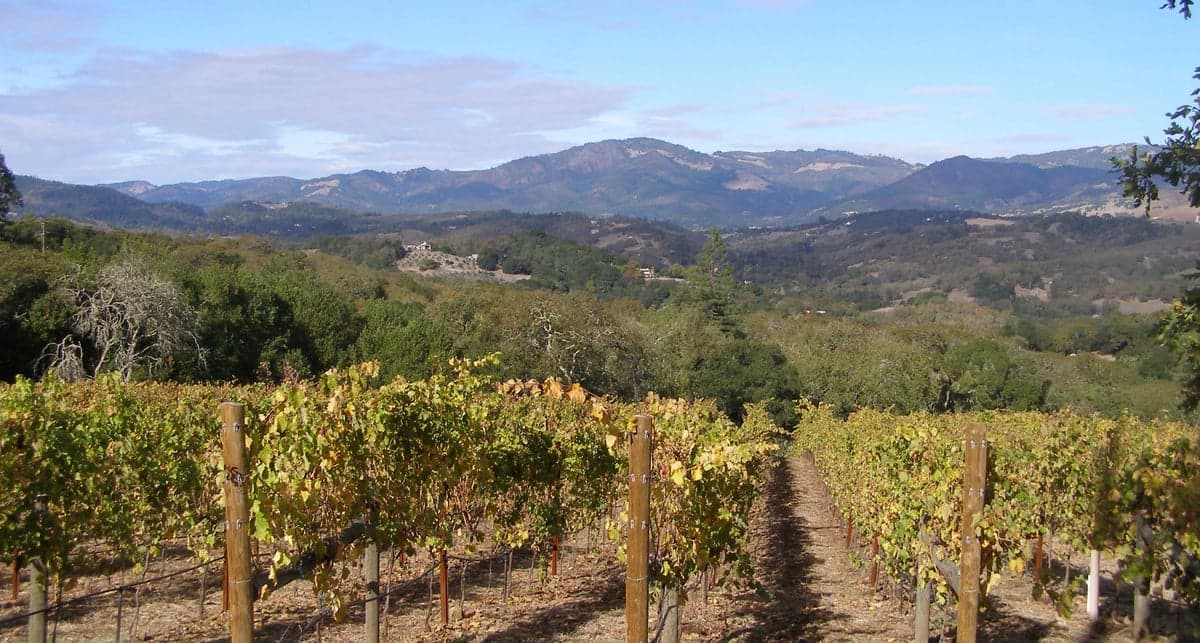
Sonoma County offers a spectrum of living environments that spans from the walkable, historic core of Santa Rosa to the remote, redwood-shrouded hamlets of the far west and the vineyard-dotted valleys of the north. The county attracts a diverse mix of residents: tech workers commuting into the North Bay, wine industry professionals, artists seeking affordable studio space, and retirees drawn to the climate and agricultural landscape. The character of daily life shifts dramatically depending on whether one lives in a dense urban center, a small agricultural town, or a rural hillside property.
Largest town(s) & population centers
Santa Rosa, the county seat and largest city with roughly 178,000 residents, functions as the commercial and transportation hub. Daily life here centers around the downtown revitalization along Railroad Square, the Santa Rosa Junior College campus, and the regional shopping corridors of Coddingtown and Montgomery Village. The city offers a mix of pre-war bungalows, mid-century suburbs, and newer infill developments. Petaluma, the second-largest city, has a distinctly different feel—its well-preserved Victorian downtown along the Petaluma River supports a thriving food scene and a strong sense of local identity, with a commute to San Francisco averaging about 45 minutes via Highway 101. Rohnert Park and Cotati form a contiguous suburban zone anchored by Sonoma State University, offering more affordable housing stock and a quieter, family-oriented rhythm. The city of Sonoma itself, while smaller, is a major tourism and wine-tasting destination centered on the historic plaza, with a high concentration of tasting rooms and upscale dining.
Smaller towns & rural pockets
Beyond the population centers, distinct communities define the county's rural character. Healdsburg, in the northern Dry Creek Valley, is a high-end wine country town with a compact plaza, luxury hotels, and a median home value well above the county average. Sebastopol, west of Santa Rosa, retains a countercultural, artsy vibe with apple orchards, the Barlow marketplace, and a strong local food movement. Guerneville, in the Russian River corridor, is a historic resort town that has become a hub for the LGBTQ+ community and summer vacationers, with a relaxed, casual atmosphere and a higher proportion of rental cabins and second homes. Occidental and Freestone are tiny unincorporated hamlets in the coastal hills, known for their redwood groves, farm-to-table restaurants, and a slower, more isolated pace of life. Bodega Bay, on the Pacific coast, offers a fishing-village lifestyle with dramatic ocean views, though housing is scarce and expensive. Cloverdale, at the northern edge of the county, is a more affordable, working-class agricultural town with a small downtown and a longer commute to Santa Rosa (about 30 minutes).
Cost & lifestyle range
The cost of living across Sonoma County is uniformly high, with a composite index of 219 (100 = US average), but the spread between the most and least expensive areas is significant. The median home value countywide is $779,000, and median rent is $2,093. At the high end, Healdsburg and the Sonoma Valley (including the city of Sonoma and Glen Ellen) command premium prices, with many homes exceeding $1.5 million and a lifestyle centered on wine tourism, fine dining, and estate properties. The middle range includes Santa Rosa and Petaluma, where a typical three-bedroom home might sell for $700,000–$900,000, and residents enjoy a mix of urban amenities, parks, and reasonable commute times. The most affordable options are found in Cloverdale, Rohnert Park, and parts of Santa Rosa's older neighborhoods (such as Roseland or the Junior College area), where homes can sometimes be found in the $500,000–$650,000 range. Rural properties in the Russian River area (Guerneville, Monte Rio) offer lower purchase prices but often come with higher maintenance costs, flood risk, and limited services. The average commute across the county is 25.3 minutes, but residents in far-flung areas like Annapolis or Sea Ranch (the latter technically in Mendocino County but part of the same commuting shed) may face 45–60 minute drives to reach a grocery store or hospital.
Sonoma County is best suited for those who prioritize access to nature, local food, and a slower pace over urban density and nightlife, and who have the financial resources to absorb the high housing costs. Professionals with remote or hybrid work arrangements, families seeking good schools (particularly in the Petaluma and Sonoma Valley districts), and retirees with equity from previous home sales are the most likely to find the county's trade-offs worthwhile. Those on a tighter budget or requiring a short commute to San Francisco may find the trade-offs more challenging, as wages in many local service industries do not keep pace with the cost of living.

Crime in Sonoma County
WARNING: The crime statistics are unreliable for this jurisdiction. Local authorities have either not reported or under reported their data to the FBI. This could be due to bad intentions, incompetence or technical issues. Regardless, we suggest skepticism.
Higher crime rates than 72% of comparable U.S. locations.
Violent CrimeViolent Crime Analysis
Property CrimeProperty Crime Analysis
Crime Analysis
Sonoma County presents a mixed safety picture for prospective residents, with crime rates that exceed both California and national averages. The county recorded a violent crime rate of 434.5 incidents per 100,000 residents and a property crime rate of 1,819.1 per 100,000, figures that warrant careful consideration when choosing a specific community within the region.
Crime in context
Sonoma County's violent crime rate sits roughly 20% above the national average and aligns closely with California's statewide rate, which has been elevated in recent years. The property crime rate is similarly concerning, running about 15% higher than the U.S. average. These numbers place Sonoma County in a middle-to-high tier among California's 58 counties for overall crime. The county's largest city, Santa Rosa, drives much of this statistic, with its own violent crime rate exceeding 500 per 100,000. In contrast, smaller incorporated cities like Sonoma and Healdsburg report significantly lower rates, often 30-40% below the county average. The unincorporated areas of Sebastopol and Guerneville also show lower crime densities, though property crime remains a persistent issue in rural and tourist-heavy zones.
What residents experience
Property crime is the most common safety concern for Sonoma County residents. Vehicle break-ins, package theft, and residential burglaries are frequent, particularly in areas with easy highway access like Rohnert Park and Cotati. The county's District Attorney's office, operating under a progressive prosecutorial philosophy, has faced criticism for declining to file charges in a significant portion of property crime cases, a policy that critics argue emboldens repeat offenders. This approach, while intended to reduce incarceration, has led to a visible cycle where known property criminals are released quickly and re-offend within weeks. Violent crime, while less common, includes aggravated assault and robbery, with gang-related activity concentrated in specific Santa Rosa neighborhoods. Residents in Windsor and Petaluma generally report feeling safer, with community policing and neighborhood watch programs more active there. The county's liberal judicial environment, including judges who favor diversion programs over incarceration for many felony offenses, has contributed to a perception among some residents that the justice system prioritizes offender rehabilitation over public safety.
Neighborhood-level variation
Safety in Sonoma County varies dramatically by location. The Roseland and Southwest Santa Rosa neighborhoods experience the highest violent crime rates, often double the county average. Conversely, the Bennett Valley area of Santa Rosa and the historic town of Sonoma maintain crime rates comparable to the safest suburbs in the Bay Area. Healdsburg and Glen Ellen are consistently cited as the safest communities, with violent crime rates below 200 per 100,000. Property crime, however, is a universal concern: even affluent areas like Kenwood and Monte Rio see occasional burglaries targeting vacation homes. Prospective residents should research specific zip codes and talk to local police departments, as a few miles can mean the difference between a high-crime corridor and a quiet, low-risk neighborhood. The county's overall safety trajectory depends heavily on whether the current progressive justice policies are maintained or revised in coming years.
* Values derived from national, state, county, city and local statistics and may differ in a specific area. Last updated: 2026-07-24T05:22:58.000Z
Narrative content on this page is AI-generated and may contain mistakes. Verify any details that matter before acting on them.
ReloMaps may earn a commission from affiliate links at no extra cost to you.

