Photo: Wikipedia
Find The Best Places To Live
in Eureka
PRO TIP! You can paste a Zillow or Redfin link to get info on that property.
Compare Eureka with another place
What It's Like Living in Eureka, CA
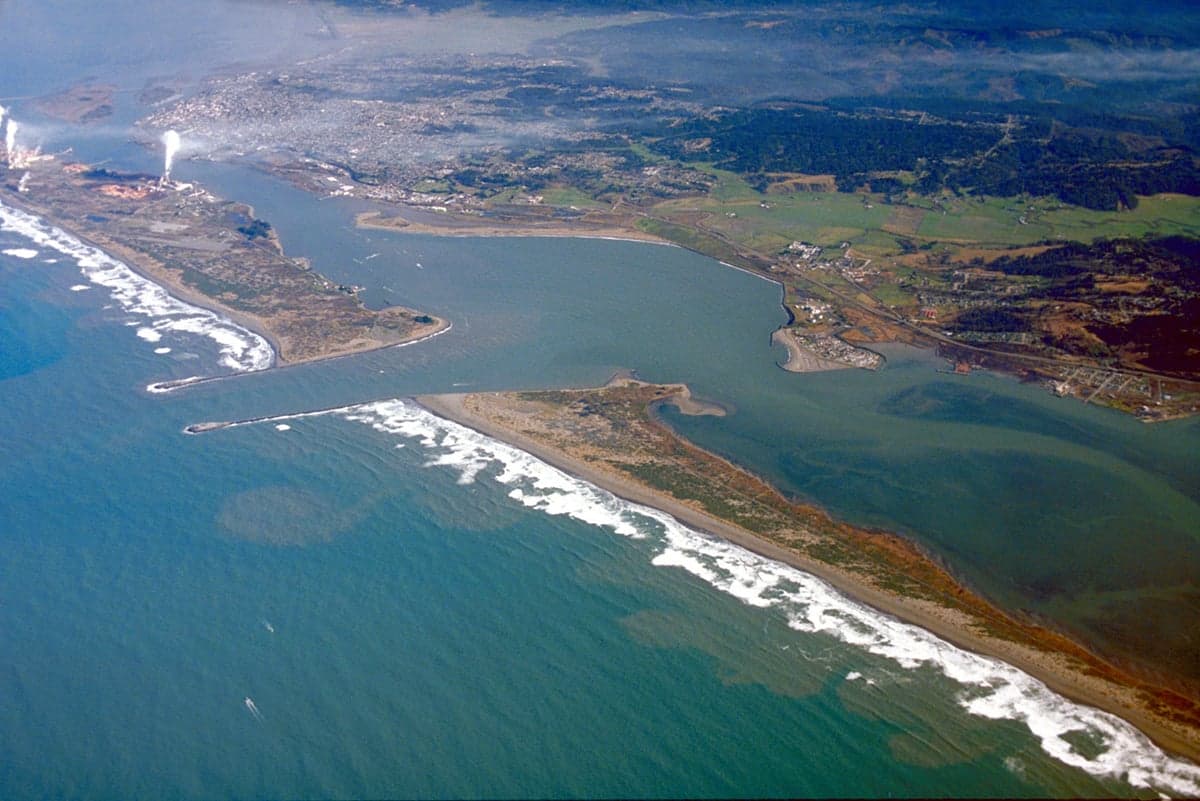
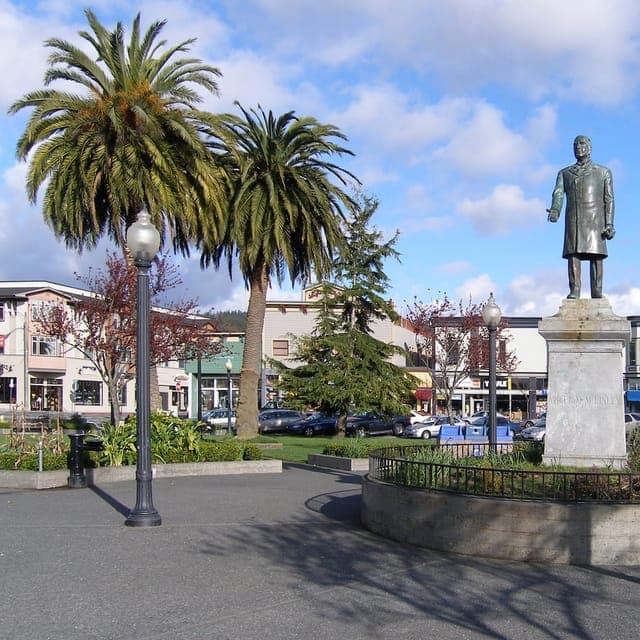
Eureka is a fog-belt timber town that never quite decided whether it wants to be a scrappy working port or a quirky arts enclave, so it settled on being both. You get Victorian architecture, redwood giants looming over the freeway, and a downtown that smells like salt air and espresso most mornings. It’s the kind of place where people complain about the rain for eight months and then brag about it to anyone from the Central Valley.
Daily Rhythm: What a Normal Week Actually Looks Like
Life here moves on Humboldt time, which is to say a little slower and with more layers. The average commute is just over 16 minutes — short enough that people actually go home for lunch, and long enough that you’ll learn every pothole on Broadway by heart. Most folks do their errands along the 101 corridor: Winco for groceries, Costco for the big runs, and the Co-op downtown if they want to feel good about their kale. Weekends often start at the Saturday farmers market in Old Town, where you’ll see the same faces — the guy selling oysters, the woman with the mushroom logs, the busker playing Neil Young covers.
Weather shapes everything. Eureka gets about 40 inches of rain a year and a whole lot of fog, which keeps summers in the 60s while the rest of California bakes. Locals call it “nature’s air conditioning” and mean it. The flip side is seasonal affective disorder is real here; by February, even the optimists are booking flights to Phoenix. When the sun does break through — usually March through October — the whole town seems to spill onto the waterfront trail or head up to the Samoa Dunes.
Sports, Community, and the Local Identity
There’s no pro team within 250 miles, so Eureka makes do with what it has, and it’s more invested than you’d expect. Humboldt State (now Cal Poly Humboldt) is the big draw — the Lumberjacks football and basketball games pull decent crowds, and the university’s shift to a polytechnic focus has brought a fresh wave of students and money. But the real passion is high school sports. Eureka High’s Loggers are a genuine source of civic pride, especially when they play Fortuna or Arcata in football; those rivalry games pack the stands on Friday nights in a way that feels more Midwest than coastal California.
The town’s identity is split three ways: the old timber and fishing families, the university crowd, and the counterculture types who came for the redwoods in the ’60s and never left. That mix creates a live-and-let-live vibe, but it also means political conversations at the bar can get interesting fast. The median age here is 38.9, and with 31.3% holding college degrees, you’re looking at a town that’s educated but not pretentious — people are more likely to bond over a good tidepool than a wine list.
What to Do: Festivals, Bars, and the Redwood Factor
Entertainment is heavy on outdoor stuff and light on nightlife, but what exists is characterful. The Redwood Coast Jazz Festival and the Kinetic Grand Championship — a wacky three-day race of human-powered art vehicles from Arcata to Ferndale — are the two events everyone circles on the calendar. Old Town has a solid bar scene: the Speakeasy for cocktails, the Shanty for dives, and Lost Coast Brewery for local beer that actually travels well. For food, you’re looking at Humboldt Bay Provisions for oysters, the Sea Grill for a nicer dinner, and food trucks like Smug’s Pizza that have developed cult followings.
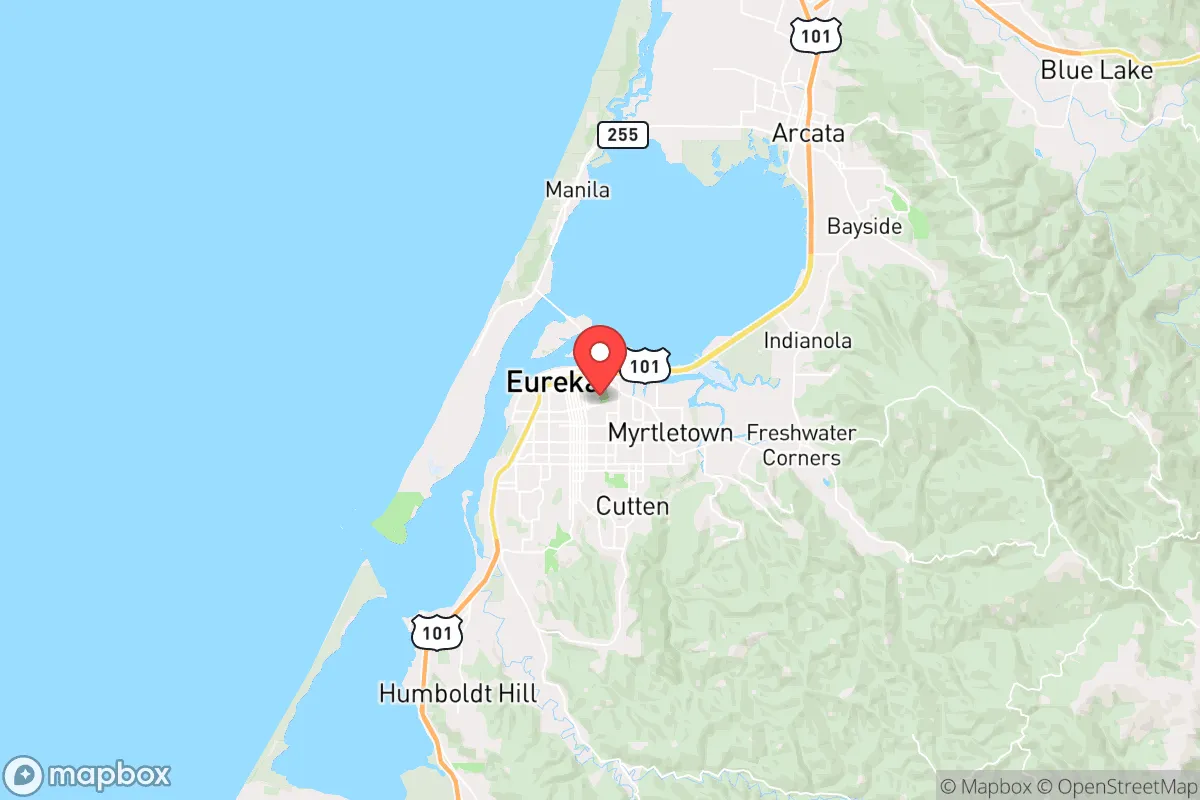
But the real attraction is the landscape. Redwood National Park is 50 minutes north, and the Avenue of the Giants is an hour south — both are the kind of places that make out-of-town visitors go quiet. Locals take it for granted until they move away, then they can’t stop talking about it. The community forest in Eureka itself has miles of trails that most residents have never fully explored, which says something about how much outdoor access is packed into this corner of the state.
Pros and Cons: The Honest Assessment
Let’s be straight about the trade-offs, because they’re significant.
- Pros: Unbeatable natural beauty, genuinely affordable homes for coastal California (median value around $375,800), a tight-knit community where you’ll know your neighbors, and a pace of life that feels human. The cost of living index sits at 113 — above the national average but far below the Bay Area, and you get a lot of nature for that premium.
- Cons: The violent crime rate is 834.9 per 100,000 — roughly double the national average, and it’s concentrated in specific areas downtown and near the waterfront. The job market is thin outside healthcare, education, and government; the median income of $60,253 reflects that. And the isolation is real: it’s a four-hour drive to Sacramento and five to San Francisco, which means weekend trips are planned, not spontaneous.
The people who thrive here are the ones who don’t need a big city to feel alive. They’re the kayakers, the hikers, the teachers, the nurses, the remote workers who traded a commute for a view of the bay. They’re also the ones who understand that Eureka is a little rough around the edges — the homeless population is visible, the infrastructure is aging, and the fog can wear on you. But for the right person, the trade is simple: you give up convenience and polish, and you get a life that feels like it actually belongs to you.

Similar towns to Eureka
* Values derived from national, state, county, city and local statistics and may differ in a specific area. Last updated: 2026-10-29T07:36:53.000Z
Narrative content on this page is AI-generated and may contain mistakes. Verify any details that matter before acting on them.
ReloMaps may earn a commission from affiliate links at no extra cost to you.

