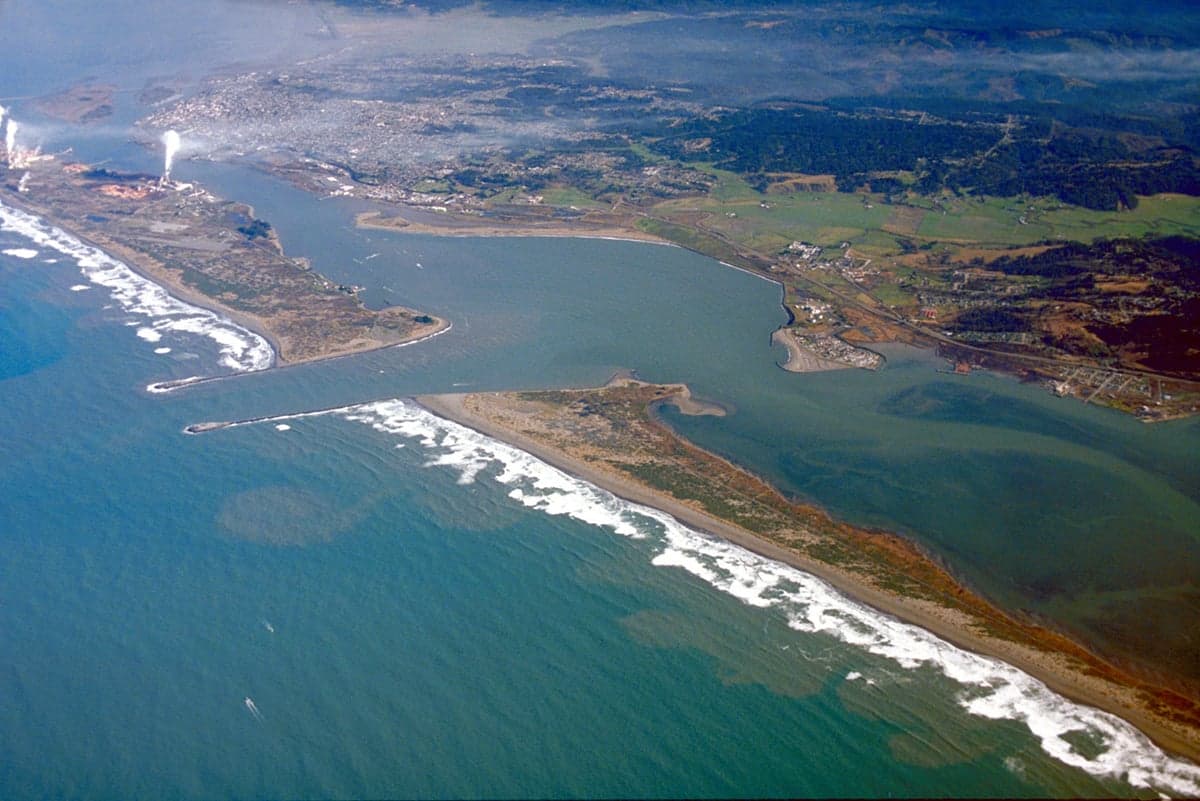
Photo: Wikipedia
Quality of Life in Eureka, CA
A high quality of life with strong walkability, manageable living costs, healthy neighborhood signals, and solid amenity access.
What does Quality of Life tell us?
Quality of Life blends cost of living, nearby amenities, socioeconomic signals, and neighborhood character. City-level scores represent the whole municipality; individual neighborhoods can differ.
What does this tell us?
Quality of Life blends cost of living, nearby amenities, socioeconomic signals, and neighborhood character. City-level scores represent the whole municipality; individual neighborhoods can differ.
Cost of Living
13% above national average
The Real Cost of Living in Eureka, CA for 2026
| Tier | Individual | Family (4) |
|---|---|---|
| Survival | $18k | $35k |
| Comfortable | $73k | $107k |
| Luxury | $109k+ | $169k+ |
| Elite (Top 5%) | $146k+ | $226k+ |
56%
The Area Signal
A metric tracking the socioeconomic signals of the area.
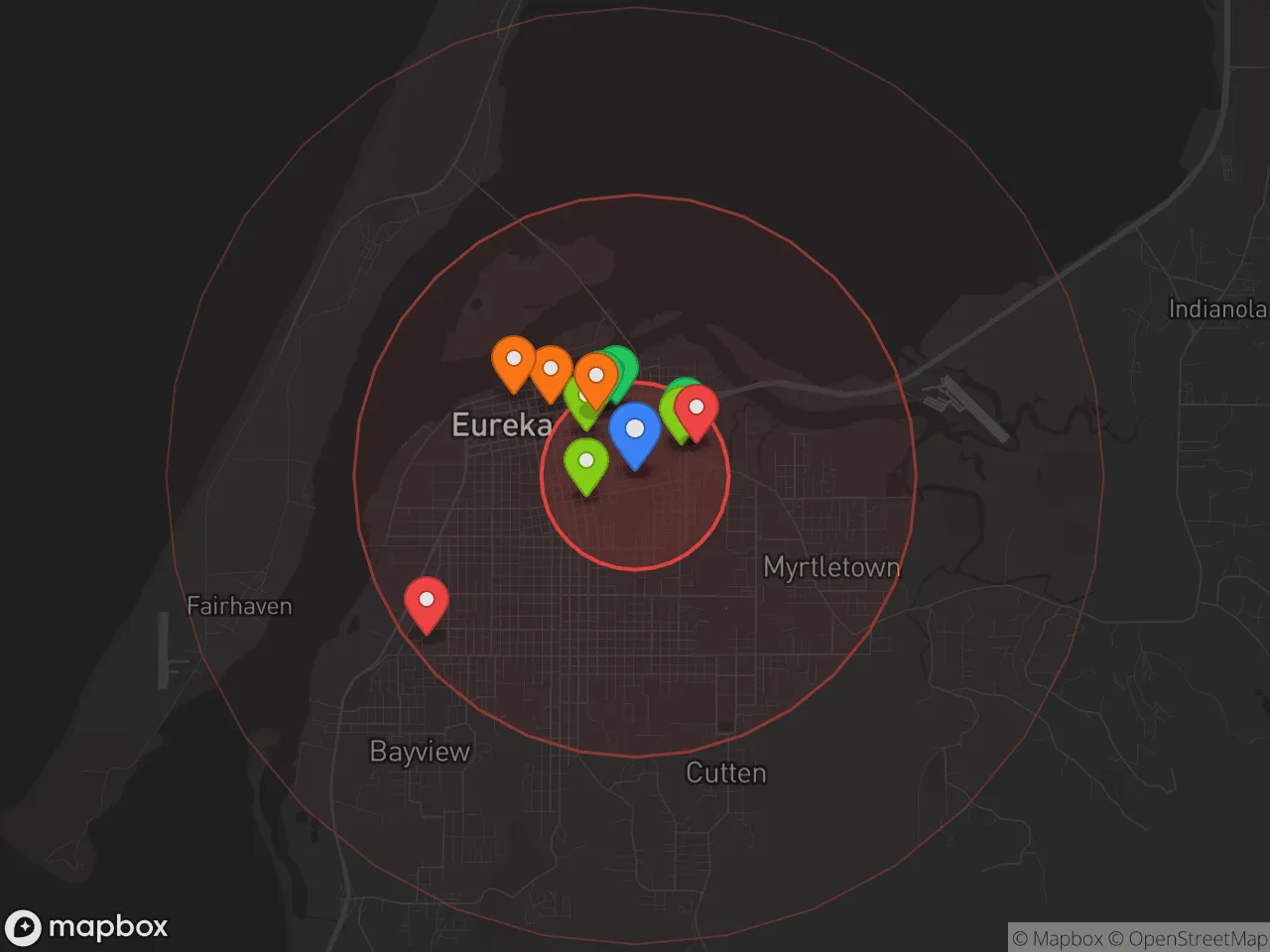
Hobbies
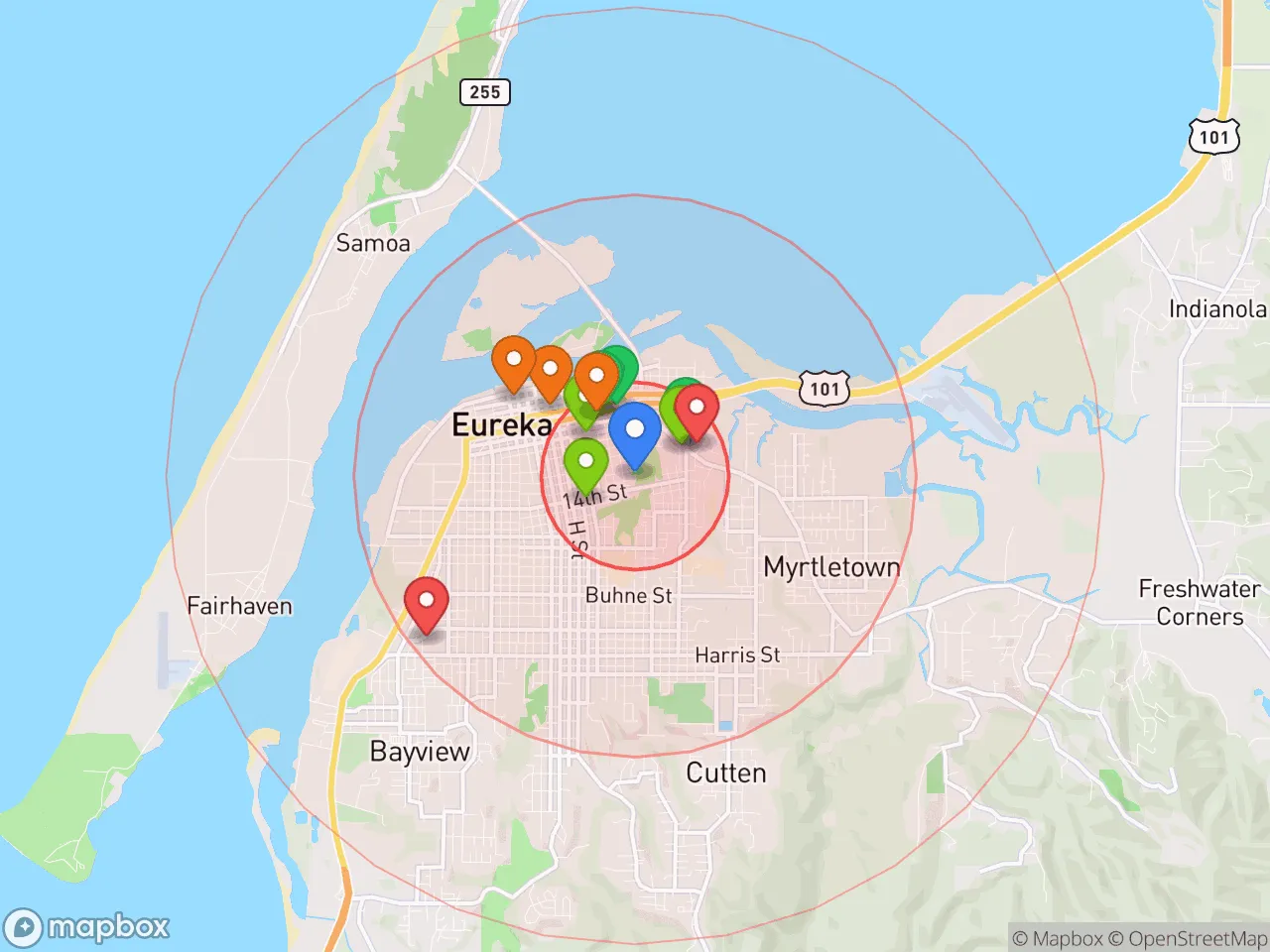
Explore the areaGroceries
5 within 10 miles
Gas
20 within 10 miles
Hospital
5 within 20 miles
Airport
SAN — Oakland San Francisco Bay
Post Office
USPS — Eureka, CA
Critical Amenities
Quality-of-Life Analysis
Eureka, California, presents a quality-of-life profile that diverges sharply from the coastal California stereotype: it is a working-class, resource-dependent city where the cost of living runs 13% above the national average but remains dramatically cheaper than the state's major metros. The population skews older and more economically modest than the statewide norm, with a significant share of residents employed in healthcare, education, and public administration rather than tech or finance. This is a community where generational Humboldt County families mix with newer arrivals drawn by redwood-adjacent living, and where affluence is the exception rather than the rule — the median household income trails the California average by roughly $20,000.
How housing costs and everyday expenses compare to nearby cities
The cost-of-living index of 113 (where 100 equals the U.S. average) tells a nuanced story: groceries and utilities run close to national norms, but housing and transportation carry the premium. The median home value sits at $375,800, which is about 60% of the California statewide median — a figure that makes Eureka one of the most attainable coastal markets in the state. For context, that same budget buys roughly a third of a comparable home in Santa Rosa (median ~$750,000) or a small condo in the Bay Area. Renters fare even better relative to the region: the median rent of $1,157 is nearly $400 below the California average and less than half of what comparable coastal units command in Humboldt County's more tourist-oriented neighbor, Arcata, where two-bedroom apartments routinely list above $1,600.
The affordability gap with nearby areas is starkest when comparing Eureka to the broader Bay Area commuter shed. A worker earning the local median wage of about $48,000 can carry a mortgage on a modest home here, whereas the same income would qualify for almost nothing in Marin or Sonoma counties. However, the trade-off is real: Eureka's housing stock is older (a large share built before 1960), and the city's inventory of single-family homes under $300,000 has shrunk noticeably since 2021 as out-of-area buyers have discovered the market. Property taxes remain comparatively low due to Proposition 13, but homeowners face higher insurance premiums than inland California due to seismic and wildfire risk factors.
What daily life is like: amenities, schools, and the local rhythm
Daily life in Eureka revolves around a compact, walkable downtown core along the waterfront, anchored by the historic Carson Mansion and a working fishing fleet at the marina. The city's amenity base is broader than its population of ~26,000 suggests: two hospitals (St. Joseph Hospital and Providence Redwood Memorial), a regional airport with daily flights to San Francisco, and the Eureka Mall provide services that smaller Humboldt towns lack. The public school system, Eureka City Schools, operates four elementary schools, one middle school, and Eureka High School, which posts a graduation rate around 85% — below the state average but consistent with peer districts in the North Coast region. For families, the average commute of 16.5 minutes is a genuine asset; it is roughly half the California average and means parents can realistically shuttle between school, work, and the nearby redwood parks without the grinding traffic that defines life in the Bay Area.
The cultural rhythm is slower and more seasonal than urban California. The weekly farmers' market, the North Coast Repertory Theatre, and the Humboldt Bay Maritime Museum anchor a modest arts scene, while outdoor recreation — hiking in Headwaters Forest Reserve, kayaking in Humboldt Bay, and surfing at nearby Samoa Beach — dominates weekend life. Dining leans heavily toward seafood and farm-to-table fare, with a notable absence of the chain restaurants that proliferate in more suburban markets. The trade-offs are equally concrete: retail options are limited, nightlife is sparse, and the nearest Costco or Trader Joe's is a 45-minute drive north to Arcata.
Eureka is best suited for people who prioritize natural beauty, short commutes, and genuine affordability over urban convenience and career velocity. Remote workers with stable incomes, retirees seeking a lower-cost coastal base, and healthcare or education professionals will find the strongest fit. Those expecting Silicon Valley amenities, diverse dining, or rapid professional advancement will likely feel constrained — but for anyone who values a walkable, weather-tolerant community where a six-figure income still buys a house with a view of the bay, Eureka delivers a quality of life that few other California coastal cities can match at this price point.

Crime in Eureka, CA
Higher crime rates than 60% of comparable U.S. locations.
Violent CrimeViolent Crime Analysis
Property CrimeProperty Crime Analysis
Crime Analysis
Eureka, California, faces a significant public safety challenge, with both violent and property crime rates that are dramatically higher than both state and national averages. The city's overall crime picture is concerning, driven by a violent crime rate of 834.9 incidents per 100,000 residents and a property crime rate of 2,281.9 per 100,000, placing it among the more dangerous small cities in the state.
Crime in context
To understand the severity of Eureka's situation, it is essential to compare these figures against broader benchmarks. The national violent crime rate is approximately 380.7 per 100,000, meaning Eureka's rate is more than double the U.S. average. The gap is even more pronounced when compared to California's statewide violent crime rate of roughly 442 per 100,000. Property crime in Eureka, at 2,281.9 per 100,000, also far exceeds the national average of about 1,954 per 100,000 and the California average of approximately 2,011 per 100,000. These statistics indicate that residents face a substantially elevated risk of becoming victims of both violent and property offenses compared to the rest of the state and the country.
What residents experience
For those living in Eureka, these numbers translate into tangible daily concerns. Property crime, including theft, burglary, and vehicle break-ins, is the most frequently encountered issue, often affecting residents in their neighborhoods and commercial districts. The high rate of violent crime, which includes aggravated assault, robbery, and rape, contributes to a pervasive sense of unease, particularly in certain areas and during evening hours. The city's challenges are compounded by broader social issues, including a significant homeless population and a housing affordability crisis, which are often linked to property and drug-related offenses. Furthermore, the local justice system's approach, which some residents perceive as prioritizing offender rehabilitation over strict enforcement and victim advocacy, can lead to a feeling that repeat offenders are quickly returned to the streets, undermining public confidence in the safety net.
Neighborhood-level safety in Eureka is not uniform. While the city as a whole struggles with high crime rates, certain areas are known to be more problematic than others. The downtown core and areas near the waterfront, including the Old Town district, tend to have higher concentrations of property crime and public disorder. Conversely, some of the more residential neighborhoods on the hillsides, such as those near Henderson Center or Cutten, generally experience lower rates of violent incidents, though property crime can still occur. Prospective residents are advised to research specific streets and blocks, as safety can vary significantly from one part of the city to the next, and to consider that the city's overall high crime statistics reflect a systemic issue that requires careful consideration.
* Values derived from national, state, county, city and local statistics and may differ in a specific area. Last updated: 2026-10-29T07:36:53.000Z
Narrative content on this page is AI-generated and may contain mistakes. Verify any details that matter before acting on them.
ReloMaps may earn a commission from affiliate links at no extra cost to you.

