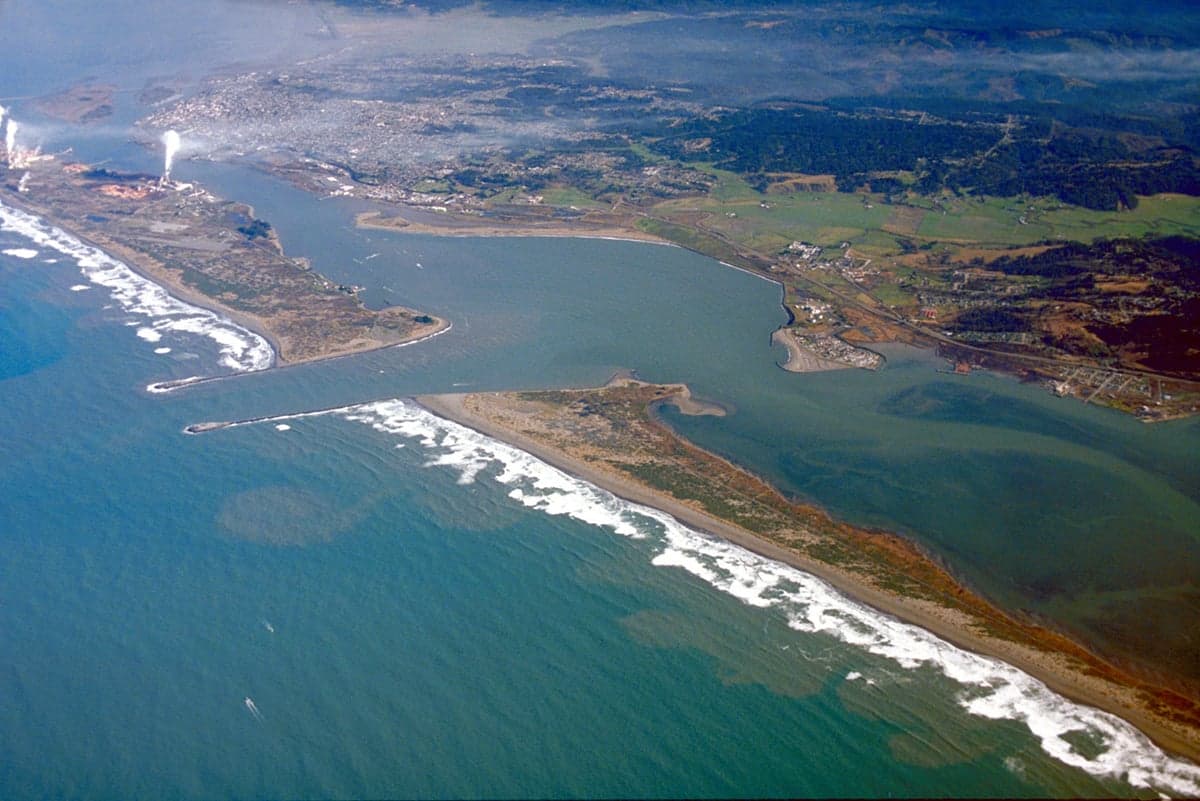
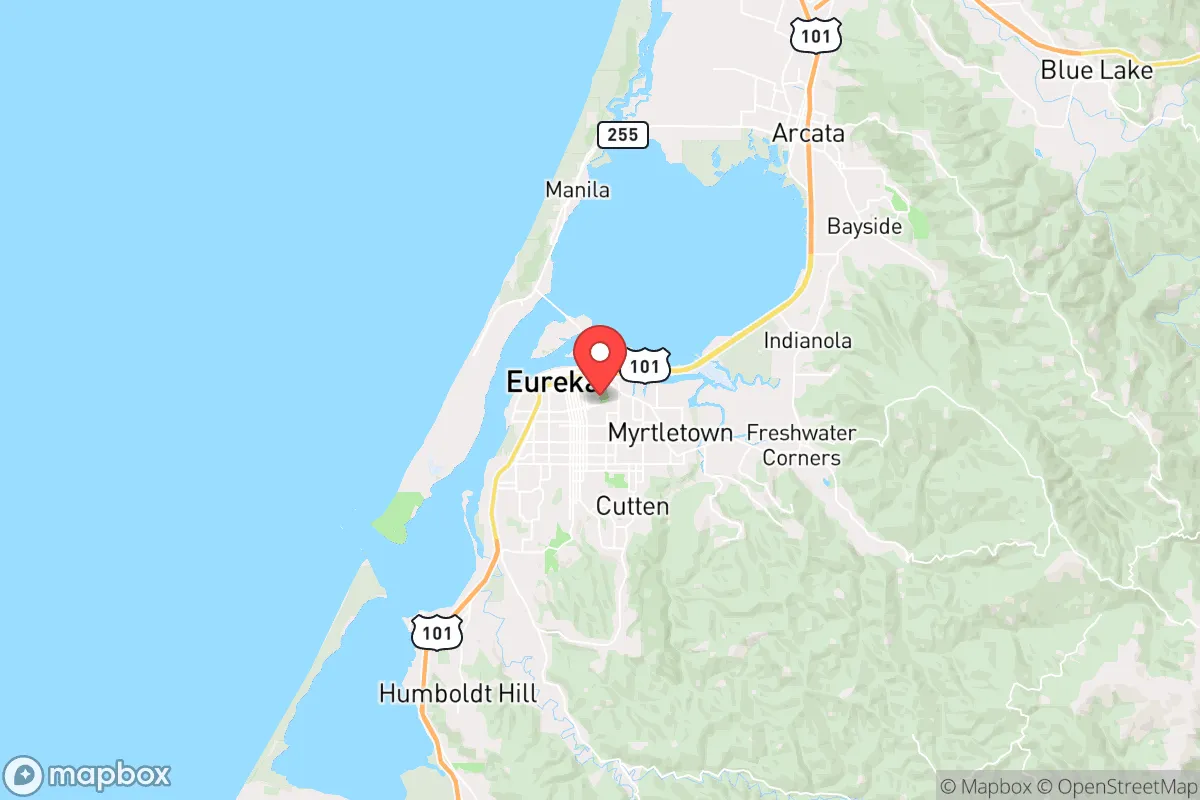
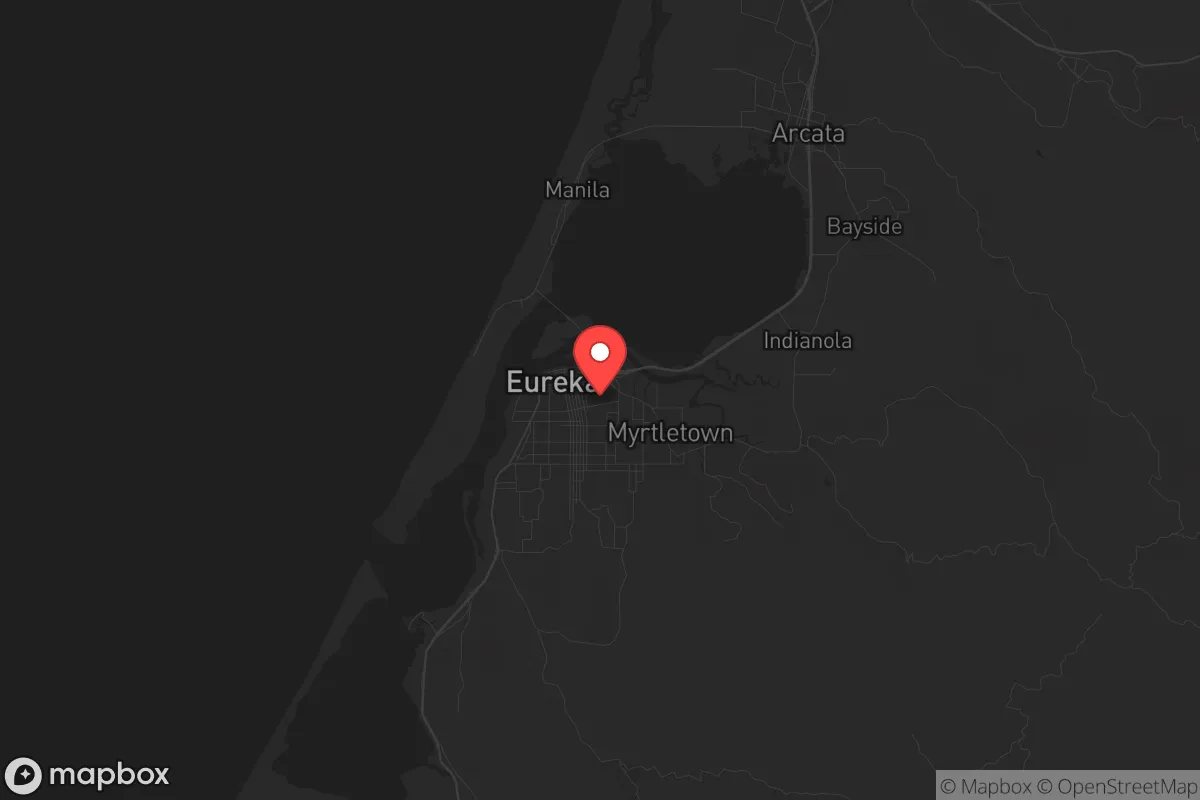
Photo: Wikipedia
Strategic Assessment of Eureka, CA
Meaningful friction. Expect exposure to either population pressure, blast zones, or natural disaster risk. Consider buying a retreat property.
What does the Strategic Assessment tell us?
Our Strategic Assessment grades tactical survivability of an area. Major population centers, military targets, fallout zones, natural disasters, and border exposure all drive risk — lower exposure means a more defensible position in a crisis.
This is heavily inspired by Joel Skousen's Strategic Relocation book. Highly recommended you checkout the book ($)What does this tell us?
Our Strategic Assessment grades tactical survivability of an area. Major population centers, military targets, fallout zones, natural disasters, and border exposure all drive risk — lower exposure means a more defensible position in a crisis.
This is heavily inspired by Joel Skousen's Strategic Relocation book. Highly recommended you checkout the book ($)Strategic Pillars
Key Distances
Regional Safe Places
Below is our recommended "safe zones" in California and the surrounding area based on our strategic heuristics. For most people, it's unrealistic to live in a “safe zone” full-time due to work, family or other personal reasons. They tend to be more rural. However, many of these areas are perfect for second homes and retreat properties that double as a vacation home or even a short-term rental.

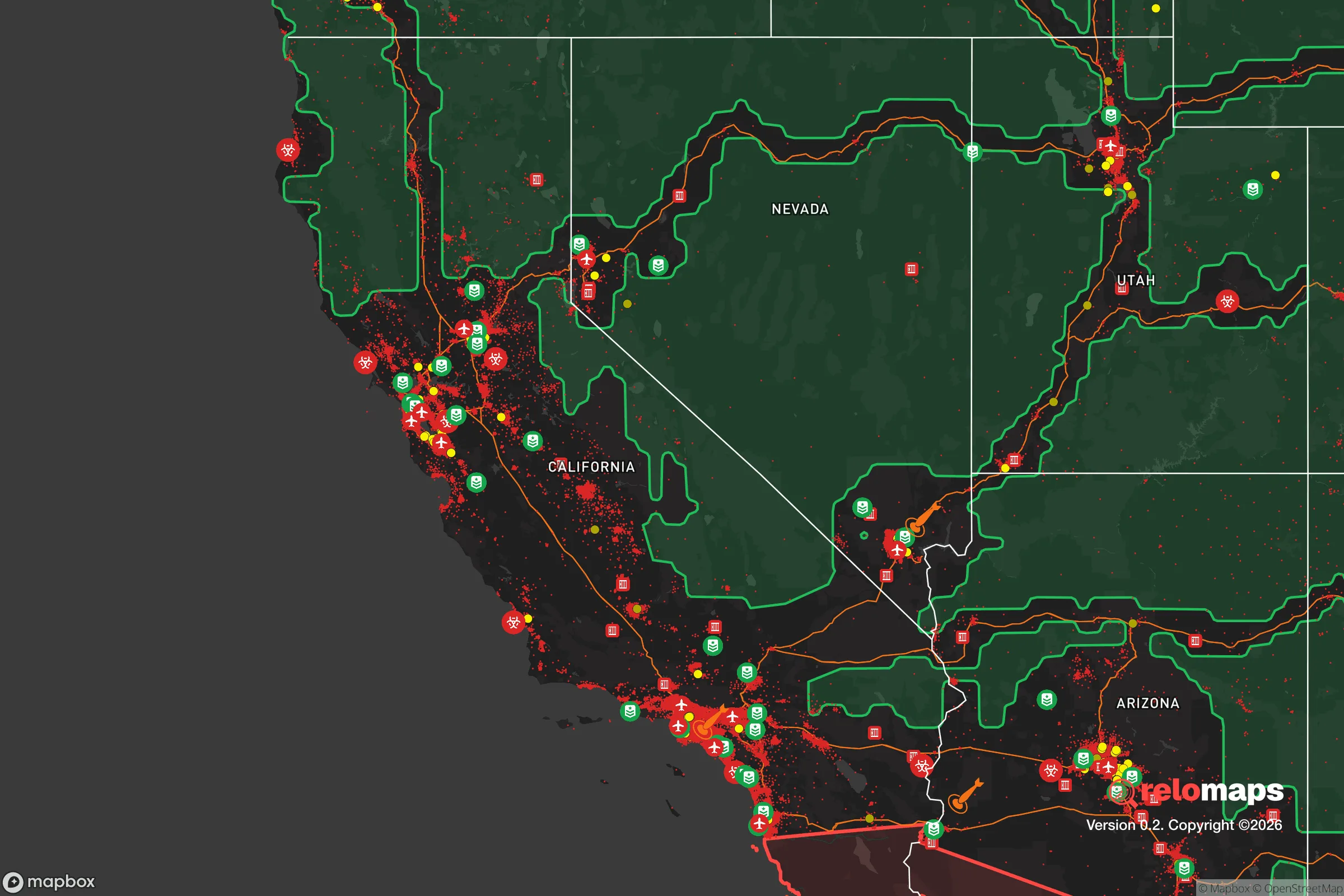


Important Note: For informational purposes only. This does not mean nothing bad ever happens in the green zones. Please use common sense. This is based on public data and modeled with AI. We tried to take a conservative approach but mistakes happen. We update this regularly as new information becomes available.
Solar Generator Recommendations
Backup power matters more here than in safer locations. We've picked three solar generators across budgets and capacity tiers — start with the budget unit if you only need a few essentials, or step up if you want to run a fridge and HVAC for days at a time.
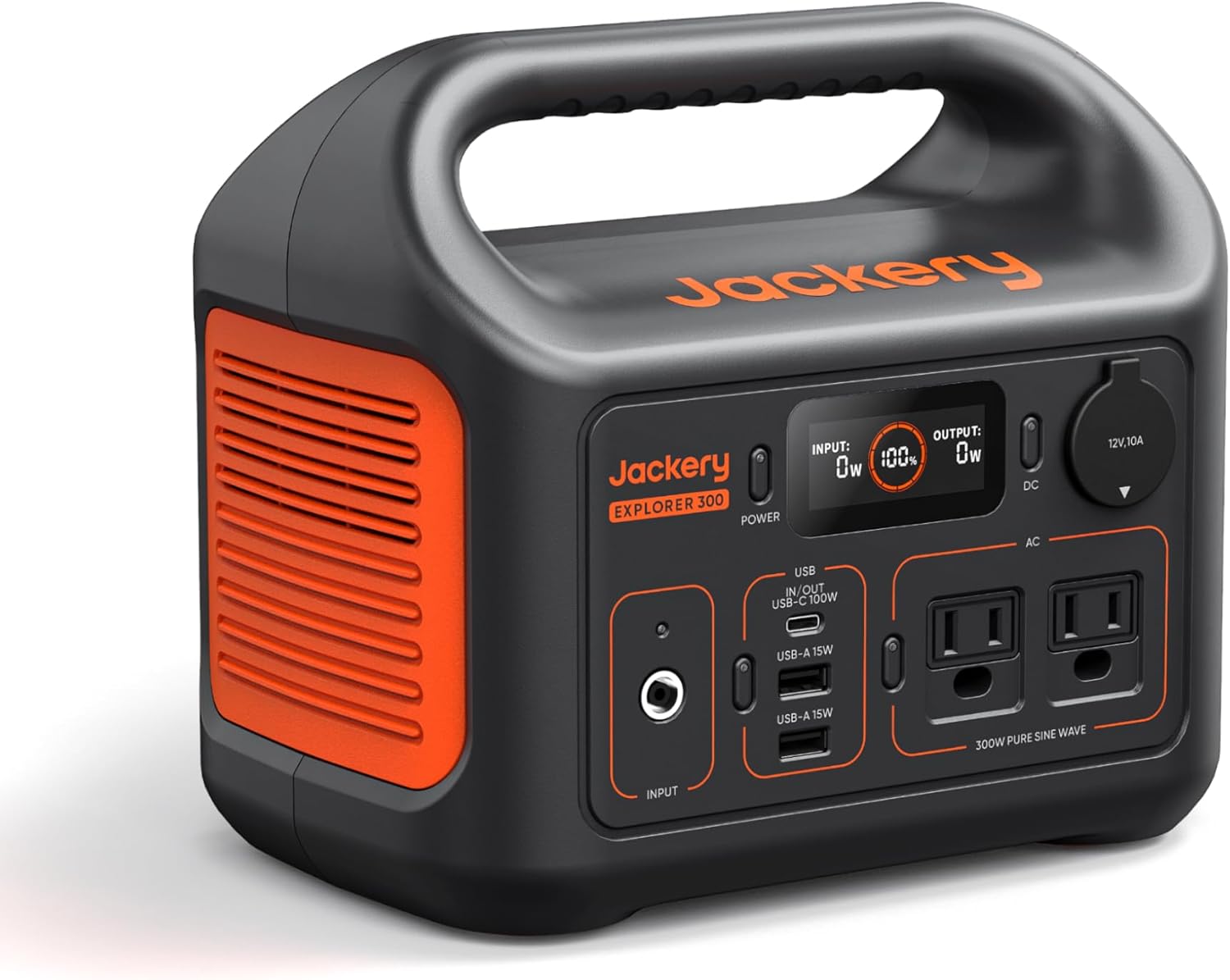
Jackery Portable Power Station Explorer 300
Budget OptionPower on the Go: Weighing only 11 lbs, it's convenient to set up and store with book-sized foldable solar panels

BLUETTI Portable Power Station AC180
Designed for both indoor and outdoor scenarios, AC180 is highly capable as it has a robost capacity and continuous output power.

EF ECOFLOW DELTA Pro Ultra Power Station
Upgraded PickEcoFlow DELTA Pro Ultra is a whole-home energy system designed to grow with your family. Integrated with the Smart Home Panel 2, it scales to meet your evolving energy needs — keeping your home powered, intelligent, and secure through every stage of life.
We earn a commission, at no additional cost to you.
Strategic Assessment Analysis
Eureka, California, offers a genuinely interesting strategic profile for someone weighing disaster readiness and self-sufficiency: it’s a small city (roughly 26,000 people) on a rugged coastline, far from the major urban corridors of the state, yet it’s not so remote that you’re cut off from supply chains and medical care. The core trade-off is straightforward — you get exceptional natural barriers and a mild climate, but you also inherit serious seismic and tsunami exposure, plus a dependence on a single, vulnerable transportation artery. For a relocator thinking in terms of decades, not just next year, Eureka rewards preparation but punishes complacency.
Geographic position and natural advantages for long-term security
Eureka sits on Humboldt Bay, roughly 270 miles north of San Francisco and about 100 miles south of the Oregon border. That latitude is a genuine asset: the region’s maritime climate keeps summer highs in the mid-60s and winter lows in the low-40s, which means you’re not dealing with the extreme heat events that increasingly stress inland California, nor the wildfire-driven air-quality crises that plague the Sierra foothills and wine country. The surrounding landscape — dense coastal redwood forests, steep hills, and the Pacific to the west — provides natural cover and a degree of isolation that’s hard to replicate in most of the state. The nearest major metropolitan area, the San Francisco Bay Area, is a four-to-five-hour drive away, which is far enough to dilute the risks of urban unrest or cascading infrastructure failure, but close enough that specialized medical care and major supply hubs remain reachable in a day.
Water is the standout advantage. Humboldt County receives 40 to 60 inches of rain annually, and the region is laced with year-round creeks and rivers, including the Eel and Mad Rivers. For a household looking to install rainwater catchment or develop a well, this is one of the most water-secure regions in California. The local economy is also anchored in natural resources — timber, commercial fishing, and agriculture — which means the area already has working infrastructure for food production and processing that most coastal towns lack. The port of Humboldt Bay is a deep-water harbor, which historically has been a strategic asset and remains one today for any scenario involving disrupted land-based supply chains.
Risk profile: earthquakes, tsunamis, and proximity to sensitive infrastructure
The dominant threat is seismic. Eureka sits within a few miles of the Cascadia Subduction Zone, the same fault system that produced a magnitude 9.0 earthquake in 1700. Geologists estimate a 14% to 37% probability of a major Cascadia rupture in the next 50 years, and Eureka would be among the first communities hit. The ground shaking would be severe, but the more existential risk is the tsunami: a local-source event could put waves of 20 to 30 feet into low-lying areas of the city within 15 to 30 minutes. Much of Eureka’s commercial core and the waterfront neighborhoods sit at or near sea level, so evacuation routes to higher ground are a genuine life-safety consideration, not a theoretical one. The city has installed tsunami sirens and published evacuation maps, but the reality is that a Cascadia event leaves little time for a deliberate response.
On the man-made risk side, Eureka’s isolation cuts both ways. The city is not near any major nuclear power plants — the closest is Diablo Canyon, over 250 miles to the south — and it’s far from the strategic targets you’d associate with a major conflict, such as the ports of Los Angeles or the Bay Area’s tech and military infrastructure. That distance is a real positive in a worst-case scenario. However, the region is not without its own sensitive sites: the Humboldt Bay Power Plant, a decommissioned nuclear facility, still holds spent fuel on-site, and the area hosts significant cannabis cultivation infrastructure, which has historically attracted property crime and occasional cartel-related activity. More practically, the region’s reliance on a single highway corridor — U.S. Route 101, which winds through landslide-prone terrain — means that a major earthquake or a series of winter storms could sever road access for days or weeks. The local airport (ACV) and the harbor provide alternatives, but they are not high-capacity lifelines.
Practical resilience for a relocator: food, water, energy, and defensibility
For a household serious about self-sufficiency, Eureka’s practical profile is better than most of coastal California. The growing season is long and cool — ideal for leafy greens, root vegetables, berries, and orchard crops like apples and plums — and the abundant rainfall reduces irrigation dependence. Local farmers’ markets and a robust network of small-scale producers mean that even without a garden, you can source a meaningful portion of your calories from within 50 miles. The commercial fishing fleet in Humboldt Bay provides a direct protein source that’s rare in inland communities. That said, the region is not a grain basket; staples like wheat, rice, and legumes will always come from outside, so a serious pantry strategy is still essential.
Energy is a mixed bag. The region has significant hydroelectric generation from the Klamath and Eel River systems, and Pacific Gas & Electric (PG&E) has been expanding community resilience programs, including microgrids and backup power for critical facilities. However, PG&E’s public-safety power shutoffs — implemented to reduce wildfire ignition risk — have become a recurring reality even in coastal areas, and the aging grid is vulnerable to seismic damage. A household should plan for multi-week outages: solar with battery storage is viable given the region’s moderate sun (less than inland California, but workable), and wood stoves are a practical heating backup given the abundant timber supply. Propane is widely available for cooking and water heating, and the region’s mild temperatures mean that heating demand is modest compared to the Midwest or Northeast.
Defensibility is where Eureka’s geography shines. The city is nestled between the bay and forested hills, with limited chokepoints for road access — a feature that complicates any large-scale evacuation but also makes the area naturally harder to reach for anyone approaching with hostile intent. The surrounding communities are small and tight-knit, with a strong culture of mutual aid and a well-established network of volunteer fire departments and community emergency response teams. Property crime, particularly theft and burglary, is a legitimate concern — Humboldt County’s rates run above the national average — so a relocator should prioritize a home with good sightlines, secure outbuildings, and a neighborhood with active neighbors. Rural properties outside the city limits offer more space and privacy, but they also mean longer response times for emergency services and a greater burden on your own preparedness.
Stepping back, Eureka’s strategic picture is one of high natural resilience paired with moderate-to-high natural hazard exposure. It is not a place for someone seeking zero risk — the seismic and tsunami threats are real and demand a concrete plan, including an evacuation route and a go-bag. But for a relocator who values water security, a mild climate, local food production, and genuine distance from the vulnerabilities of major metropolitan areas, Eureka is one of the more defensible positions on the West Coast. The key is to treat the move as a long-term commitment: build community, harden your home, and accept that the same isolation that protects you also means you’ll need to be your own first responder. If that trade-off sounds acceptable, Eureka offers a rare combination of natural abundance and strategic depth.

* Values derived from national, state, county, city and local statistics and may differ in a specific area. Last updated: 2026-10-29T07:36:53.000Z
Narrative content on this page is AI-generated and may contain mistakes. Verify any details that matter before acting on them.
ReloMaps may earn a commission from affiliate links at no extra cost to you.

