Photo: Wikipedia
Find The Best Places To Live
in Arcata
PRO TIP! You can paste a Zillow or Redfin link to get info on that property.
What It's Like Living in Arcata, CA
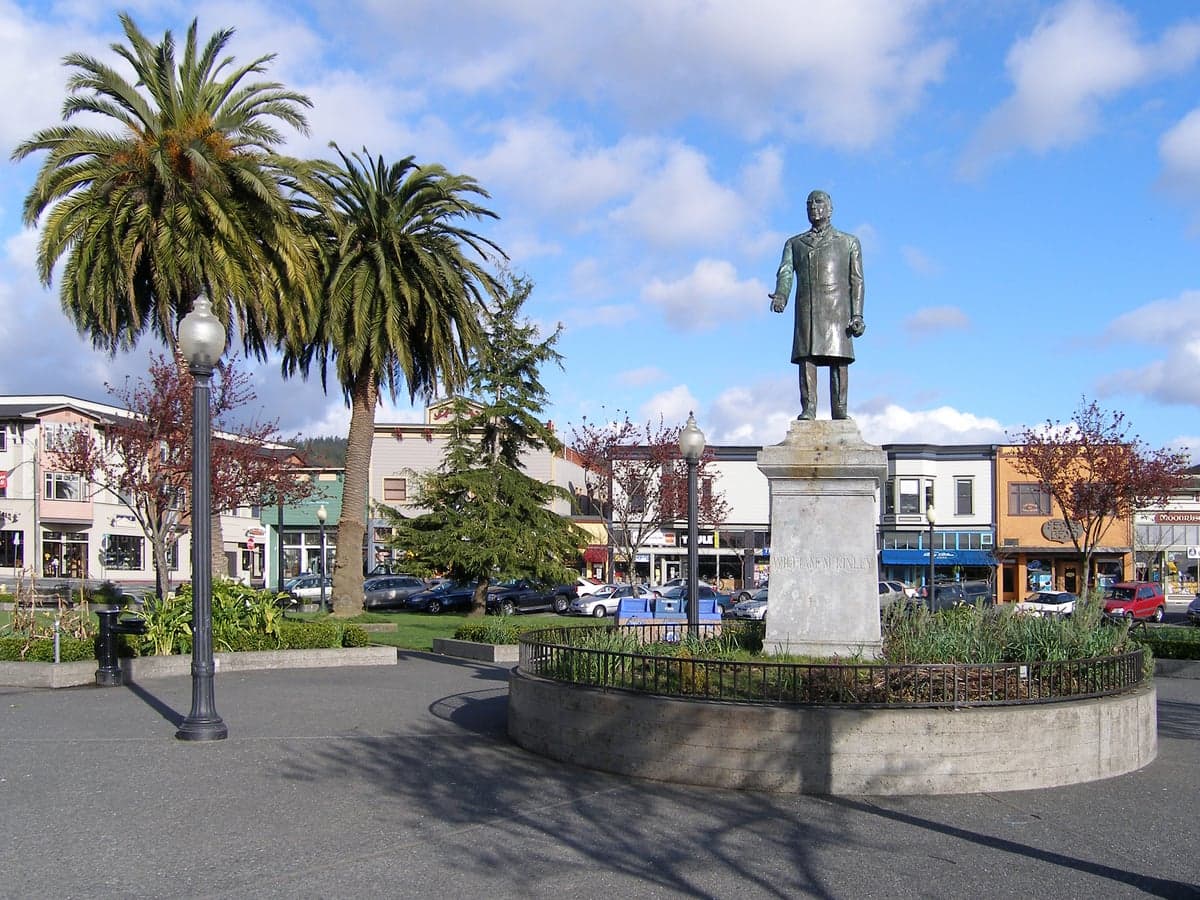
Arcata is a small, fiercely independent college town on California’s far north coast, where redwood forests meet the Pacific and the dominant vibe is equal parts crunchy granola and blue-collar grit. With a population just under 19,000 and a median age of 28, it’s a place where the town’s identity is shaped as much by Humboldt State University (now Cal Poly Humboldt) as by the commercial fishermen and timber workers who’ve been here for generations. If you’re considering a move, you’re looking at a community that prizes sustainability, local food, and political activism—but also one where the cost of living and isolation are real trade-offs.
Daily Rhythm: What People Actually Do
Life in Arcata moves at a slower, more deliberate pace than most of California. The average commute is just 18 minutes, which means most people live, work, and play within a five-mile radius. Mornings often start with a coffee from Northtown Coffee or a breakfast burrito from Los Bagels (a local institution that blends Jewish deli traditions with Humboldt County ingredients). The Saturday morning Arcata Farmers’ Market on the Plaza is the social and commercial hub of the week—locals stock up on organic produce, pasture-raised meats, and artisan bread while catching up with neighbors. It’s the kind of place where you’ll see university professors, carpenters, and retired hippies all standing in the same line for oyster mushrooms.
Weekends are spent outdoors by default. The Arcata Community Forest, a 790-acre old-growth redwood preserve right in town, is crisscrossed with trails that see mountain bikers, dog walkers, and trail runners year-round. The Arcata Marsh & Wildlife Sanctuary, a 307-acre restored wetland, doubles as the city’s wastewater treatment facility—a point of local pride that shows how seriously the town takes environmental innovation. For a more social scene, the Plaza (the central square) fills with students, skateboarders, and families on sunny afternoons, and the bars along G Street—like The Alibi and Humboldt Brews—are where people gather for trivia nights, live bluegrass, and $5 pints of local IPA.
Who Fits In Here (And Who Doesn’t)
Arcata attracts a specific type: people who are comfortable with a lower median income ($48,731) in exchange for a lifestyle rich in natural beauty and community connection. The high percentage of college-educated residents (45.1%) means you’ll find plenty of conversations about environmental policy, sustainable agriculture, and social justice—but also a certain insularity. This is not a place for anyone seeking fast career advancement, luxury shopping, or cultural diversity on the scale of a major metro. The dominant industries are education (Cal Poly Humboldt is the largest employer), healthcare (Mad River Community Hospital), and a scattering of small tech firms and cannabis-related businesses. Families here tend to be intentional about raising kids with outdoor values—the Arcata School District is small but well-regarded, and school events like the Arcata High School Logger sports games are genuinely community-wide gatherings, not just parent drop-offs.
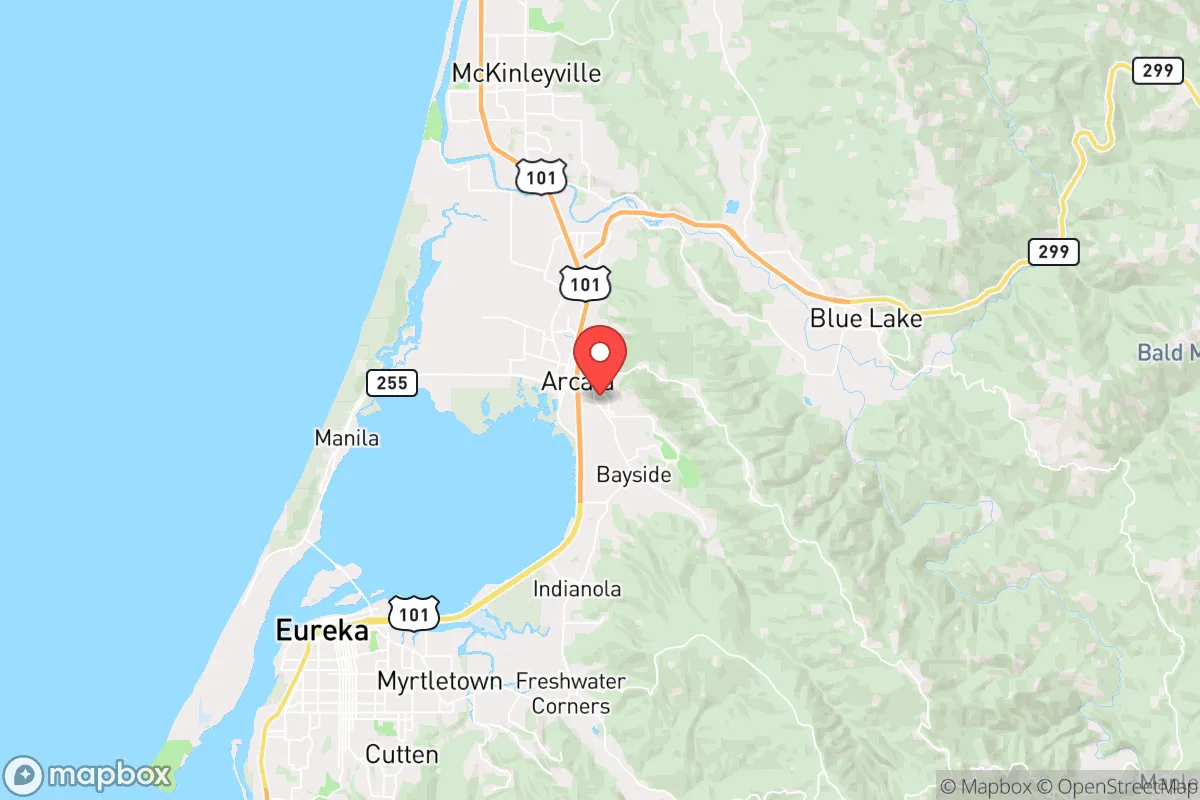
The town’s median home value of $466,600 and cost of living index of 133 (33% above the national average) create a real affordability squeeze, especially for younger residents and service workers. Many people live in shared housing or commute from cheaper areas like McKinleyville or Blue Lake. If you’re coming from a high-cost city like San Francisco or Los Angeles, the housing prices will feel reasonable—but local wages don’t always match.
Sports, Festivals, and the Social Calendar
Sports culture in Arcata is low-key but genuine. The biggest local draw is Cal Poly Humboldt’s athletic teams, particularly men’s and women’s basketball and soccer, which compete in NCAA Division II. Games at Lumberjack Arena draw a mix of students and townies, and the Humboldt Crabs—a collegiate summer baseball team that’s been around since 1945—pack the stands at the Arcata Ball Park from June through August. High school sports, especially football and cross-country, are well-attended and serve as a social anchor for families.
The festival calendar is heavy on music, art, and environmental themes. Humboldt Folklife Festival in June brings free concerts to the Plaza, while Arcata Bay Oyster Festival (also in June) is a messy, delicious celebration of the local aquaculture industry. Kinetic Sculpture Race in May is the town’s most absurd and beloved tradition—human-powered amphibious art vehicles race through the streets, across the beach, and into Humboldt Bay. It’s pure Arcata: weird, creative, and completely unpretentious. For music, Arcata Theatre Lounge and Humboldt Brews host touring indie and jam bands, while the Van Duzer Theatre on campus brings classical and world music.
Pros and Cons of Living Here
What longtime residents love: The immediate access to world-class outdoor recreation—hiking in Redwood National Park, kayaking in Humboldt Bay, and surfing at Moonstone Beach are all within 30 minutes. The strong sense of community, where neighbors actually know each other and people show up for local causes. The food scene punches above its weight for a town this size, with standout spots like Larrupin’ Cafe (comfort food with a gourmet twist) and Renata’s Creperie (a beloved breakfast spot). The climate is mild year-round—rarely above 70°F or below 40°F—though the fog and rain from November through May can wear on newcomers.
What frustrates residents: The violent crime rate of 378.8 per 100,000 is notably higher than the national average (roughly 380 vs. 370), and property crime—especially bike theft and car break-ins—is a persistent annoyance, particularly near the Plaza and campus. The isolation is real: the nearest major city (San Francisco) is a 5-hour drive, and the nearest airport (ACV) has limited direct flights. The local economy is narrow, and career opportunities outside of education, healthcare, and cannabis are scarce. The political monoculture (Arcata is overwhelmingly progressive) can feel stifling for anyone with more moderate or conservative views, though the surrounding county is more mixed.
For a conservative-leaning audience, the practical reality is this: Arcata is a beautiful, functional, and safe-enough town if you’re comfortable being in a liberal bubble. The schools are solid, the outdoor lifestyle is unmatched, and the pace of life is genuinely restorative. But the lack of economic diversity, the high cost of living relative to local wages, and the cultural homogeneity are real factors to weigh. It’s a place best suited for people who know exactly what they want—and don’t mind driving a few hours to get everything else.

Similar towns to Arcata

* Values derived from national, state, county, city and local statistics and may differ in a specific area. Last updated: 2026-10-05T17:08:23.000Z
Narrative content on this page is AI-generated and may contain mistakes. Verify any details that matter before acting on them.
ReloMaps may earn a commission from affiliate links at no extra cost to you.

