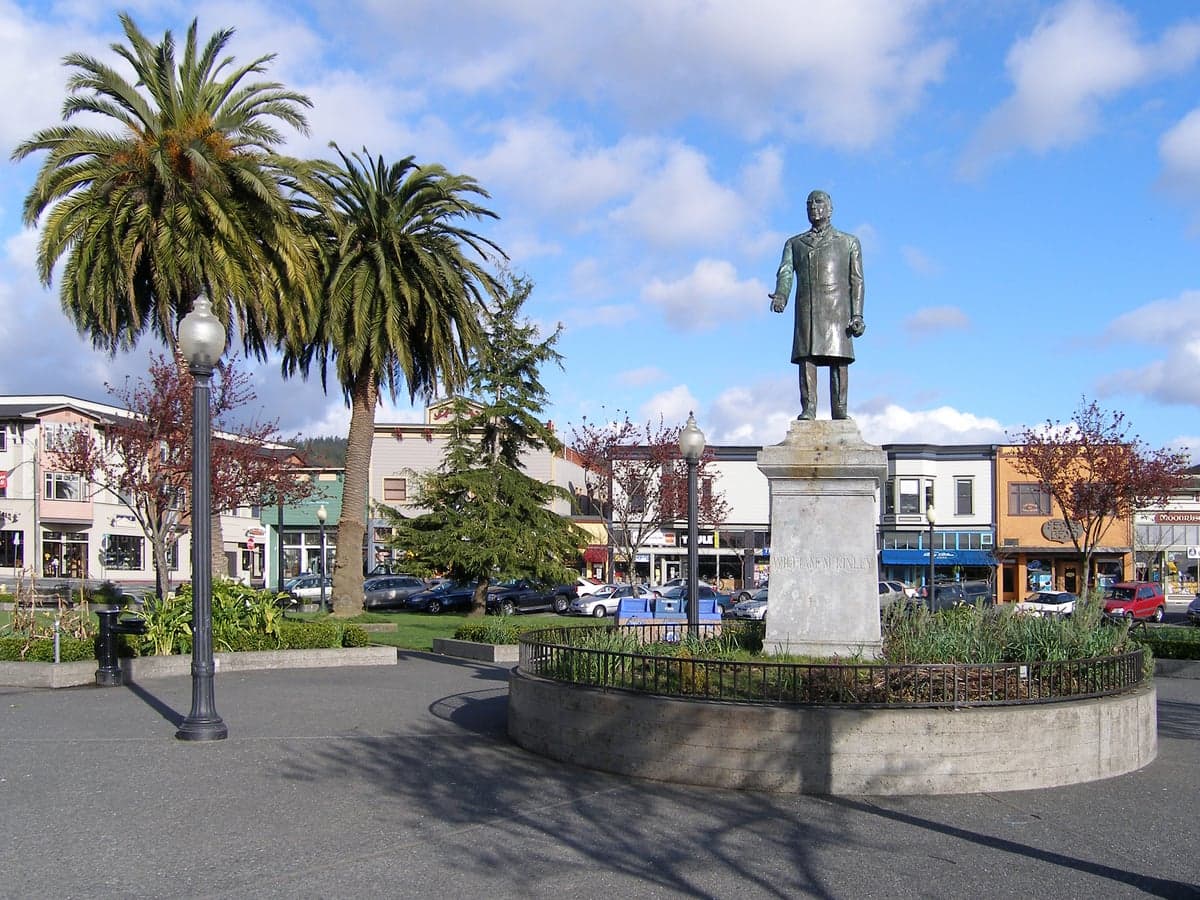
Photo: Wikipedia
Quality of Life in Arcata, CA
A high quality of life with strong walkability, manageable living costs, healthy neighborhood signals, and solid amenity access.
What does Quality of Life tell us?
Quality of Life blends cost of living, nearby amenities, socioeconomic signals, and neighborhood character. City-level scores represent the whole municipality; individual neighborhoods can differ.
What does this tell us?
Quality of Life blends cost of living, nearby amenities, socioeconomic signals, and neighborhood character. City-level scores represent the whole municipality; individual neighborhoods can differ.
Cost of Living
33% above national average
The Real Cost of Living in Arcata, CA for 2026
| Tier | Individual | Family (4) |
|---|---|---|
| Survival | $21k | $39k |
| Comfortable | $70k | $103k |
| Luxury | $88k+ | $136k+ |
| Elite (Top 5%) | $121k+ | $188k+ |
47%
The Area Signal
A metric tracking the socioeconomic signals of the area.
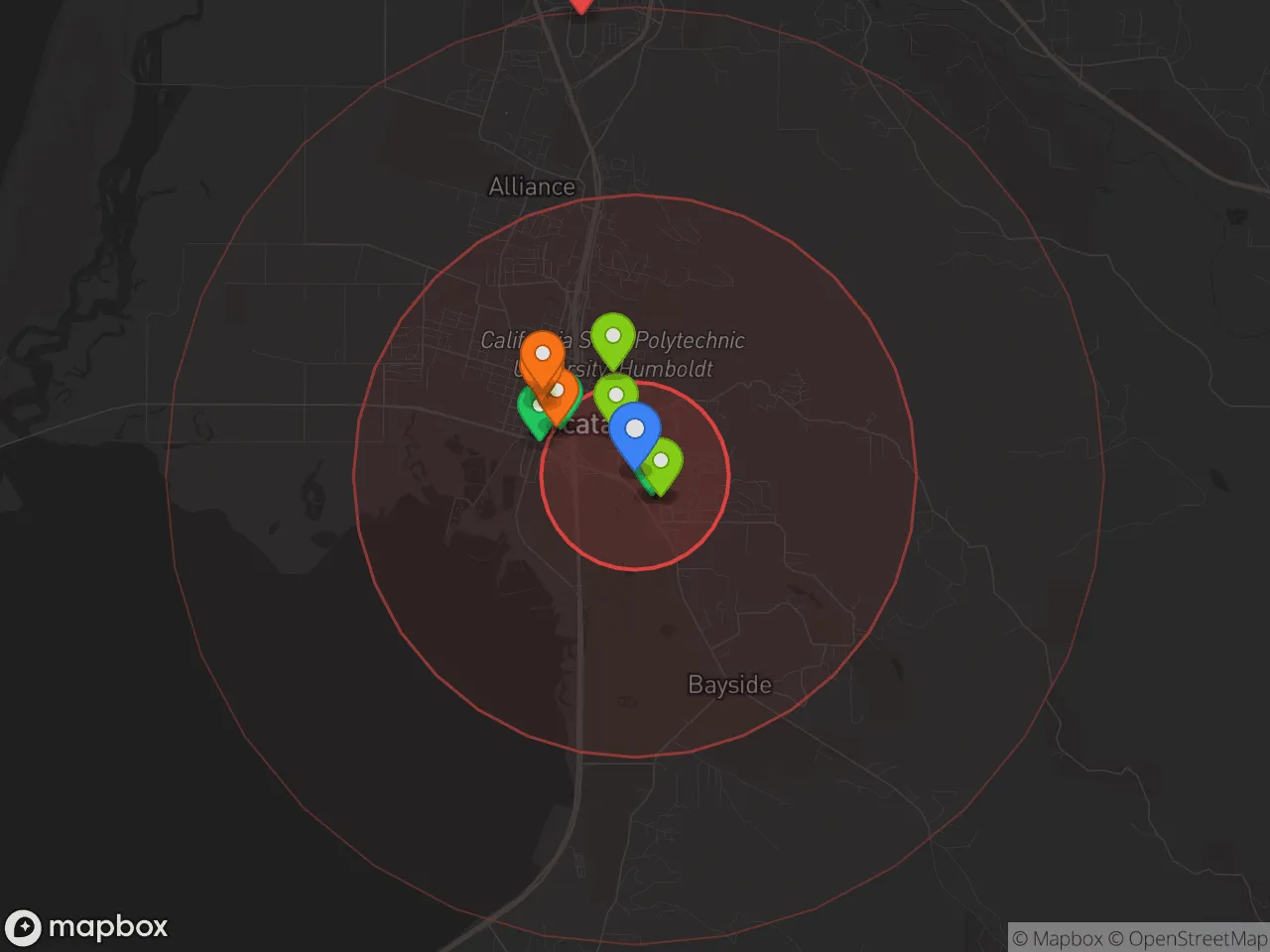
Hobbies
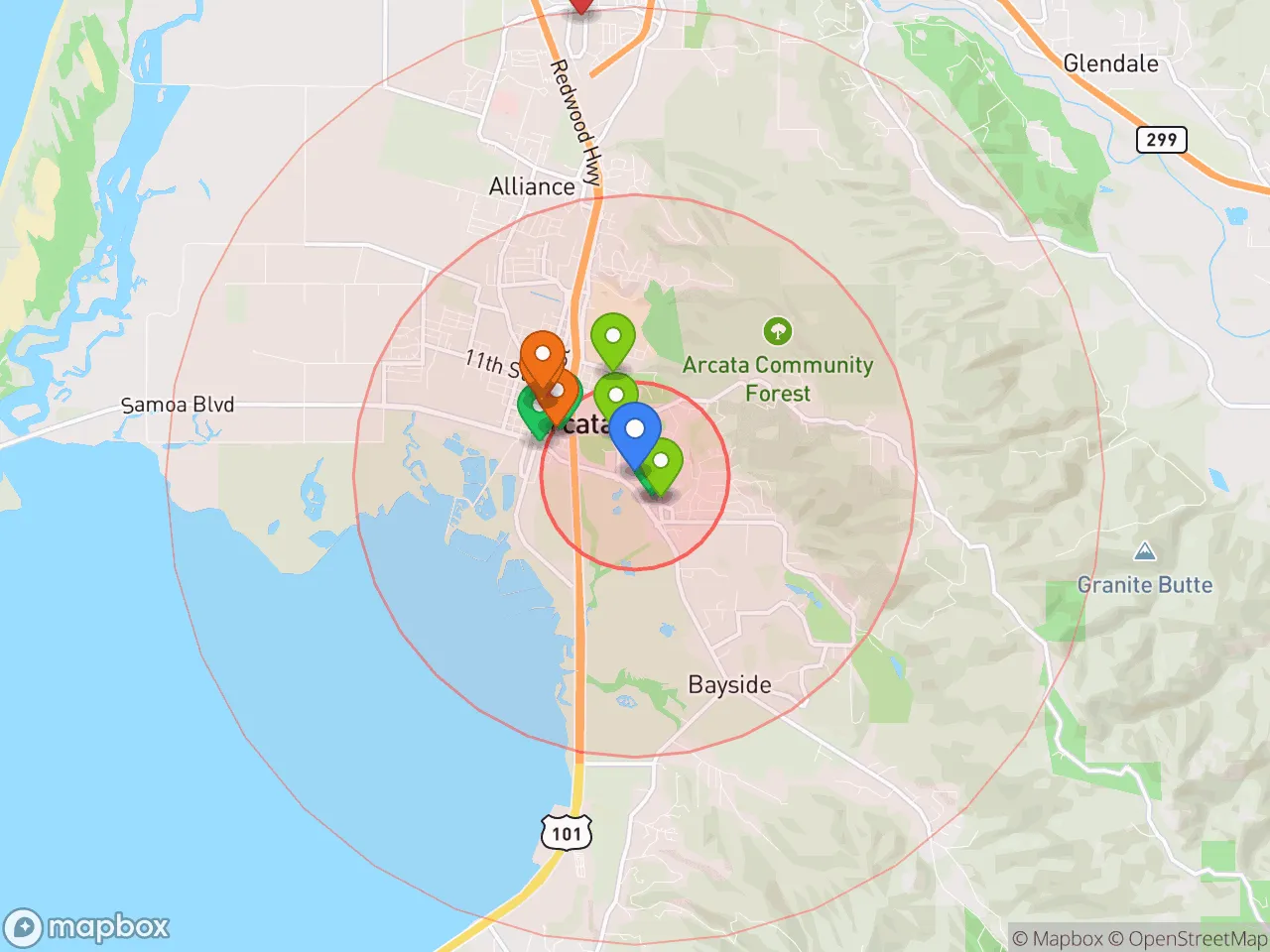
Explore the areaGroceries
5 within 10 miles
Gas
20 within 10 miles
Hospital
5 within 20 miles
Airport
SAN — Oakland San Francisco Bay
Post Office
USPS — Arcata, CA
Critical Amenities
Quality-of-Life Analysis
Arcata, California, presents a distinctive quality-of-life profile shaped by its Humboldt State University (now Cal Poly Humboldt) anchor, a strong environmental ethos, and a cost of living that significantly exceeds the national average. With a cost-of-living index of 133 (where 100 equals the U.S. average), the area attracts a mix of university faculty, students, remote workers, and long-term residents who prioritize coastal redwood forests and a progressive, small-town atmosphere over high salaries. The population skews younger and more educated than the national median, but the local economy—heavily reliant on education, healthcare, and tourism—means affluence is less concentrated than in California's major metro areas.
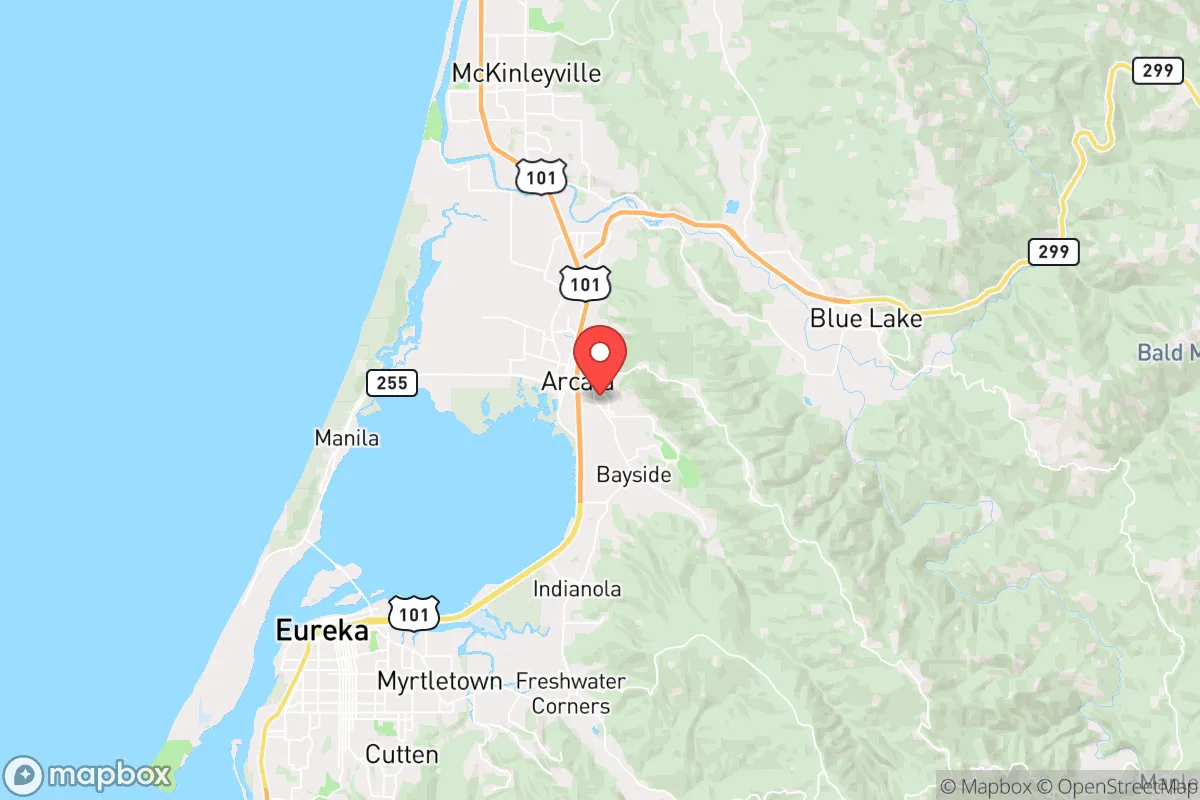
Cost of living, housing affordability, and how Arcata compares to Eureka and McKinleyville
Arcata's housing market is the primary driver of its elevated cost of living. The median home value sits at $466,600, which is roughly 30% higher than neighboring Eureka (where the median is around $360,000) and about 15% higher than McKinleyville. For renters, the median rent of $1,287 is notably lower than the California statewide median of roughly $1,900, but it still represents a significant portion of income for many residents, particularly students and service workers. The average commute time of just over 18 minutes is a major quality-of-life advantage—far shorter than the state average of 30 minutes—and reflects the compact, walkable nature of the town. However, the tight housing inventory and strong rental demand from the university population mean that finding an affordable unit often requires acting quickly or looking in outlying areas like Blue Lake or Bayside. Property taxes, governed by Proposition 13, are generally predictable, but overall monthly housing costs in Arcata consume a higher percentage of local median income than in most of Humboldt County.
Daily life, local amenities, and what makes Arcata unique for families and students
Daily life in Arcata revolves around its pedestrian-friendly downtown plaza, the adjacent redwood forests, and the campus of Cal Poly Humboldt. The city is known for its farmers' market on the plaza (Saturdays year-round), a robust network of bike lanes, and a strong local food scene anchored by restaurants like Renata's Creperie and Los Bagels. For families, the Arcata School District includes highly rated elementary schools like Sunny Brae Middle School, though high school options are limited to Arcata High, which has a solid academic reputation but faces challenges with chronic absenteeism. The Arcata Marsh and Wildlife Sanctuary provides immediate access to birdwatching and walking trails, while the Humboldt Bay National Wildlife Refuge is a 15-minute drive. The city's strict growth boundaries and emphasis on environmental preservation mean that big-box retail is limited—most shopping for major goods requires a 10-minute drive to Eureka. The cultural rhythm is distinctly laid-back, with a strong emphasis on outdoor recreation, live music at venues like The Jam, and community events such as the Kinetic Sculpture Race.
Who thrives in Arcata? The city is best suited for individuals and families who value environmental stewardship, a tight-knit community, and access to nature over career advancement in high-paying industries. It is an excellent fit for Cal Poly Humboldt students and faculty, remote workers with coastal preferences, and retirees who appreciate a mild, foggy climate (average highs in the 60s year-round). Those seeking robust job markets, luxury shopping, or a dry, sunny climate will find Arcata limiting. The combination of a high cost of living relative to local wages, limited housing supply, and a relatively isolated location (a 5-hour drive from San Francisco) means that newcomers should have a clear financial plan and a genuine appreciation for small-town, forested living before making the move.

Crime in Arcata, CA
Generally safer than 61% of comparable U.S. locations.
Violent CrimeViolent Crime Analysis
Property CrimeProperty Crime Analysis
Crime Analysis
Arcata, California, presents a safety profile that warrants careful consideration, particularly for those relocating from more conservative jurisdictions. The city's violent crime rate stands at 378.8 incidents per 100,000 residents, while property crime reaches 1,744.8 per 100,000. These figures place Arcata in a concerning position relative to national averages, a situation compounded by the region's progressive judicial philosophy, which often prioritizes offender rehabilitation over punitive measures, potentially leading to higher recidivism and reduced public safety.
Crime in context
Arcata's violent crime rate is roughly 8% higher than the national average, while its property crime rate exceeds the national figure by approximately 15%. Compared to California's statewide averages, Arcata's violent crime is about 10% lower, but property crime is nearly 20% higher. These statistics reflect a community where theft, burglary, and vehicle break-ins are notably common. The city's proximity to Humboldt State University (now Cal Poly Humboldt) and its status as a regional hub for services contribute to a transient population that can strain local law enforcement resources. More critically, Humboldt County's elected district attorneys and judges have consistently pursued progressive policies, including reduced bail requirements and diversion programs for property offenders, which critics argue embolden repeat criminal activity without adequate accountability.
What residents experience
Daily life in Arcata involves a heightened awareness of property crime. Residents commonly report bicycle theft, package theft from porches, and vehicle break-ins as routine nuisances. The downtown Plaza area and the university campus are particular hotspots for these incidents. Violent crime, while less frequent, includes aggravated assault and robbery, often linked to alcohol consumption near the city's many bars and during events like the annual Kinetic Sculpture Race. The Humboldt County Sheriff's Office and Arcata Police Department are generally responsive, but their effectiveness is constrained by a justice system that frequently releases non-violent offenders on citation or low bail, a direct consequence of local progressive policies. This creates a cycle where known property criminals cycle through the system with minimal deterrence, directly impacting victims' sense of justice and safety.
Neighborhood-level variation
Safety in Arcata varies significantly by neighborhood. The Sunny Brae area, with its single-family homes and quieter streets, generally experiences lower crime rates. In contrast, the Valley West neighborhood, which includes student-heavy apartment complexes and the Bayshore Mall area, sees higher rates of property crime and occasional violent incidents. The Arcata Bottom (the area near the marsh and industrial zone) has a reputation for drug-related activity and vagrancy. For those considering relocation, focusing on properties north of 14th Street or in the Sunny Brae corridor offers a statistically safer environment, though no area is immune from the broader crime trends driven by the region's lenient judicial approach.
* Values derived from national, state, county, city and local statistics and may differ in a specific area. Last updated: 2026-10-05T17:08:23.000Z
Narrative content on this page is AI-generated and may contain mistakes. Verify any details that matter before acting on them.
ReloMaps may earn a commission from affiliate links at no extra cost to you.

