Photo: Wikipedia
Find The Best Places To Live
in Ridgecrest
PRO TIP! You can paste a Zillow or Redfin link to get info on that property.
What It's Like Living in Ridgecrest, CA
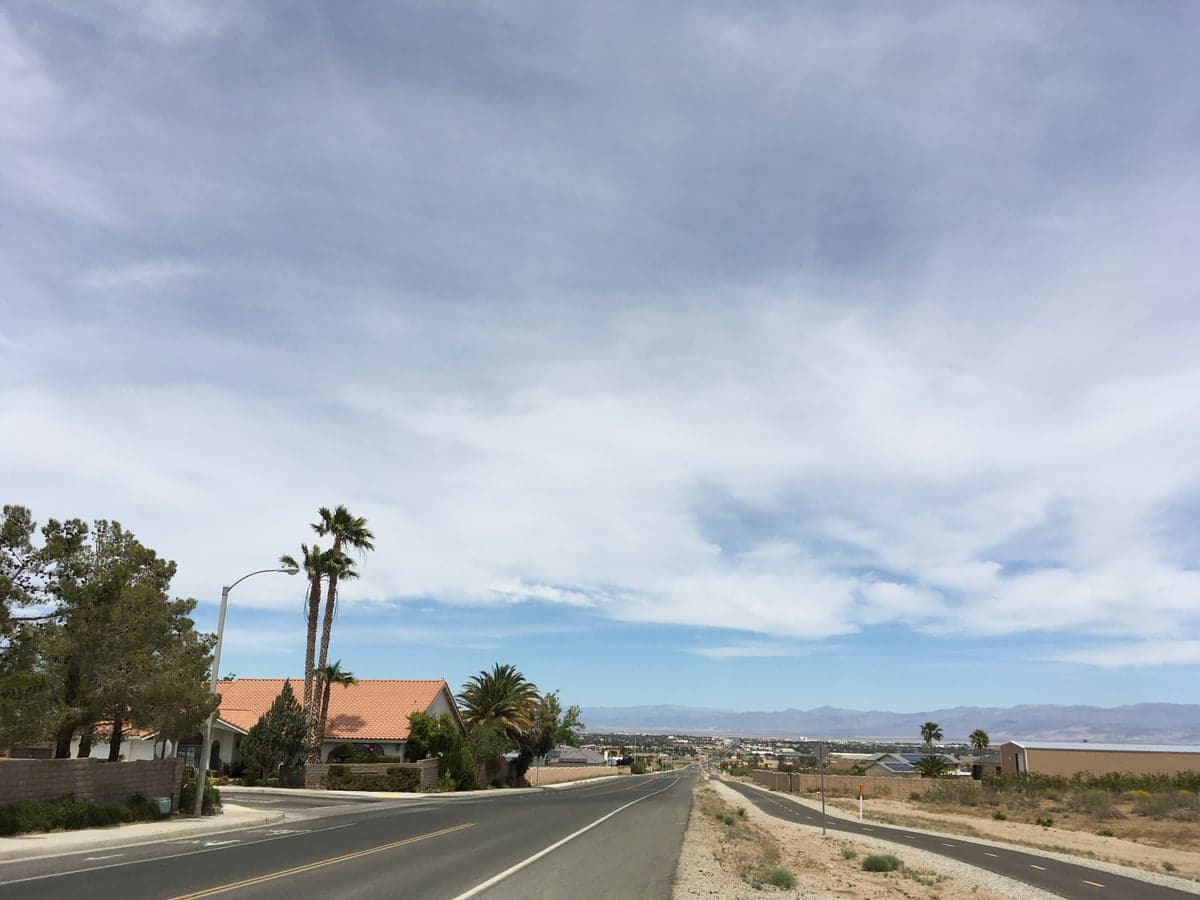
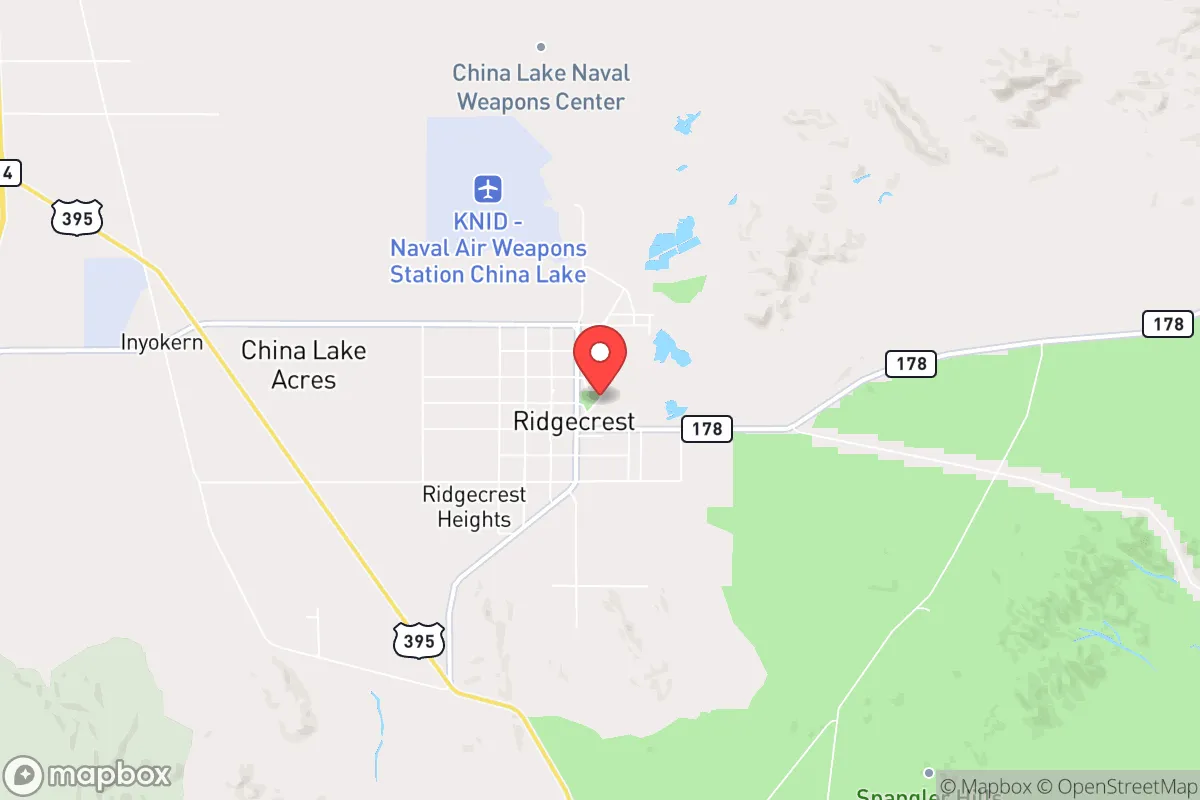
Ridgecrest, California, is a high-desert town that feels like it was built for people who want a quiet, affordable life within striking distance of serious adventure. With a population just over 28,000, it’s the kind of place where the local high school football game is the Friday night event, and the biggest employer—Naval Air Weapons Station China Lake—gives the whole community a stable, blue-sky, patriotic vibe. If you’re looking for a California that’s more about open space and a slower pace than coastal glitz, Ridgecrest might surprise you.
Daily Rhythm: What People Actually Do
Life in Ridgecrest moves at a deliberate, unhurried pace. The average commute is just under 16 minutes, so most people are home well before the dinner hour. Weekends often start with a trip to the Ridgecrest Farmers Market on Norma Street, then a hike or off-road ride in the nearby Searles Valley or the El Paso Mountains. The median age is 34.8, and the median household income sits at $88,107—comfortable enough that families and singles alike can afford a home (median value $235,800) without the crushing debt seen in coastal California. The cost of living index is 94, meaning your dollar goes further here than in most of the state.
Dining out is a modest affair. Locals swear by Birria El Compita for tacos and Pizza Factory for a casual night out. For a drink, Maturango Brewing Company is the de facto social hub—a no-frills taproom where engineers from the base mingle with dirt bikers. There’s no nightclub scene; the bars are more about pool tables and conversation. Shopping is limited to big-box stores like Walmart and a few local shops; for anything major, people drive an hour to Bakersfield or Lancaster.
Sports, Community, and the Base Factor
High school sports are a big deal here. Burroughs High School football games draw a real crowd, and the Burroughs-Stafford rivalry is the highlight of the fall. There’s no pro or college team within 100 miles, so the community rallies around the Burros and the local little league. The base’s presence means a steady influx of military and civilian defense workers, which keeps the town feeling younger and more transient than its population might suggest—about 31.7% of adults hold a bachelor’s degree, many in STEM fields tied to China Lake’s weapons testing.
The biggest annual event is the Ridgecrest Petroglyph Festival, held each fall at the Maturango Museum. It celebrates the ancient rock art of the Coso Range, one of the densest concentrations of petroglyphs in North America. It’s a quirky, family-friendly affair with Native American dancing, food vendors, and guided tours to the sites. The other major draw is the China Lake Air Show (when it runs), which brings in Blue Angels or Thunderbirds and turns the whole town into a parking lot for a weekend.
What’s There to Do—and What’s Missing
Outdoor recreation is the main event. The Alabama Hills (famous for movie filming locations) are about 45 minutes north, and the Sierra Nevada foothills are an hour away. Hiking, rockhounding, and off-roading are the default weekend activities. The Ridgecrest Desert Tortoise Natural Area is a protected habitat where you can see the state reptile in the wild. For a quieter day, the Maturango Museum has solid exhibits on local geology and Native American history.
What’s missing? Entertainment beyond the basics. There’s one movie theater (the Ridgecrest Cinemas), no live music venue to speak of, and no major shopping mall. The nearest Target is 70 miles away. The violent crime rate is 558.5 per 100,000—higher than the national average, and something locals will mention as a concern, though it’s concentrated in specific areas. Property crime is more common, so locking cars and securing bikes is standard practice.
Pros and Cons of Living Here
- Pros: Affordable housing by California standards ($235,800 median home value); short commutes (under 16 minutes); strong sense of community centered on the base and schools; world-class outdoor access to the Sierra Nevada and Mojave Desert; low cost of living (94 index).
- Cons: Limited dining and shopping options; extreme summer heat (regularly above 100°F from June to September); high violent crime rate relative to population; isolation—nearest major city is Bakersfield (1 hour) or Los Angeles (3 hours); few entertainment or cultural amenities for singles without outdoor hobbies.
The weather is a defining factor. Summers are brutally hot and dry, with temperatures often hitting 110°F. Winters are mild and pleasant, with occasional snow dustings on the nearby peaks. Spring and fall are short but gorgeous—perfect for camping. Schools are a community anchor; Burroughs High School and Murray Middle School are well-regarded, and the district benefits from base funding and parent involvement.
The kind of person who fits in here is someone who values peace and quiet over nightlife, who doesn’t mind driving an hour for a concert or a Costco run, and who sees the desert not as barren but as beautiful. It’s a good fit for defense contractors, remote workers, and families who want a yard and a garage without a million-dollar mortgage. Singles without a strong outdoor streak might find it lonely—but for the right person, Ridgecrest is a hidden gem in the high desert.

Similar towns to Ridgecrest

* Values derived from national, state, county, city and local statistics and may differ in a specific area. Last updated: 2026-10-03T14:21:37.000Z
Narrative content on this page is AI-generated and may contain mistakes. Verify any details that matter before acting on them.
ReloMaps may earn a commission from affiliate links at no extra cost to you.

