Photo: Wikipedia
Find The Best Places To Live
in Madera
PRO TIP! You can paste a Zillow or Redfin link to get info on that property.
What It's Like Living in Madera, CA
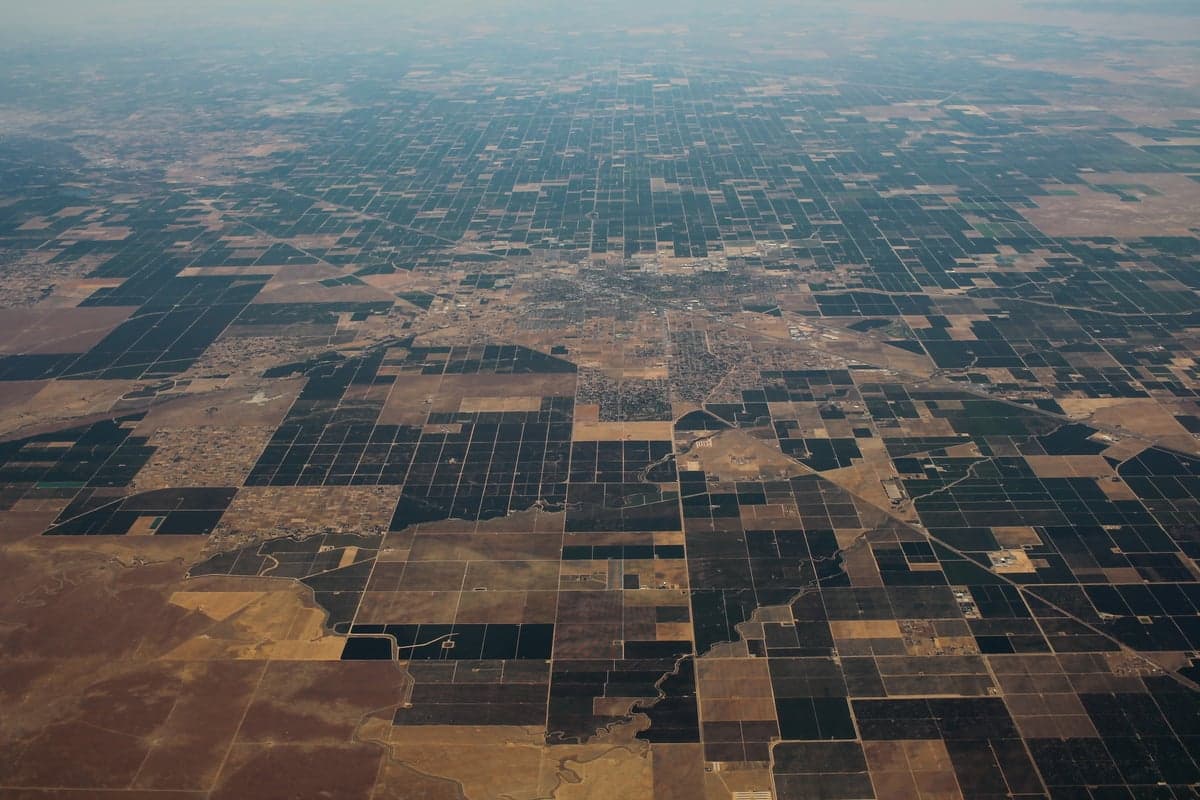
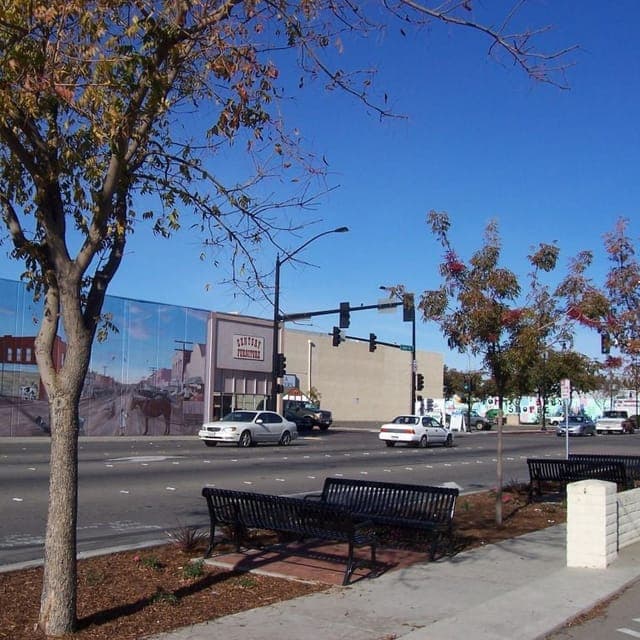
Madera, California, sits in the Central Valley with a small-city feel that’s more about hard work and family than flash. It’s a place where you’ll see the same folks at the grocery store and high school football games are a genuine Friday night event, not just something to do. The vibe is down-to-earth and agricultural, with a growing Latino majority shaping the culture, but it’s also a community that feels the squeeze of California’s costs without the coastal glamour.
Daily Rhythm: Work, Commute, and Weekend Routines
Life in Madera moves at a steady, unhurried pace. The median age is just 30.4, so you’ll find a lot of young families and workers in their prime. A typical weekday means a commute that averages about 26.5 minutes—not terrible for the Valley, but many residents drive north to jobs in Fresno (about 25 miles) or south to the massive Amazon and logistics centers in the region. Agriculture is still king here; you’ll see almond orchards and vineyards right at the city’s edge, and a good chunk of the workforce is tied to farming, packing, or food processing. Weekends often revolve around home projects, kids’ soccer games at Lions Town & Country Park, or a trip to the Madera Marketplace for shopping. Dining out leans toward reliable chains and family-run Mexican spots like El Ranchito or Taqueria La Estrella—nothing fancy, but the carnitas are legit. The cost of living index sits at 111 (above the US average), so while housing is cheaper than coastal California, it’s not cheap. The median home value is $335,900, which feels steep for the area’s income levels—median household income is $63,619—so many residents rent or live in older homes.
Sports, Community Pride, and What People Actually Do for Fun
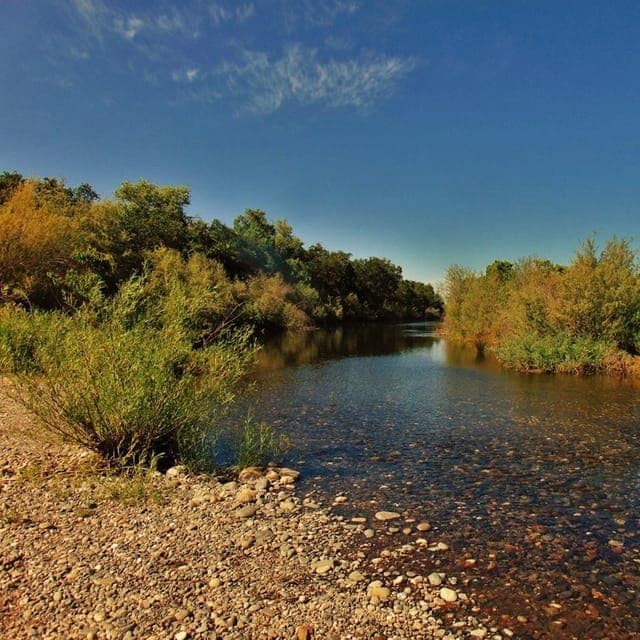
High school sports are the main event here. Madera High School’s Coyotes and Madera South’s Stallions draw big crowds for Friday night football, and the rivalry is genuine—people take sides. There’s no pro team in town, but you’ll see plenty of San Francisco Giants and 49ers gear, with a smattering of Raiders fans. For entertainment beyond the bleachers, the Madera County Fair in May is a big deal—think carnival rides, livestock shows, and local bands. The Madera Wine Trail is a quieter draw, with a handful of tasting rooms in the nearby countryside. Outdoor life is simple: the San Joaquin River offers fishing and kayaking spots, and the Sierra National Forest is about an hour east for hiking and camping. For music or nightlife, most people drive to Fresno for concerts at the Save Mart Center or bars in the Tower District. Madera itself has a few dive bars like The Office Lounge and El Toro Bar—fine for a beer after work, but not a scene.
Pros and Cons of Living in Madera
Longtime residents love the sense of community and the slower pace. You can still get to know your neighbors, and the cost of housing, while high for the Valley, is a fraction of what you’d pay in the Bay Area or Los Angeles. The Madera Unified School District is a focal point—school events are community events, and parents are involved. But there are real frustrations. The violent crime rate is 431.5 per 100,000, which is notably higher than the national average (around 380) and something you hear about in local chatter—property crime and gang activity are concerns, especially in certain neighborhoods. The weather is another trade-off: summers are brutally hot, often topping 100°F from June through September, with air quality that can be poor due to agricultural dust and valley inversion. Winters are mild and foggy. The lack of college-educated residents (10.3%) means fewer white-collar job options locally, so many commuters or remote workers feel a bit isolated from that kind of scene. The city’s population of 67,133 is big enough to have a Walmart and a Costco, but small enough that you’ll run out of new restaurants to try pretty quickly.
Who Fits In Here—and Who Might Not
Madera works best for people who value affordability over amenities and don’t mind a bit of grit. It’s a fit for young families who want a yard and a slower pace without the sticker shock of the coast, or for agricultural workers and tradespeople who have steady local jobs. Singles might find it quiet unless they’re deeply into outdoor sports or don’t mind driving to Fresno for social life. The cultural identity is strongly tied to the area’s agricultural roots and a growing Latino community—you’ll hear Spanish everywhere, and the Madera Mercado farmers market is a weekly hub. The city’s motto, “The Heart of the Valley,” rings true in the sense that it’s unpretentious and neighborly. But if you’re looking for a vibrant downtown, craft cocktail bars, or a highly educated peer group, this isn’t it. It’s a place where people work hard, raise kids, and enjoy the simple things—and that’s exactly what draws them here.

Similar small cities to Madera


* Values derived from national, state, county, city and local statistics and may differ in a specific area. Last updated: 2026-09-19T04:53:43.000Z
Narrative content on this page is AI-generated and may contain mistakes. Verify any details that matter before acting on them.
ReloMaps may earn a commission from affiliate links at no extra cost to you.

