Photo: Wikipedia
Find The Best Places To Live
in Union City
PRO TIP! You can paste a Zillow or Redfin link to get info on that property.
What It's Like Living in Union City, CA
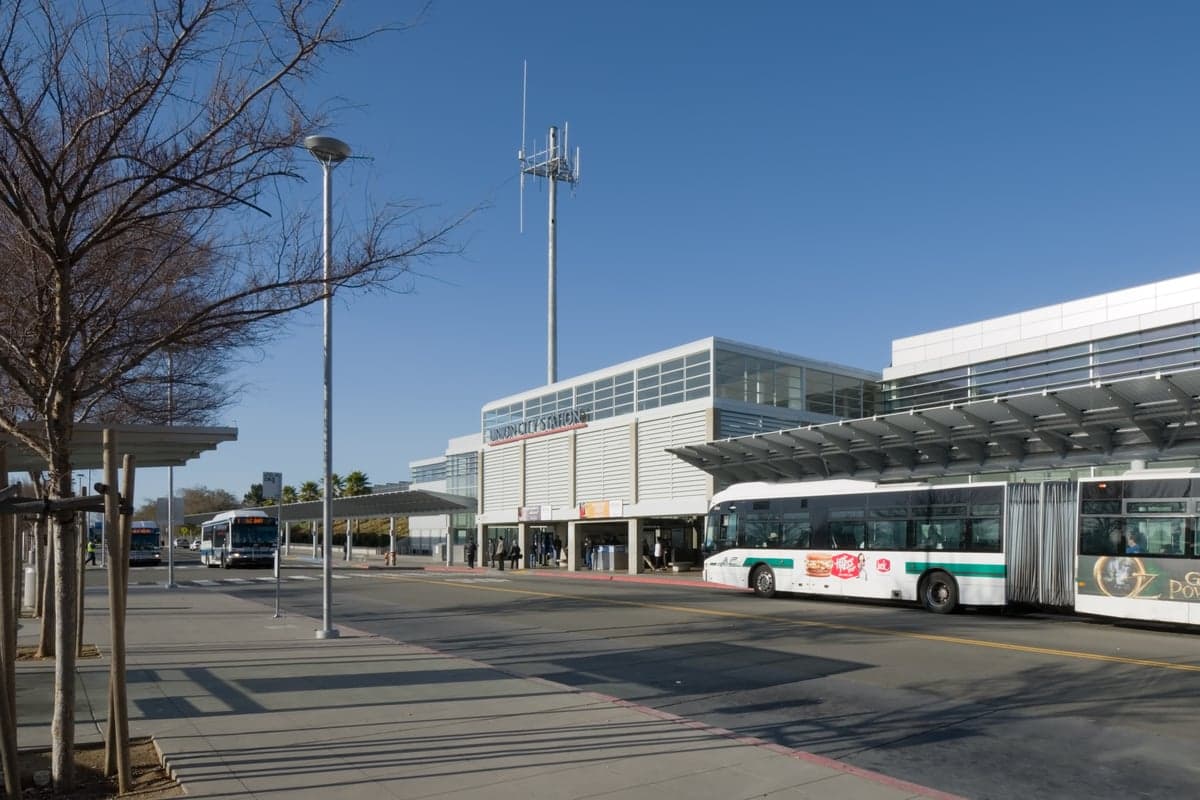
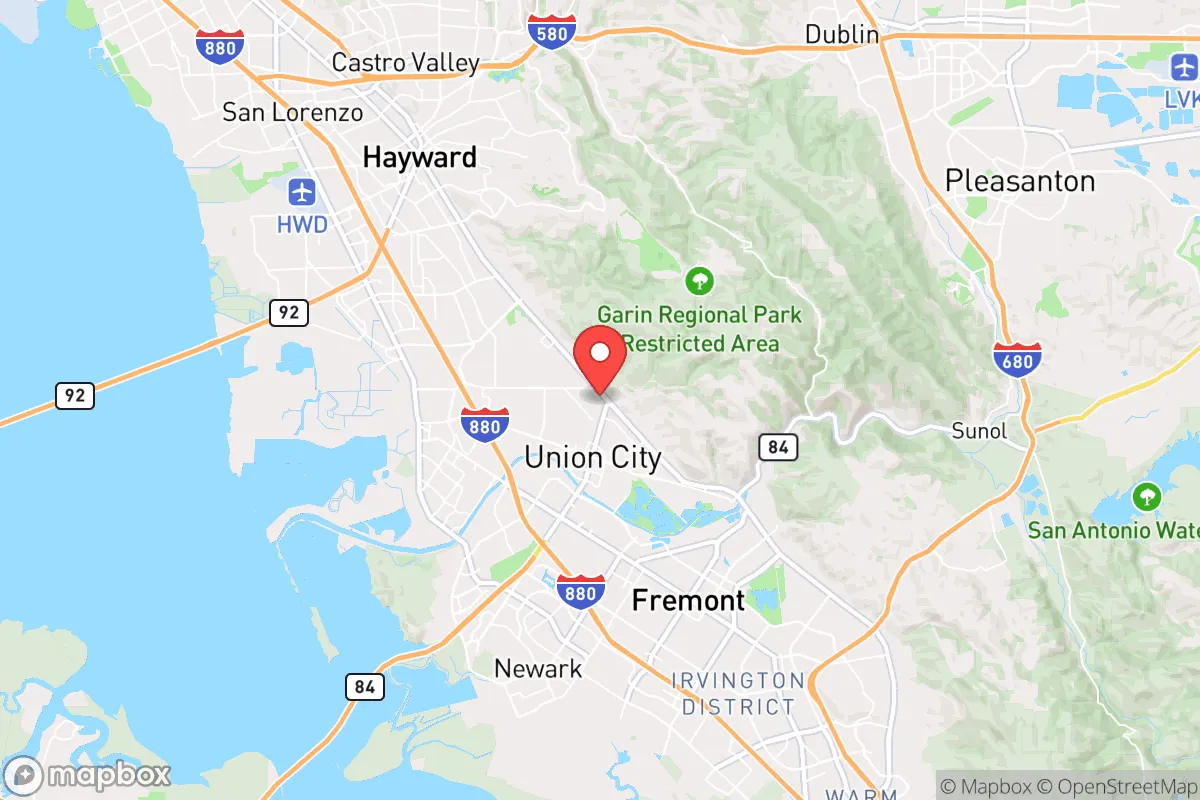
Union City, California, is the kind of place that doesn’t try to impress you with flash, but wins you over with sheer practicality. Wedged between Fremont and Hayward in the southern stretch of the Bay Area, it’s a community of about 68,000 people who largely chose it for the same reason: a slightly more attainable slice of the California dream, where the median household income hovers around $137,000 and the streets feel safer than the regional average. It’s not a destination city; it’s a home base, and that’s precisely the point.
The Daily Rhythm: Commuters, Quiet Streets, and a Real Sense of Home
Ask anyone here what a typical Tuesday looks like and you’ll hear about the commute before anything else. The average one-way trip clocks in at just under 33 minutes, which is par for the course in the East Bay, but the trade-off is that you get to come home to a place that actually feels like a neighborhood. The BART station on Decoto Road is the lifeline for many, whisking workers into San Francisco or Oakland without the soul-crushing drive. For those who do drive, Interstate 880 is the main artery, and yes, it backs up — but residents will tell you it’s nothing compared to the 101 or the 680.
Weekends here are refreshingly low-key. You’ll see families loading up at the Union City Farmers Market on Sundays, grabbing produce and fresh flowers before heading to one of the city’s many parks. The Alameda Creek Trail is the unofficial weekend gathering spot, a flat, paved path that snakes along the water and fills with cyclists, joggers, and parents pushing strollers. For a quick bite, locals are fiercely loyal to the taquerias and pho shops scattered along Alvarado Boulevard — this is a city with deep Filipino, Vietnamese, and Mexican roots, and the food scene reflects that beautifully. It’s not Michelin-star dining; it’s the kind of food you crave on a random Wednesday.
Who Fits In Here: Families, First-Time Buyers, and the Priced-Out of Palo Alto
Union City is, at its core, a family town. The median age is 42.1, which tells you this isn’t a magnet for recent college grads looking for nightlife; it’s a place where people settle down. About 45% of residents hold a four-year degree, and the workforce skews heavily toward tech, healthcare, and education — folks who work in the innovation economy but want a backyard and a decent school district when they come home. If you’re a single professional in your twenties, you might find it a bit sleepy. If you’re a couple with kids, or planning to have them, this place starts to make a lot of sense.
The biggest hurdle is the price of admission. The median home value sits at a staggering $1,058,200, and the cost of living index is 290 — nearly triple the national average. That’s the brutal reality of the Bay Area, and Union City isn’t immune. However, compared to Palo Alto or Mountain View, where similar homes run 50% higher, Union City feels like a relative bargain. It’s the classic “drive until you qualify” solution, and many residents made that exact calculation.
Sports, Community, and the Local Identity
There’s no major professional franchise in Union City, and nobody pretends otherwise. The sports loyalty here is split — you’ll see 49ers flags and Warriors jerseys in equal measure, with a healthy dose of Giants gear mixed in. What Union City lacks in pro sports, it makes up for in high school pride. James Logan High School is the heart of the community, and Friday night football games in the fall are a genuine social event. The Colts have a strong tradition, and the stands are packed with alumni, parents, and neighbors who’ve lived here for decades. It’s the kind of small-town ritual you don’t expect to find 30 miles from San Francisco.
The city’s identity is also shaped by its diversity. The annual Union City International Festival, held each summer, is a genuine highlight — a celebration of the Filipino, Indian, Chinese, and Latino cultures that make up the fabric of the town. It’s not a corporate-sponsored spectacle; it’s a community potluck on a grand scale, with dance performances, food stalls, and families sprawled on blankets. That’s Union City in a nutshell: unpretentious, multicultural, and deeply rooted in its own traditions.
The Honest Pros and Cons of Calling Union City Home
Let’s be straight about the trade-offs. On the plus side, the crime rate, while not negligible, is manageable. The violent crime rate of 453.3 per 100,000 residents is higher than the national average, but it’s concentrated in specific pockets, and most residents will tell you they feel safe walking their dogs at night. The schools — particularly the New Haven Unified School District — are a major draw, with strong parent involvement and a genuine sense of community investment. And the location is hard to beat: you’re 20 minutes from the tech campuses of Fremont, 30 minutes from Oakland, and a straight shot to the Peninsula.
On the downside, the cost of living is the elephant in the room. That $1 million median home price means most newcomers are looking at condos or townhouses, and rent isn’t much kinder. The summer fog that blankets San Francisco rarely makes it this far inland, so summers are genuinely hot — think 80s and 90s — which is great for the pool, less great for your AC bill. And while the commute is manageable, it’s never fun. The 880 corridor can be a parking lot by 7:30 a.m., and there’s no way around it.
Union City isn’t for everyone. If you want urban energy, late-night bars, and a constant calendar of events, you’ll be bored. But if you want a safe, diverse, family-oriented community with good schools, decent weather, and a commute that won’t destroy your soul, it’s one of the smartest moves left in the Bay Area. It’s a place that rewards patience and practicality — and for the people who live here, that’s exactly the point.

Similar small cities to Union City

* Values derived from national, state, county, city and local statistics and may differ in a specific area. Last updated: 2026-09-05T18:01:00.000Z
Narrative content on this page is AI-generated and may contain mistakes. Verify any details that matter before acting on them.
ReloMaps may earn a commission from affiliate links at no extra cost to you.

