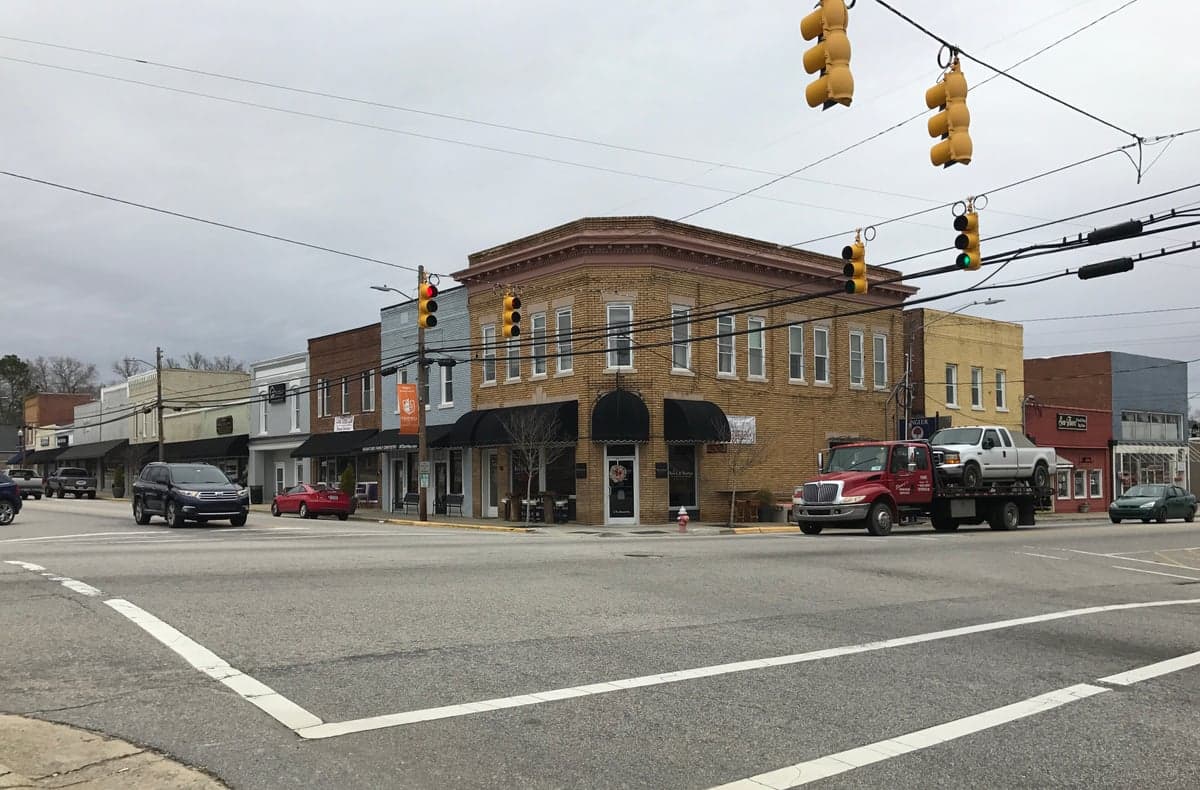
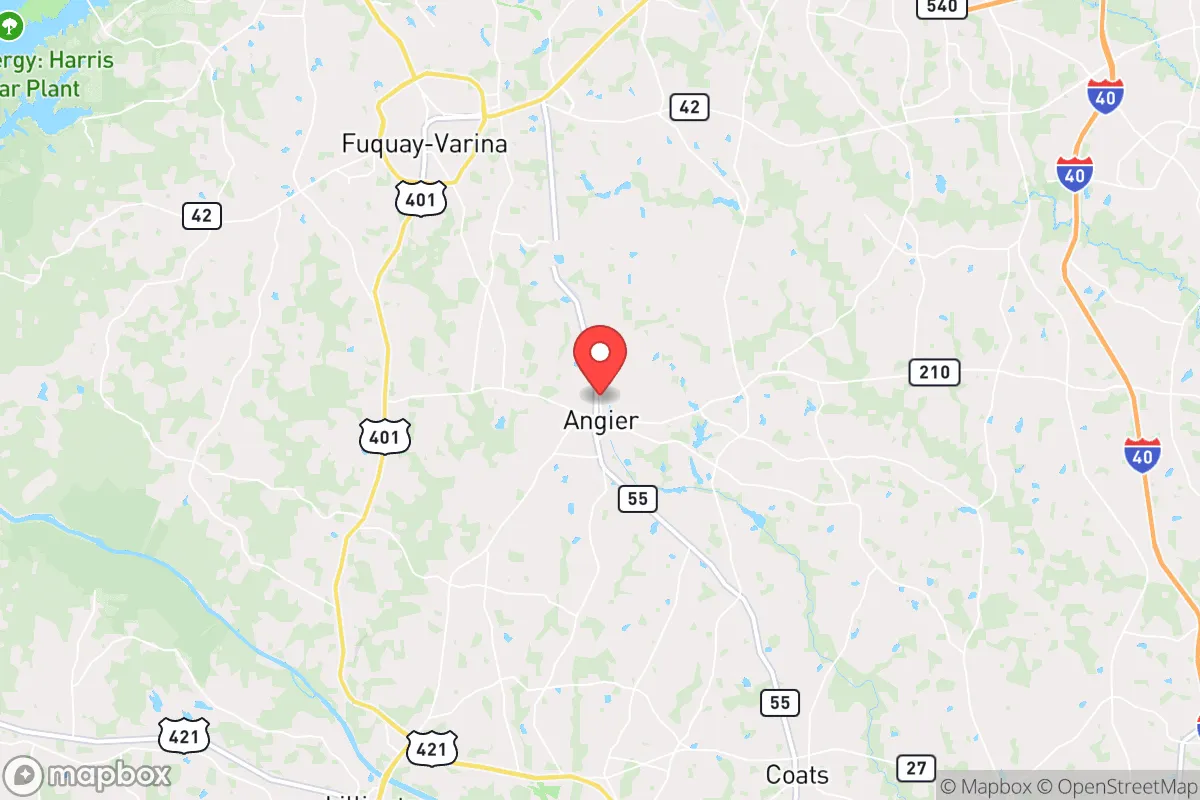
Photo: Wikipedia
Find The Best Places To Live
in Angier
PRO TIP! You can paste a Zillow or Redfin link to get info on that property.
What It's Like Living in Angier, NC
Angier, North Carolina, feels like one of those places where everybody knows your name before you’ve finished your first sweet tea at the local diner. With a population just shy of 5,800, it’s a small town that’s close enough to the Triangle to feel connected but far enough to keep its own quiet rhythm. People here tend to be practical, family-focused, and a little skeptical of rapid change—which makes sense for a community where the median home value sits at a reasonable $236,100 and the cost of living index is 18 percent below the national average.
The Daily Rhythm and Who Fits In
Life in Angier moves at a pace that suits folks who value time over hustle. The average commute clocks in at about 25 minutes, which means most residents work in nearby hubs like Raleigh, Holly Springs, or Fuquay-Varina but come home to a place where front-porch conversations still happen. The median age here is 40, and the median household income is $51,162—numbers that point to a mix of established blue-collar families and younger couples starting out. You’ll see people grabbing groceries at the local Food Lion, grabbing a bite at Mama Bird’s for Southern comfort food, or heading to Angier Hardware for a Saturday project. The kind of person who thrives here isn’t looking for a nightlife scene or a trendy coffee shop; they’re looking for a safe place to raise kids, a yard to maintain, and neighbors who’ll help jump-start a car in January.
Sports, Community, and What People Actually Do
High school sports are the main event in Angier. Harnett Central High School (just a few miles up the road) and Angier Elementary games draw real crowds on Friday nights—think concession stands, booster clubs, and parents who’ve been coming since they were students themselves. There’s no pro team in town, but you’ll find plenty of folks wearing Carolina Panthers or UNC Tar Heels gear on game days. For outdoor life, Raven Rock State Park is a 20-minute drive and offers solid hiking along the Cape Fear River, while Angier Community Park has walking trails, baseball fields, and a splash pad that’s packed with kids in the summer. The big annual event is the Angier Heritage Days Festival in the fall, which brings a parade, craft vendors, and a barbecue competition that locals take seriously. Music venues are basically nonexistent—if you want live bands, you’re driving to Raleigh or Durham, about 30 minutes north.
The Honest Pros and Cons of Living Here
Let’s start with what longtime residents love. The cost of living is genuinely low—a median home value of $236,100 gets you a three-bedroom house with a yard in a neighborhood where kids still ride bikes in the street. The violent crime rate of 186.9 per 100,000 is below the national average, and most people feel safe walking their dogs after dark. Traffic is almost nonexistent by Triangle standards; the worst you’ll face is a five-minute backup on NC-55 during school pickup. On the flip side, the lack of amenities frustrates many. Only about 27 percent of adults hold a college degree, which reflects a limited local job market—most professional work requires that 25-minute commute. Dining options are thin: you’ve got a handful of fast-food chains, a Mexican spot, and a couple of Southern meat-and-three places, but nothing you’d call a destination restaurant. The weather is classic North Carolina—hot, humid summers with afternoon thunderstorms, mild winters with the occasional ice storm that shuts things down for a day. Schools are a mixed bag; Harnett County Schools serve the area, and while Angier Elementary has a decent reputation, high school options are average compared to Wake County’s top-tier districts.
Cultural Quirks and Practical Realities
One thing you’ll notice quickly: Angier is proud of its small-town identity. There’s a “no stoplight” charm to the downtown area, where the main intersection is a four-way stop and the biggest building is the old train depot. The town’s motto might as well be “we’re not Raleigh,” and that’s a point of pride for people who moved here to escape the sprawl. But that also means you’ll drive 15 minutes for a Walmart or a decent hardware store. Seasonal rhythms are dictated by school calendars and church schedules—Wednesday night suppers and Sunday morning services are still a big deal. If you’re single and under 30, you’ll probably feel the lack of social outlets; most social life revolves around families, sports, or church groups. For families, though, the trade-off is clear: a slower pace, lower costs, and a community where your kid’s teacher lives two streets over. Angier isn’t for everyone, but for the right person—someone who values space, safety, and simplicity over convenience and culture—it’s a solid place to put down roots.

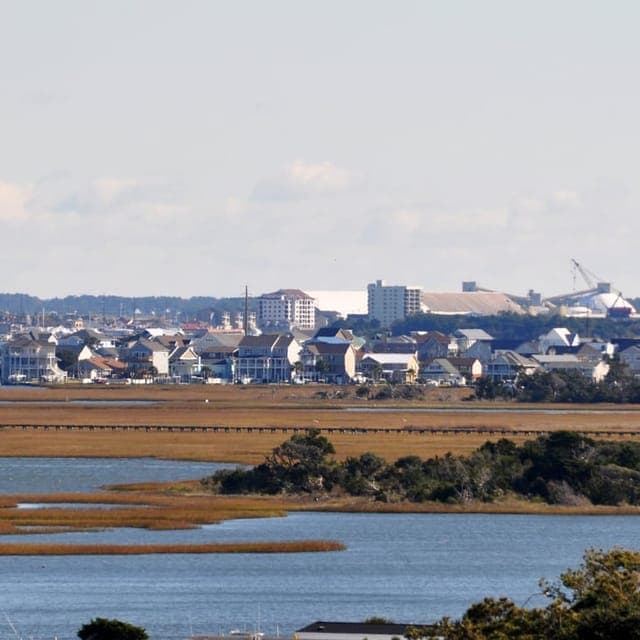
Similar small towns to Angier

* Values derived from national, state, county, city and local statistics and may differ in a specific area. Last updated: 2026-10-09T15:44:37.000Z
Narrative content on this page is AI-generated and may contain mistakes. Verify any details that matter before acting on them.
ReloMaps may earn a commission from affiliate links at no extra cost to you.

