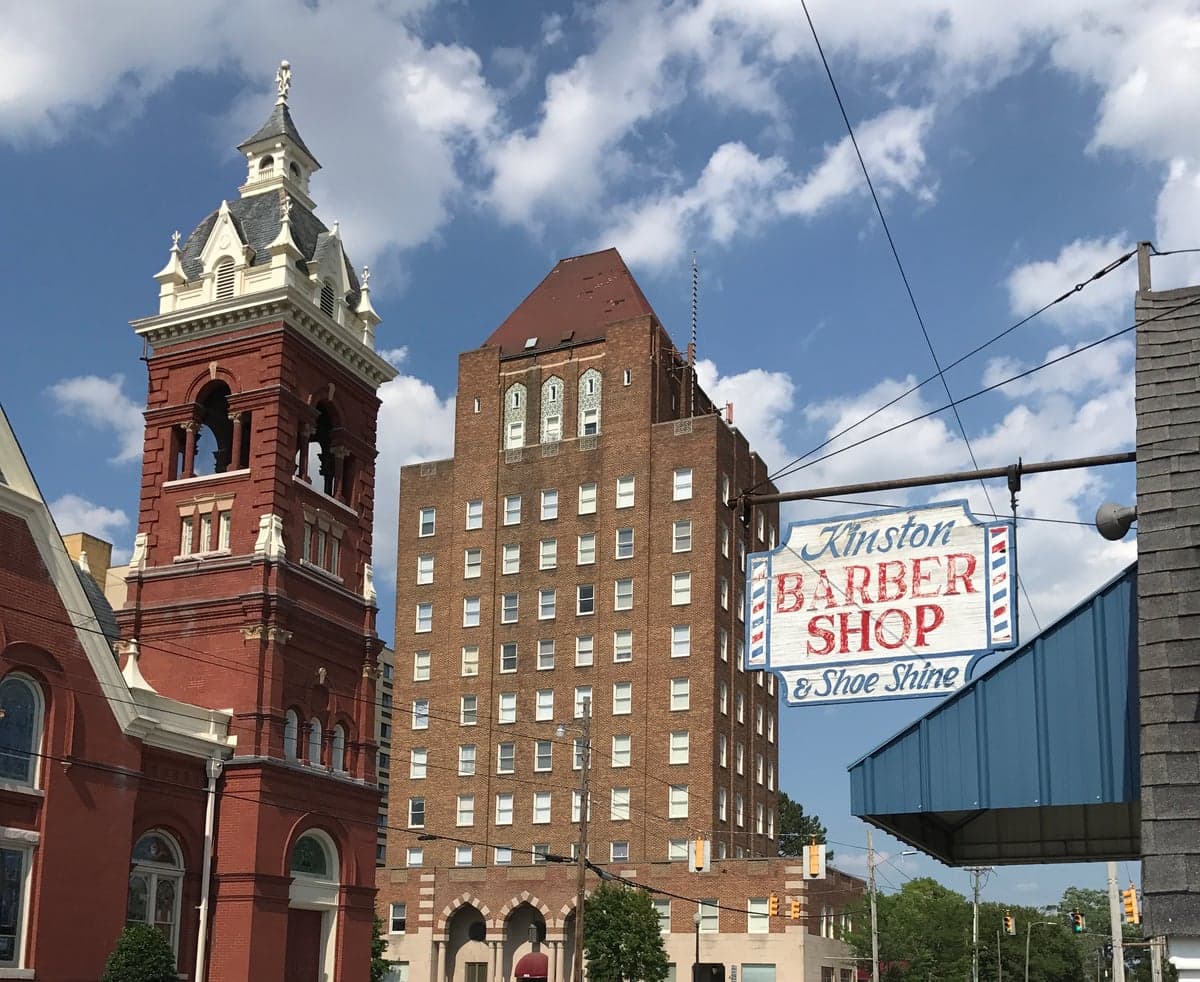
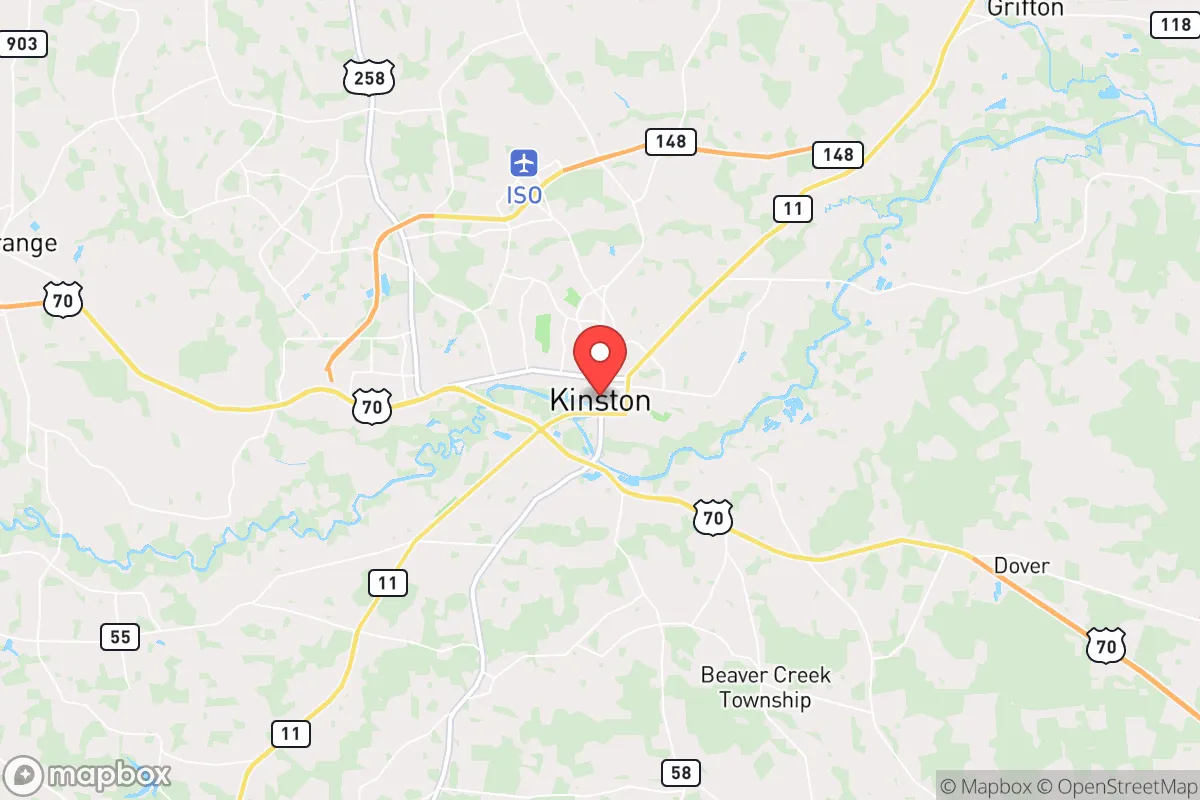
Photo: Wikipedia
Find The Best Places To Live
in Kinston
PRO TIP! You can paste a Zillow or Redfin link to get info on that property.
Compare Kinston with another place
What It's Like Living in Kinston, NC
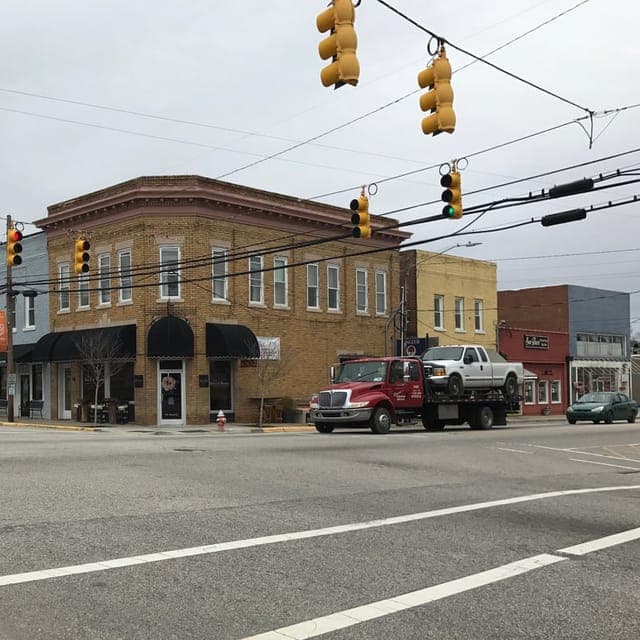
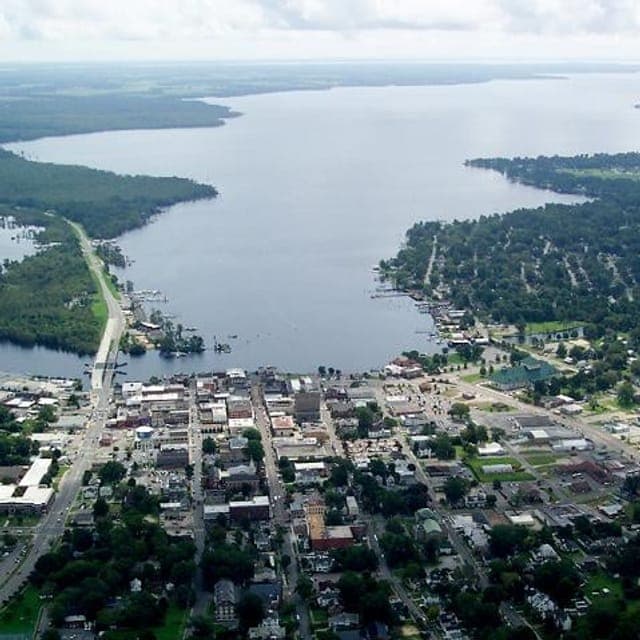
Living in Kinston, North Carolina, feels like stepping into a small town that’s quietly figuring out its next chapter. With a population just under 20,000, it’s the kind of place where you’ll recognize the person behind you in the checkout line at Piggly Wiggly, and where Friday night lights at the local high school still draw a crowd. But Kinston isn’t just a sleepy relic—it’s a town with a surprising food scene, a deep connection to the Neuse River, and a community that’s proud of its roots, even as it wrestles with economic and safety challenges.
Daily Rhythm: What Life Actually Looks Like
Most people in Kinston work in healthcare, manufacturing, or education—UNC Lenoir Health Care and the local school system are the biggest employers, along with a few remaining textile and food-processing plants. The average commute is just over 20 minutes, which means you’re never far from home. Mornings often start at a local diner like The Chef & The Farmer (yes, the one from the TV show *A Chef’s Life*), where the biscuits and gravy are as honest as the conversation. After work, folks might grab a beer at Mother Earth Brewing, a taproom that’s become a genuine community hub, or head to the Neuse River for kayaking or fishing. Weekends are slower—yard work, church on Sunday, and maybe a trip to the Kinston Farmers Market for fresh produce and local honey. The median age here is 42.9, so it’s a mix of families raising kids and empty-nesters who’ve stayed put. The median income is $35,250, which is low, but the cost of living index is 58—well below the national average—so a modest paycheck stretches further than it would in Raleigh or Wilmington.
Sports, Community, and the Things That Bring People Together
High school football is a big deal. Kinston High School’s Vikings games on Friday nights pack the stands, and the rivalry with nearby Greene Central is the kind of thing people talk about all week. There’s no major pro team nearby, but the Carolina Hurricanes (NHL) and UNC Tar Heels are the regional favorites, and you’ll see plenty of Carolina blue around town. For entertainment, the town rallies around the Kinston Music Festival each summer, which brings local and regional acts to the riverfront. The CSS Neuse Civil War Interpretive Center is a quieter draw—history buffs appreciate the restored ironclad gunboat. Outdoor life centers on the Neuse River: the Kinston-Lenoir County Parks and Recreation Department maintains a handful of parks, including the 40-acre Holloway Park with walking trails and a disc golf course. The biggest annual event is the Kinston BBQ Festival, where the smell of smoked pork fills downtown and the whole town turns out. It’s not a place for nightclubs or big concerts—the vibe is more “potluck with neighbors” than “Saturday night out.”
Pros and Cons: The Honest Trade-Offs
What residents love: The affordability is real. The median home value is $108,300, which means a family can buy a decent three-bedroom house for what would be a down payment in Charlotte. The sense of community is genuine—people look out for each other, and it’s easy to get involved with church groups, the Rotary Club, or the local food bank. The food scene is a genuine surprise: The Chef & The Farmer put Kinston on the map, but there are also solid Mexican spots, a soul food joint called King’s Restaurant, and Mother Earth Brewing’s beer garden. The pace of life is slow, and if you’re tired of traffic, you’ll love that the worst “rush hour” lasts about 15 minutes.
What frustrates people: The violent crime rate is 776 per 100,000—roughly double the national average—and that’s the number that gives newcomers pause. It’s concentrated in certain parts of town, but it’s a real concern, especially for families with teenagers. The economy is another sore spot: only 16.1% of adults have a college degree, and good-paying jobs are scarce. Many residents commute to Greenville (about 30 minutes) or Goldsboro for work. The schools are a mixed bag—Kinston High School has passionate teachers but struggles with funding and test scores, so some families opt for private or charter options. And while the cost of living is low, the median income is also low, so saving for retirement or a big vacation can be a stretch.
Who Fits In Here—and Who Might Not
Kinston works best for people who value community over convenience, and who don’t need a Whole Foods or a concert venue to feel fulfilled. It’s a good fit for early retirees on a fixed income, young families who can work remotely or commute, and anyone who wants to own a home without a 30-year mortgage. It’s less ideal for single professionals looking for a dating scene or nightlife, or for anyone who needs access to specialized healthcare or a major airport (RDU is about 90 minutes away). The weather is classic North Carolina—hot, humid summers, mild winters, and the occasional hurricane scare in late summer. The seasonal rhythm is real: spring and fall are beautiful, summer is for the river, and winter is for staying inside with a book. If you’re the kind of person who likes knowing your mail carrier’s name and doesn’t mind driving 20 minutes for a Target run, Kinston might surprise you. It’s not for everyone, but for the people who call it home, it’s exactly right.

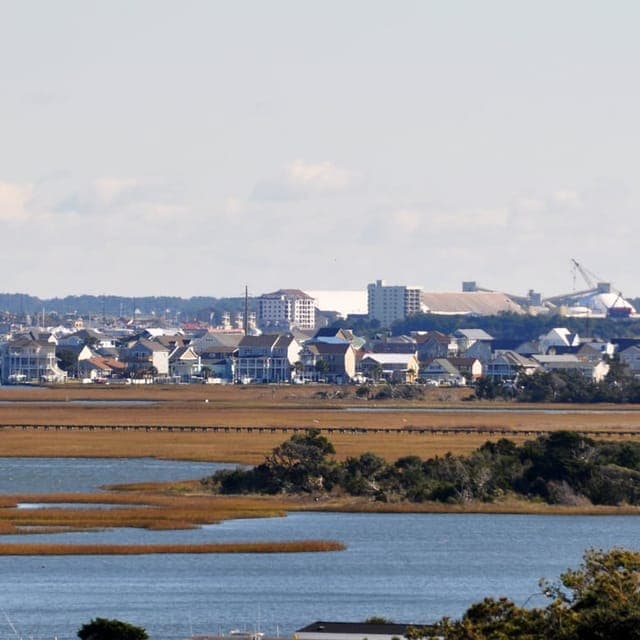
Similar towns to Kinston


* Values derived from national, state, county, city and local statistics and may differ in a specific area. Last updated: 2026-11-08T22:29:04.000Z
Narrative content on this page is AI-generated and may contain mistakes. Verify any details that matter before acting on them.
ReloMaps may earn a commission from affiliate links at no extra cost to you.

