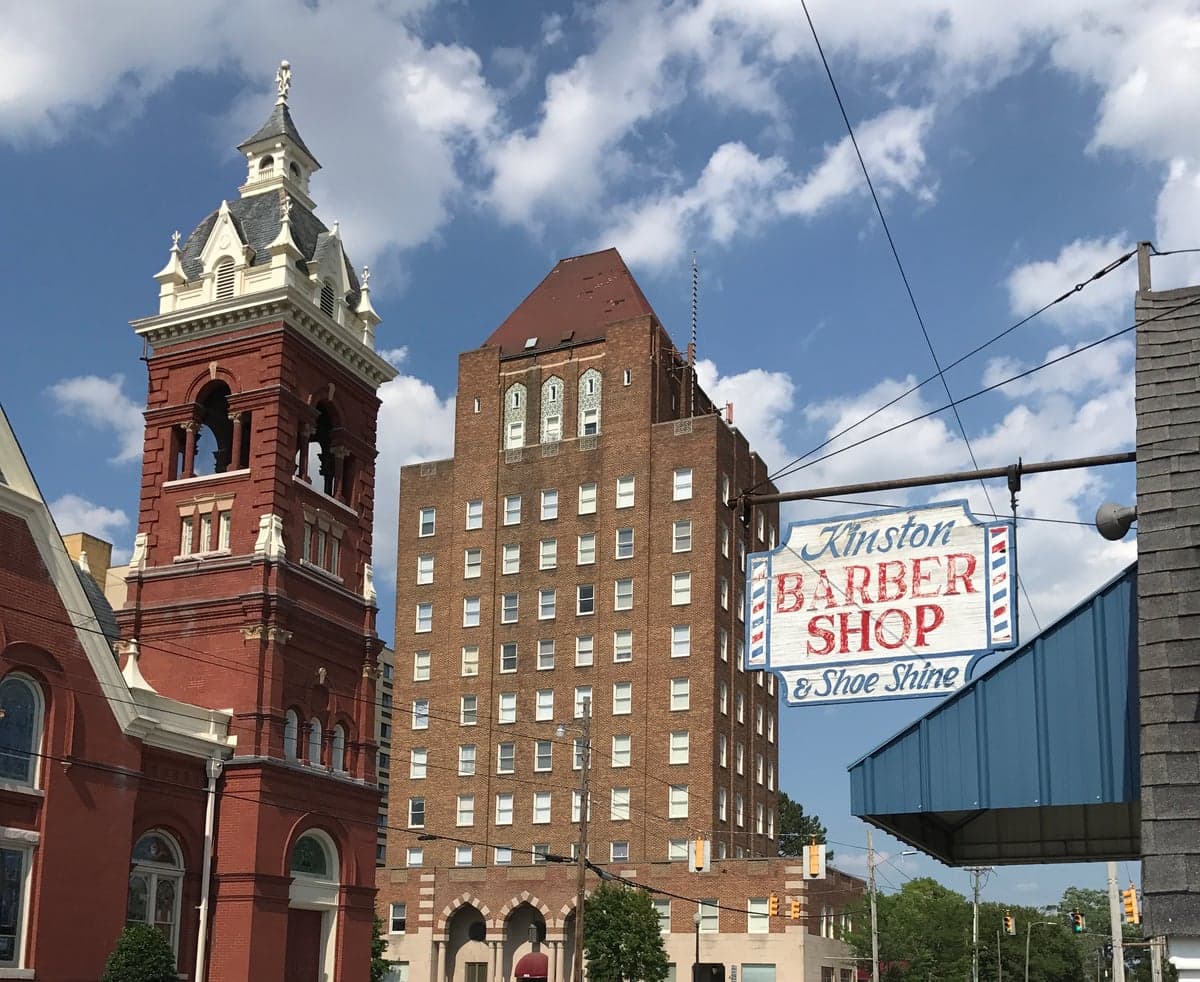
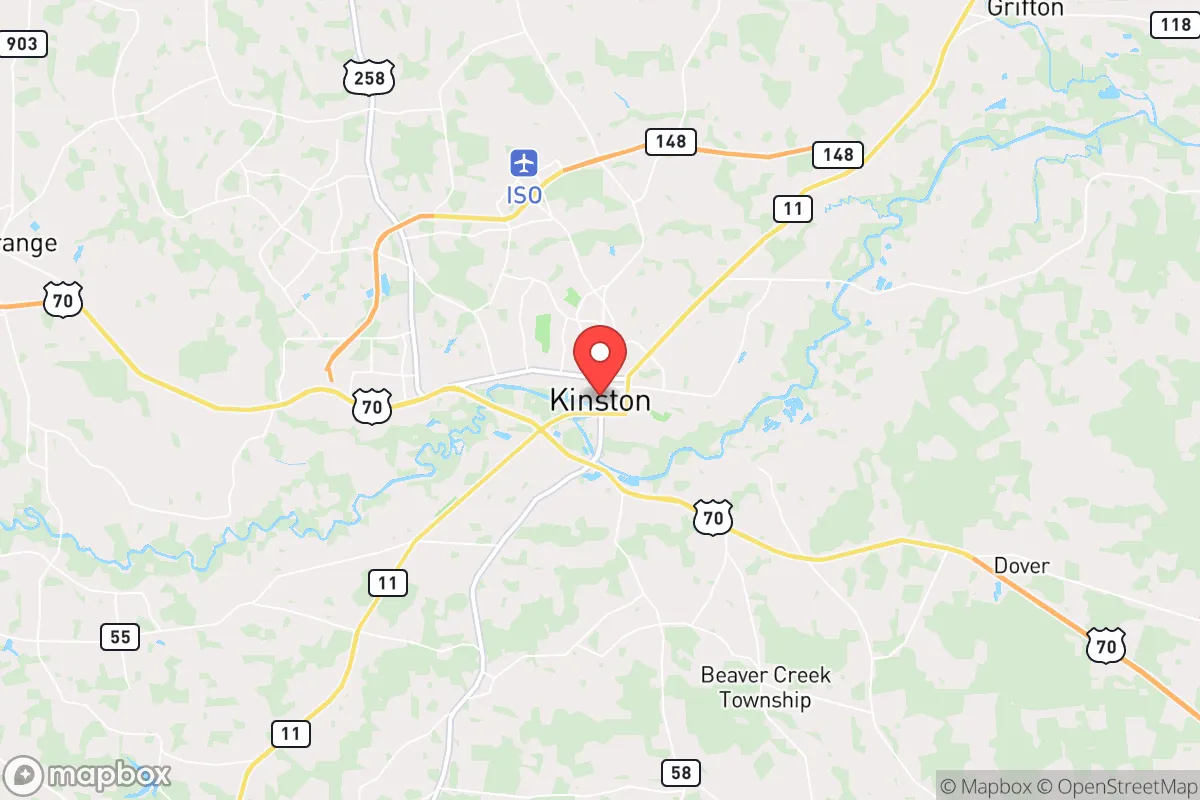
Photo: Wikipedia
Quality of Life in Kinston, NC
A high quality of life with strong walkability, manageable living costs, healthy neighborhood signals, and solid amenity access.
What does Quality of Life tell us?
Quality of Life blends cost of living, nearby amenities, socioeconomic signals, and neighborhood character. City-level scores represent the whole municipality; individual neighborhoods can differ.
What does this tell us?
Quality of Life blends cost of living, nearby amenities, socioeconomic signals, and neighborhood character. City-level scores represent the whole municipality; individual neighborhoods can differ.
Cost of Living
42% below national average
The Real Cost of Living in Kinston, NC for 2026
| Tier | Individual | Family (4) |
|---|---|---|
| Survival | $13k | $25k |
| Comfortable | $22k | $32k |
| Luxury | $64k+ | $99k+ |
| Elite (Top 5%) | $90k+ | $139k+ |
111%
The Area Signal
A metric tracking the socioeconomic signals of the area.
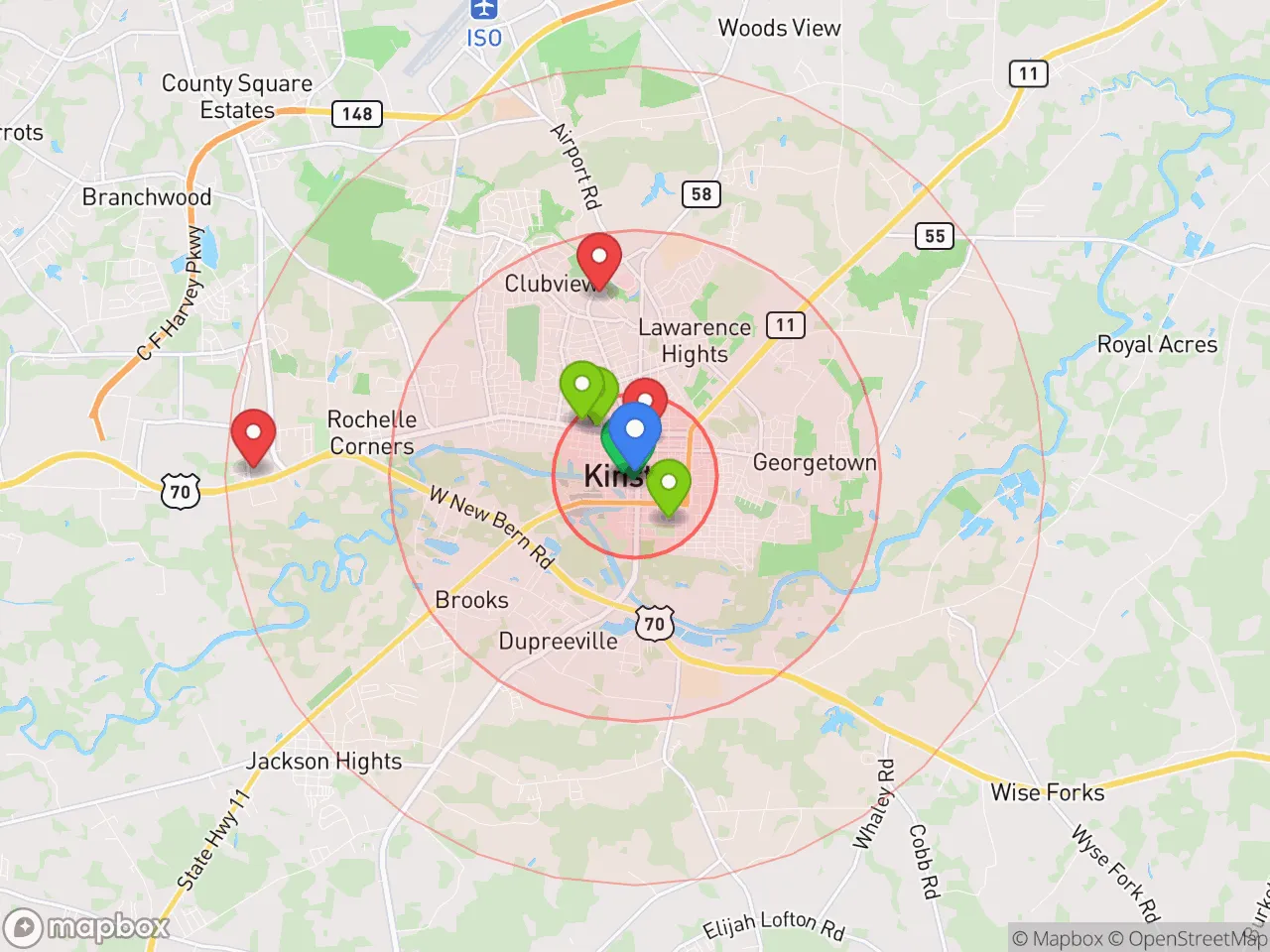
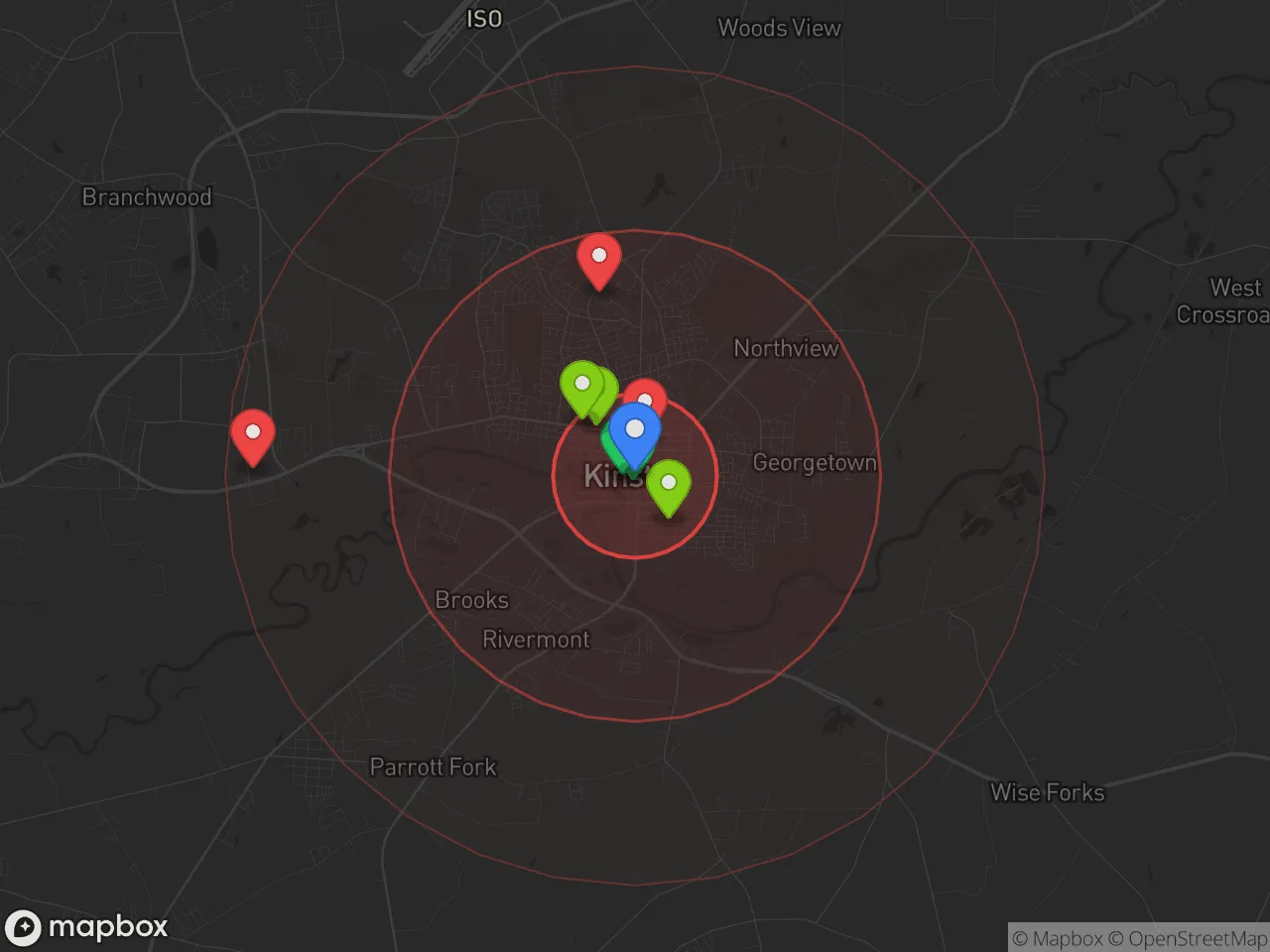
Hobbies
Explore the areaGroceries
0 within 10 miles
Gas
0 within 10 miles
Hospital
0 within 20 miles
Airport
RDU — Raleigh–Durham International
Post Office
Critical Amenities
Quality-of-Life Analysis
Kinston, North Carolina, presents a notably low cost of living that attracts a mix of retirees, young families, and workers in the healthcare and manufacturing sectors, though the area's affluence is modest compared to state and national averages. The median household income in Kinston hovers around $35,000, significantly below the U.S. median, reflecting a community where economic opportunity is a primary driver for relocation. The population is predominantly working-class, with a substantial African American demographic (roughly 65%) and a growing Hispanic community, creating a culturally grounded, family-oriented atmosphere. While not affluent in the traditional sense, Kinston offers a stable, affordable base for those prioritizing financial breathing room over high-end amenities.
Cost of living, housing, and affordability compared to nearby cities
Kinston’s cost of living index of 58 (100 is the U.S. average) makes it one of the most affordable places in eastern North Carolina, with housing costs driving the savings. The median home value is $108,300, roughly one-third the national median, while the median rent of $822 is about 40% below the national average. Compared to nearby Greenville (COL index ~85) or New Bern (index ~82), Kinston is significantly cheaper—home values in Greenville average around $200,000, and rents often exceed $1,100. The average commute of 20 minutes is notably short, reflecting the town’s compact layout and limited traffic congestion, which saves residents both time and transportation costs. However, property taxes in Lenoir County are moderate (around 0.75% of assessed value), and the lack of a state income tax on Social Security benefits further stretches retirement budgets. For renters or first-time buyers, Kinston offers a rare opportunity to own a home on a modest salary, though the trade-off is a slower housing market with fewer luxury options.
Local amenities, schools, and the daily rhythm of life
Daily life in Kinston revolves around a small downtown core anchored by the CSS Neuse Civil War Interpretive Center and the Chef & the Farmer restaurant, which put the town on the culinary map. The Lenoir County Public Schools system serves about 6,000 students, with Kinston High School and Rochelle Middle School being the largest; graduation rates hover around 85%, slightly below the state average, but the district offers career and technical education programs tied to local employers like Smithfield Foods and UNC Lenoir Health Care. For shopping and dining, residents drive 30 minutes to Greenville for major retail chains or to the coast for recreation. The Neuse River provides opportunities for fishing and kayaking, while the Kinston-Lenoir County Parks and Recreation Department maintains several community parks and a sports complex. The pace is slow and neighborly—most errands can be done within a 10-minute drive, and community events like the annual Kinston Music Festival draw local crowds. Healthcare access is solid for a town of 20,000, with UNC Lenoir Health Care offering a 101-bed hospital and specialty clinics, though complex cases require travel to Greenville or Raleigh.
Kinston is best suited for individuals and families who prioritize affordability and a slower pace over urban amenities or high-end schools. Retirees on fixed incomes, remote workers seeking a low-cost base, and first-time homebuyers priced out of larger cities will find the housing market and commute times especially appealing. Those seeking vibrant nightlife, elite public schools, or rapid career growth in tech or finance may find Kinston limiting, but for anyone valuing financial stability, community ties, and proximity to the coast, it offers a practical and welcoming environment. The town’s ongoing revitalization efforts, including downtown loft conversions and a growing arts scene, suggest gradual improvement without sacrificing its core affordability.

Crime in Kinston, NC
Significantly higher crime rates than 81% of comparable U.S. locations.
Violent CrimeViolent Crime Analysis
Property CrimeProperty Crime Analysis
Crime Analysis
Kinston, North Carolina, faces significant public safety challenges, with both violent and property crime rates substantially exceeding state and national averages. The city's overall safety picture is concerning, driven by a combination of socioeconomic factors and, as is common in many Eastern North Carolina communities, a criminal justice environment that residents often perceive as lenient toward repeat offenders. For anyone considering relocation, understanding these crime dynamics is essential for making an informed decision.
Crime in context
Kinston's violent crime rate stands at 776 incidents per 100,000 residents, which is more than double the national average and roughly three times the North Carolina state average. Property crime is equally troubling, with a rate of 4,039.3 per 100,000—well above both state and national benchmarks. These figures place Kinston among the higher-crime small cities in the state, comparable to other struggling post-industrial towns in the region. The city's location in Lenoir County, a rural area with limited economic opportunity, compounds these issues. As with many jurisdictions in eastern North Carolina, progressive judicial policies and district attorneys focused on rehabilitation over incarceration have been cited by local residents and law enforcement as contributing to a cycle of recidivism, where offenders are quickly returned to the streets without meaningful consequences.
What residents experience
For those living in Kinston, the high crime rates translate into tangible daily concerns. Violent offenses—including aggravated assault, robbery, and homicide—are concentrated in specific neighborhoods but can affect the entire community's sense of security. Property crimes such as burglary, larceny, and motor vehicle theft are pervasive, with many residents investing in security systems, cameras, and even firearms for protection. Local news frequently reports on break-ins and thefts, reinforcing a climate of vigilance. The Lenoir County Sheriff's Office and Kinston Police Department work diligently with limited resources, but the underlying issues of poverty, drug trafficking (particularly opioids and methamphetamine), and a justice system that some argue prioritizes offender rights over victim safety create persistent challenges. Residents often express frustration that repeat offenders face minimal jail time, undermining deterrence and eroding trust in the system.
Neighborhood-level variation is stark in Kinston. Areas west of U.S. 258 and near the Neuse River tend to be quieter, with lower crime incidence, while neighborhoods east of the city center and around the old industrial corridors experience the highest rates of violent and property crime. The historic downtown district, while undergoing revitalization, still sees periodic property crime. Prospective residents are strongly advised to consult local crime maps and speak with current residents or real estate professionals familiar with block-by-block conditions. Overall, while Kinston offers affordable housing and a tight-knit community feel, the crime environment—exacerbated by a criminal justice system that many view as insufficiently punitive—remains a significant drawback for families and individuals prioritizing safety.
* Values derived from national, state, county, city and local statistics and may differ in a specific area. Last updated: 2026-11-08T22:29:04.000Z
Narrative content on this page is AI-generated and may contain mistakes. Verify any details that matter before acting on them.
ReloMaps may earn a commission from affiliate links at no extra cost to you.

