Photo: Wikipedia
Find The Best Places To Live
in Youngsville
PRO TIP! You can paste a Zillow or Redfin link to get info on that property.
Compare Youngsville with another place
What It's Like Living in Youngsville, NC
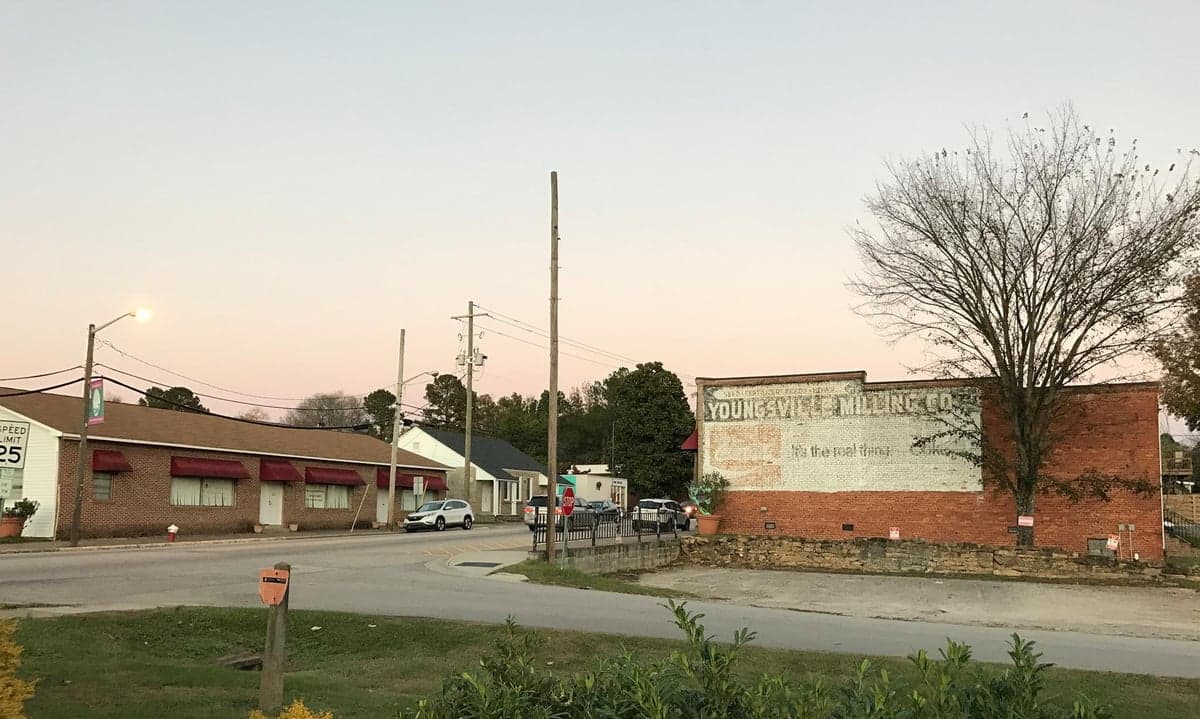
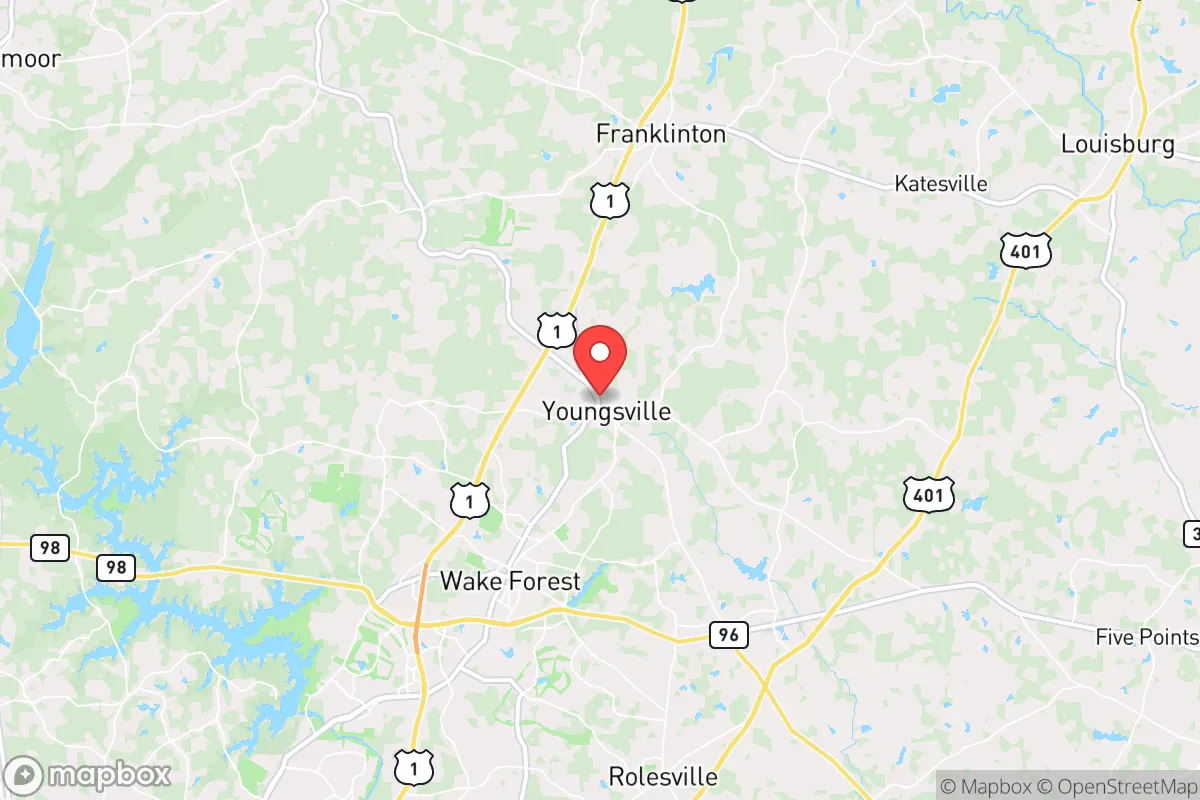
Youngsville, North Carolina, feels like one of those small towns that’s still figuring out exactly what it wants to be when it grows up—and that’s part of its charm. With just over 2,500 residents, it’s small enough that you’ll recognize the same faces at the gas station and the post office, but close enough to Wake Forest and Raleigh that you’re never more than 20 minutes from a Target or a decent craft brewery. The vibe here is quietly conservative, family-forward, and unhurried, attracting people who want a yard, a short commute to the Triangle’s jobs, and a community where the high school football game on Friday night is still the main event.
Daily Rhythm and Who Fits In
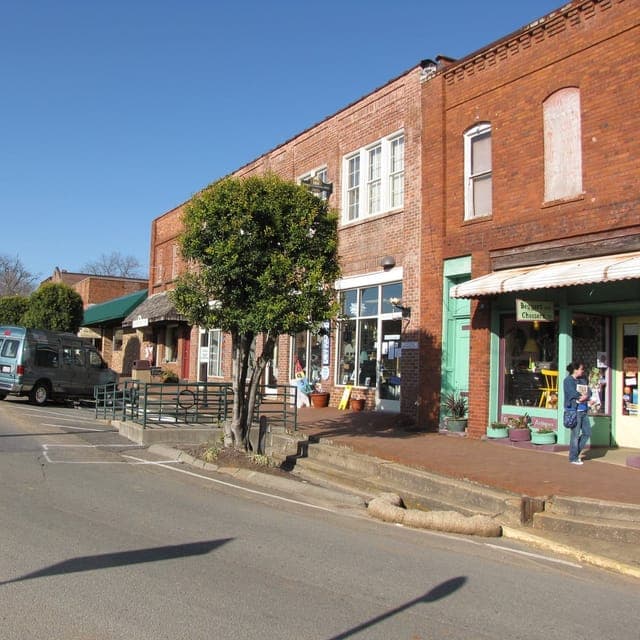
Life in Youngsville moves at a pace that can feel almost old-fashioned. Most mornings, you’ll see folks grabbing coffee at the Youngsville Drug & Soda Fountain—a genuine old-school pharmacy counter that serves burgers and milkshakes—or running errands along Main Street. The median age here is 30.6, which skews younger than many rural towns, largely because of families priced out of Wake Forest and Raleigh proper. The median household income sits at $61,813, which is comfortable for the area but not lavish, especially given that the median home value has climbed to $404,500. That number surprises a lot of newcomers—you’re paying a premium for the Franklin County school district and the relative proximity to Research Triangle Park, not for nightlife or walkability.
The kind of person who fits in here is someone who values space over square footage. You’ll find a lot of tradespeople, remote workers, and young families who commute an average of 29 minutes each way to jobs in Raleigh or Durham. Weekends are spent on yard work, Little League games, or driving to Falls Lake for kayaking and hiking. There isn’t a ton of local employment—most people leave town for work—so the community feels like a bedroom suburb that’s slowly developing its own identity.
Sports, Schools, and Community Anchors
High school sports are the closest thing Youngsville has to a civic religion. Franklin County Schools serve the area, and Franklinton High School is the main public option, with Friday night football games drawing a solid crowd of parents, alumni, and local business sponsors. There’s no college or pro team in town, but the Carolina Hurricanes and NC State Wolfpack are the default allegiances for anyone who follows hockey or college basketball. The school system itself is a major reason families choose Youngsville over cheaper rural alternatives—it’s not the top-ranked in the state, but it’s stable, and the elementary schools have strong parent involvement.
The town’s biggest annual event is Youngsville Day, a fall festival with a parade, craft vendors, and a barbecue cook-off that basically shuts down Main Street. There’s also a small but loyal following for the Youngsville Farmers Market on Saturday mornings from April through October. For a town this size, the market punches above its weight—you’ll find local honey, seasonal produce, and a guy who sells smoked pork shoulders out of a custom trailer.
What’s There to Do (and What Frustrates People)
Let’s be honest: you’re not moving to Youngsville for the entertainment options. The dining scene is limited to a handful of local spots—El Cerro for Mexican, Papa’s Pizza & Subs for takeout, and the soda fountain for nostalgia. For real variety, you drive 15 minutes to Wake Forest, which has breweries like White Street Brewing Company and a solid lineup of chain and independent restaurants. Outdoor recreation is the real draw: Falls Lake State Recreation Area is 10 minutes away, offering swimming, fishing, and mountain biking trails. The Mountains-to-Sea Trail passes nearby, and the Neuse River Greenway is a 30-minute drive for paved biking.
The honest pros and cons are pretty clear. On the plus side: low violent crime (the rate is 162.9 per 100,000, well below the national average), good schools by rural standards, and a genuine small-town feel where neighbors actually know each other. On the downside: the cost of living index is 116, meaning everyday expenses run about 16% above the U.S. average, largely driven by housing. Traffic on US-1 can back up during commute hours, and there’s no real downtown core—just a few blocks of historic buildings mixed with newer subdivisions. Longtime residents grumble that the town has grown faster than its infrastructure, with new subdivisions going up faster than roads can be widened.
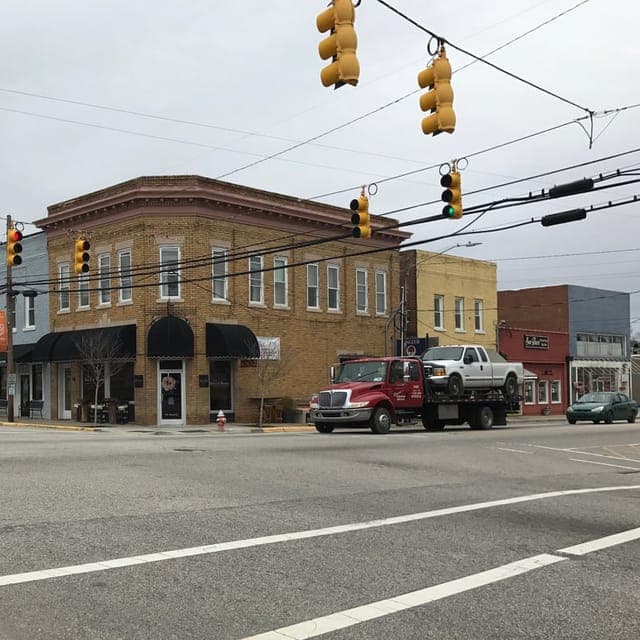
One cultural quirk you’ll notice: people here are proud of being “not Raleigh.” There’s a quiet resistance to becoming another faceless suburb, which is why you’ll still see tobacco barns and farm equipment alongside new vinyl-sided homes. It’s not a place for someone who wants walkable coffee shops and a vibrant arts scene—but for someone who wants a safe, affordable (relatively speaking) base with good schools and easy access to the Triangle’s jobs, Youngsville makes a lot of sense.

Similar small towns to Youngsville


* Values derived from national, state, county, city and local statistics and may differ in a specific area. Last updated: 2026-11-13T11:05:16.000Z
Narrative content on this page is AI-generated and may contain mistakes. Verify any details that matter before acting on them.
ReloMaps may earn a commission from affiliate links at no extra cost to you.

